After a brief intermission, back to the regularly scheduled programming.
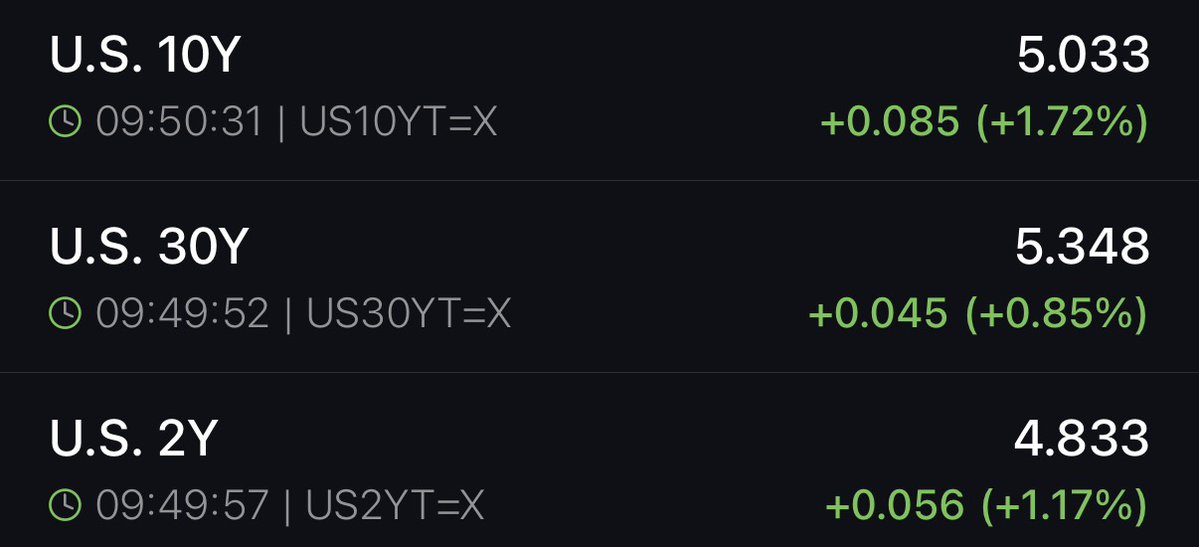
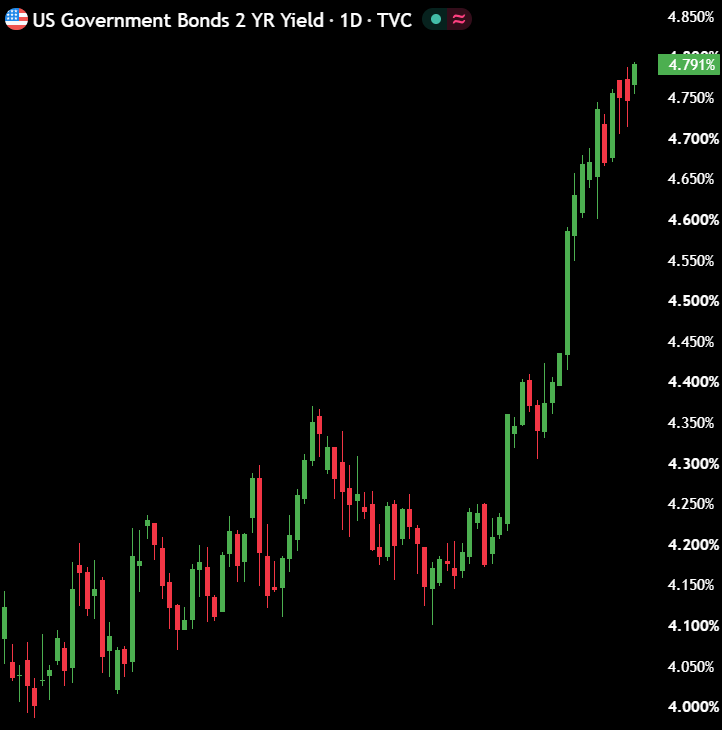
The 10Y Note Yield is back to its highest levels since 2023 and the 30Y Note Yield is up to 5.35%, matching 2007 levels.
Despite numerous intervention attempts by the US Treasury, nothing is working.
It is becoming increasingly clear that the only way to drive yields lower over the short-run would be an end to the Iran War and the ongoing global energy crisis.
However, over the long-run, this is a structural problem, with deficit spending and years of compounding inflation at its core.
The reality is that the era of ultra-low rates that Americans and the world became used to will not return anytime soon.
"Higher for longer" is the new normal.
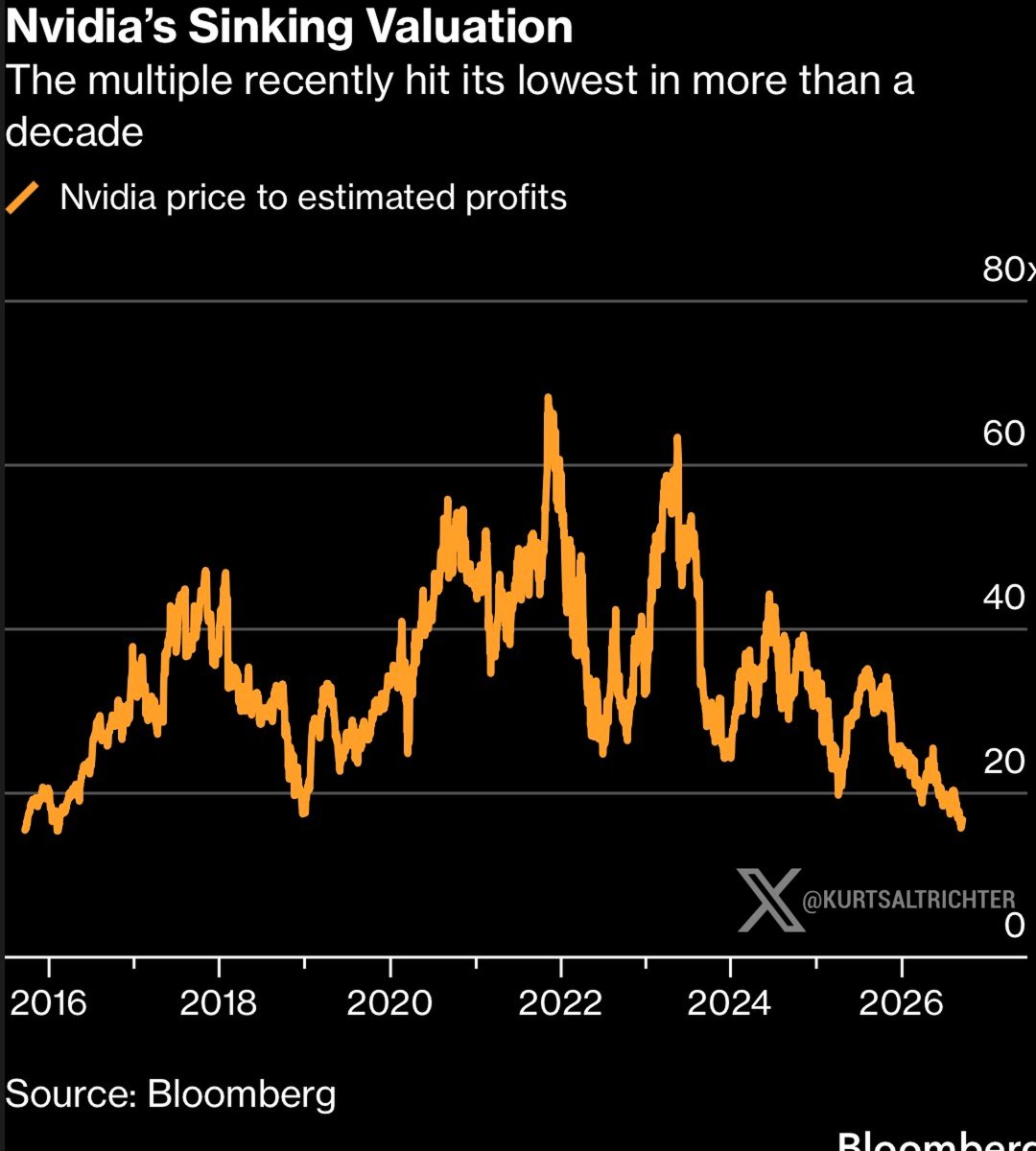
They keep calling $NVDA a bubble. Its valuation just hit the lowest in more than a decade.
Nvidia now trades at roughly 13 times estimated earnings, down from 65 in 2022, and below the S&P 500 for the first time in over a decade.
The multiple did not fall because the business broke. It fell because earnings grew faster than the stock. A dominant AI franchise this cheap is what fear looks like, not a bubble.
London property prices are crashing and the numbers are shocking
In prime central London, the falls are brutal
Just 15 years ago London was booming & everyone from all over the world was fighting to get property in the capital
Now all the millionaires & billionaires are leaving, prices are crashing, & local businesses are closing down
Mayfair sold prices down 50 to 60% year on year
Kensington & Chelsea down 40 to 50%
Belgravia & Westminster seeing 10%+ yearly drops
London used to be the best property market in the world. Now it’s leading the collapse as it ripples out
Brutal, yes, but prime central London is finally cheap enough to buy
Will you invest or leave the UK like so many others?
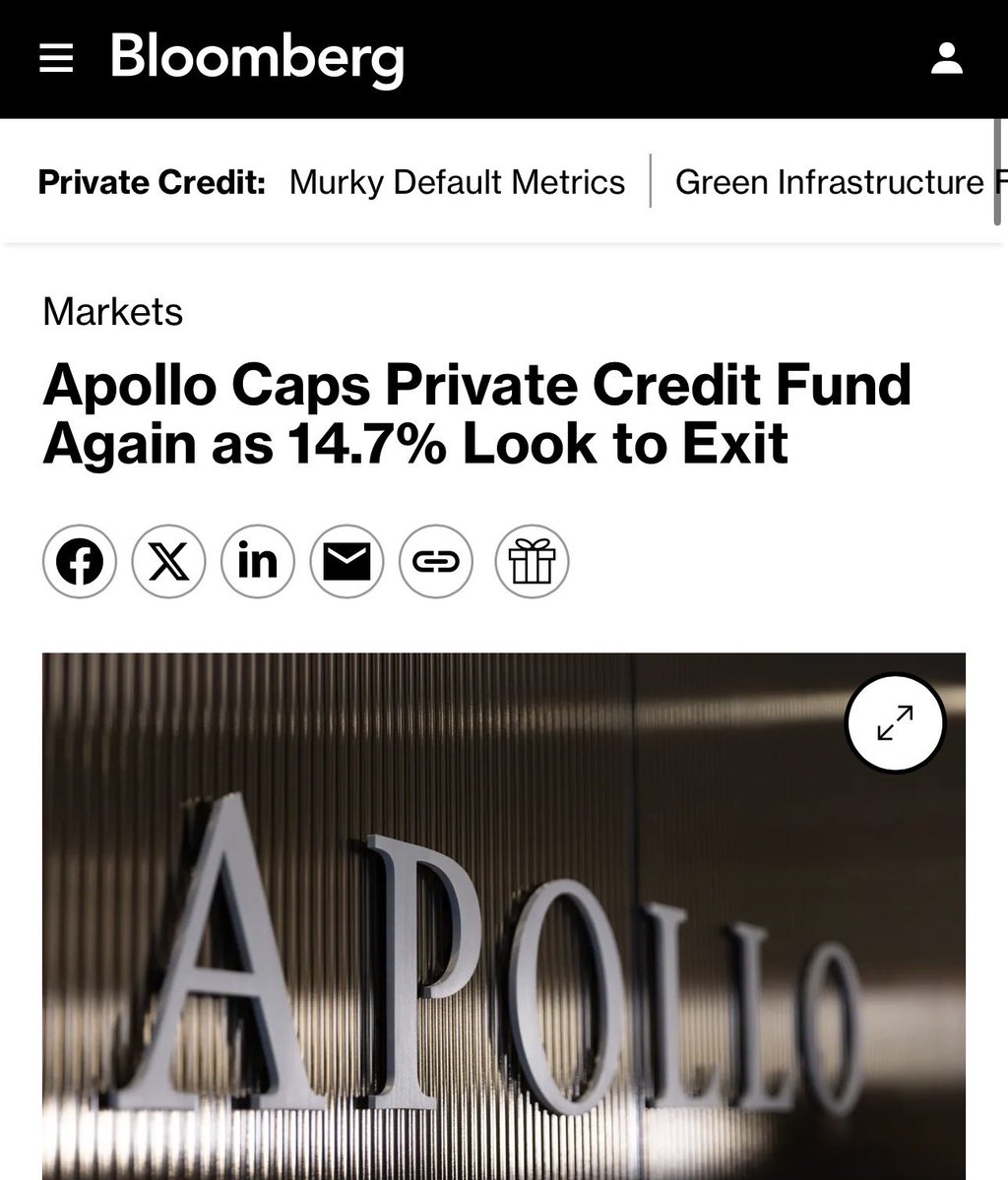
Apollo and Morgan Stanley just did it again.
Third quarter in a row.
Investors asked to pull far more than the funds would pay.
Both capped redemptions at 5%.
IRAN SAYS IT’S IN NO RUSH TO NEGOTIATE
Iran’s security chief Ali Rezaei says Tehran is “not in a hurry” to negotiate, maintaining a firm stance toward potential talks.
Rezaei said Iran’s conditions have now been finalized and handed to Qatari and Pakistani mediators.
Tehran is effectively waiting for the other side’s response before determining its next move.
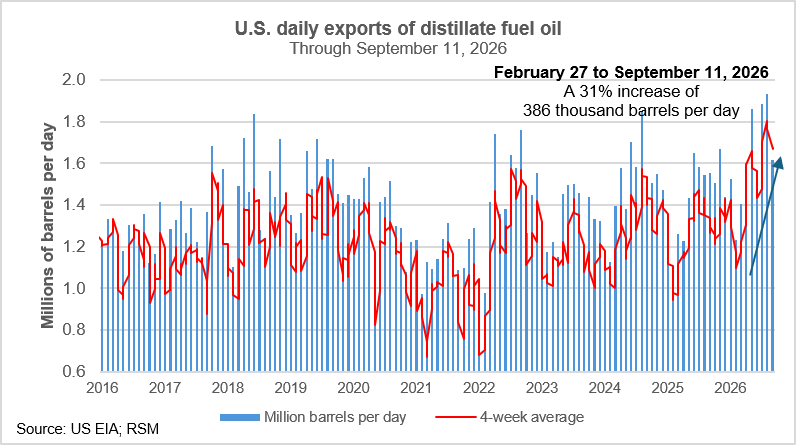
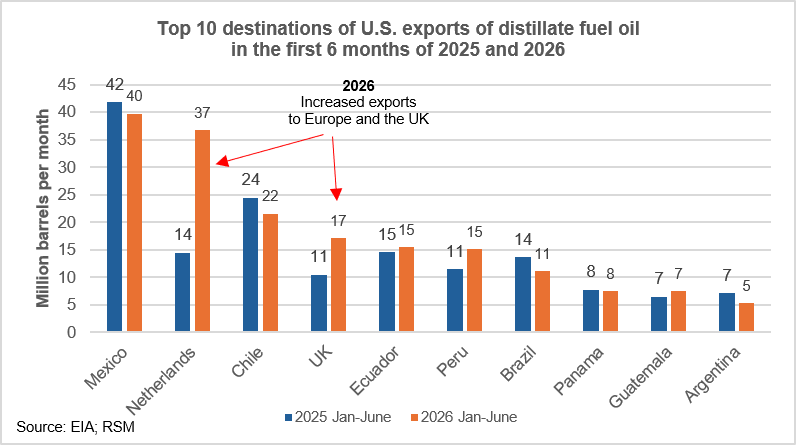
🚨 American "Energy Dominance" is turning inward as Trump weighs a U.S. diesel export ban.
Spurred by record fuel costs and election vulnerabilities, Washington's potential shift toward energy nationalism could upend global trade flows.
Here is the breakdown: 👇🇺🇸🇬🇧🇫🇷🇧🇷🇲🇽🛢️
If Bolsonaro wins the election, the Brazilian Real should quickly go to $/BRL 4.80. It was in the first half of 2022 that $/BRL almost went to my long-standing fair value of 4.50. That faded in H2 2022 as the odds of a Lula victory became insurmountable...
https://t.co/tIBUSIcU9S
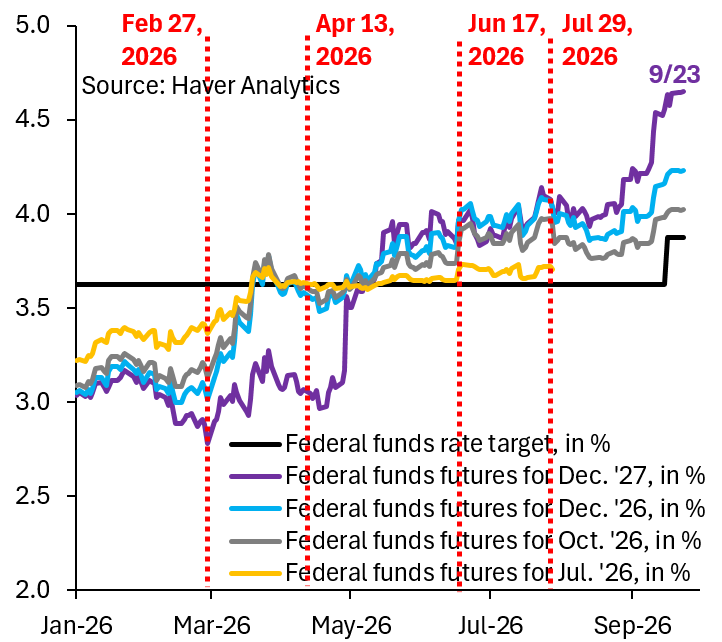
There's more and more people who think the Fed will hike in October and again in December, i.e. the Fed is in a full-blown hiking cycle. I don't think that's called for given the inflation picture, nor do I think that's politically remotely realistic...
https://t.co/3JBbnvcnnV
U.S. DIESEL EXPORT BAN COULD DEEPEN GLOBAL SHORTAGE
A potential U.S. diesel export ban would hit Latin America and Europe hardest, Capital Economics warns.
Higher U.S. exports this year have offset roughly half the global supply losses caused by disruptions in Russia and the Iran war.
A full ban could cut global seaborne diesel supply by another 30%, potentially pushing fuel prices higher worldwide.
Xijing Research Institute dean Zhao Jian: "For years, the conventional wisdom was that China’s economy was held hostage by its real estate sector. Today, Beijing faces a new, equally perilous predicament: an economy dangerously overreliant on exports. The core issue is not that Chinese manufacturing is too competitive, but that this advantage is essentially subsidized by the severe compression of domestic consumption and labor costs. Rebalancing is no longer optional; it is urgent."
Interesting Caixing article. I wouldn't say this is the policymaking consensus yet, but the speed with which similar views have been spreading in public suggests that we may be nearing a turning point in the narrative.
https://t.co/Q2eSxcONum
U.S. Diesel Export Ban
The elimination of 1.67 million barrels per day of diesel exports will create a short-term domestic surplus which will have to then be sold at a discount thus providing short-term pricing relief for U.S. households and talking points for policy actors to claim that they are addressing a growing affordability crisis.
However, once one examines such a policy approach the ill-logic of a diesel export ban is all too easy to spot: a temporary increase in supply following such an export ban will quickly turn into a supply shortage and rising prices.
Because the U.S. exports it surplus production-total production is roughly 5.3 million barrels per day which is above the approximately 3.6 million barrels per day of domestic demand-once that inventory is absorbed by the domestic energy firms would then pull back on production until it reaches the new and lower equilibrium level which of course would result in lost revenues and a probable increase in industry unemployment on the back of that intervention into the marketplace.
An export ban intending to increase supply results in a shortage of not just diesel but also likely gasoline as the crude that was previously dedicated to the production of diesel then needs to be sold resulting in increased exports of raw crude at higher prices.
As a result a bifurcated price structure domestically that would ensue-there are multiple markets within the U.S. with the Gulf Coast seeing a lower price versus higher prices on the West Coast and prices remaining closer to the internationally set price on the East Coast-creating further uncertainty across the economy.
Even with the logistics constraint-the Jones Act-which required all goods transported by water between U.S. ports to be on American owned and staffed ships-being temporarily lifted this will not eliminate the bifurcated price structure that would ensure in the aftermath of such an energy export ban.
Increasing complexity within an antiquated energy infrastructure is in no one’s economic or policy interest.
Second, such a ban would result in the elimination of that 1.67 million in U.S. diesel exports reducing the total global supply by just over 18%.
That will send global prices higher creating conditions in which those costs will be passed along to the production of other goods which the U.S. imports.
Given global supply and inflation dynamics this would result in a negative feedback loop that would result in an already deteriorating international pricing environment that would likely cause global central banks to send policy rates higher than they already are prepared to do.
FED RATE HIKE BOOSTS DOLLAR APPEAL
Standard Chartered says the Fed’s rate hike has removed a key obstacle to buying the dollar, easing concerns that Chair Kevin Warsh would avoid tightening despite pressure from President Trump.
Warsh’s confidence in the U.S. economy also strengthened the case for U.S. yields and investment flows.
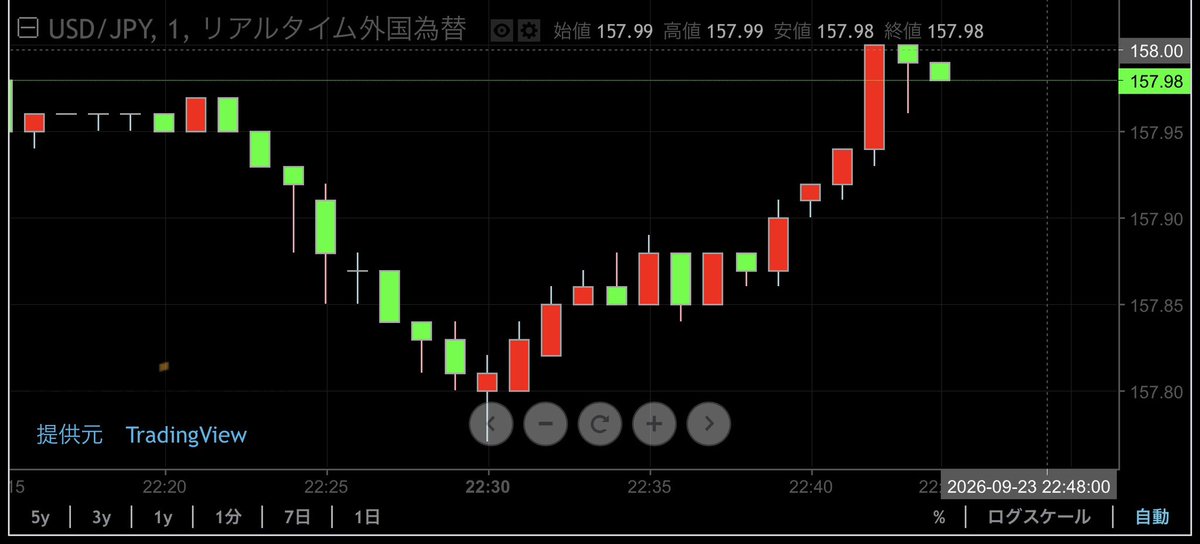
The DXY dollar index climbed to an eight-week high of 100.967.
Iran has been in negotiations with the U.S. through a Qatari mediator in New York, and communicated its conditions for ending the seven-month war on all fronts, according to regional media reports.
Tehran’s conditions include a halt to what it calls U.S. “acts of aggression,” an end to the naval blockade and economic warfare, and the release of Iranian assets, Iranian foreign ministry spokesman Esmaeil Baghaei said.