Market-oriented economies should establish a permanent ‘third pole’ within the global economy — seperate from the US and China.
The starting point should be an alliance between the European Union and the countries of the CPTPP.
https://t.co/l2x0G4y0o4
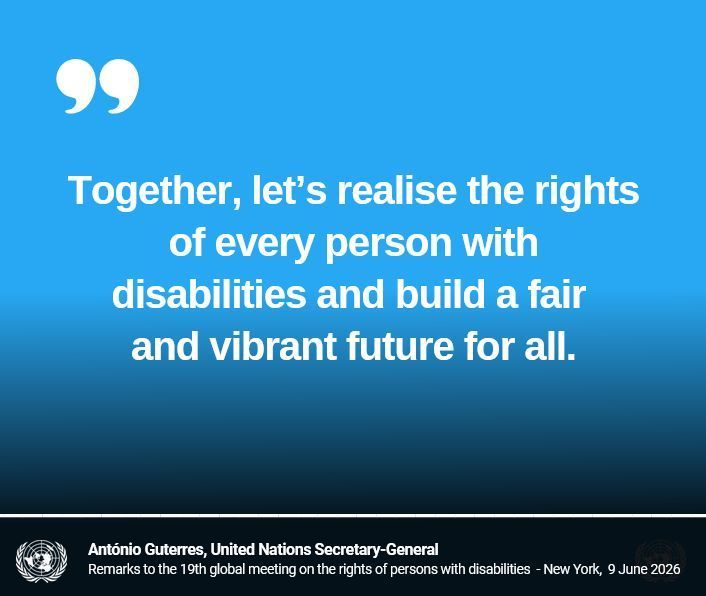
Adopted in 2006, the #CRPD Convention has now been ratified by 192 countries.
Twenty years later, over 90% of countries have laws guaranteeing the rights of persons with disabilities. Yet, much more must be done, urges @antonioguterres.
https://t.co/aFjXALcQj2
#DisabilityRights
@IPUparliament@GeorgeWeahOff@kakhakala These nonce cases are scared to put their own boots on the ground because they're mentally unable to get it done.
https://t.co/zCbLi9b5op
Join @UNESCO and @FondationLOreal LIVE on Thursday, 11 June for the 28th edition of the L’Oréal-UNESCO #ForWomenInScience International Awards as we honor the five new laureates in life and environmental sciences: https://t.co/uBeJqjOmpF
Learn more: https://t.co/YWO2S6K922
What is the Domesday Book and why it was written
The Domesday Book is one of the most important historical records in England. It was created in 1086 on the orders of William the Conqueror after the Norman Conquest.
Its purpose was to carry out a detailed survey of England so the king could understand the land under his control and the resources of his new kingdom. It recorded who owned land, what settlements existed, how much land was being used, and what resources were available across the country, The primary practical goal was fiscal.
The reason it was needed was simple: after taking control of England, the new ruler required a clear and accurate picture of the land, people, and resources of the kingdom in order to govern it effectively and organise administration.
The name “Domesday Book” was given later and reflects how complete and final the record was. People compared it to “Doomsday” in the sense that nothing could be appealed or changed once it was written down, much like a final judgement. It was seen as an ultimate, unquestionable record of the country.
Today, the Domesday Book is still preserved and is regarded as one of the most complete and valuable snapshots of medieval England ever created, offering historians a detailed view of life almost a thousand years ago.
What is the Domesday Book and why it was written
The Domesday Book is one of the most important historical records in England. It was created in 1086 on the orders of William the Conqueror after the Norman Conquest.
Its purpose was to carry out a detailed survey of England so the king could understand the land under his control and the resources of his new kingdom. It recorded who owned land, what settlements existed, how much land was being used, and what resources were available across the country, The primary practical goal was fiscal.
The reason it was needed was simple: after taking control of England, the new ruler required a clear and accurate picture of the land, people, and resources of the kingdom in order to govern it effectively and organise administration.
The name “Domesday Book” was given later and reflects how complete and final the record was. People compared it to “Doomsday” in the sense that nothing could be appealed or changed once it was written down, much like a final judgement. It was seen as an ultimate, unquestionable record of the country.
Today, the Domesday Book is still preserved and is regarded as one of the most complete and valuable snapshots of medieval England ever created, offering historians a detailed view of life almost a thousand years ago.
What is the Domesday Book and why it was written
The Domesday Book is one of the most important historical records in England. It was created in 1086 on the orders of William the Conqueror after the Norman Conquest.
Its purpose was to carry out a detailed survey of England so the king could understand the land under his control and the resources of his new kingdom. It recorded who owned land, what settlements existed, how much land was being used, and what resources were available across the country, The primary practical goal was fiscal.
The reason it was needed was simple: after taking control of England, the new ruler required a clear and accurate picture of the land, people, and resources of the kingdom in order to govern it effectively and organise administration.
The name “Domesday Book” was given later and reflects how complete and final the record was. People compared it to “Doomsday” in the sense that nothing could be appealed or changed once it was written down, much like a final judgement. It was seen as an ultimate, unquestionable record of the country.
Today, the Domesday Book is still preserved and is regarded as one of the most complete and valuable snapshots of medieval England ever created, offering historians a detailed view of life almost a thousand years ago.
What is the Domesday Book and why it was written
The Domesday Book is one of the most important historical records in England. It was created in 1086 on the orders of William the Conqueror after the Norman Conquest.
Its purpose was to carry out a detailed survey of England so the king could understand the land under his control and the resources of his new kingdom. It recorded who owned land, what settlements existed, how much land was being used, and what resources were available across the country, The primary practical goal was fiscal.
The reason it was needed was simple: after taking control of England, the new ruler required a clear and accurate picture of the land, people, and resources of the kingdom in order to govern it effectively and organise administration.
The name “Domesday Book” was given later and reflects how complete and final the record was. People compared it to “Doomsday” in the sense that nothing could be appealed or changed once it was written down, much like a final judgement. It was seen as an ultimate, unquestionable record of the country.
Today, the Domesday Book is still preserved and is regarded as one of the most complete and valuable snapshots of medieval England ever created, offering historians a detailed view of life almost a thousand years ago.
What is the Domesday Book and why it was written
The Domesday Book is one of the most important historical records in England. It was created in 1086 on the orders of William the Conqueror after the Norman Conquest.
Its purpose was to carry out a detailed survey of England so the king could understand the land under his control and the resources of his new kingdom. It recorded who owned land, what settlements existed, how much land was being used, and what resources were available across the country, The primary practical goal was fiscal.
The reason it was needed was simple: after taking control of England, the new ruler required a clear and accurate picture of the land, people, and resources of the kingdom in order to govern it effectively and organise administration.
The name “Domesday Book” was given later and reflects how complete and final the record was. People compared it to “Doomsday” in the sense that nothing could be appealed or changed once it was written down, much like a final judgement. It was seen as an ultimate, unquestionable record of the country.
Today, the Domesday Book is still preserved and is regarded as one of the most complete and valuable snapshots of medieval England ever created, offering historians a detailed view of life almost a thousand years ago.
@globaltimesnews https://t.co/LKUwvxoZKj
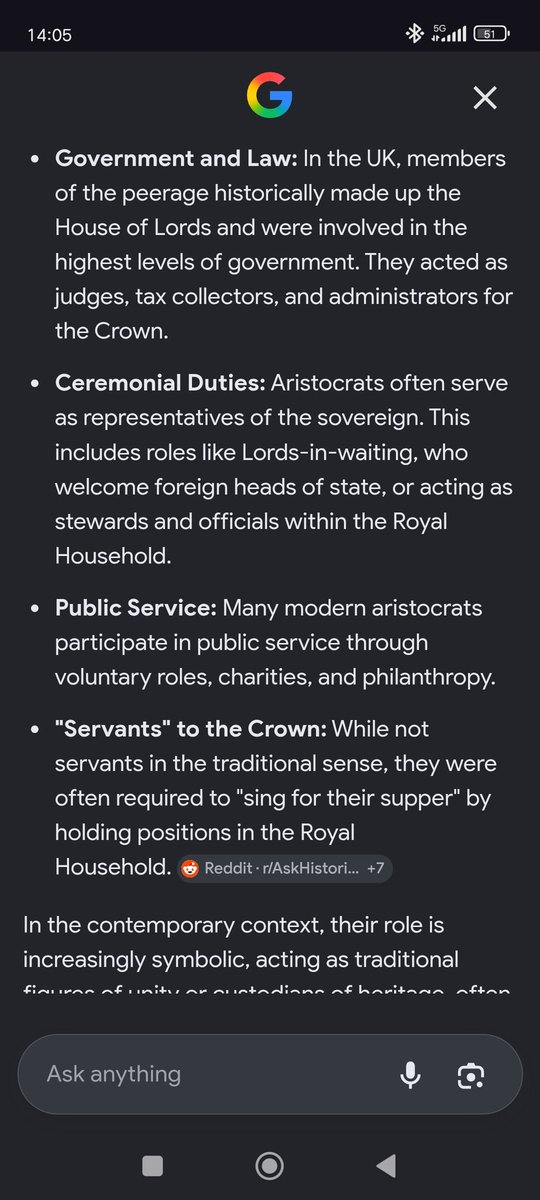
UK's King (regardless if he's The gay nonce pederast) expects all commie bastards & CCP to take the knee and fit in under the Gurkha regiment and serve beneath his artsy fartsy butlers & clergy.
@IPUparliament@GeorgeWeahOff@kakhakala These nonce cases are scared to put their own boots on the ground because they're mentally unable to get it done.
https://t.co/zCbLi9b5op
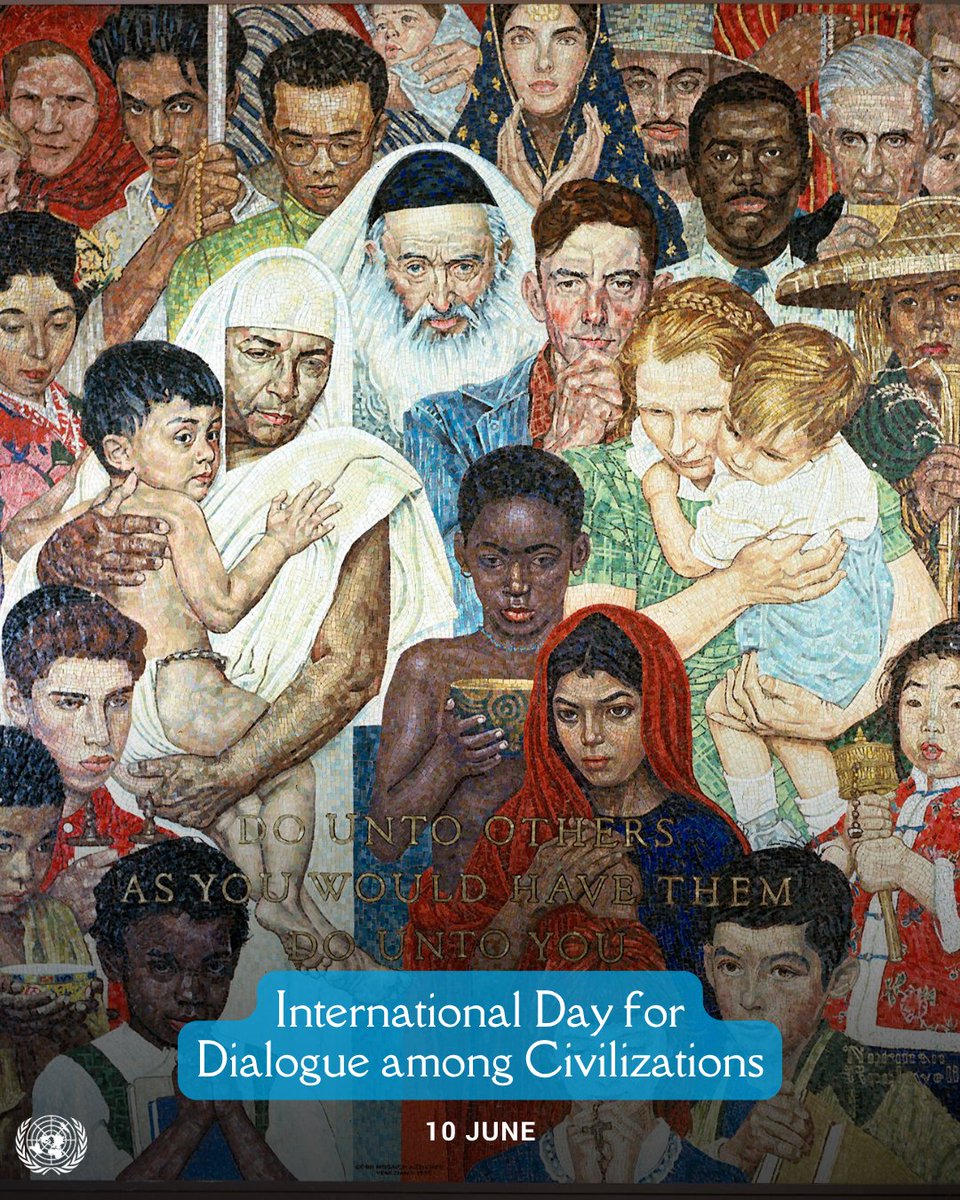
“When we listen, talk and connect, we replace confrontation with cooperation, and tension with trust.”
– On Wednesday’s International Day for Dialogue Among Civilizations, @antonioguterres reflects on the power of dialogue to address global challenges. https://t.co/6UMVyuxPHQ
@globaltimesnews https://t.co/LKUwvxoZKj
UK's King (regardless if he's The gay nonce pederast) expects all commie bastards & CCP to take the knee and fit in under the Gurkha regiment and serve beneath his artsy fartsy butlers & clergy.
@IPUparliament@GeorgeWeahOff@kakhakala These nonce cases are scared to put their own boots on the ground because they're mentally unable to get it done.
https://t.co/zCbLi9b5op