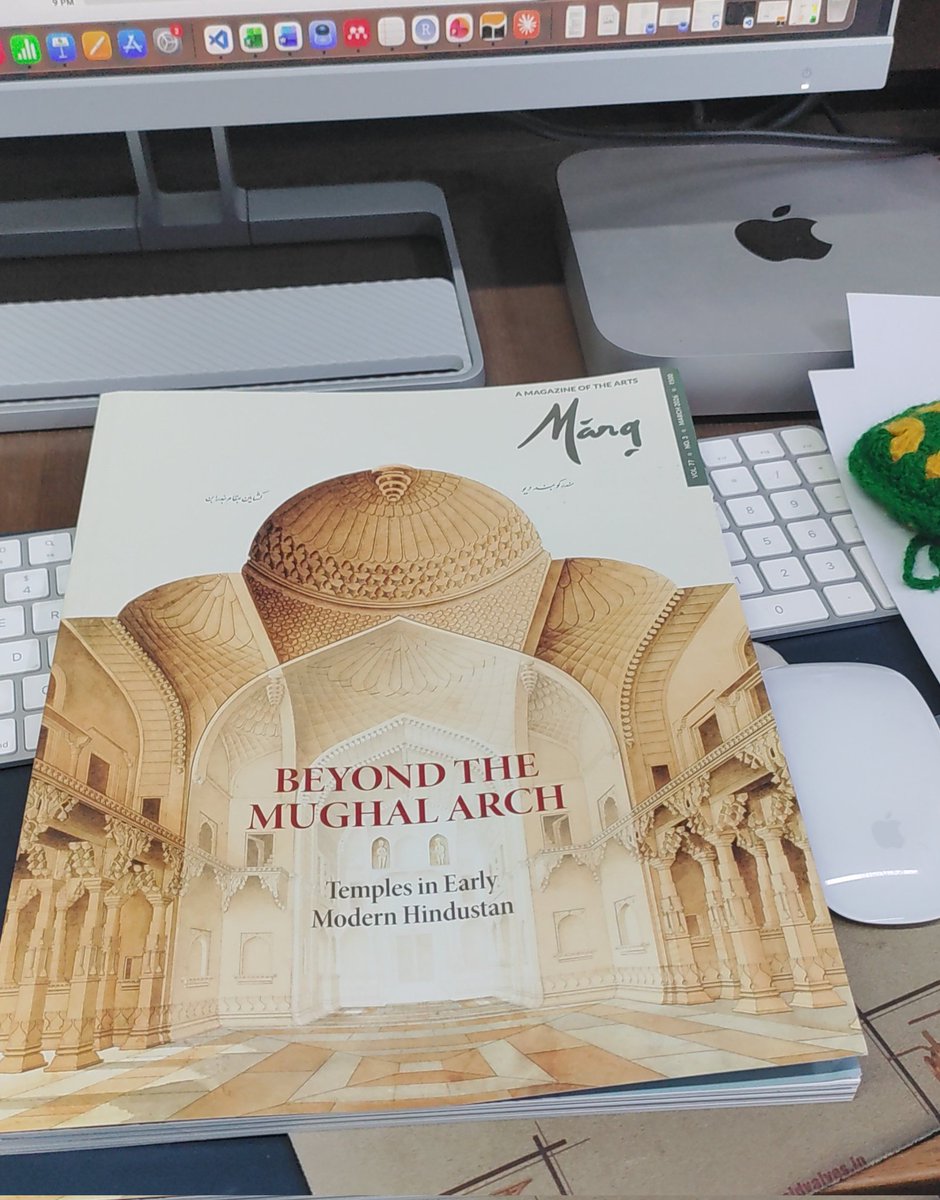
Generation of scholars have grown up studying post 12th century buildings within a curriculum of 'Indo-Islamic architecture' a nomenclature that privileges the islamic buildings of that period, leaving out, again and again its temples
This @_margfoundation vol fills above gap 4/N
Vol. 77- issue 3, guest edited by @SamDalrymple123
This issue explores 17th–19th century temples in North India, Mughal influences on design & patronage, imperial policies under Akbar to Aurangzeb, & much more. Rich scholarship on architecture, history & culture
@_margfoundation
Studies on temple architecture tend to stop at 13th century. Some universities may teach Vijayanagara and Nayaka temples of deccan but the popular misconception that grand temple architecture ended in north-central India in 12th century remains largely unchallenged in academia3/N
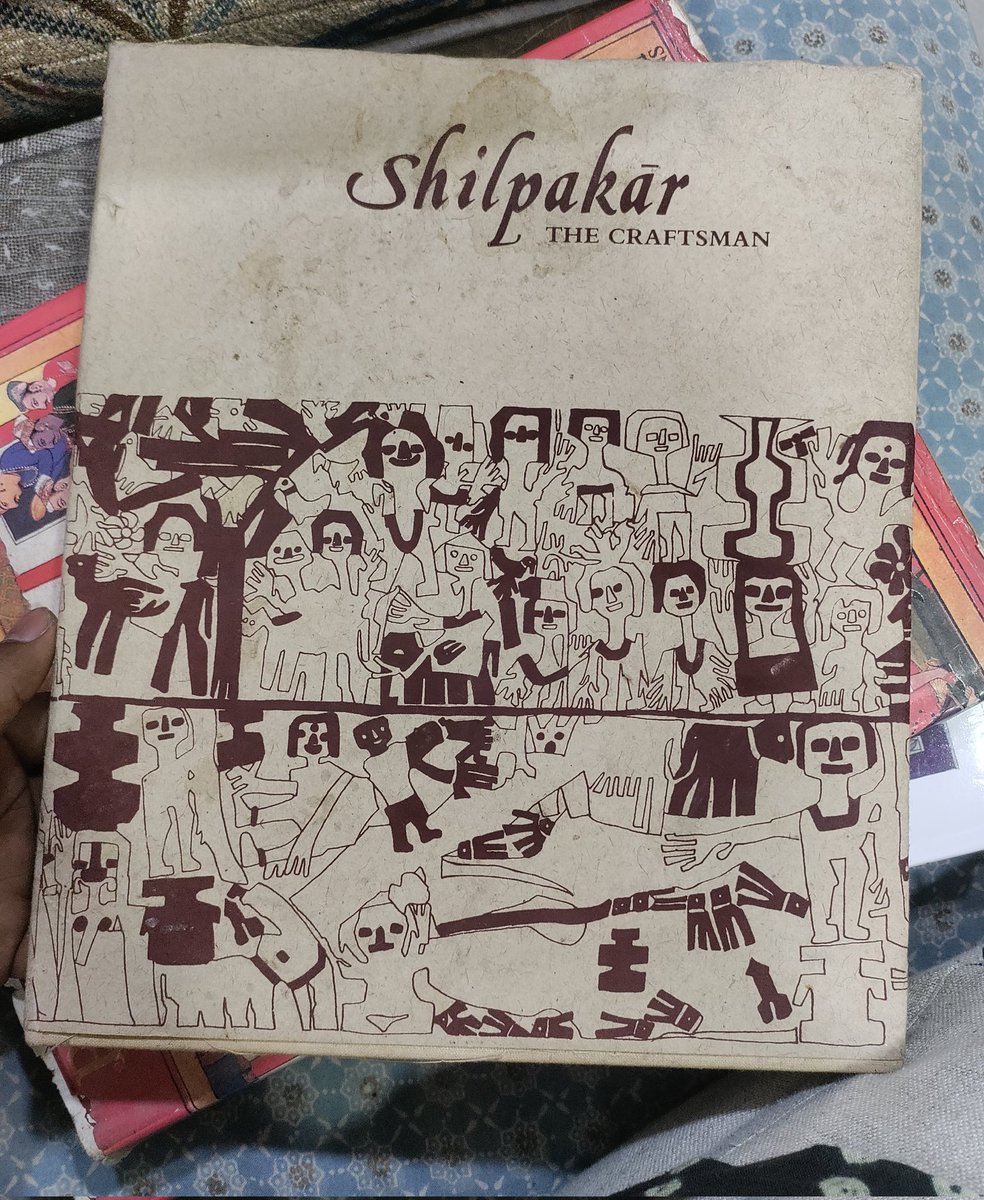
A collector’s delight- Shilpkar: The Craftsman, published for the 10th anniversary of the Crafts Council of Western India (CCWI)
What moved me to buy it:
1. Design by #DollySahiar
2. Essays by Jotindra Jain, Kamaladevi Chattopadhyay, Haku Shah, and more
#IndianCrafts#BookDesign
Most dyes for commercial use came in powder or Crystal form and were packed in tin boxes.
Pic1- Dye produced by ICI (Imperial Chemical Industry) which was dominant English provider to merchants based in Amritsar
Pic2- Dye produced in India-Black horse shows the colour of the dye
At one time, Britain clothed the world. This book charts the rise & fall of the Lancashire textile industry.
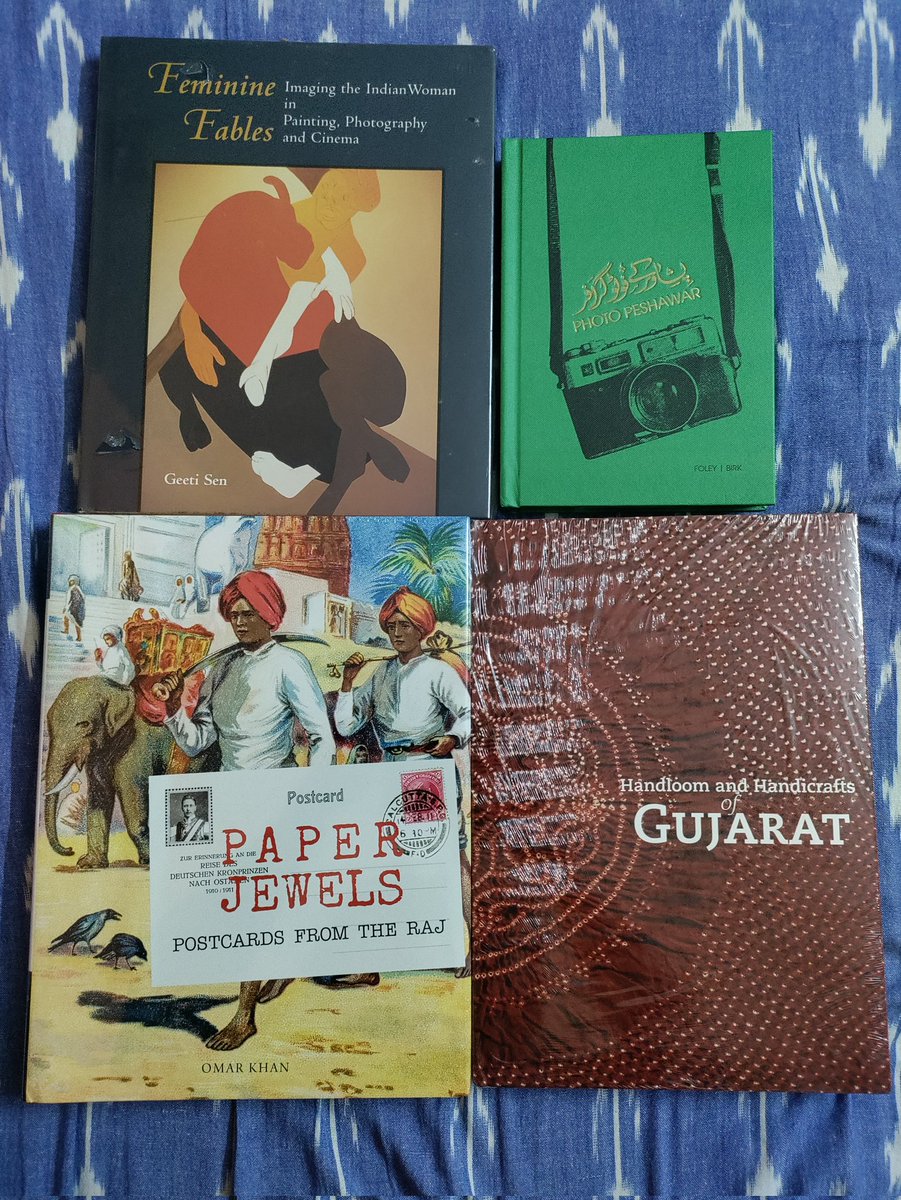
By Mixing history,culture, stunning visuals, this book uncovers British textile industry during Raj & how paper labels became the powerful trademarks of empire.
#trademark
Pic1- Handkerchief boxes were decorative and favored gift items during early 90s on both sides of Atlantic.
Pic2- In Embossed lebels (also pic1), the chromolithographed central figure were printed separately from the embossed lebels and then applied later.
#label#textilelable
@menavisualss Tattoos are also common in Indian Tribes. Ramnami tribe (pic1) puncture their skin to write the Hindu god name 'Ram' on their whole body to convert their body into a temple. Baiga tribe (pic2) make natural motifs on their body. Naga tribe (pic3) also have tattoos on their body.
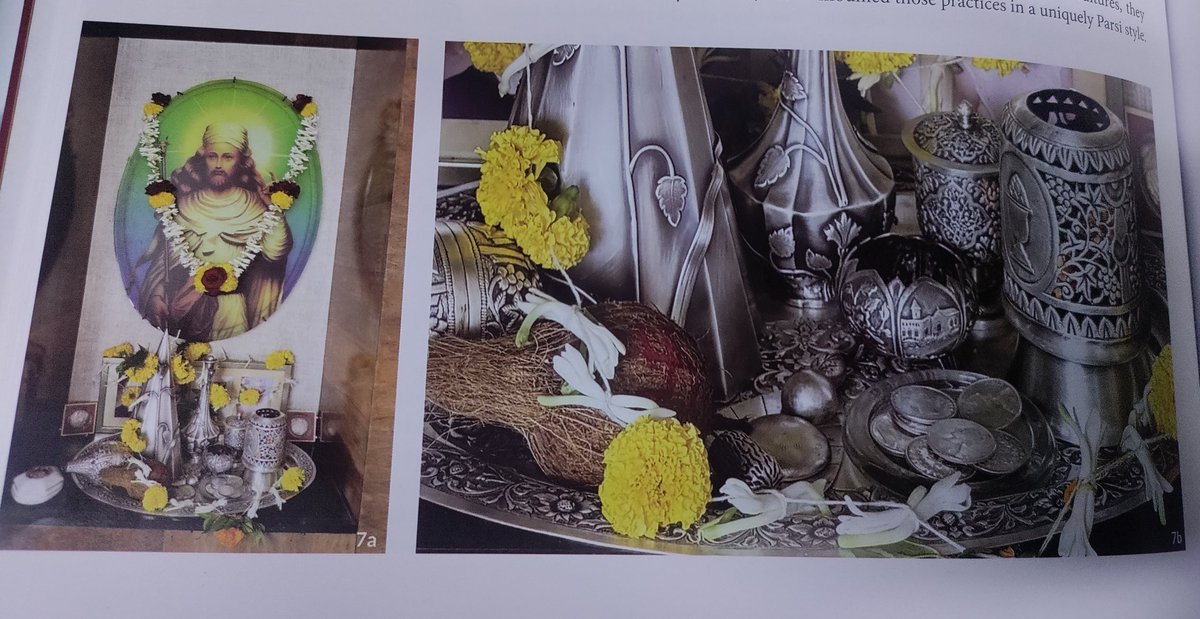
Like Hindus and Muslim, Parsis use coins for various rituals, such as gifting at weddings, laying a house's foundation, placing in the family prayer tray (ses) (P2), offering to water (P3), and initiating a priest(P3). Parsi coins often feature Zoroaster and a fire altar (P1) 4/N
This @_margfoundation volume examines how coins transcend their economic function to embody spiritual and cultural significance. The shiny token of wealth conjures a rich array of meanings linked to rituals, values and relationships we hold precious. 1/N
#Numismatics#coin
1. Ramatankas: depicting scenes from Ramayana
2. Akbartanka: Front- Kalima at the center and the names of four caliphs around it, back- Buraq mystic animal that took Muhammad pbuh to heaven.
3. Sikh devotional coin: depicting Guru Gobind singh. 3/N
#coins#Numismactics
Participants follow the same route and rest at the same spots where Gandhiji stopped during the Satyagraha. As they walk, more people join in, just like during the original march in 1930. The journey ends on April 6, when the marchers, like Gandhiji, pick up a pinch of salt.
Early in the morning I joined some Gandhians at @SabarmatiAshram to commemorate the anniversary of #DandiMarch.
Every year on March 12, Gandhians organize a march from Sabarmati Ashram to Dandi to remember the historic #DandiMarch, a key protest in India's freedom struggle.
Mulk Raj Anand with Le Corbusier, the architect of Chandigarh.
Anand was the person who suggested Corbusier's name to P.N. Thappar ICS Official of Punjab State for building a capital city for Punjab. He also helped Thappar to get in touch with Corbusier.
https://t.co/zoHm0bw5r3
Been following @_margfoundation since 2022, alwz pausing at the page b4 the content, I find the 'Founding & Editor: Mulk Raj Anand (1905-2004)'. Since then I hv been trying to read about this wonderful human being, an art historian (& many more now I know) & book is finally here.
A few days back I watched this play named 'Main pal do pal ka shayar hu' at Natrani theater, based on Sahir Ludhianvi shahab's life. What a wonderful performance by @DanHusain and team.
Having read Sahir and watched Dastangoi on him before, this experience is different.