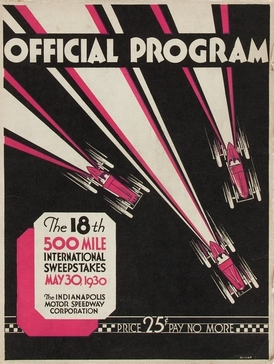
Happy Indianapolis 500 Day to all who celebrate from Dave's Car ID Service! Today we pay homage to Indy's "Junk Formula" Era of 1930-37.
Why celebrate a formula for junk? Let me give you some context. At its inception Indy featured some cars that were pretty much stock. In that first 1911 race, the 5th place finisher was a stripped-down but otherwise complete stock Marmon 32 passenger car that was street-driven to the track. It was in the realm of possibility for a regular upper-middle class Joe with cojones and a dream to participate.
That all changed quickly, especially after WW1. By then it was strictly a rich man's sport, dominated by very exotic and expensive specialized racing machines, primarily Millers and Duesenbergs. Rules demanded smaller and smaller engine displacement. Until 1922 cars were limited to 3 liters (183 cubic inches), then from 1923-25 2 liters (122 ci) and starting in 1926, 1.5 liters (91 ci). The reduction in displacement was to curb speeds in an age where death on the track was common, but also to spark innovation.
Those rules worked almost too well. Geniuses like Harry Miller and the Duesenberg brothers figured out ways to coax ever more power out of ever smaller engines: overhead cams, integrated head-engine block casting, arrays of carburetors, exotic superchargers.
Those cars, to me, are the Sistine Chapel of American car racing. But they were incredibly expensive, and you had to have one if you wanted to be competitive at Indy. This all but closed off the field to anyone who didn't have cubic buttloads of cash.
That was okay for a while. During the Roaring Twenties there were plenty of high-living Gatsbys who wanted to sink some mad money into the exciting glamorous world of big time auto racing.
But then came October 29, 1929.
The Black Tuesday stock market crash wiped out a good number of those Indy-curious Gatsbys, kicking off what would soon become the Great Depression.
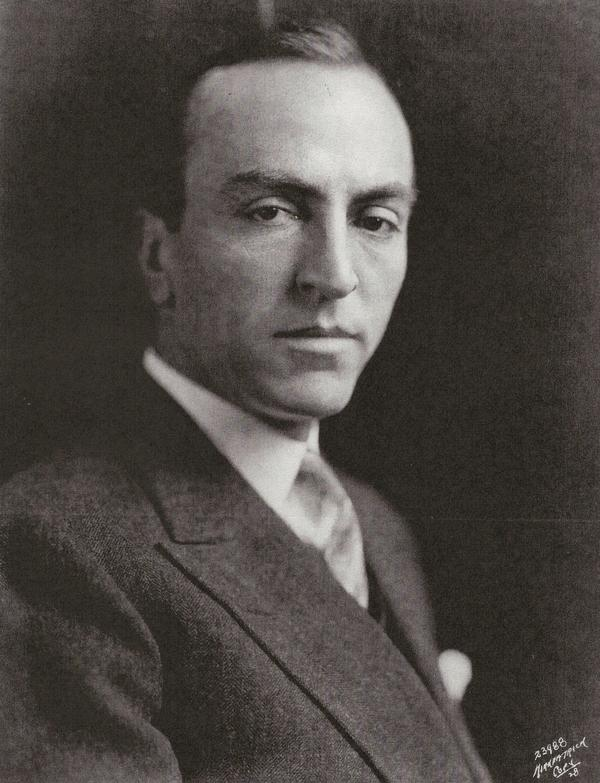
Enter Eddie Rickenbacker.
Best known as a World War I fighter ace, Rickenbacker was already famed as a successful racing driver for Duesenberg before the war. In 1927, the war hero had enough financial backing to buy Indianapolis Motor Speedway. Less then two years later he was faced with a grim reality: there were probably not going to be enough entries in the 1930 race to fill the 33-car grid. The economy's impact on ticket demand meant that the total prize purse for 1930 would be reduced from $98,000 to $54,000, and the winner's share from $50,000 to $18,000. Which made it even harder to attract entrants, etc. A vicious cycle that threatened to end the Indy 500 for good.
In response, Rickenbacker announced a new set of rules for 1930: displacement up to 6 liters (366 cubic inches) was allowed, supercharging was banned, there would be a return to Indy's mandatory ride-along mechanic rule 1911-22, and the field was expanded from 33 to 38.
This rule was derided by the high-dollar Miller and Duesenberg teams as the "Junk Formula," because it meant there'd be cars in the field with unsophisticated stock block engines. But that was sort of the point. It gave quasi-regular Joes and backyard mechanics a fighting chance to field a car at Indy, powered by a big modified Buick or Studebaker engine.
It didn't end the dominance of Miller & Duesenberg, who created their own bigass engines under the new rules, and no true "Junk Formula" car ever one. But helped keep Indy alive during 1930-37, amid the darkest days of the Great Depression.
No one should be surprised that the woman who wouldn’t answer or even look at her opponent during a televised debate would be ruthless and cold enough to rob millions of our vote.
She showed us who she is.
Sadly, too many people ignored it.
Vote NO.
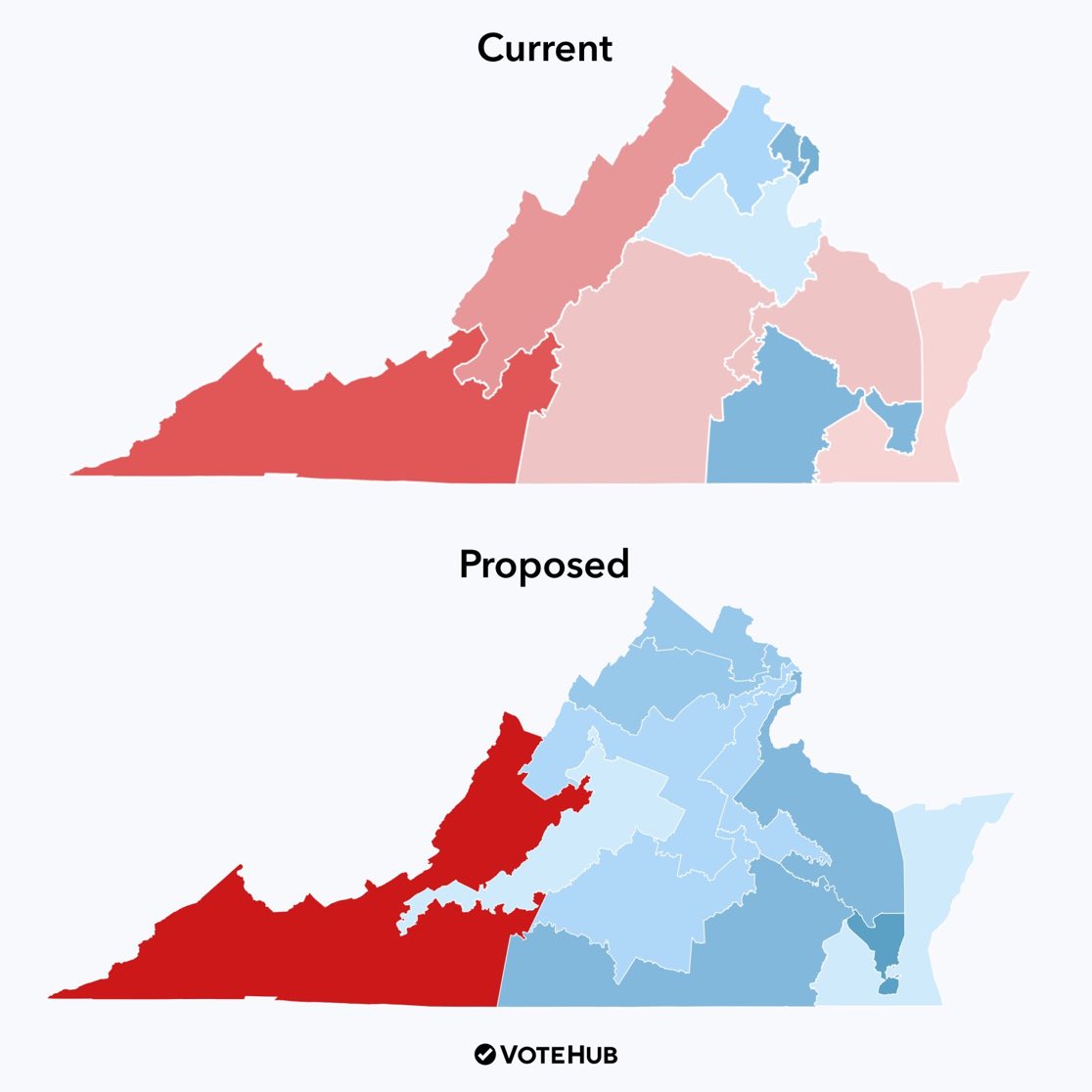
It’s honest to god fraudulent to pair this ballot language with the reality of this exceptionally partisan map. How can people be expected to understand what they’re voting on?
“Should the Constitution of Virginia be amended to allow the General Assembly to temporarily adopt new congressional districts to restore fairness in the upcoming elections, while ensuring Virginia's standard redistricting process resumes for all future redistricting after the 2030 census.”
Vote no. @VA_forFairMaps
“Hey, we’re going to haul in these two infamously shrewd, cunning, and slippery attorneys. We haven’t been able to get anything to stick even in 30+ years, so who should we send in this time?”
“Mace and Boebert.”
“Brilliant!”
Virginia, we have a problem — and it's going to take all of us to fix it.
This isn't a Republican issue or a Democratic issue. It's a Virginia issue.
Stand with us. Share this page. And mark April 21 on your calendar — because they're counting on you to stay home.
📷 https://t.co/8pMss1GUPN