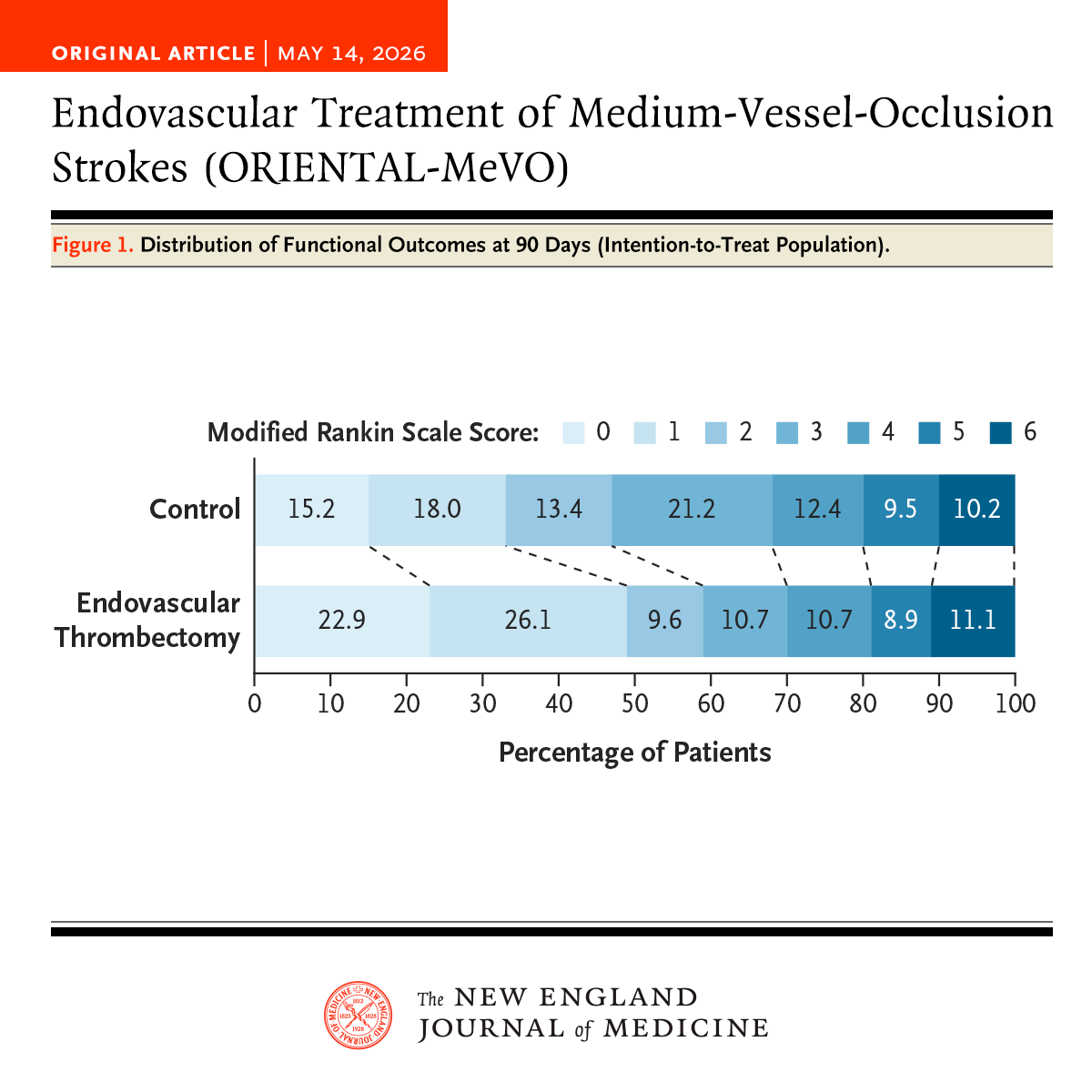
Among patients with stroke due to medium-vessel occlusion, thrombectomy led to functional independence at 90 days (in 58.6% of patients, vs. 46.6% with medical management) but also to a higher risk of intracranial hemorrhage. Full ORIENTAL-MeVO trial results: https://t.co/FvyLPQz4CV
Editorial: Endovascular Therapy for Medium-Vessel Occlusion Stroke — Narrowing the Target Population https://t.co/hnLi0DvzuF
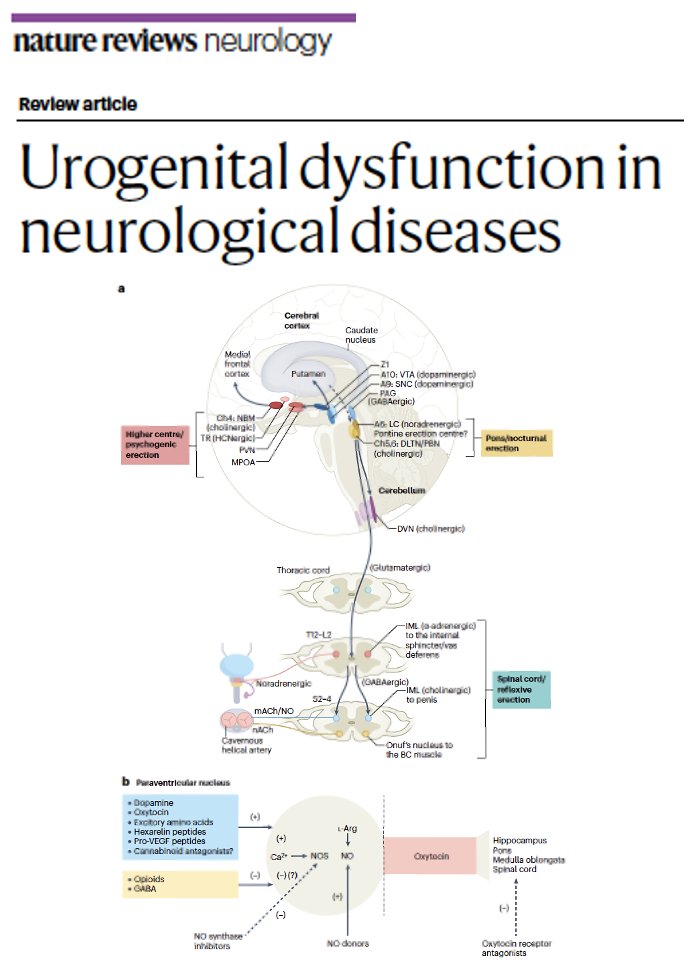
Bladder and sexual symptoms are frequently brain symptoms hiding in plain sight. The nervous system includes the brain, spinal cord and nerves that control how organs function, including urination and sexual response. Sakakibara and colleagues describe in a new paper in Nature Reviews Neurology how urogenital dysfunction is tightly linked to the brain and broader nervous system in neurological disease.
Key Points:
- The bladder and sexual organs are under both automatic and voluntary brain control, making them unique among body systems.
- Brain circuits involving the prefrontal cortex, basal ganglia and brainstem actively regulate storage and voiding, and disruption leads to symptoms like urgency or retention.
- Dopamine and other neurotransmitters that are central to disorders like Parkinson’s disease also directly influence bladder control and sexual function.
My take: We too frequently think about bladder and sexual dysfunction as local organ problems, however this paper reinforces they can be brain/nervous system network problems. If we miss this connection, we miss early diagnosis, better treatments and a chance to improve quality of life in a meaningful way.
Here are 5 points that resonated w/ me:
1- Bladder symptoms may be an early signal of brain disease and should trigger a neurological lens.
2- Sexual dysfunction is tightly linked to brain circuits for emotion, motivation and dopamine signaling.
3- Conditions like Parkinson’s disease, stroke and dementia frequently disrupt these networks leading to urogenital symptoms.
4- Treating the brain and not just the bladder or genital organs may lead to better outcomes for many folks.
5- Health care providers should routinely ask about these symptoms as they are common, underreported and highly treatable.
https://t.co/V5F9y4oK1w #parkinson @ParkinsonDotOrg
Congratulations to @StavTjoumakaris who just became the chair of the Neurosurgery Department @TJUHospital@TJUHNeurosurg , she has been a clinical and research trailblazer and I am confident that she will take the department to a different level! Congratulations very well deserved!
🚨Kickstart your neurosurgery career🚨
Apply to our Pre-Residency Neurosurgery Fellowship at UTHouston.
🗓️ Start Date: July 1, 2026
📚 Gain hands-on experience in tumors, trauma, spine & more!
📩 Apply now: [email protected]@jacquesmorcosmd@UTHNeuro@CNSResidents
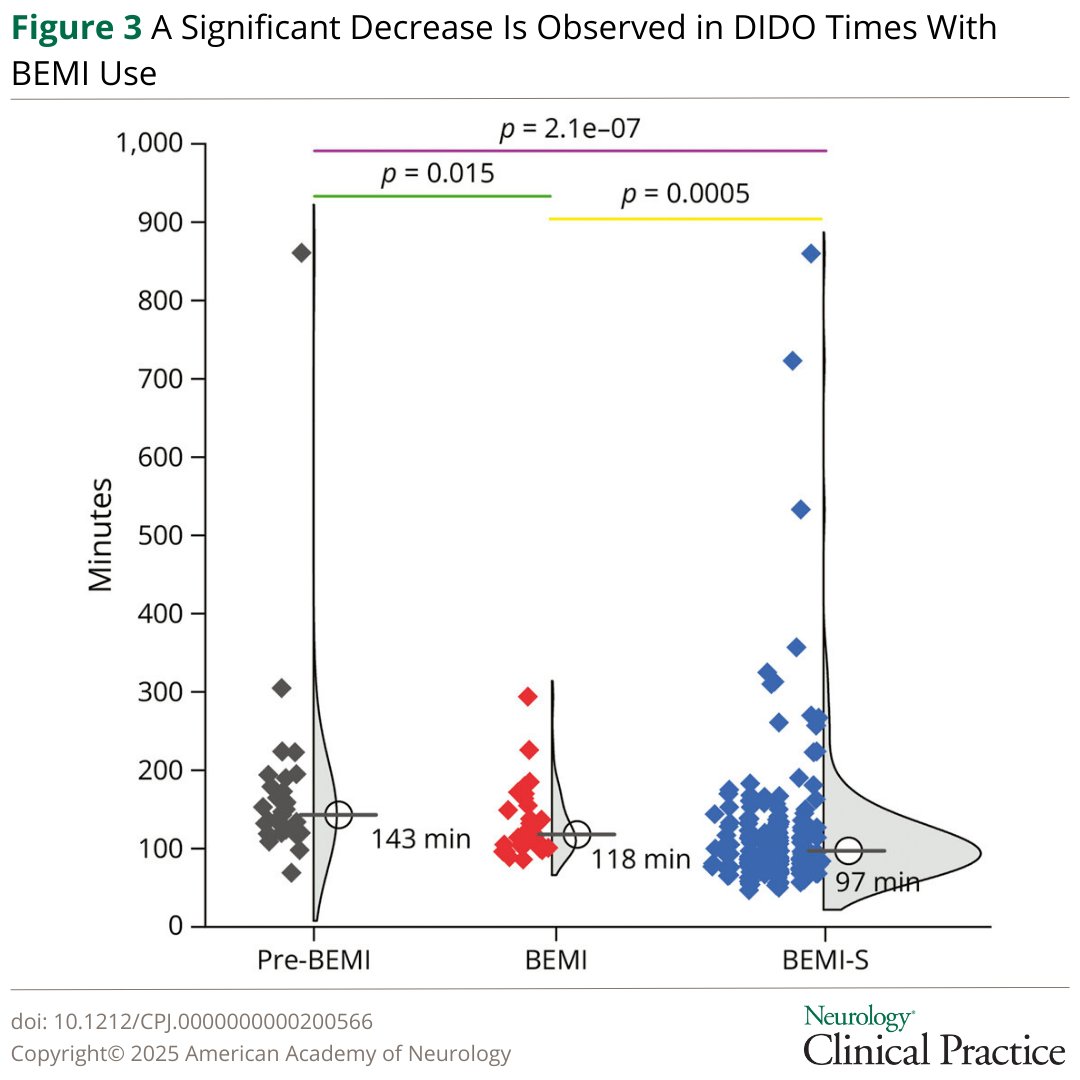
The Brain Emergency Management Initiative (BEMI) protocol significantly improved transfer times and treatment times in a #stroke network in San Diego, CA: https://t.co/hPCyfOIq75
Multiple methods of bypassing or manipulating the #BloodBrainBarrier have been explored. This article reviews these #techniques, current ongoing clinical trials to disrupt or bypass the BBB in #gliomas, and the results of completed trials.
Read more here: https://t.co/sUqzisZtL9
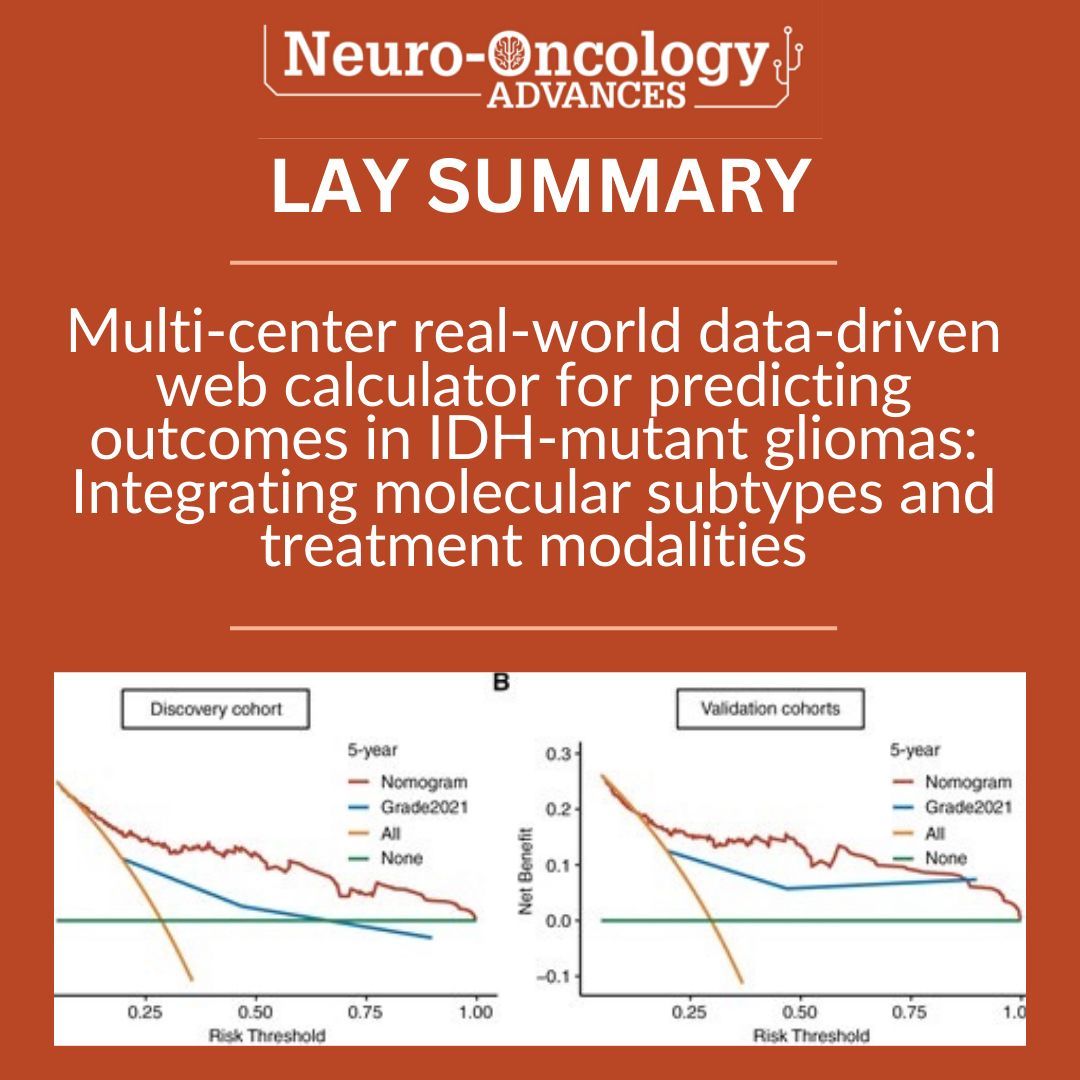
This study, featured in our latest issue, showed that specific features and genetic markers of #IDHMutant#gliomas were linked to less successful #tumor removal.
Using this data, the authors of the study developed an online calculator for clinical use.
https://t.co/y5GQd2O2pE
Our JNIS paper on pre-op IMA embolization for TMJ replacement surgery is out! 👀 Watch this video overview or click the link below for full text 📚
A big thank you to the senior author Dr. Rabinov, MGH OMFS team, and our NSGY/NIR co‑authors for their invaluable contributions!
The more you learn, the more you realize: 1) yes, one figure can take a whole day to finish. 2) More complex analyses require a LONG supplementary data file. 3) You're going to have X^n number of drafts...LABEL THEM correctly!
MicroRNAs – the focus of today's #NobelPrize – are just one of several flavours of RNA now being harnessed in therapies, as a former Nobel winner, Thomas Cech, explains in his book The Catalyst https://t.co/Z8YN9EsVzn
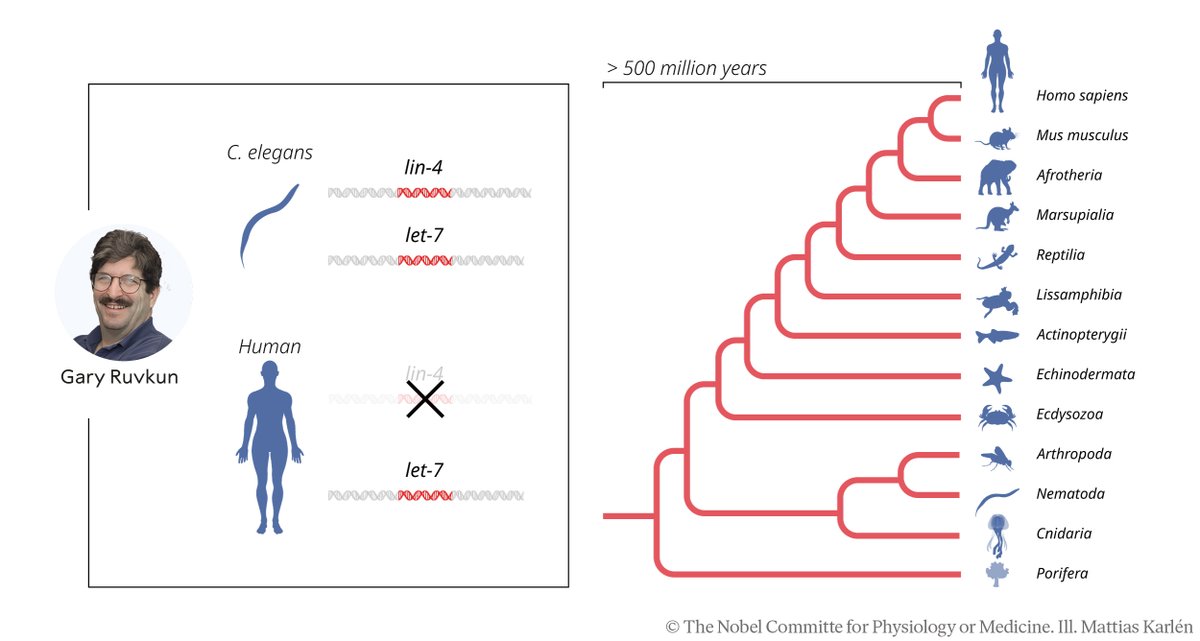
MicroRNA genes have evolved and expanded within the genomes of multicellular organisms for over 500 million years.
Today, we know that there are more than a thousand genes for different microRNAs in humans, and that gene regulation by microRNA – discovered by this year’s medicine laureates – is universal among multicellular organisms.
#NobelPrize