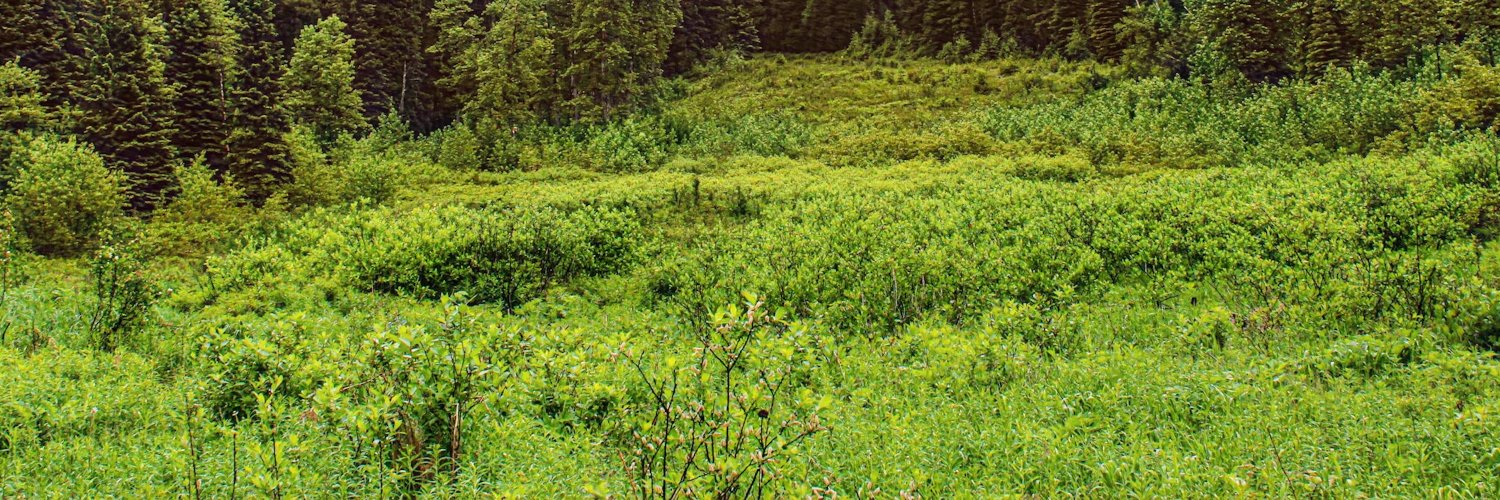
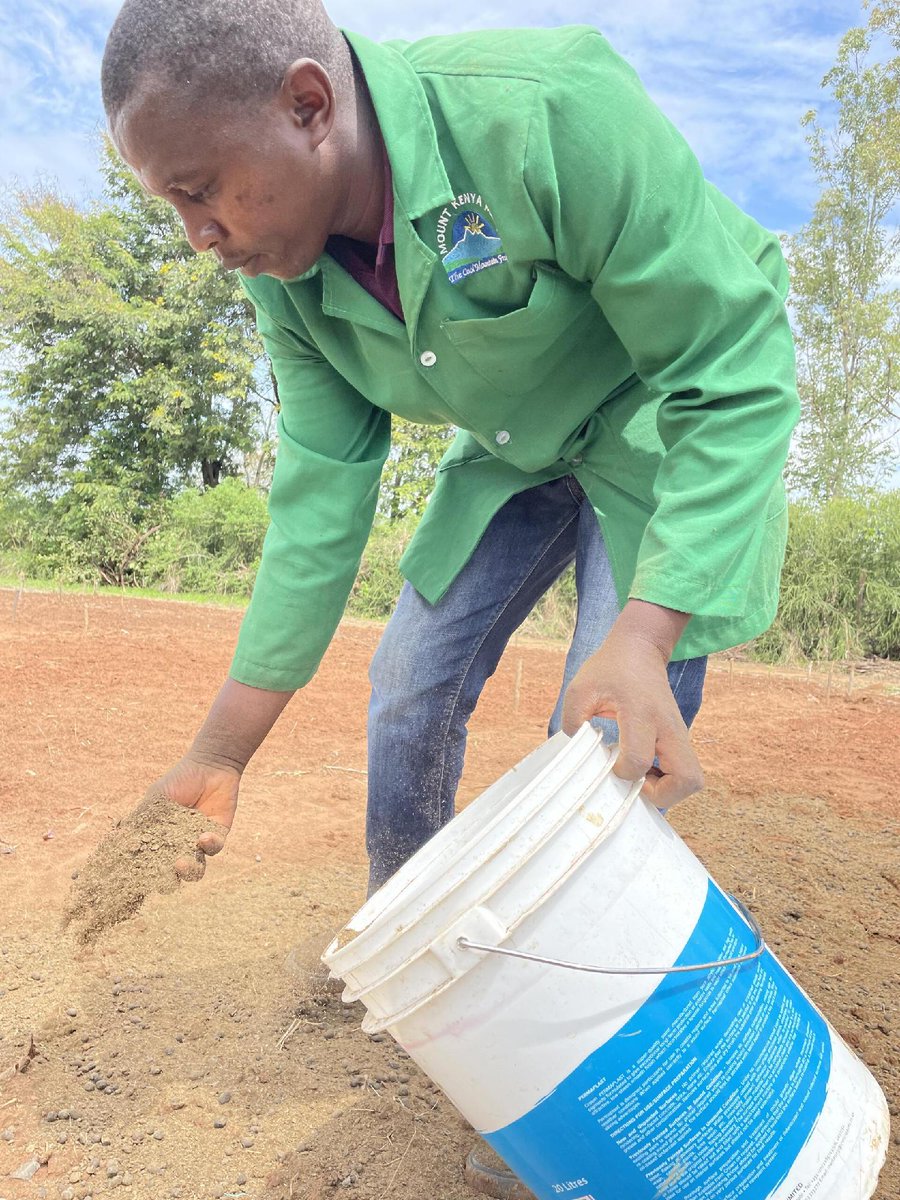
When agrifood systems are sustainable, they do much more than feed the world.
@FAO & @theGEF have partnered with over 140 countries to make this a reality by financing agrifood systems solutions for climate, biodiversity, land, water, oceans, forests & more.
#GEFassembly2026
Transit frequency and supply is 101 for successful bus transport.
3/5 Delhi Transport Corporation (DTC) buses in frame are electric. The number of E-buses in Delhi has already exceeded 4,500, with a target to reach 7,000 by the end of 2026
#WorldEnvironmentDay
Does The Future of Climate Resilience Lie Beneath Our Feet?
Delighted to have joined with @SCMGardner@UNEP for this joint Op-Ed @TIME for #WorldEnvironmentDay
For far too long, humanity has treated soil like dirt: an inert and seemingly inexhaustible resource to be relentlessly plowed, sprayed, or paved over
What is often overlooked is that soil is humanity’s lifeline
@CIWF_Global
https://t.co/fSXeHVYYvr
@naturenomics@GajrajCorps_IA Loving this native sapling push! 🌿 13 lakh+ strong and building real resilience. Native restoration is what I live for! 🌱🌍
Climate change is no longer a distant warning. It is already affecting food, water, and health systems. What was predicted is now reality. — Mary Robinson #FoodSafetyForAll#ClimateActionNow
In 2010, Andernach, Germany planted 101 varieties of tomatoes in the town center and told everyone to take whatever they wanted.
It was so popular that they did it again, adding beans the next year. Over time, they added onions, fruit trees, lettuce, zucchini, berries, and herbs, all free to the public and maintained by the city.
Andernach is now nicknamed the "edible city." And they're not alone.
Philadelphia has been doing a version of this since 2007. The Philadelphia Orchard Project has helped establish 67 sites across the city with thousands of food-bearing trees.
Baltimore is planting fruit trees on sidewalks. Seattle, Boston, San Francisco, and Asheville all have public urban orchards.
A mature apple tree produces 400-500 pounds of fruit per year. A mature pear tree can produce for 75 years.
Cities pride themselves on their tree cover. We've decided that trees are important, but we haven't fully decided those trees should feed people yet.
Would you support urban fruit trees and vegetables in your city?
In São Tomé, 60% of people rely on two coastal roads to reach jobs, markets & essential services.
Flooding threatens those livelihoods—but nature‑based solutions are helping keep roads open & livelihoods protected.
https://t.co/B2kMoBYtul #WorldEnvironmentDay
Important to note that the just published 'Global Justice Report', which 'sets out a vision for planetary survival and provides an alternative to climate breakdown, political extremism and economic tensions, concludes that "the share of nuclear power in electricity generation falls by around one third by 2050, given well-documented concerns around safety and waste disposal, with the difference compensated for by a faster expansion of renewable sources, in line with the observed accelerated decline in renewables costs."
https://t.co/2K83EG0fFb
Watch our Pole Sprinkler Irrigation system in action 💧🌱
✅ Uniform and gentle spray
✅ Wide coverage for more area
✅ Water-saving and labor-saving
✅ Easy installation and reliable performance
Countries are turning climate ambition into action.
If you’re in Bonn for #SB64, join our flagship event to hear how @UNDP and @UN partners will support countries through Climate Promise: Forward.
🗓 8 June, 2 – 3pm CEST
More info: https://t.co/qEpwiXEYDy
Most butterfly gardens are built to feed butterflies. The good ones are designed to make more butterflies.
A yard full of nectar flowers is a snack bar for the adults, and that's a fine thing to offer. But flowers alone make a rest stop, not a home. A few other pieces turn it into the real thing.
The big one is host plants. Caterpillars don't drink nectar, and most won't eat just any leaf. Monarch caterpillars need milkweed; black swallowtails want dill, parsley, or fennel. Without the specific plant a species lays its eggs on, your garden raises no butterflies of its own.
Then the small stuff. A flat rock or two in full sun gives them somewhere to bask, since a butterfly can't fly until the sun has warmed its wings. A shallow dish of wet sand lets them "puddle," pulling up the salts and minerals nectar doesn't provide. A wind-sheltered corner, with a few stems and leaves left standing through winter, gives them places to rest and overwinter.
And no spray, not even the organic kind, since most of it kills caterpillars just as readily as the pests.
This is how your butterfly garden stops being a place they pass through and starts being a place they come from.
@MazzucatoM@howtoacademy@MatthewdAncona@smitf_london Loving this new compass! 🌱 Designing economics for the common good could drive real investment in renewables and resilient food supply chains. Innovation with purpose! 🌍🌾
The fight for a data center moratorium has real momentum, so let's get involved and keep building power! Next Thursday, we're joining an amazing coalition of climate organizations to stop this exploitative industry at every level. See you there! https://t.co/NAvC6v7GYF