I turned one of my favorite childhood toys into a game 🫧
Meet Bubloop—a little water ring toss game. Pump, aim, and hope the rings land where you want. Just like old times.
Play here: https://t.co/8V6xczmsqm
introducing ns vision — a visionos-like window manager built with nanoscript.
manage your apps in a virtual 3d space.
#VisionOS#nanoscript#VirtualReality
I’ve been working on a lunar landing simulation game called Mission: Moon 🌑
Land on the Moon, explore the surface, gather resources, and gradually build your own lunar base.
#nanoscript#indiedevs#gamedev
Just reimplemented my TypeScript/WebGPU game in NanoScript.
It’s got a built-in shader transpiler, runs way smoother on native Metal, and the coolest part? Global illumination.
With NanoScript’s WASM backend, you can build WebAssembly-based web apps directly in NanoScript—and set breakpoints to debug them.
No Emscripten. No Clang/LLVM backend.
Just a clean pipeline:
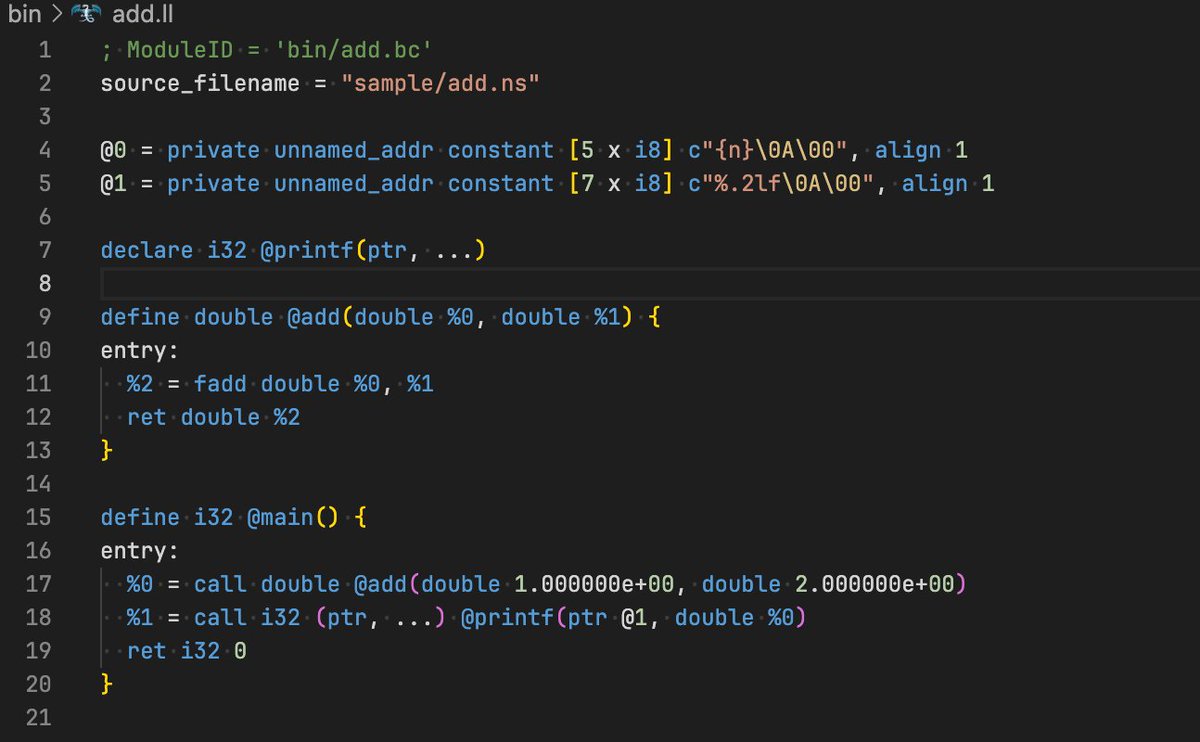
NanoScript → NSIR → WASM machine code
With the built-in shader transpiler, you can now write shader functions directly in NanoScript—bringing CPU and GPU code into one language for a more homogeneous programming experience.
See the new short example in sample/ns/transpile.ns.
nanoscript update:
1. ns projects now support both interpreted mode and compiled builds.
2. this update also adds a built-in ImGui library, plus native window management APIs for building desktop tools and apps more easily.
https://t.co/XyKww5RWPU
Hey everyone! I’ve been working on a WebGPU-powered voxel simulation game where you can absorb spray voxels and craft things. It’s been a really fun project to build, and I’d love for you to try it out—feel free to jump in and play!
nanoscript update:
1. ns is now opensourced.
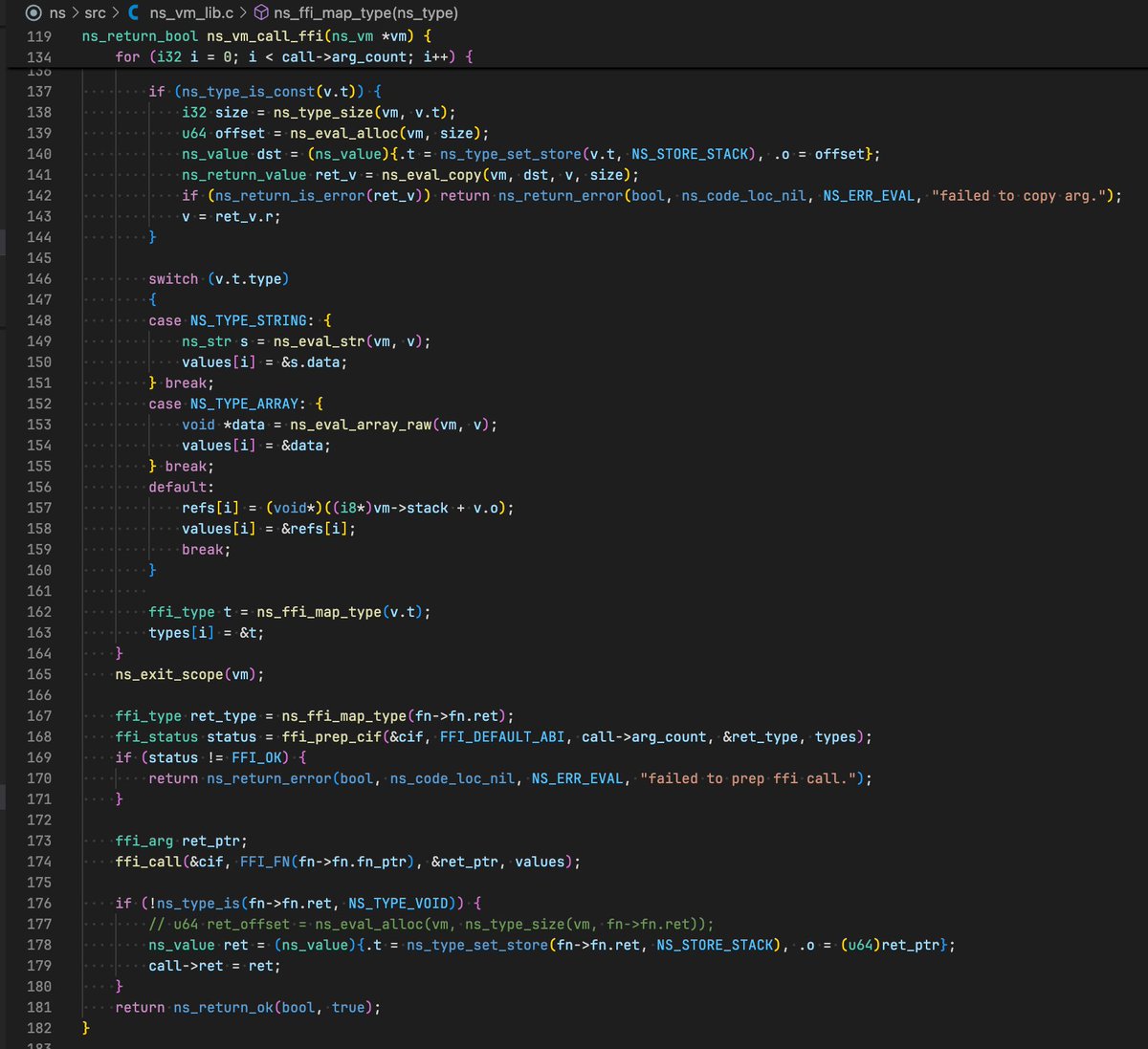
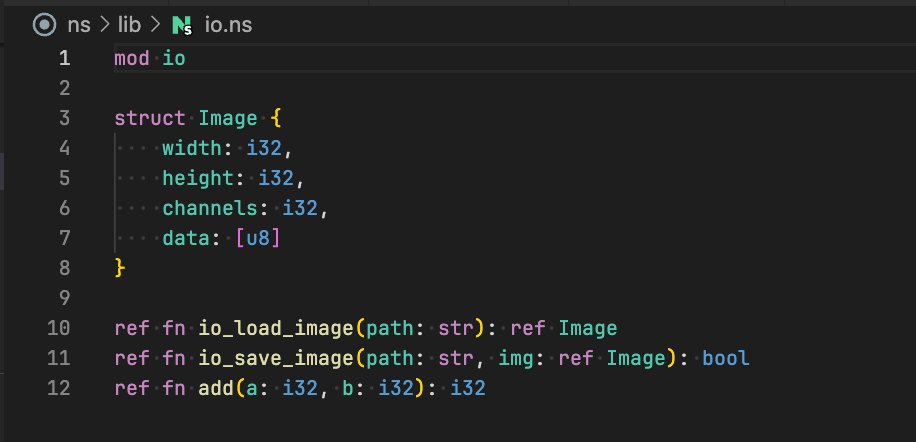
2. add mod and ref fn to interaction with external libraries.
3. add ns_debug, support set breakpoint, load & run, and runtime evaluation for easier debugging and testing.