Join us at our next BMS Talk on 25 July when Fay Newbery @FayrnHawk, plant pathologist @The_RHS, will talk about lichenicolous fungi. BMS Talks are online & free to attend. Book your place:
https://t.co/4qXVx2k1Gi
#mycology#fungi#lichen
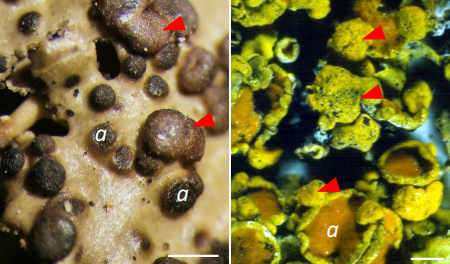
To aid the search for this very recognisable lichen, and for the lichenicolous fungus that lives on it, two descriptions have been written. Download copies at https://t.co/vfHHjAVzk8 and https://t.co/tiBzZnCnCv @BLSlichens@aprilwindle
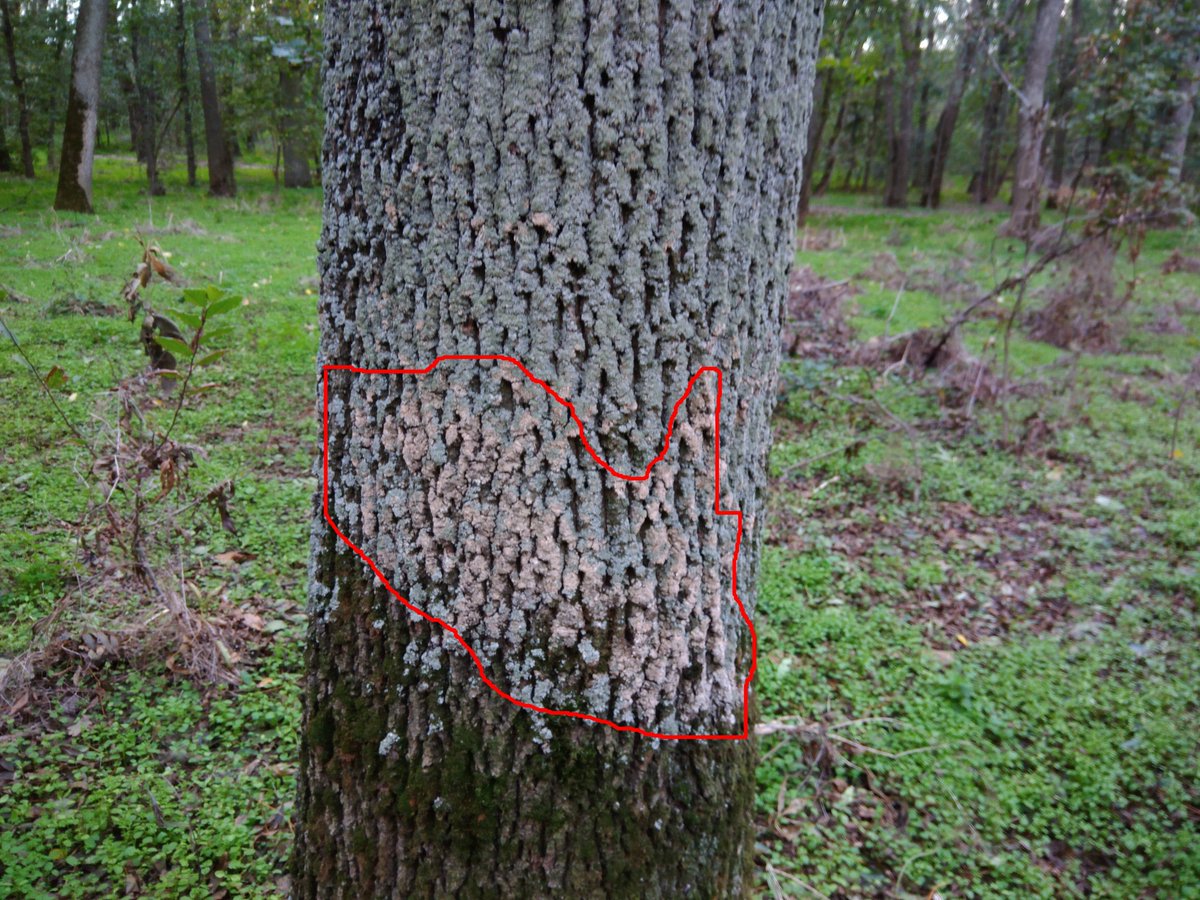
A few days ago we have a nice field trip to old parks in Southern Ukraine. Autumn is a great time to find new and interesting lichenicolous fungi.I was amazed that one of these species infected a very large area of lichen cover. It was Trichothecium roseum on Physconia grisea.
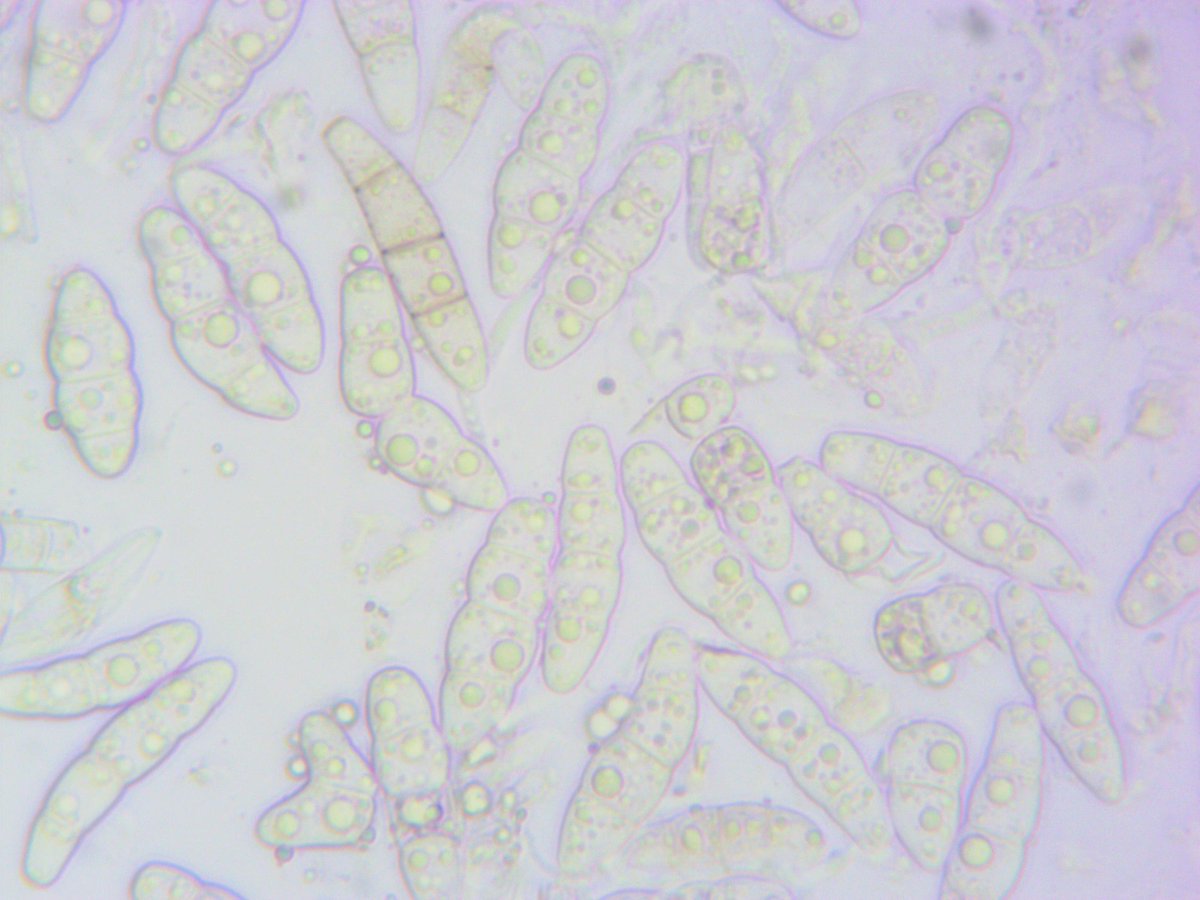
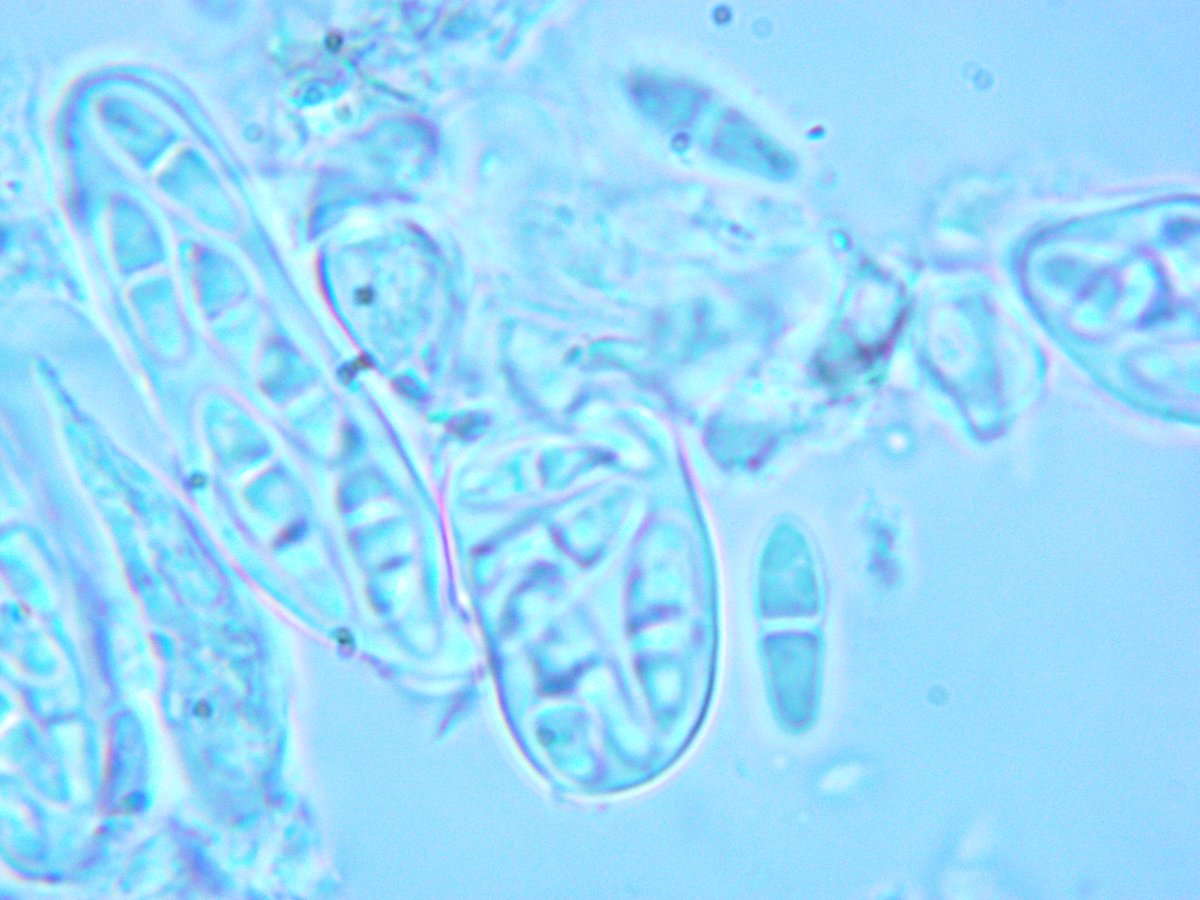
@obfuscans3 Yes, I agree. In case Sphaerelothecium its really hard find mature ascomata. we researched many samples to make sure this is exactly S. aculeate. Here is asci of this species.
After a long break in field research, it is very nice to spend hours looking for lichenicolous fungi in nature. Especially interesting was finding in granite outcrops of Southern Bug River.
Unexpectedly, we find Sphaerellothecium aculeatae on Cetraria aculeata.
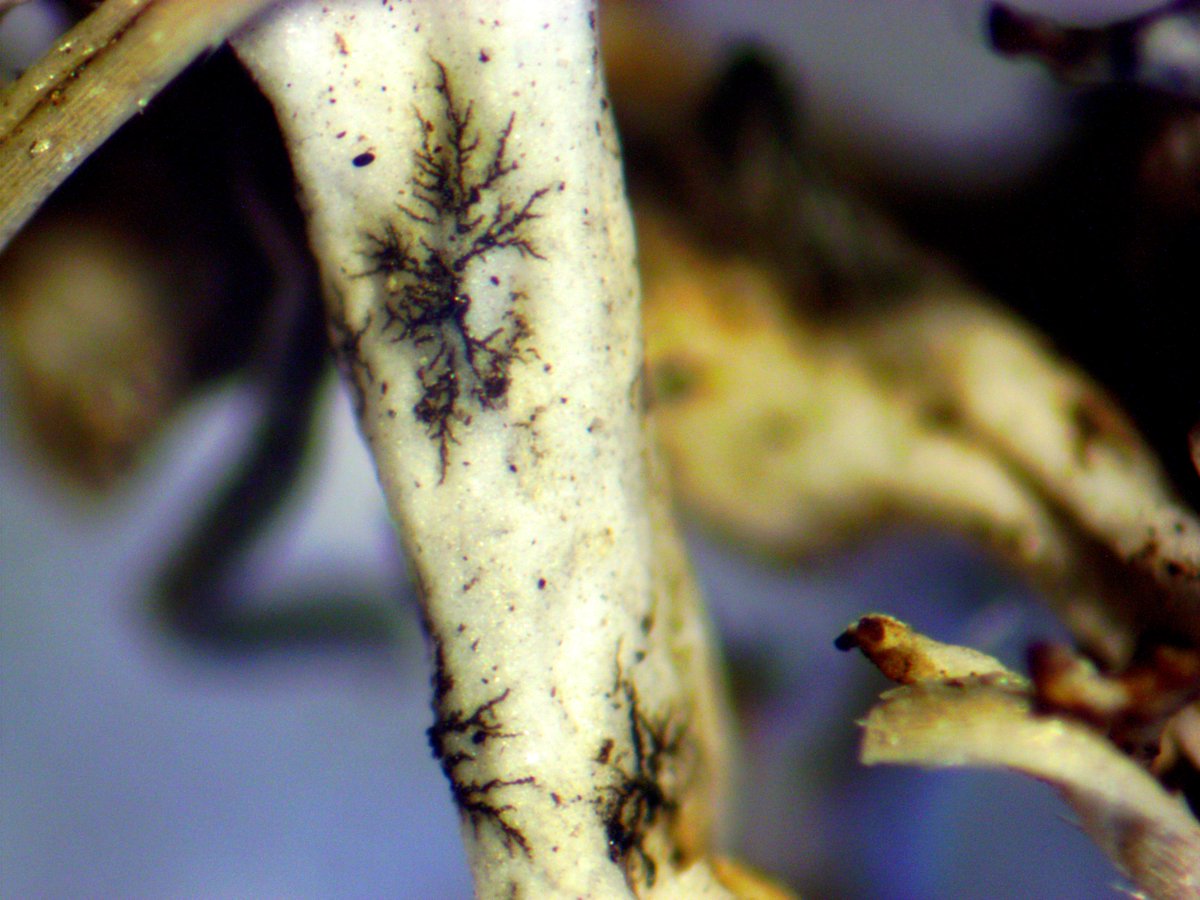
Having spent many days in the New Forest this last year looking for this rare little (0.1mm) lichen parasite, I go and find it attached to a tiny Cladonia podetium (1cm tall) on an old herbarium specimen of Trapeliopsis flexuosa in my collection. Such is life?
Some lichens grow so intimately it can be difficult to tell them apart especially on older specimens. Take Placidium squamulosum for example, which can get pretty loved up with Toninia sedifolia on coastal soils.After a bum steer it took a while to to nail this lichen fungus.
Trawling through some old lichen specimens of Acarospora fuscata from an expedition to Mingulay, Outer Hebrides in 1981, I came across swarms of pseudothecia on Rhizocarpon geographicum...after a quick microscope squash this was what I found:
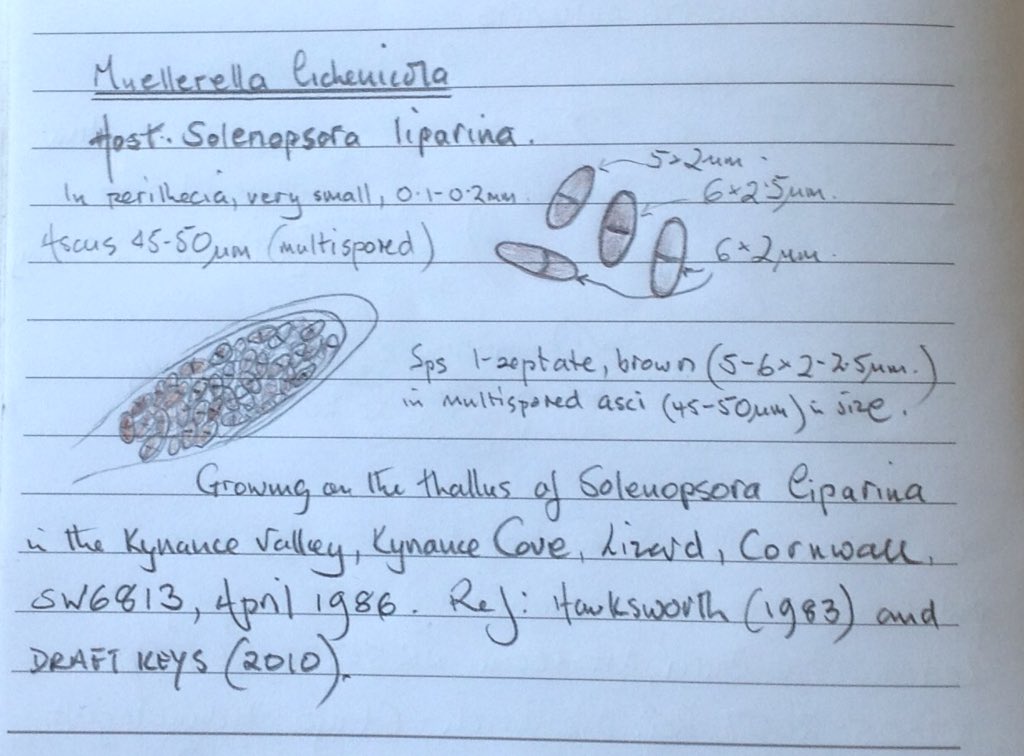
Here's an example of a common lichen fungus growing on a very rare lichen. Solenopsora liparina homesteads on a handful of outcrops deep in Cornwall's Kynance Valley. The specimen is now 34 years old. Today I noticed some little perithecia...this is what I found:
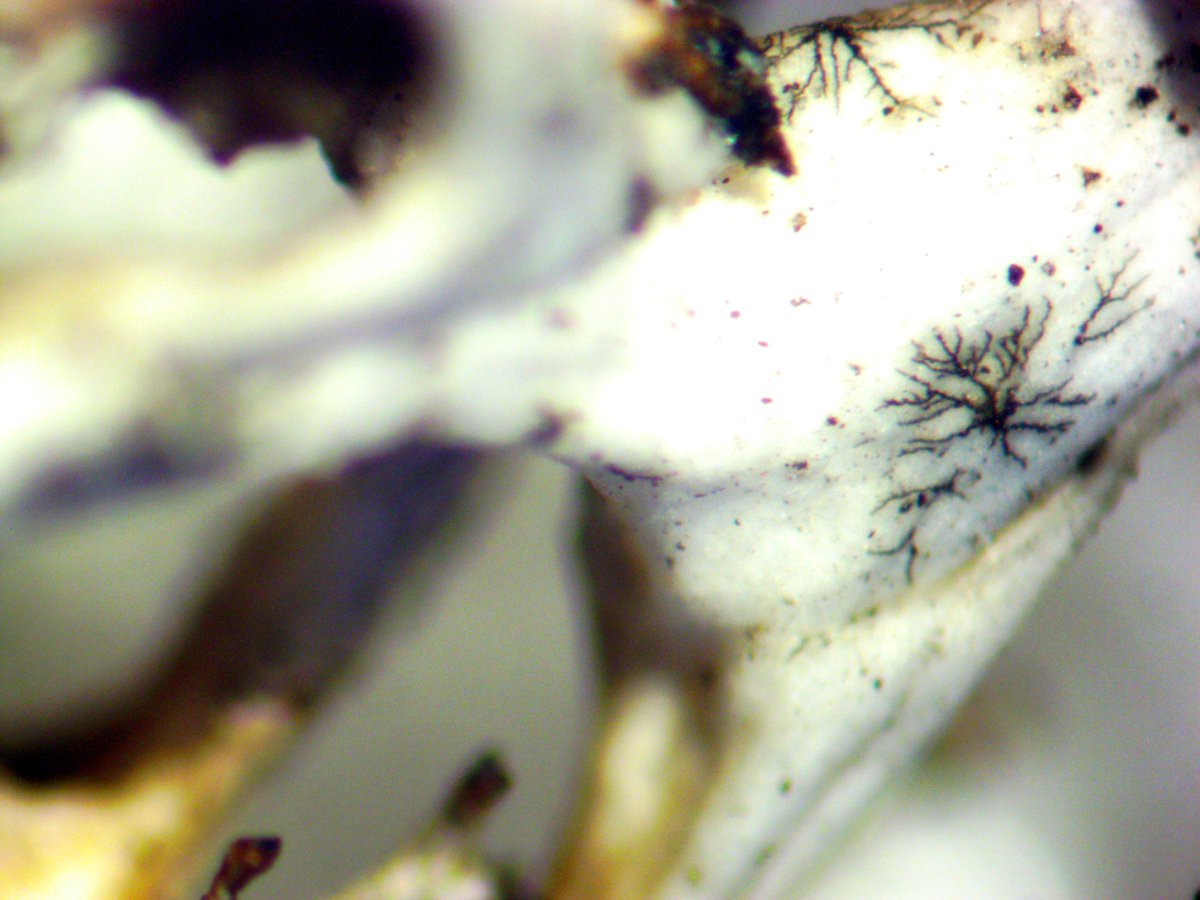
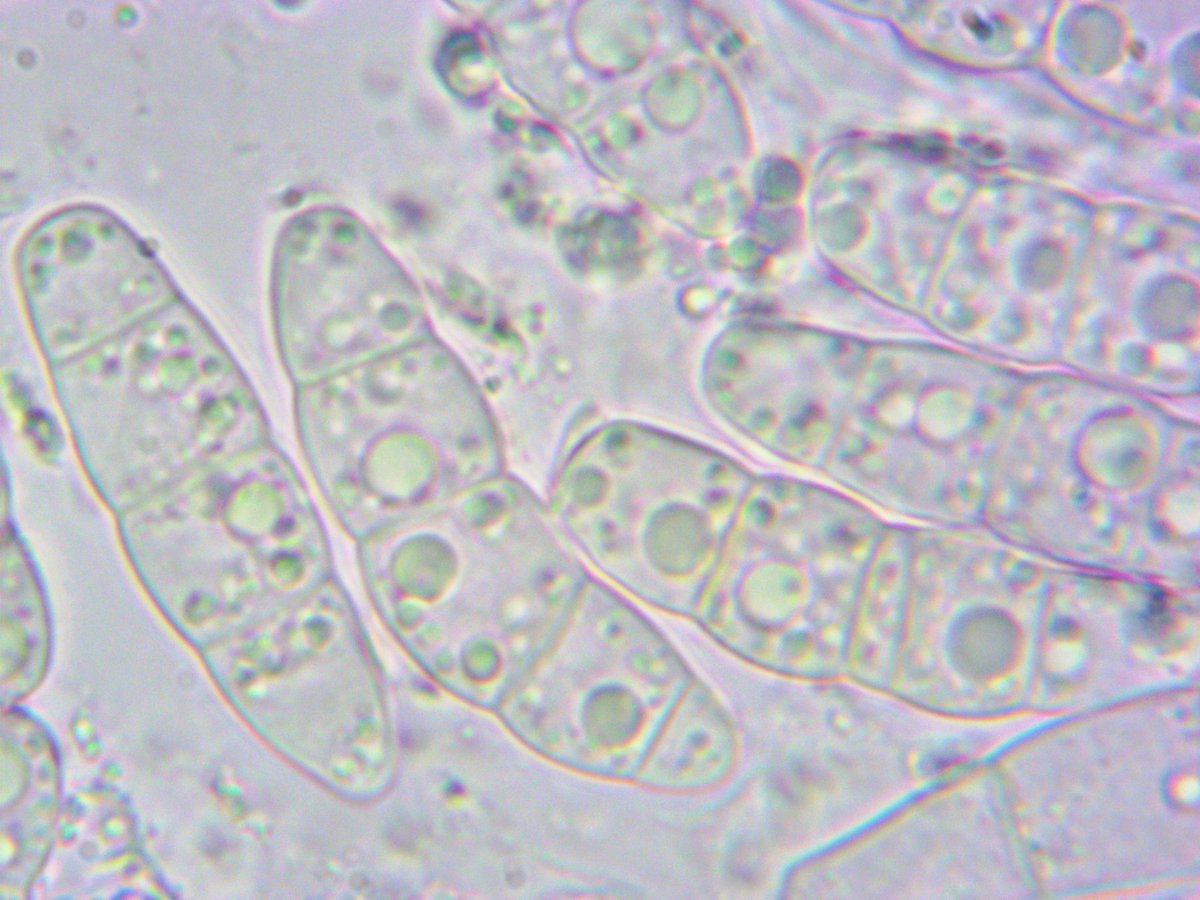
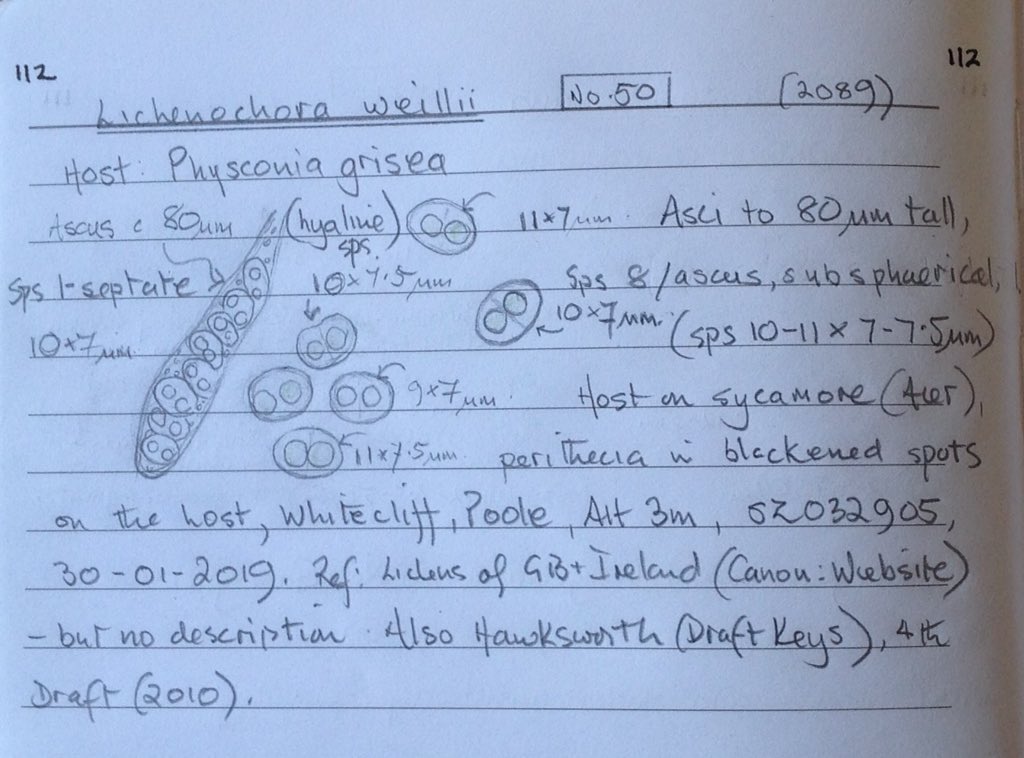
A fairly conspicuous member of Xanthorion clad trees (especially sycamore), is the grey-brown lichen Physconia grisea. Localised discolouration of the lobes should be examined carefully for the lichen fungus Lichenochora weillii which has been barely recorded in England.