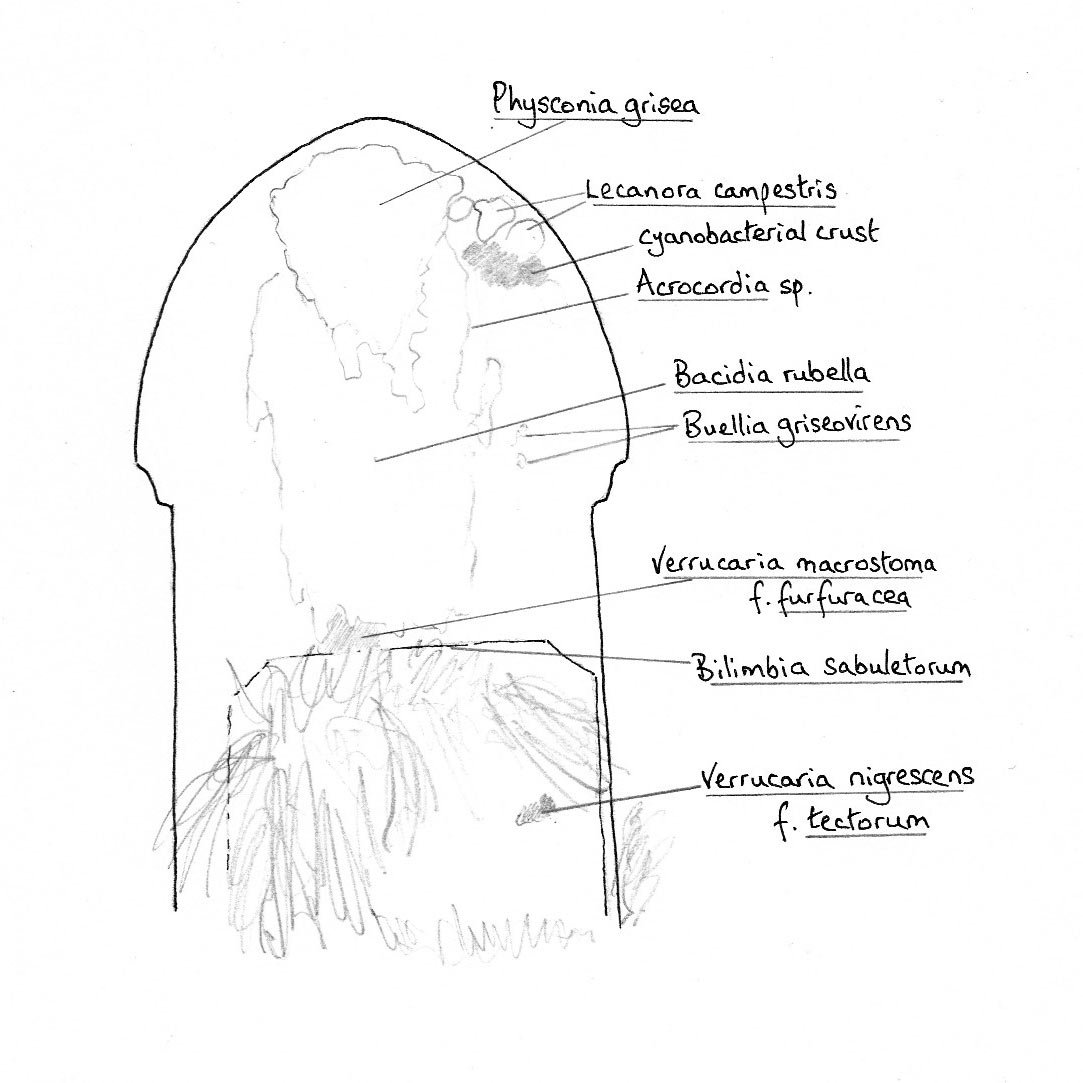
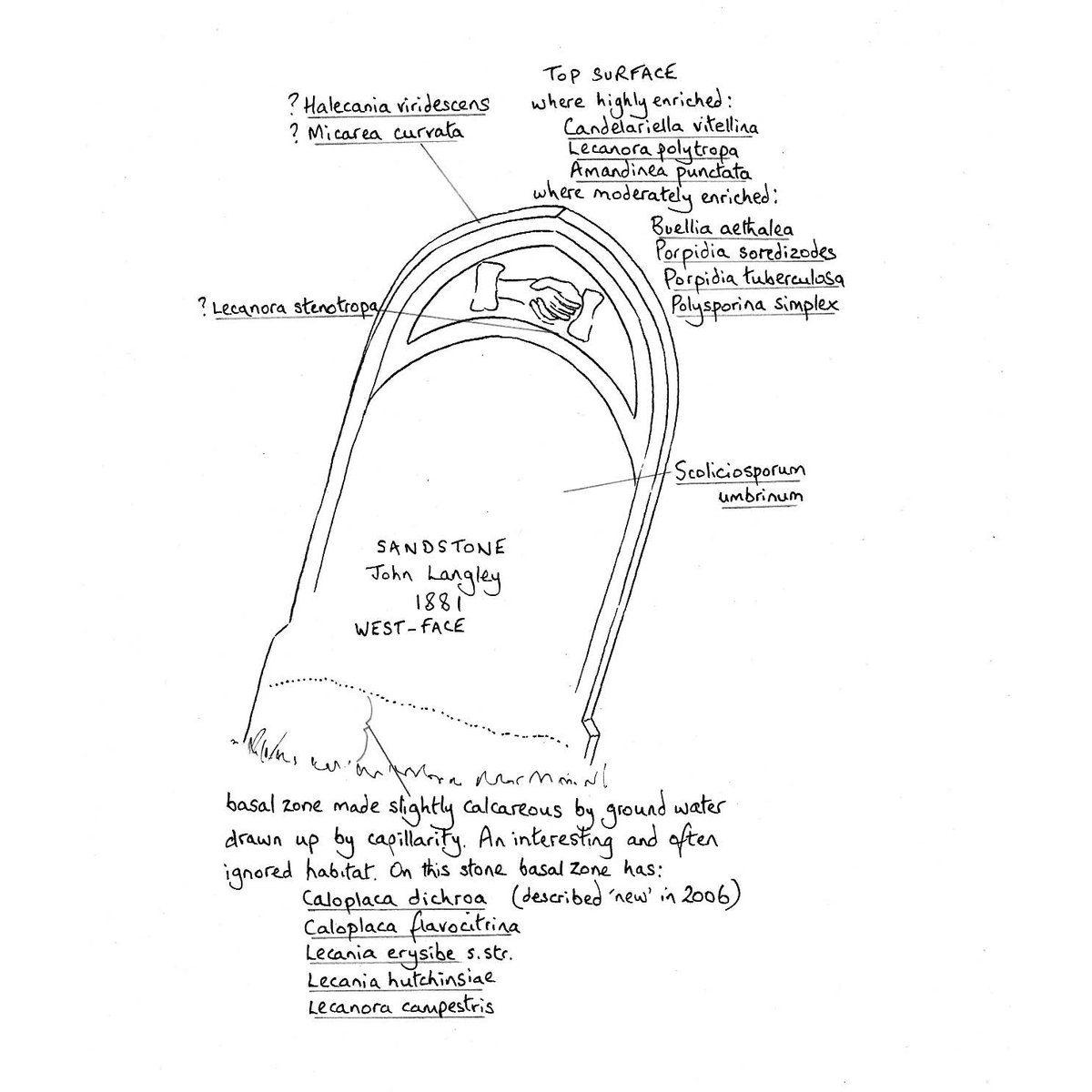
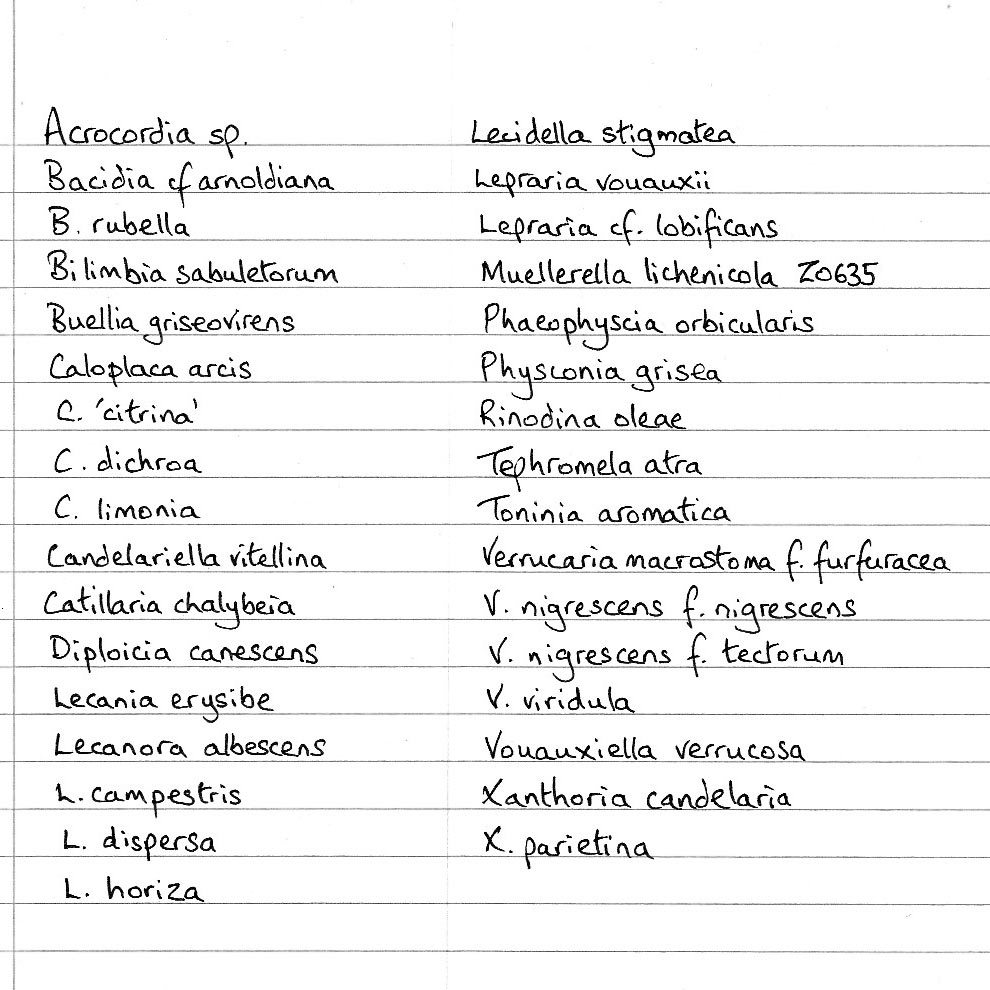
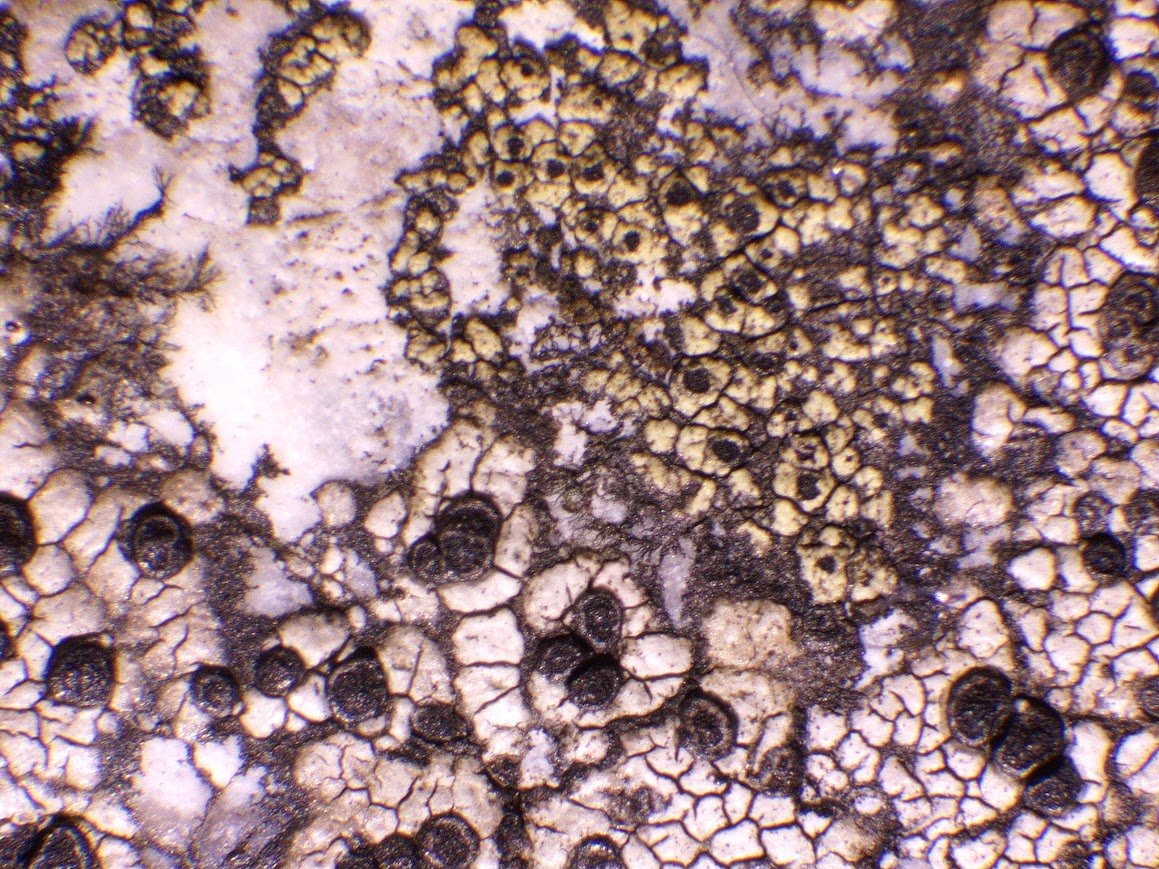
Twelve years ago, knowing almost nothing about lichens, I stared at this gravestone and something inside me longed to decipher the complicated mosaics. Now I can name almost every lichen on the stone but there are still mysteries.
@clothofnature I have a fascination with all nature, lichens in particular of course, but I also wince at the pain and suffering involved with carbon based life.
I had always wondered how traditional wells were dug and what the aquifer is that is about 14 feet deep in my lane (the stable water level of several local wells). I had guessed it was a bed of fractured limestone, I was wrong.
On St George's Day I am completing the restoration of a 17th C stone-lined well (brick corbelling at the top), filled in with rubbish in the 1950s and almost completely forgotten about.
A single Home Counties gravestone: 31 lichen spp. and 2 lichenic. fungi. Calcareous sandstone so a rich mixture of species straddling the acid/basic divide. Superb colony of Bacidia rubella (much more common on gravestones than on trees around here).
One English gravestone, ten years experience, ten minutes examination, 23 species of lichen (three of which will require checking microscopically). To many people's surprise, Pyrrhospora quernea is much more common on gravestones than on trees in E. England
@crawley_mick in 2000 my parish list stood at 431. Since then I have added about 65, the most recent being Polypogon viridis today.
https://t.co/R5nfylx8f1
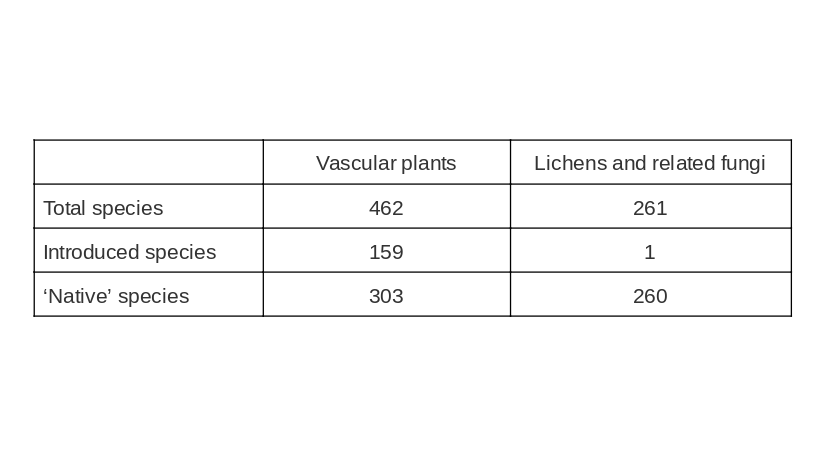
I actually counted subspecies as separate (didn't count vars. or formae) but called them 'species' in this table. Most British natives were considered native to the parish but with exceptions e.g. Ransoms and Red Campion which are known to have been introduced to the parish.
@crawley_mick Your archive of X posts are proving very useful. I am updating the flora of my parish which I originally surveyed between 1980 and 2000. Your posts have helped me add E. sumatrensis, floribundus, bonariensis, Polycarpon tetraphyllum and Polypogon viridis to my parish list.
“Transmitting one's flaws [through procreation] to someone else is a crime. I could never consent to give life to someone who would inherent my ailments.”
— Emile M. Cioran
@sim_nature The reaction is in the medulla and is rather weak so the medulla needs exposing, rather than just applying to the cortex.
I must sound like a stuck record but in all cases apply strong fresh reagents very sparingly to dry lichens (exposing the medulla if that is relevant).
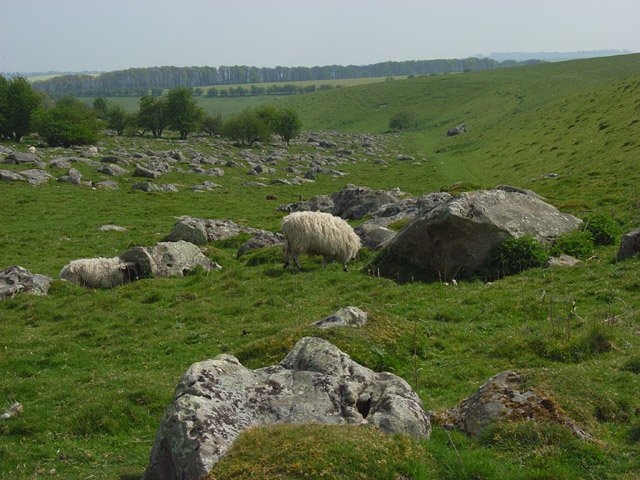
Fyfield Down is a magical site. Many, but not all, of the specialist sarsen lichens are also present at Avebury where they are in very good condition despite (or perhaps because of) the visitor pressure. Buellia saxorum is abundant at Avebury but not easy to recognise.
Made a pilgrimage to Fyfield Downs for #lichenJanuary to view lichens on the Grey Wethers (https://t.co/I1oYx9rIkW), where the big sarsen stones at Avebury and Stonehenge came from. Classic site for Buellia saxorum and the usually coastal Xanthoparmelia loxodes. @BLSlichens
@sim_nature If you are ever keen to prove a thallus is B. saxorum (rather than e.g. B. subdisciformis), do it only in dry conditions, scuff a tiny portion of the thallus near the margin (where the reaction seems strongest) AND use a cocktail stick or end of dry grass stalk to apply tiny drop
@sim_nature @BLSlichens With the use of something like a cocktail stick, a single structure, or a single apothecium can be tested at a time without the potential for confusing results resulting from leaching from one tissue to another, or one species to another.
@sim_nature @BLSlichens ...dark discs just Myriolecis with discs that are darkened for some reason? I am a little suspicious about that strong K+ red-purple reaction, wondering if it is leaching from a little lobe of Xanthoria or a Caloplaca apothecium which I can't see.
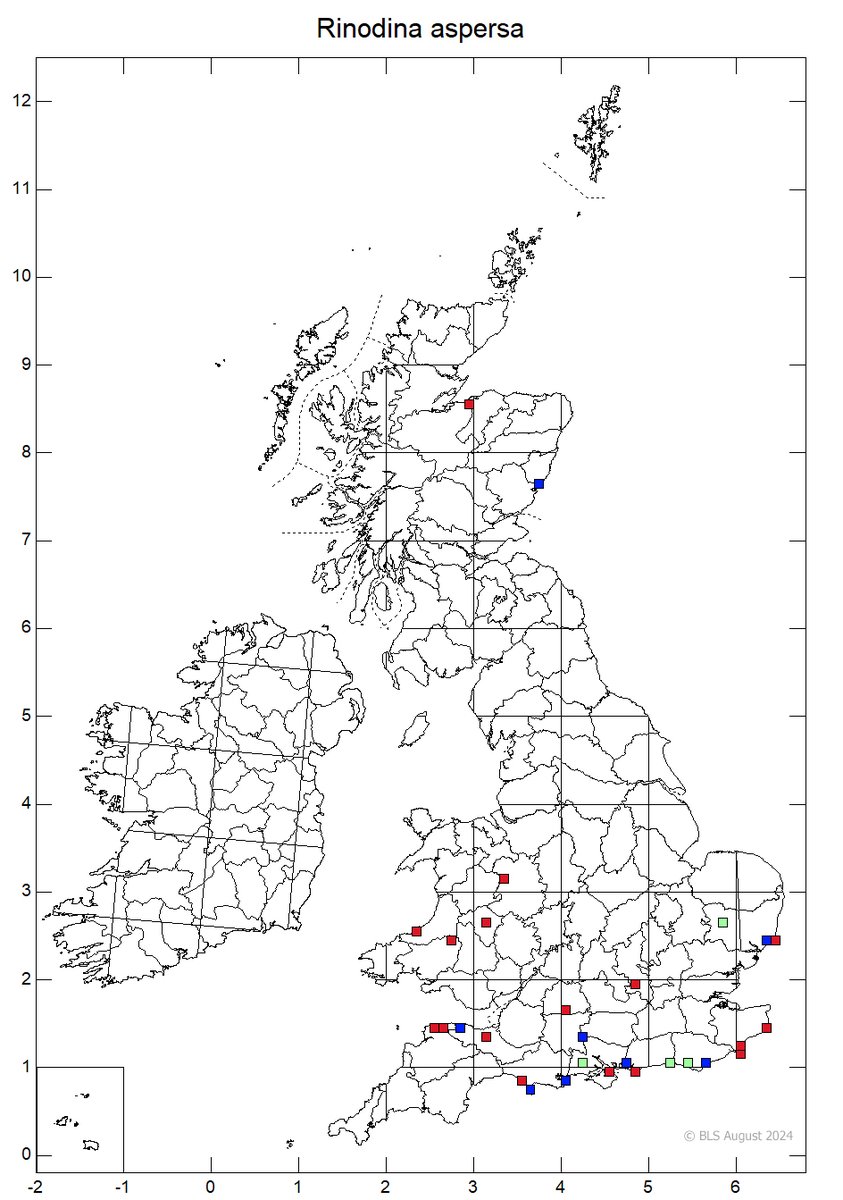
@sim_nature @specanatura@RSPBPagham @apeasbrain @CyanoEvo@BLSlichens R. aspersa is best known as a shingle specialist but also seems to occur rarely on flints and other siliceous rock inland.
https://t.co/bV6QbxtZF5
@sim_nature @specanatura@RSPBPagham @apeasbrain @CyanoEvo@BLSlichens Yes, and you could add L. polytropa and P. soredizodes and a few other common species of siliceous rock. Worth looking out for the shingle specialist R. aspersa.
https://t.co/wECozhYpst
@duckinwales@LemonStephen@BLSlichens We ought to produce such lists for various habitats.
At Orford Ness the dominants on shingle are: Buellia aethalea, Lec. polytropa, Mel. fuli, Rhizo. reduct., Porpid. soredizodes and Rinodina aspersa (the latter being the closest to a shingle specialist).
R. aspersa:
@sim_nature @specanatura@RSPBPagham @apeasbrain @CyanoEvo@BLSlichens Here is a thread which includes most the issues I have with identifying R. reductum (I had to do an advanced search to retrieve it, as if the search function on X has changed a bit).
https://t.co/QvHbXyRMWd
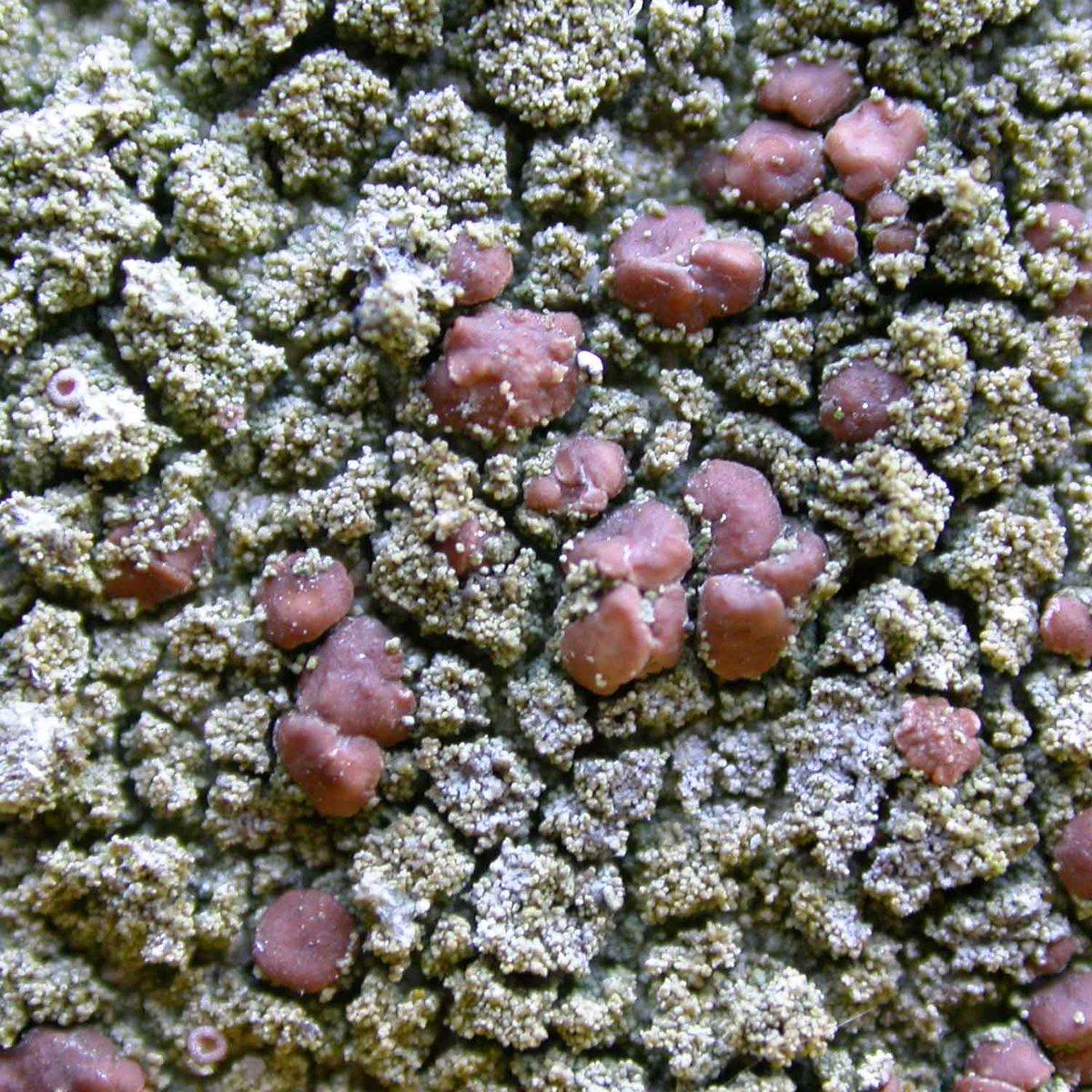
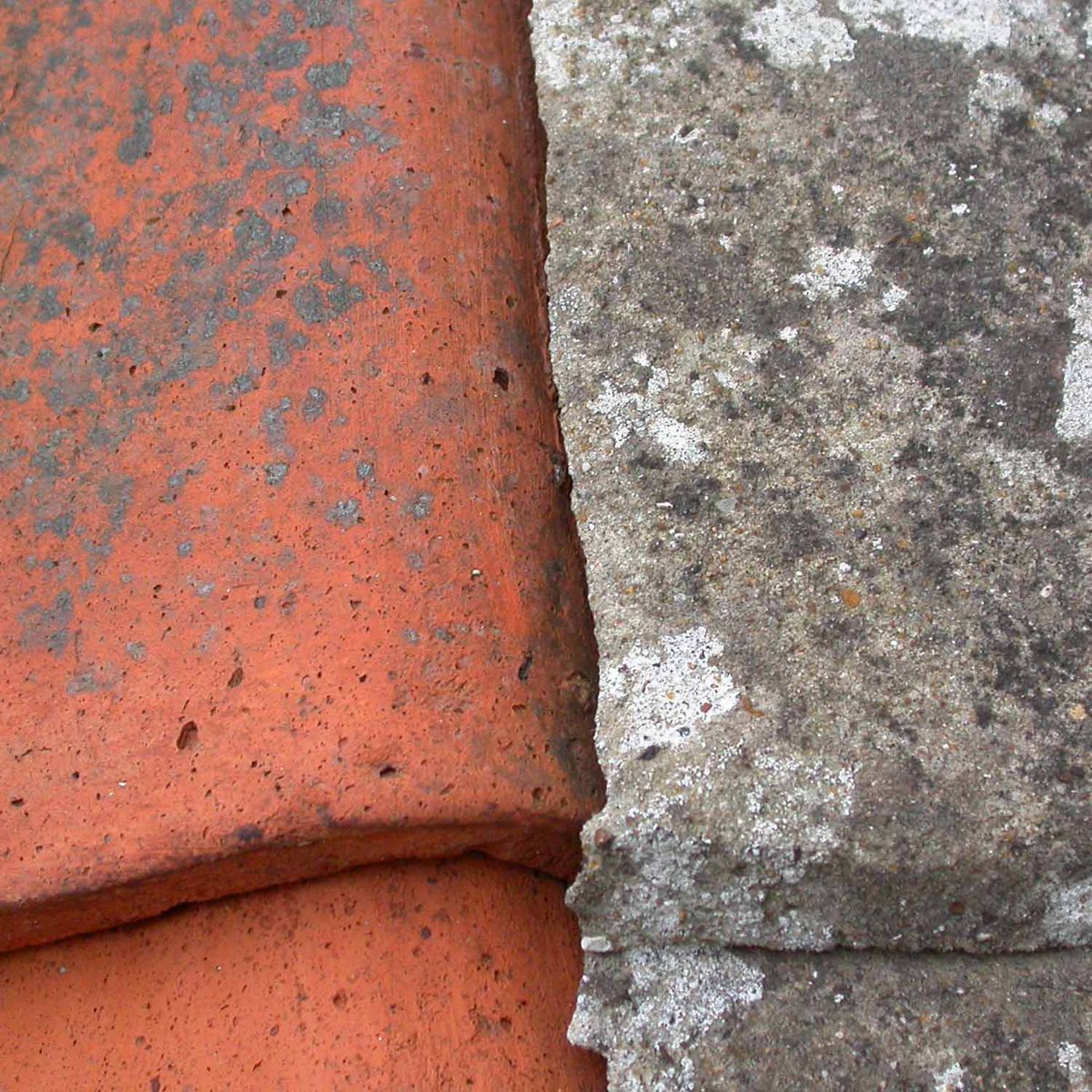
A new colonist has appeared on the pantiles of the outhouse roof. The darker thalli belong to Buellia aethalea (Catillaria atomarioides is also present on the tiles). What are the little colonists with paler thallus?
Thread
@sim_nature @specanatura@RSPBPagham @apeasbrain @CyanoEvo@BLSlichens If, as seems likely, you have R. reductum in the lower part of this photo, then the small, intricate scale of the yellowish lichen gives me more the feel of Buellia ocellata than R. geographicum.