It's game day, Mountaineers.
Tonight, App State will face UNC-Charlotte in Boone. And after halftime, fans may notice some familiar Grandfather Mountain landmarks on the big screen. Catch any home football game this season to see it for yourself.
📸: Max Renfro
El speech de Zverev que tienes que escuchar.
🗣️ “Quiero agradecer a una persona más una que nunca ve realmente mis partidos, pero es la persona más importante en mi vida tenística y en mi vida en general.
Cuando tu hijo de 4 años es diagnosticado con diabetes, y los médicos en la oficina te dicen que la vida y el deporte serán muy, muy limitados para ese niño, se necesita una madre muy, muy fuerte para salir de ese despacho y decir:
‘Mi hijo estará dondequiera que quiera estar. Si quiere ser tenista, será tenista. Si quiere hacer algo más, hará algo más. Pero esta enfermedad no nos definirá’.
Mi madre es la persona más importante y fuerte que conozco. Se necesita una mujer increíblemente fuerte para hacer lo que ella hizo.”
Inspirador para muchos diabéticos o para padres de hijos diabéticos.
I lost my Dad on 9/11. I don’t get a lot of reach on here. But I just wanted to share a picture. He was 39. I thought he was old. I’m now in my mid 30s and I still feel like a kid.
He was a great trader. He loved markets. He loved to find a stock no one was talking about.
The first trade I ever placed was on his work computer, where he let me click the button to buy AMAT. I loved going to the office with him. It was electric.
He was the best dad. We spent hours out in the street after dinner where he’d throw “pop flys” for me to catch. Eye on the ball.
He loved watching Sponge Bob and eating cereal, wrestling with us in the living room. He just loved being around his kids so much, and we knew it. I’m so grateful I got a dad like that.
Love you, Pops.
Your cholesterol can sit comfortably inside the normal range and still be building plaque, because that range is a population average, not a physiological target.
In this episode I sit down with Dr Thomas Dayspring and Dr Dan Soffer, two of the most respected lipid specialists in the world, to work out who actually needs treating before anything has gone wrong. They do not entirely agree, and that is what makes it worth your time.
For the full show notes head to: https://t.co/GNWKDqRkx2
Hi all,
The Lp(a) HORIZON trial has released topline data and, quite shockingly, missed its primary endpoint.
In other words, lowering Lp(a) in patients with prior MI, stroke or peripheral arterial disease, who were otherwise very well treated for LDL-C, blood pressure, diabetes and other risk factors, did not reduce the primary cardiovascular endpoint.
We obviously need to see the full data before making firm conclusions, and I don’t want to speculate too much without the details.
But this is a big enough result that it is worth summarizing what we know, what we don’t know, and what this may mean for our patients after 20+ years of trying to test the “Lp(a) hypothesis.”
What we know:
1-There are hundreds if not thousands of genetic, epidemiologic and Mendelian-randomization studies showing that elevated Lp(a) is associated with MI, stroke, peripheral arterial disease and aortic stenosis. That body of evidence is very strong.
2-However, much of those data come from community-based populations, often before the era of intensive LDL-C lowering and modern secondary prevention.
3-There has been much less information about how much residual risk Lp(a) carries in someone who has already had an event and is then treated very aggressively.
4-HORIZON may have had some of the best-treated patients of any recent cardiovascular outcomes trial.
Baseline LDL-C was about 65 mg/dL, a measured LDL-C contains the cholesterol carried on Lp(a), so in reality, 15-20 points lower.
5-In patients with very high Lp(a), if you correct LDL-C for Lp(a)-cholesterol, the actual LDL-C carried by LDL particles may have been closer to 45–50 mg/dL, perhaps even lower in some patients.
6-This raises a very basic question:
Can you still demonstrate a major incremental benefit from lowering another apoB-containing particle when the underlying LDL burden has already been driven this low?
What we don’t know:
1-What was the actual corrected LDL-C in these patients? I think it would be extremely informative to directly measure Lp(a)-C and calculate corrected LDL-C. This may tell us a lot about the biological setting in which pelacarsen was being tested.
2- What was the OxPL status? Our prior work has suggested that much of the pro-inflammatory biology associated with Lp(a) is related to its enrichment in oxidized phospholipids. Did OxPL fall? Did patients with higher OxPL derive more benefit? Was Lp(a) concentration actually identifying the patients with the most pathogenic particles?
3- Did we measure the right component of Lp(a) for trial inclusion? We generally measure molar particle concentration. But is molar concentration itself the main driver of risk, or is it partly a surrogate for what the particle carries? Cholesterol? Triglycerides? Oxidized phospholipids? Other proteins? Could two patients with the same Lp(a) concentration have very different Lp(a)-mediated risk? I think this question deserves much more attention.
3- Were the genetic data telling us exactly what we thought they were telling us? The genetic data are extremely compelling, but genetics reflect lifelong exposure. A clinical trial treats patients late in life, often after decades of arterial injury and after an event has already occurred. Those are not necessarily the same experiment. Could there also be some unrecognized biology linked to the LPA locus that we have not completely accounted for? That possibility should at least be considered.
3- Does very low LDL-C modify the Lp(a) risk relationship? Maybe Lp(a) is particularly important when LDL-C is higher, but its contribution becomes smaller once LDL-C is driven to very low levels. Again, we need the data.
4- Does aspirin or other antiplatelet therapy reduce part of the risk associated with Lp(a)? Lp(a) has potentially important prothrombotic effects. Almost everyone in a trial like HORIZON is receiving contemporary antiplatelet therapy. Could that blunt one component of the risk associated with Lp(a)?
5- Why are these patients still having events? This may be one of the most interesting questions of all. These are patients with LDL-C around 65 mg/dL, and perhaps corrected LDL-C substantially lower, yet cardiovascular events continue to occur. What is driving that residual risk? Inflammation? Thrombosis? Plaque burden that is already too advanced? Other lipoprotein characteristics? Something we are not measuring?
6- Do we need to re-examine some basic assumptions about atherosclerosis? We have spent decades focusing heavily on the quantity of circulating lipoproteins. But perhaps lipoproteins are relatively benign until they undergo biological modification in the artery wall. Oxidation may be one of those key modifications. For some patients, the answer may be to remove more particles from the circulation. For others, perhaps the better approach is to prevent their oxidation or block the downstream biological effects of oxidized lipids. The recent difficulties with anti-inflammatory approaches, including IL-6 inhibition, make these mechanistic questions even more interesting.
7- Was there something specific about pelacarsen, the degree or timing of Lp(a) lowering, advanced disease, trial duration, background therapy or patient selection that mitigated a potential benefit? We simply don’t know yet. That is why the detailed results will be so important.
What does this mean for patients today?
If you have already had an MI, stroke or PAD, the immediate lesson is very clear:
1- Get all of your established risk factors treated aggressively.
2- Get LDL-C/apoB very low.
3- Control blood pressure.
4- Control diabetes.
5- Don’t smoke.
6- Use appropriate antiplatelet and other guideline-directed therapies.
HORIZON shows us what modern secondary prevention should look like.
If you have elevated Lp(a) but have never had an event, the genetic and epidemiologic data still suggest increased lifetime risk.
Until the other 4 outcome trials read out, I would continue to treat every modifiable risk factor aggressively.
We should wait for those trials before drawing broad conclusions about the entire field.
I think the story of Lp(a) therapy is beginning, not ending.
We also need to show tremendous respect and gratitude to the patients who participated in HORIZON and to the investigators and companies that invested enormous resources to actually test the Lp(a) hypothesis, to the ultimate benefit to peole with elevated Lp(a) to best guide how to manage risk.
More to come as we go forward.
@gradyryan1@OnTheWatauga Maybe just scoping out some good spots. We have a pair nesting at our home and they were looking months before they finally picked the spot...but he might be just looking for his next meal.
Contrary to what you might read elsewhere during this sad time, Howard Baum did not see every big thing that happened in NC State Athletics history since 1967, when he joined the Wolfpack Radio Network as a spotter and statistician. Baum, who died Thursday at the age of 92, was a bowling entrepreneur, a number-cruncher beyond compare and a world-class restaurant expert who accepted the job to assist his friend Bill Jackson, the first voice of the Wolfpack, for $10 a game and a free press box meal. For the next 59 years, he was a dutiful fixture at football games and later joined basketball and baseball broadcasts.
In the winter of 1983, his wife Lynda was pulling at his sleeve to go on another cruise to the Caribbean. On Jan. 20, the day after guard Dereck Whittenburg suffered the broken foot that seemingly ended his career, Baum told his wife to book the damned cruise.
Then something unexpected happened: Whittenburg came back quickly and the Wolfpack became the best team in the country.
"That S.O.B. healed fast," Baum said.
So on the night of April 4, 1983, the Baums were stuck on a boat somewhere near the Bahamas with no way to watch the national championship game between NC State and Houston. He woke up the next morning without knowing about the S.O.B.'s missed shot that was grabbed and dunked by Lorenzo Charles for the win.
All he knew was the crew at the purser's desk posted this score on the ship's bulletin board: North Carolina 54, Houston 52. He made the poor kid working the overnight shift immediately change it to "N.C. State."
“We still go on cruises, every December during exam week and every spring,” Baum said. “But since that first cruise in 1983, we have always made sure we scheduled the spring trip after April 5.
“Just in case.”
Rest easy, Howard. I was proud to call you a friend and press box colleague.
(By the way, when you get to broadcaster's heaven, I wouldn't mention to Coach Valvano that, in a weak moment, you kind of gave up on the Cardiac Pack.)
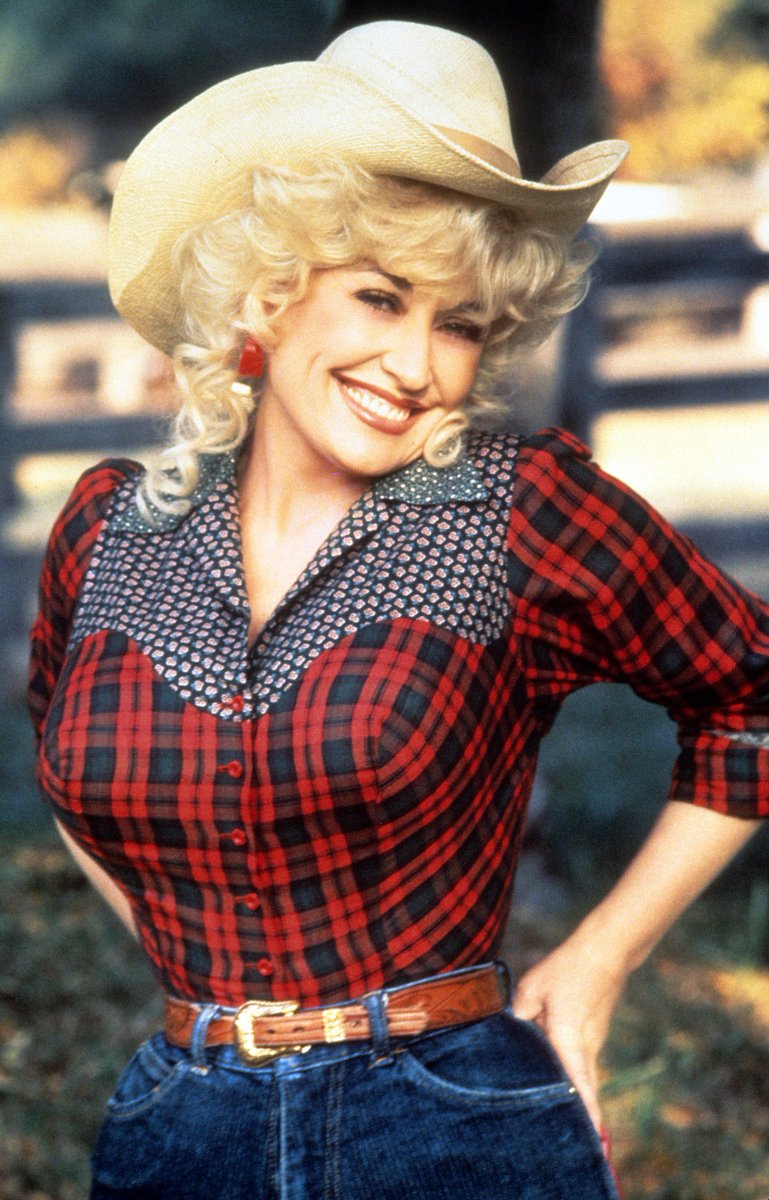
In 1988 Dolly Parton pulled every 7th and 8th grader in Sevier County into a room and told them to pick a buddy.
She made them sign a contract.. if BOTH graduate, she hands you both $500. One fails, nobody gets paid.
The county dropout rate went from 35% to 6%.
She handed out the checks herself.
In 1989 she offered $500 to every kid in the county who wanted to go to the local college.
When Gatlinburg burned in 2016, she sent 900 families $1,000 a month for six months.
You've probably heard that part.
Here's the part you haven't:
The fund raised more than expected, so she showed up in May and handed every one of those families another $5,000 on top.
Then she quietly put $3 million into the recovery group that handles the years after the news trucks leave.
She built her county an entire hospital.
She played a benefit concert in 2007, Dollywood and the Stampede matched it, and LeConte Medical Center opened in 2010 with a birthing unit and a women's center in it.
In 2022 she started covering 100% of tuition, books, and fees for Dollywood employees.
Full-time, part-time, AND seasonal.
In 1991 she paid for a bald eagle sanctuary because the birds couldn't be released back into the wild, no press release.
And when Hurricane Helene came through here in Western North Carolina, she wrote a personal check for $1 million and her companies matched it.
She didn't owe North Carolina anything, but she helped us anyway.
She started the Imagination Library because her daddy couldn't read or write. Before he passed, he told her it was the most important thing she ever did.
Rest in Peace, Dolly 🇺🇸
The court system is currently enhancing the deterioration of college sports. However, it’s not the only factor…there are plenty of reasons. Greed and a lack of true leadership are a solid 1 and 1A.
Was in Boone NC yesterday and was struck once again by the beauty of the App State football stadium, carved out of a forest and one of the absolute best places to watch college football in America.
Took this photo from the skybridge at Howard Knob County Park.
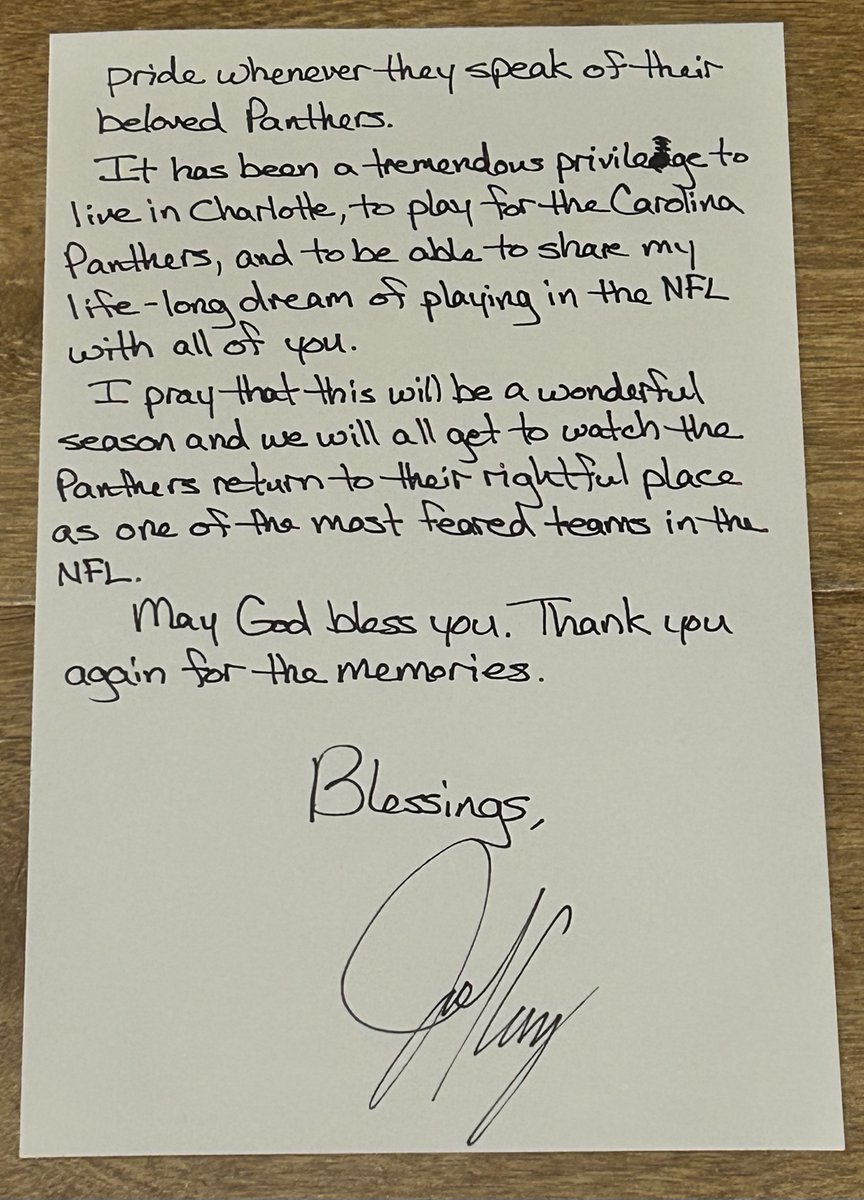
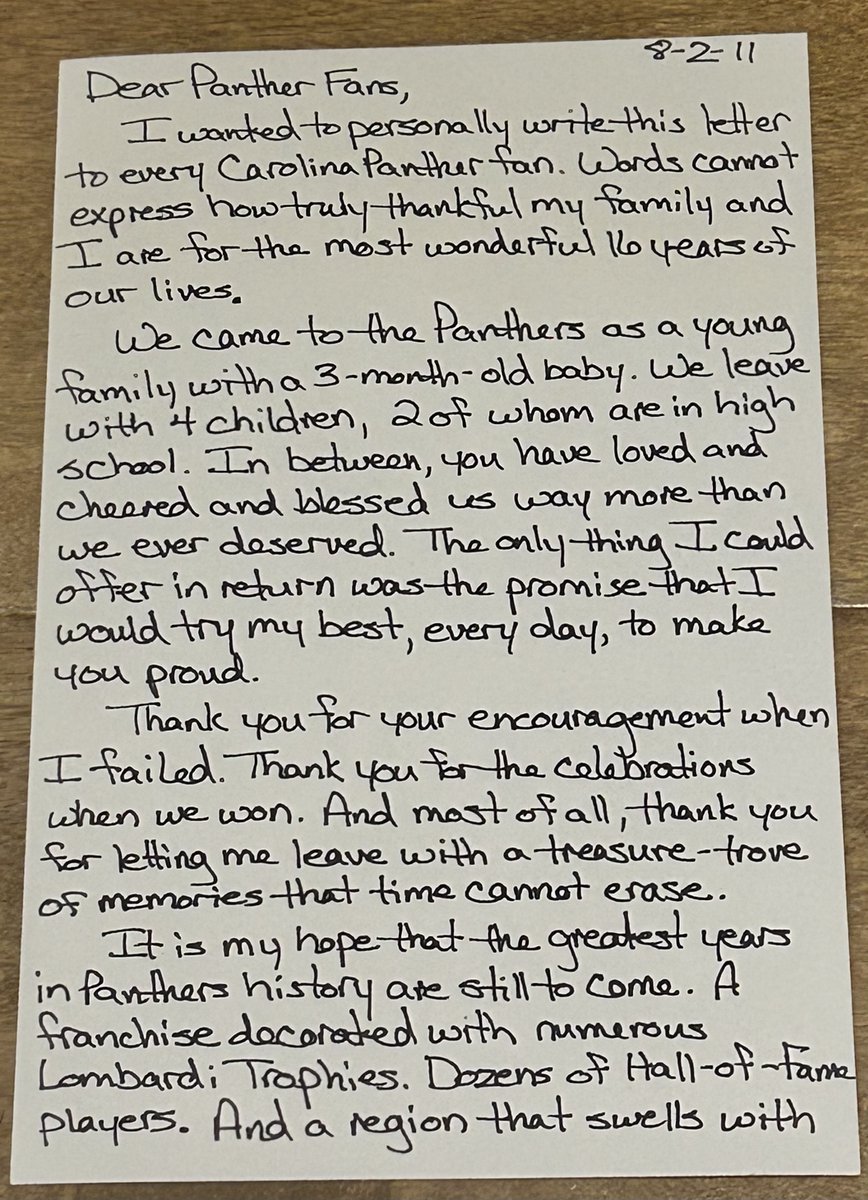
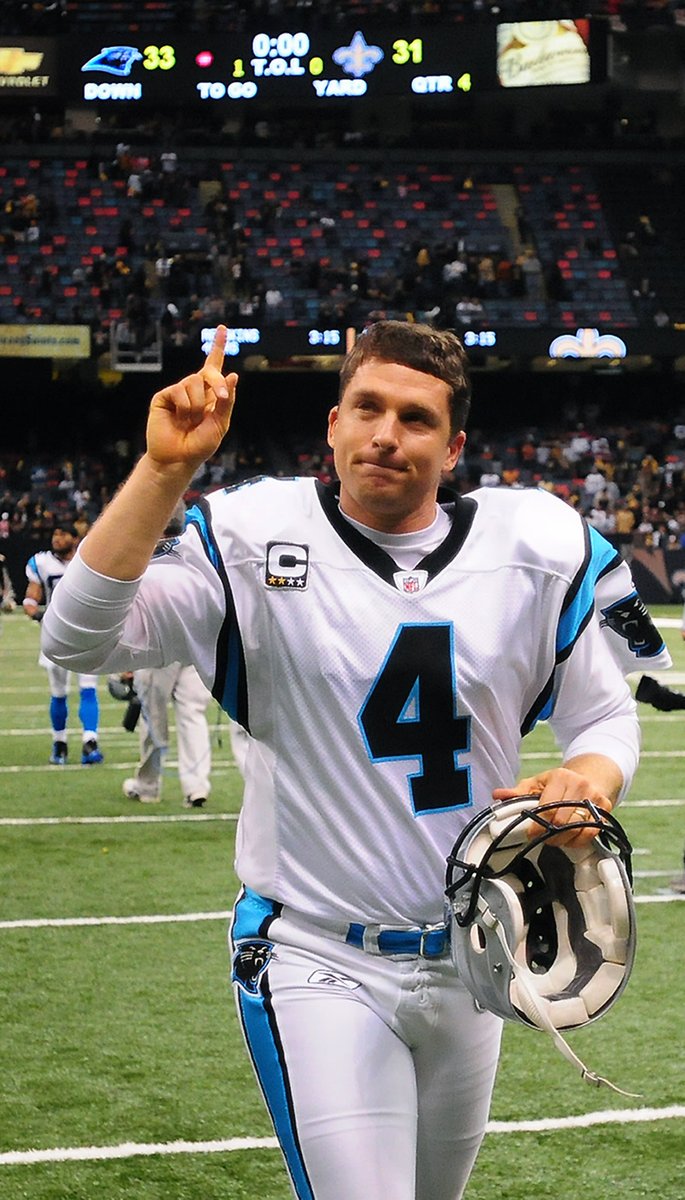
15 years ago today, one of my favorite Panthers of all time - kicker John Kasay - wrote a letter to the team's fans.
Kasay then dropped the letter off to me at work - I had covered his entire career with Carolina, which began in 1995 - and asked me to publish it in full in @theobserver.
Which we did.
I saved the letter and came across it a few days ago. The way Kasay handled a difficult situation - it should be taught in college classes.
For background, the team's all-time leading scorer had just gotten fired, as the Panthers decided to go with Olindo Mare as their kicker in 2011 instead. Yet Kasay took the high road throughout his 257-word letter.
If you've forgotten what grace and class look like in today's difficult times, treat yourself to another glance at Kasay's letter.
And remind yourself - and those around you - about the simple power of a handwritten thank-you note.