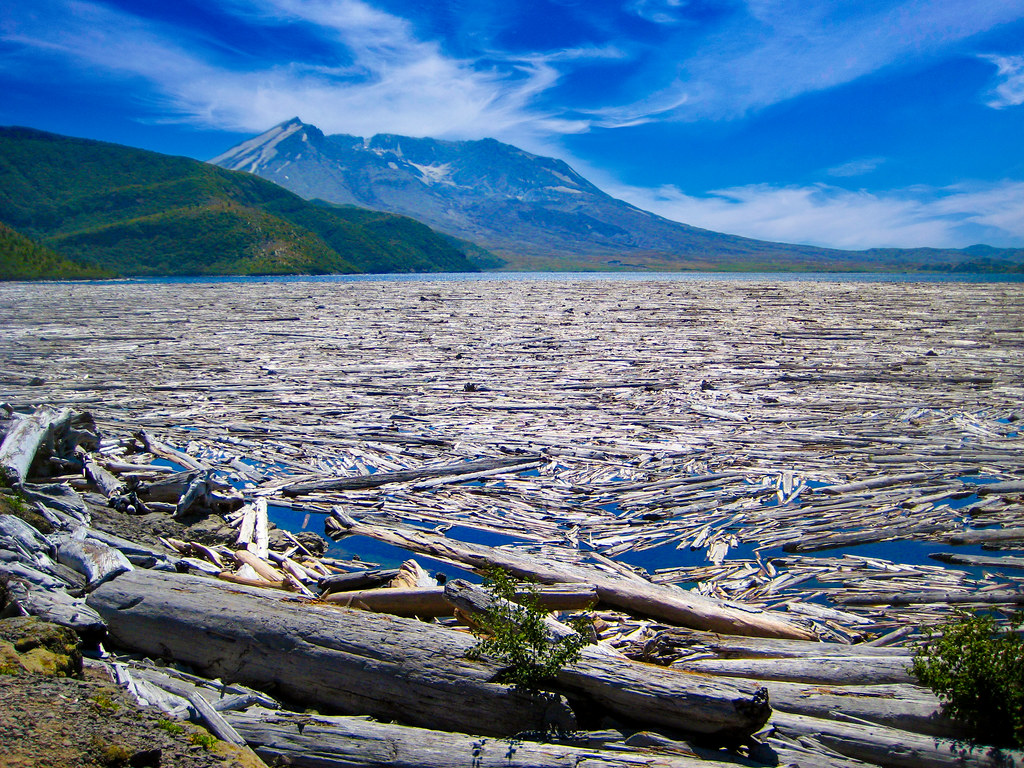
On 18 May 1980, Mount St Helens exploded sideways. The blast flattened forests for miles and hurled thousands of trees into nearby Spirit Lake.
Remarkably, 46 years later, many are still floating there.
But, inevitably, there’s a twist…
1/n
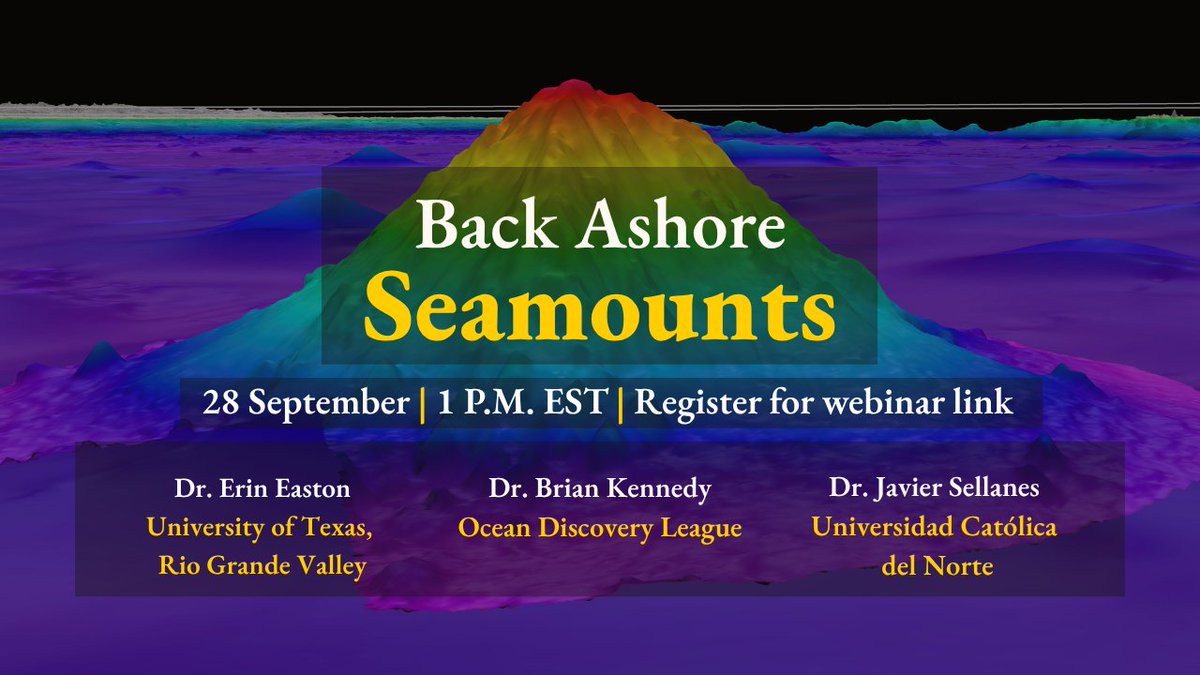
Join us on 28 Sept. for a rich discussion about seamount ecology, what scientists have learned so far, and what remains to be understood about underwater mountains in our Ocean.
Register: https://t.co/a6QCbIOJ2o
It is the Vajont Dam chapter: a story that reminds us that engineering is shaped not only by great achievements, but also by the lessons learned from failure.
Vajont is one of the stories featured in the graphic documentary book I published a couple of years ago.
On Leonardo da Vinci's birthday (and Italy's Engineers' Day), I'm making one chapter of The Edge of Progress available 🎁
AI excels at optimizing the known, but human ingenuity dares to imagine what does not yet exist.
🌊 World Oceans Day 2026 highlights the importance of understanding & protecting our oceans.
🛰️ Using @CMEMS_EU data, this visualisation showcases indicators helping support climate research, maritime safety & sustainable management.
🔗https://t.co/N0GoZbdA0J
#ImageOfTheDay
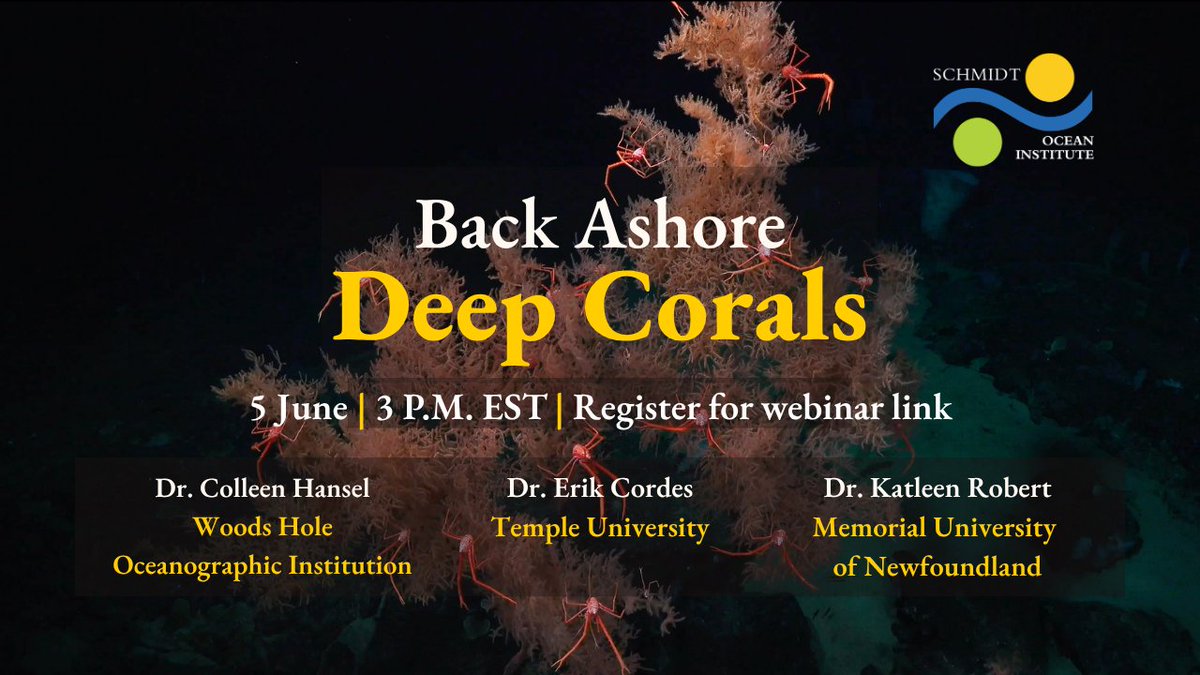
Join us for a Schmidt Ocean Institute Back Ashore discussion, where we hear from scientists following expeditions on R/V Falkor and Falkor (too) to learn where the science has taken them. Register here:
https://t.co/Eq23FBg5C5
Super El Niño: A record-breaking westerly wind burst was caused by rare triplet cyclones in the Pacific during early April.
Highly unusual winds along the equator created a strong Kelvin wave, which is now just starting to transport huge amounts of warm water across the Pacific.
Rivers are alive. A 50-year sequence of Peru’s Ucayali River shows how a river constantly shifts its bed, reshapes landscapes and redraws maps. Rivers move, ecosystems respond and planning must learn to work with that movement rather than pretend landscapes stay fixed. Source: https://t.co/3Muk5siAYE
Generations of cultural knowledge shared by Martu Elders has provided vital clues around the sudden disappearance of one of Australia's most iconic marsupials. Once seen 'everywhere' across WA's Western Desert region, the #NorthernQuoll is now #endangered. https://t.co/gXzpcqKkJh
💨 On 26 Jan, a dense plume of Saharan dust moved N, affecting air quality across large parts of Greece, the Balkans & SE Mediterranean. CAMS data shows higher dust concentrations in dark 🟠 and 🔴 tones.
🔗 https://t.co/So5CxY1FLy
#ImageOfTheDay#CopernicusEU