Andrew Ng just released a 1-hour course on building agentic knowledge Graphs from scratch:
• 00:00 - Introduction to agentic knowledge Graphs
• 03:07 - Construction of agentic Graphs
• 14:00 - Architecture of multi-agent systems
• 23:00 - Building agentic graphs with Google ADK
• 01:06:03 - Why Graphsare the future of agentic AI
Worth more than 10 articles on loop engineering.
Watch it today, then read how to become a graph engineer in the article below.
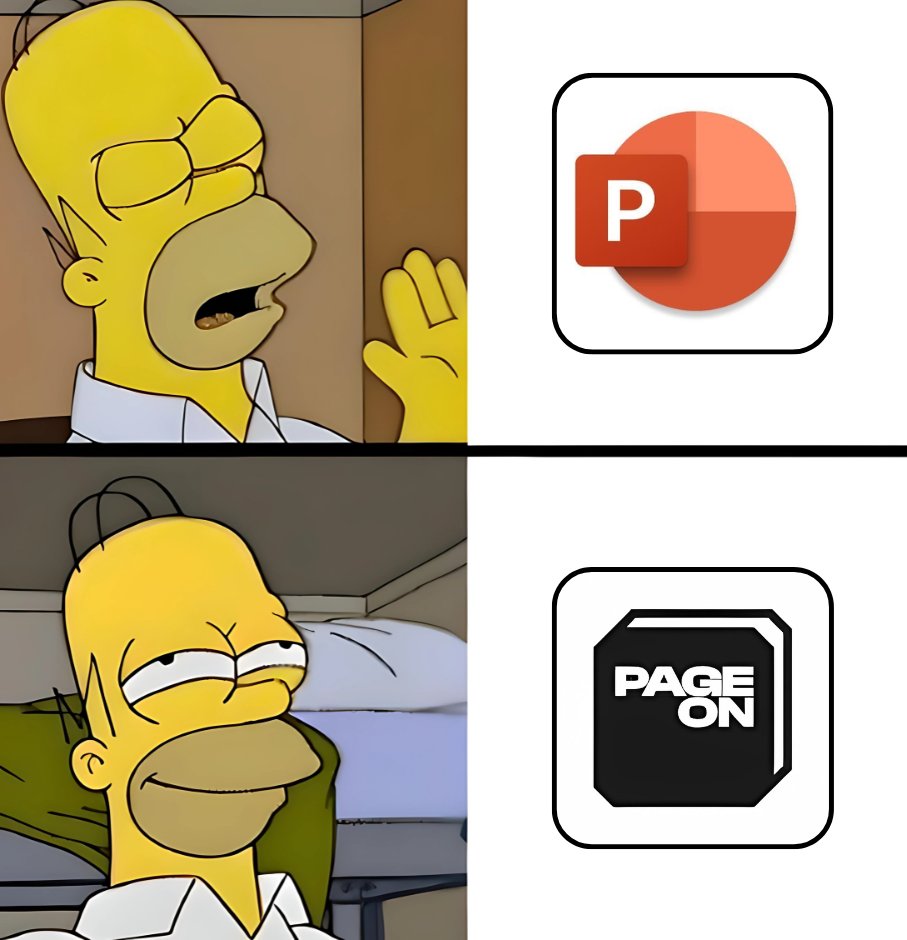
🚨China just officially cooked PowerPoint 🤯
PageOn AI 2.0 just launched and people are going crazy over it.
This AI agent tool works like Cursor but for presentations.
Here’re 4 insane features you need to know:👇🧵
Image gen is now available in the API!
We’re launching gpt-image-1, making ChatGPT’s powerful image generation capabilities available to developers worldwide starting today.
✅ More accurate, high fidelity images
🎨 Diverse visual styles
✏️ Precise image editing
🌎 Rich world knowledge
🔤 Consistent text rendering
Check out the guide to start building: https://t.co/6XsgOj3oBO
A big mistake people are making is thinking MCP is just a shim on top of your existing API.
That is, people are proxying MCP <> OpenAPI - no diff than codegening it.
This is absolutely broken by design, isnt useful, and is a waste of your time. This is my perspective on why.
Less than 24 hours ago, OpenAI dropped GPT-4.1.
But most people missed the secret: they dropped a new prompting guide.
10 powerful tips to unlock its full potential: 👇
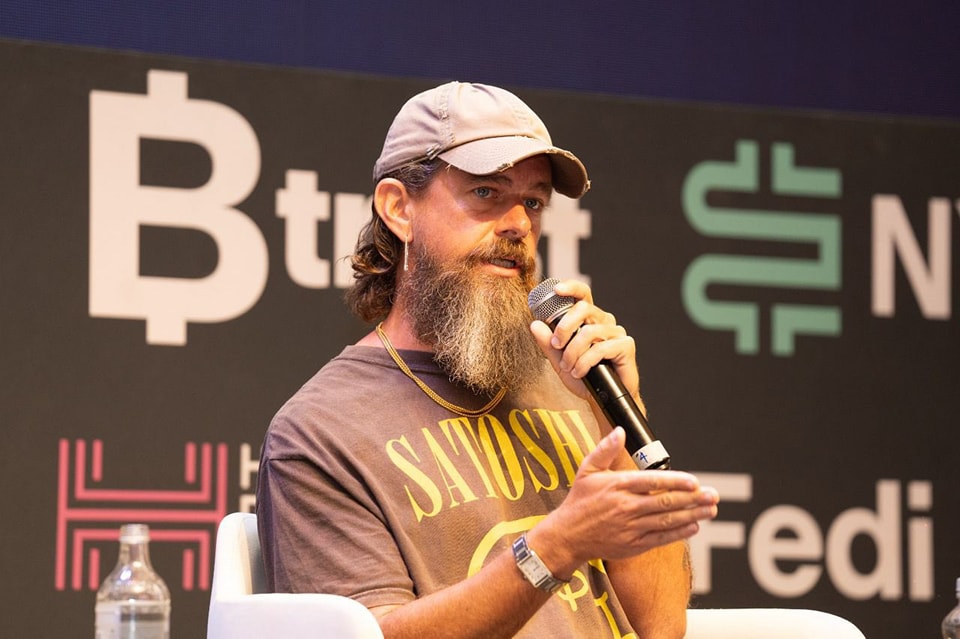
Jack Dorsey just went viral for reasons nobody expected.
He's openly joined Musk in declaring war on IP laws.
No patents. No copyright. No gatekeepers.
What happens next decides who gets rich in the next era of the internet:🧵
China's open source AI is crazy...
Alibaba just announced FantasyTalking, it can lipsync character with realistic facial and full body motion
it outperforms the current SOTA method like OmniHuman-1, Sonic and Hallo 3
10 examples:
I'm sure you've seen tons of animated videos of people using ChatGPT 4o.
Wanna learn how to make your own? I’ll show you how in this thread 🧵👇
Bookmark this for later—it’s packed with prompts and all the tools you’ll need.
🚨 BREAKING: OpenAI just launched a new image generation model, fully built in to GPT-4o and Sora. And it's the best I've seen.
I got early access. I'm going to tell you what you need to immediately test.
1) ask for a graphic or diagram
2) tweak until you like it
3) ask for it in a POV
More examples in thread.
ChatGPT's new Image Generation dropped less than 24 hours ago
Here are 15 great examples of what you can do now, some limitations—and a hidden trick to get instant access if you're still waiting!
1. Life-like photos:
If you feel behind on learning about Large Language Models, try these:
– Readers: free 200+ page book covering pre-training, generative models, prompting and alignment
– Programmers: Karpathy’s neural networks zero to hero playlist including implementing GPT-2 from scratch
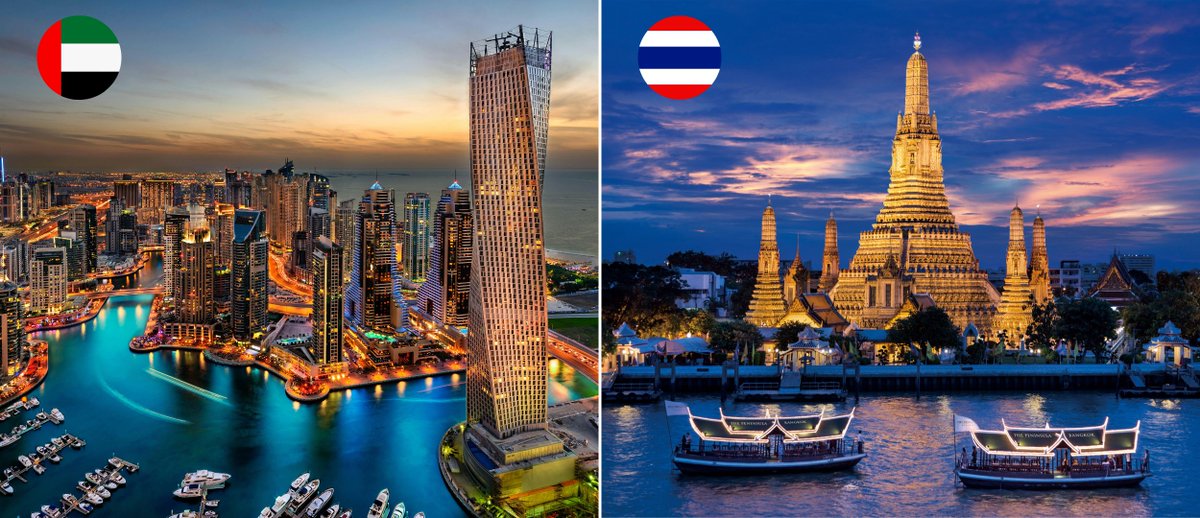
This is Thailand vs UAE:
- UAE: Entrepreneur’s tax-free paradise
- Thailand: Digital nomad haven
- But things are changing…
MANY are relocating from cities like Dubai to Thailand…why?
Here’s what you need to know and which you should choose🧵:
wow..
Netflix just dropped an AI video generator, it lets you animate of your object with precise KEYFRAMEs, it's crazy..
this is the first in AI world
here's how it works:
Mike Tyson vs. Jake Paul was live-streamed on Netflix yesterday.
Let’s break down the typical tech stack of a live-streaming system.
Live streaming is challenging because the video content is sent over the internet in near real-time. Video processing is compute-intensive. Sending a large volume of video content over the internet takes time. These factors make live streaming challenging.
The diagram below explains what happens behind the scenes to make this possible.
Step 1: The streamer starts their stream. The source could be any video and audio source wired up to an encoder
Step 2: To provide the best upload condition for the streamer, most live streaming platforms provide point-of-presence servers worldwide. The streamer connects to a point-of-presence server closest to them.
Step 3: The incoming video stream is transcoded to different resolutions, and divided into smaller video segments a few seconds in length.
Step 4: The video segments are packaged into different live streaming formats that video players can understand. The most common live-streaming format is HLS, or HTTP Live Streaming.
Step 5: The resulting HLS manifest and video chunks from the packaging step are cached by the CDN.
Step 6: Finally, the video starts to arrive at the viewer’s video player.
Step 7-8: To support replay, videos can be optionally stored in storage such as Amazon S3.
For years i've had this vision for a synchronous reactive ORM with offline support and realtime syncing to other clients.
This is the holy grail of state management IMO and i'm finally building it using mobx and yjs.
https://t.co/6iCOgtWjlB
I know that's a mouthful so let me explain:
synchronous - there's no promises to deal with and therefore no loading states which leads to much cleaner frontend code.
reactive - imagine signals/observables that you can mutate and they will trigger your components to rerender and also will immediately propagate to other users' devices.
ORM - what i've made is not an ORM, but it looks and feels like one where you define Models and then you interact with instances of those models.
offline/syncing - this is done through yjs, a CRDT implementation, and websockets. CRDTs power many modern collaborative multiplayer tools like figma.