I wrote a substack about the echo chambering in LLMs, and how AI validation erodes your ability to think critically, unless you are willing to search for the friction.
https://t.co/wMDMpYfHR3
I used to think the goal was to get AI to sound more like me. Now my goal is to get it to think against me.
We’re using AI all wrong. The possibilities that lie in augmenting your cognition and enhancing creativity are enormous, yet most of us are using AI as a glorified Google. Question in, answer out. Summarize this, write me a post for this, how are airplanes actually made?
To be fair, those are all useful questions. And I personally do want to know how airplanes are made, explained to me like I’m 5 with deadpan humour. I’m not saying you shouldn’t ask them. But there are so, so much more possibilities for actually collaborating with AI as a thinking partner instead of your personal Google with bite. Which, ironically, AI is actually not that great at, but I’ll save that for another article...
https://t.co/3s7Gh7jOvc
As a neuropsychologist I feel we focus way too little on the “human” aspect in human-AI interaction. Iterative Minds is here to bridge that gap.
https://t.co/OgXU6aF5LO
Hé wereldverbeteraar, dit wordt jouw jaar! De Jonge Klimaatbeweging zoekt een nieuw bestuur voor 19/20. Vertegenwoordig jij de stem van jongeren in het klimaatdebat? Solliciteer dan via deze link 👇
https://t.co/KV6hRVw0ZQ
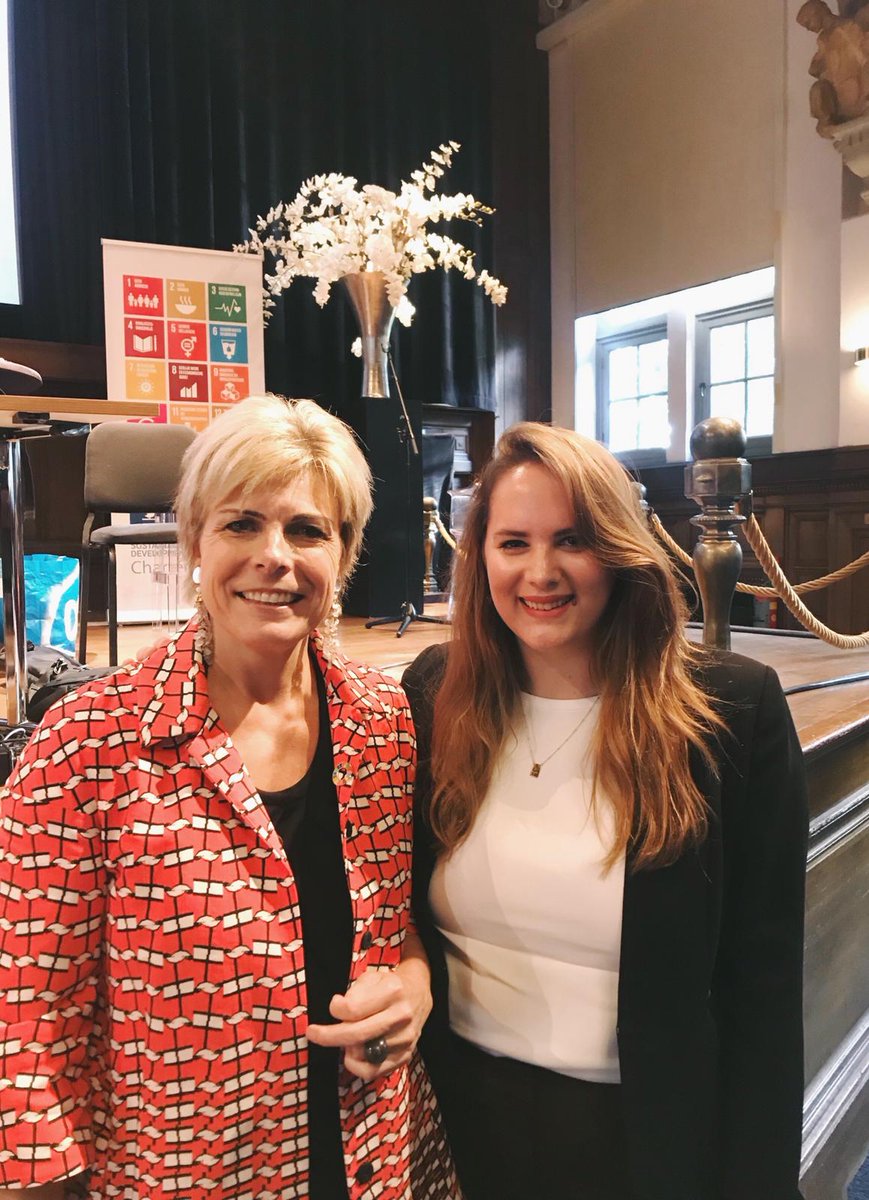
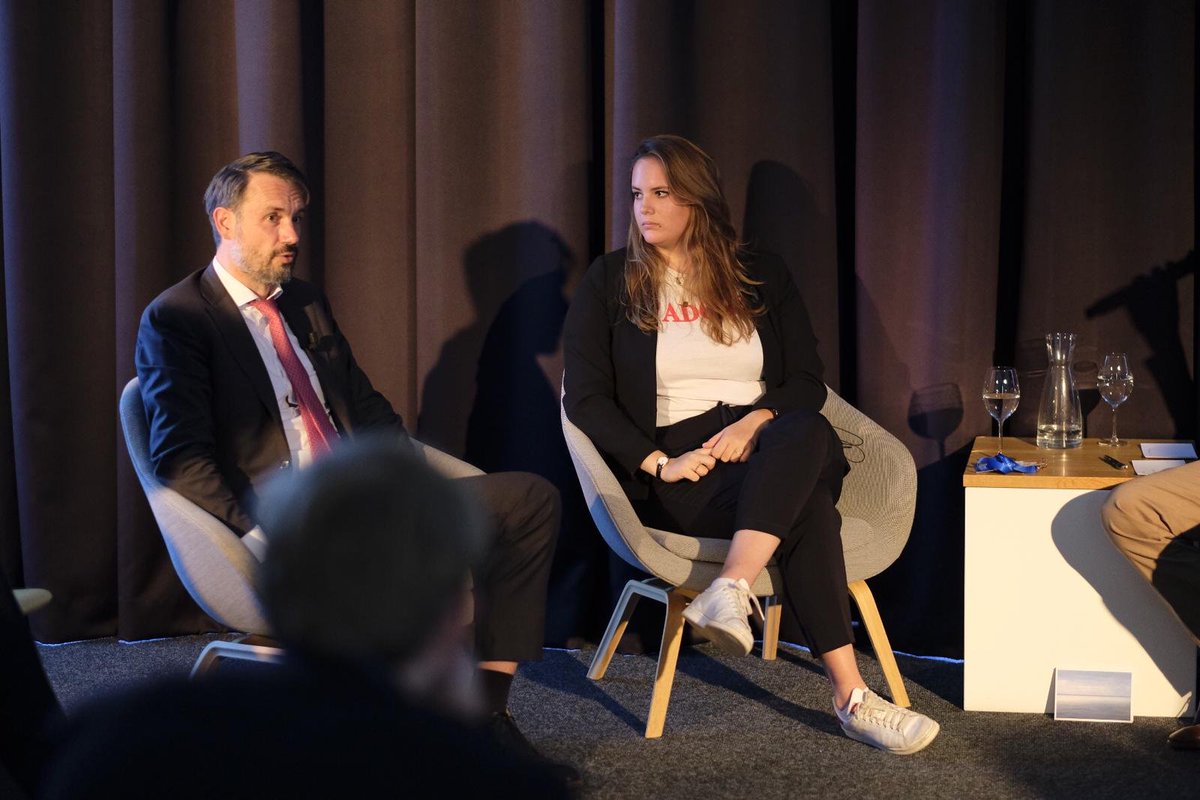
Gisteren mocht @LindeNieman pitchen tijdens de #SDGActionDay. Daar riep zij de aanwezige beleidsmakers op om ruimte te maken voor de stem van jongeren in hun bedrijf of organisatie. Na afloop volgde een mooi gesprek hierover met prinses Laurentien! #SDGs
Story: 1. Neurons in the brain are very chatty: they fire action potentials, their basic unit of communication, even when there is nothing to communicate. For example in this video, in visual cortex recordings in complete darkness. Lots of chatting: