#OTD in 1965, Lyndon B. Johnson spoke before a joint session of Congress, just a week after Bloody Sunday, urging passage of voting rights legislation and declaring that every American must have an equal right to vote.
Now, the Supreme Court of the United States may weaken Section 2 of the Voting Rights Act, one of the last protections allowing Black and Brown communities to challenge discrimination at the ballot box.
It is not lost on me that the struggle for equal voting rights is not confined to the past. History is watching how we choose to protect the right to vote.
THESE ARE just some of the many types of examples of the many reasons WHY the THEATRICAL EXPERIENCES in Movie Theaters CAN BE truly AWESOME wonderful experiences for human beings to collectively share together! (Especially for me #3) … 🎬🍿🥤📽️👏🌟👍🎊🙌 #MOVIES#MovieMagic
A young boy once asked President Barack Obama, “Why do some people hate you?”
It was a tough question, especially coming from a child. But Obama didn’t get defensive or angry. He simply paused and answered honestly, in a way the boy could understand.
Sometimes the best way to answer hard questions is with patience and honesty.
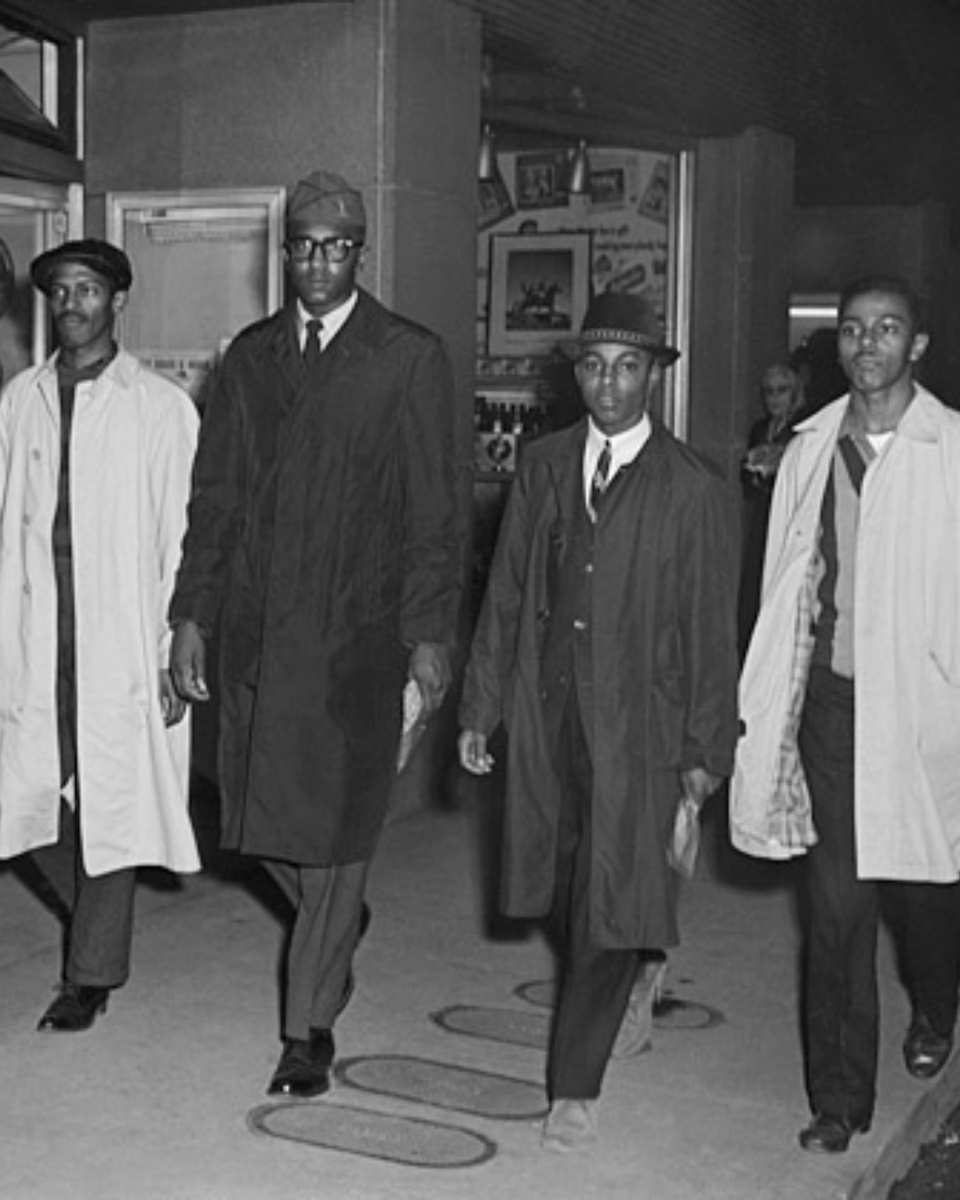
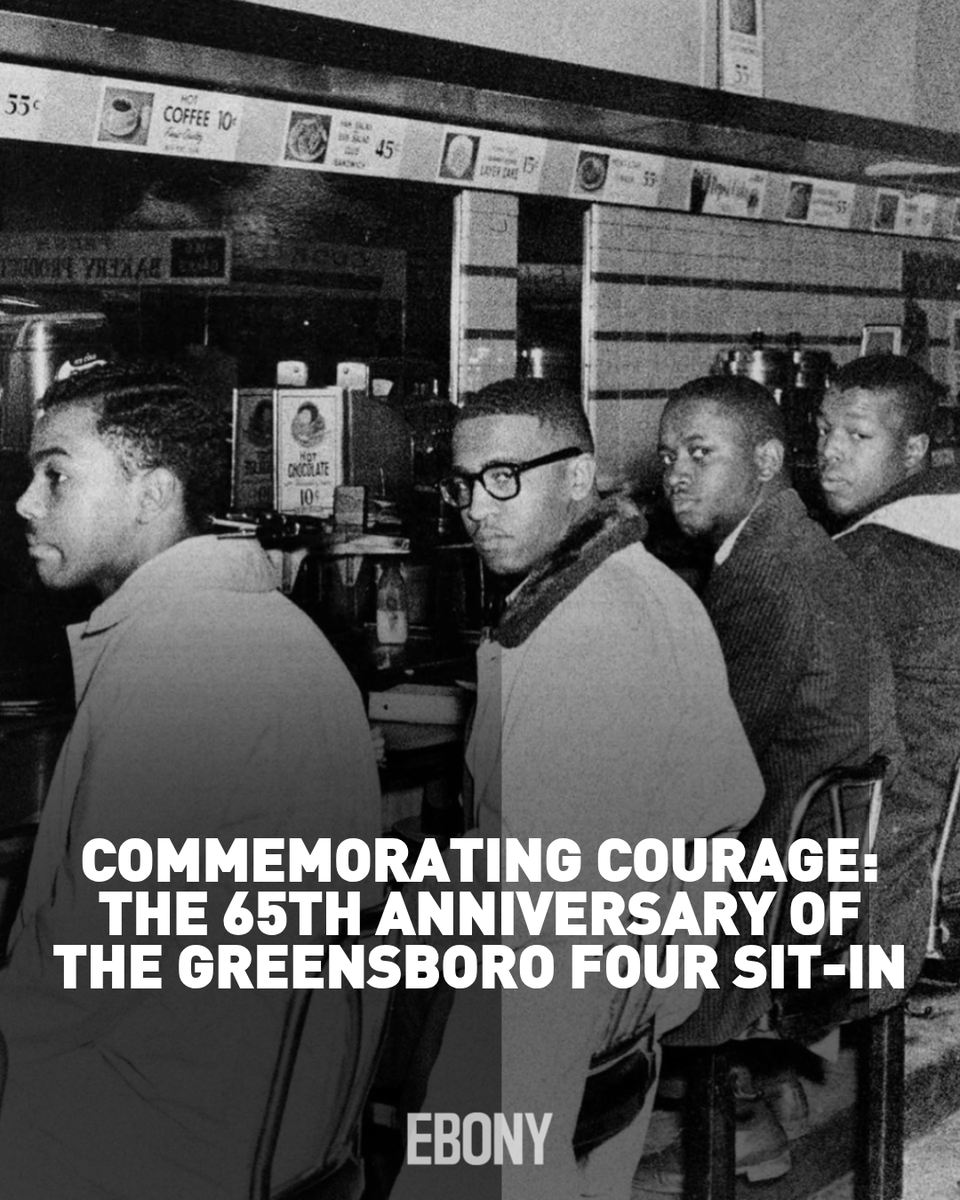
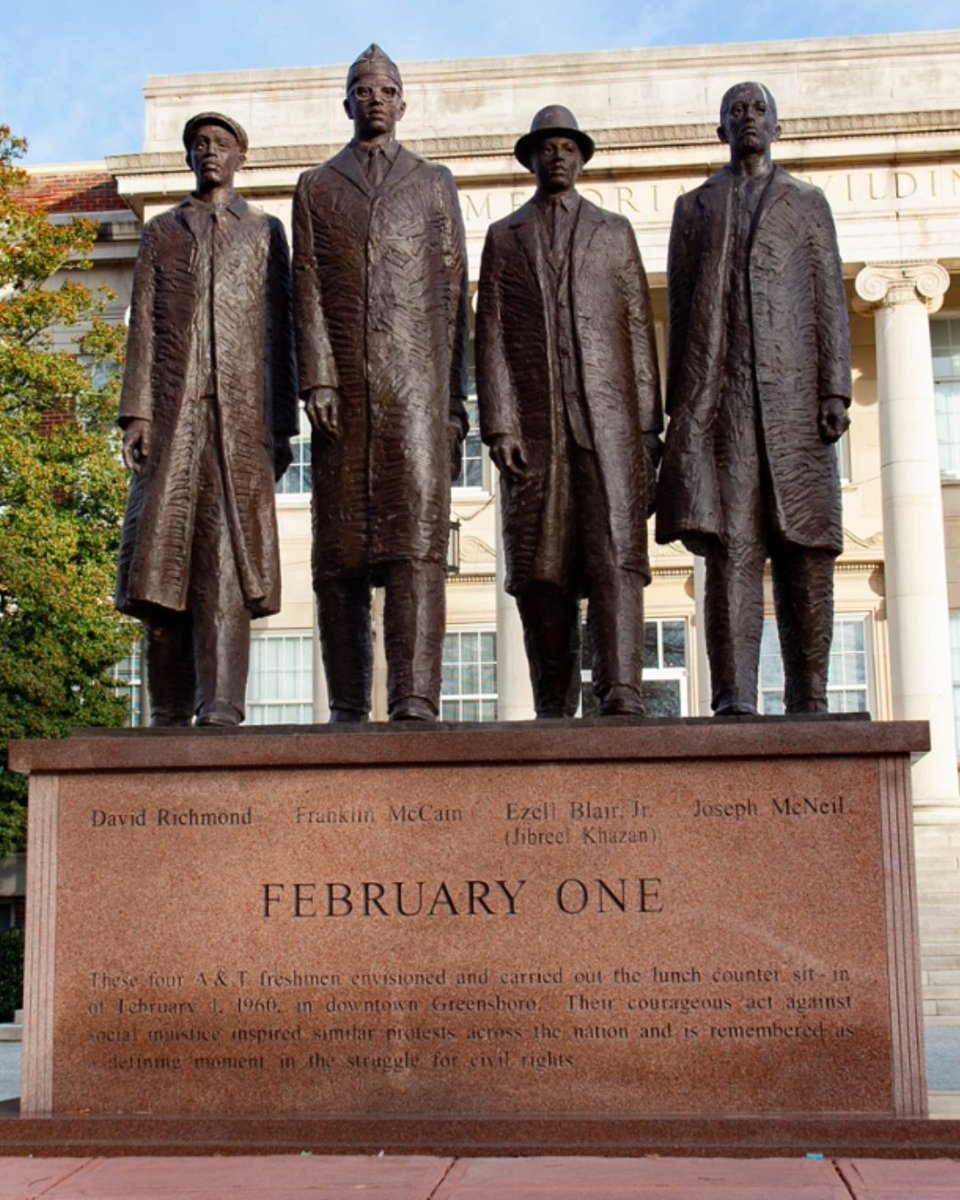
On this day in 1960, four African American students from North Carolina A&T—Ezell Blair Jr. (now Jibreel Khazan), David Richmond, Franklin McCain, and Joseph McNeil—sat down at a segregated Woolworth's lunch counter in Greensboro, North Carolina, sparking a movement that would forever change the fight for civil rights.
#OTD in 1960, 4 African American students attending @ncatsuaggies staged the first sit-in at the Woolworth's lunch counter in Greensboro, NC. Learn more about the Black American tradition of activism on our Searchable Museum: https://t.co/udUsVqfOFj #BlackHistoryMonth
#OnThisDay in 1863, the 1st South Carolina Volunteer Infantry Regiment — the Civil War’s first combat unit made up of Black soldiers that escaped slavery — officially began their service for the Union Army, even though they had already been fighting for months.
Their commander, Col. Thomas Wentworth Higginson, wrote that the officers did not come “to teach lessons, but to receive them. There were more than 100 men in the ranks who had voluntarily met more dangers in their escape from slavery than any of my young captains had incurred in all their lives.”
With the help of their scout, Harriet Tubman, the regiment conducted successful raids along the coasts of South Carolina, Florida and Georgia. Susie King Taylor, who had just run away from slavery at age 14, became their nurse. She later married one of the soldiers and was reportedly the only Black woman to publish a Civil War memoir.
The regiment helped to capture Jacksonville, Florida, twice, first in March 1863 and later in February 1864. They also helped capture Charleston, South Carolina, serving as part of the city’s Union garrison.
Higginson documented the courage of the soldiers: “Till the Blacks were armed, there was no guarantee of their freedom. It was their demeanor under arms that shamed the nation into recognizing them as men.”
https://t.co/j7Bs4L0MfU
As we celebrate Black History Month, we remember the Greensboro Four—Ezell Blair Jr. (now Jibreel Khazan), David Richmond, Franklin McCain, and Joseph McNeil—who, on February 1, 1960, boldly sat at the segregated Woolworth’s lunch counter in Greensboro, North Carolina.
These four freshmen from North Carolina Agricultural and Technical State University sparked a powerful wave of sit-ins across the country, challenging racial segregation and reinvigorating the civil rights movement. Their peaceful protest not only demanded service but also demanded change, inspiring countless others to join the fight for equality and justice. As this year marks the 65th anniversary of their courageous act, we honor their legacy and the enduring impact of their bravery on the journey toward civil rights.
65 years ago today, four Black college students sat at a whites-only lunch counter at Woolworth's in Greensboro, NC, inspiring thousands to stand up and march for equality.
Today, I'm remembering the #GreensboroFour on the first day of #BlackHistoryMonth.
#OnThisDay in 1960, four Black freshmen students from North Carolina A&T — Franklin McCain, Joseph A. McNeil, David L. Richmond and Ezell A. Blair Jr. — began to ask themselves what they were going to do about discrimination.
“At what point does a moral man act against injustice?” McCain recalled.
McNeil spoke up. “We have a definite purpose and goal in mind,” he said, “and with God on our side, then we ask, ��Who can be against us?’”
That afternoon, they entered Woolworth’s in downtown Greensboro. After buying toothpaste and other items inside the store, they walked to the lunch counter and sat down.
They ordered coffee, but those in charge refused to serve them. The students stood their ground by keeping their seats.
The next day, they returned with dozens of students. This time, white customers shouted racial epithets and insults at them. The students stayed put. By the next day, the number of protesting students had doubled, and by the day after, about 300 students packed not just Woolworth’s, but the S.H. Kress Store as well.
A number of the protesting students were female students from Bennett College, where students had already been gathering for NAACP Youth Council meetings and had discussed possible sit-ins.
By the end of the month, 31 sit-ins had been held in nine other Southern states, resulting in hundreds of arrests. The International Civil Rights Center & Museum has preserved this famous lunch counter and the stories of courage of those who took part in the sit-ins.
https://t.co/qC7ZleyD0W
26 year old Langston Hughes at Lincoln University in 1927 (he attended 1926-1929)
—Born in Joplin, Missouri February 1, 1901 James Mercer Langston Hughes had already spent two years in Paris working as a busboy in a Montmartre restaurant owned by WWI pilot Eugene Jacques Bullard. It was in that club he first heard the music of Black American jazz greats who fled to France following the war. One of the earliest innovators of “jazz poetry”, Hughes is best known as the Poet Lauréat of the Harlem Renaissance. Hughes died May 22, 1967 in NYC.—
The Brotherhood of Sleeping Car Porters, led by A. Philip Randolph and made up of porters employed by the Pullman Company, was the first Black-led union to secure a contract with a major U.S. company. Fighting low wages and harsh conditions, these men paved the way for labor and civil rights victories that reshaped America. Here’s a look back at one of their triumphant fights—that began in 1934—for better working conditions. #BlackHistoryMonth
🎥: WTTW News, Chicago Stories, 2001