New research shows that fatigue from Teams, Zoom and other virtual meetings is a demonstrable neurological phenomenon. It differs from the fatigue experienced in face-to-face settings (brain images show that). Certain platform features, such as seeing our own faces, makes the fatigue worse.
Scientifically-based strategies to address "Teams fatigue":
1) Mix in some audio-only meetings (eg, phone calls/conference calls): this reduces the cognitive load and means people can move about during the meeting
2) Try to stick with one platform: switching between Teams, Zoom, Google Meet etc, makes the fatigue worse
3) Practice "IT mindfulness": actively explore & adapt the technology to better suit your needs
4) Switch off the "self-view" function (so others can see your face on screen but you cant): in virtual settings, maintaining a continuous self-view can unintentionally affect both individual performance & group dynamics
https://t.co/QqYZqF00JH. Newly published in @mitsmr.
Graphic via @springroleinc.
September is Pain Awareness Month! Follow @BritishPainSoc for resources & information focusing on a unified approach across the UK to improve pain management, raise awareness & empower those affected
https://t.co/QD2oLPHNcY
#PainAwarenessMonth
Are you a healthcare professional?
Plain Talking wants to know the type of resources you need to support the health literacy of your patients. In 2 minutes, you can help us develop valuable materials to disseminate health literacy.
Take it here: https://t.co/1H2rJO18Mx
I've been wanting to write articles about my recovery for so long and here we go, my first one!
I hope it reaches people who need help with their pain. I'd be so grateful if you could share it for me.
My 5 top tips for reducing chronic pain https://t.co/pZ3ebxc5Mt
Walking 15,000 steps a day for motor neurone disease (MND) as my dad suffers with this awful disease. Every penny counts if you have any to https://t.co/A9oIrt7WYk
.@NHSEngland has published five decision support tools to assist #SharedDecisionMaking conversation between clinician and patient by explaining treatment, care and support to help the patient consider what matters most to them. #PersonalisedCare@sfinnikin
https://t.co/vhlvmneoNY
Diagnostic labels and explanations impact beliefs about hip pain
🩻Avoid terms degeneration, wear and tear, and bone on bone when diagnosing hip pain
Link: https://t.co/8TrfwgrMAg
Massive thanks to my PhD supervisors and collaborators😀
@CHESM_unimelb
See infographic below👇
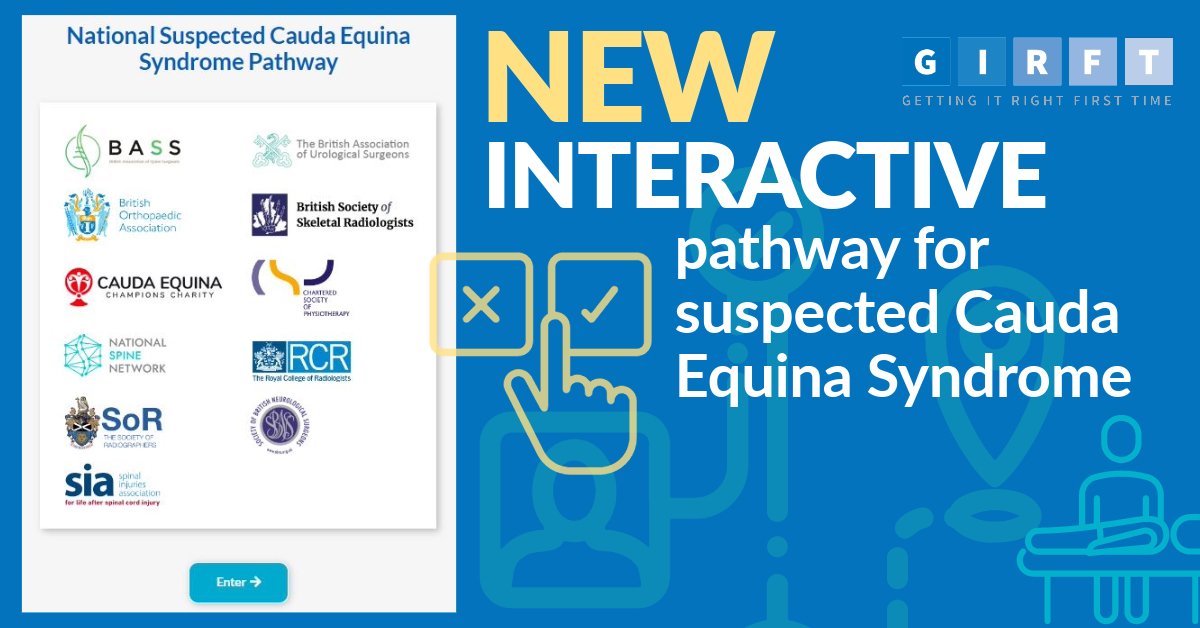
Following consultation @NHSGIRFT CES interactive tool is now live. NSN are proud contribution partners.
The easy-to-navigate, web-based tool is designed for use by clinicians at every stage of the patient pathway!!
Link below to share, discuss & use!!
https://t.co/ogcWEt4A4l
Really pleased to see this article in @TIME which backs up what I tell people about doing a little more today than you did yesterday! 10,000 steps was a daunting challenge for many so I welcome this report! https://t.co/e584TDmcPZ
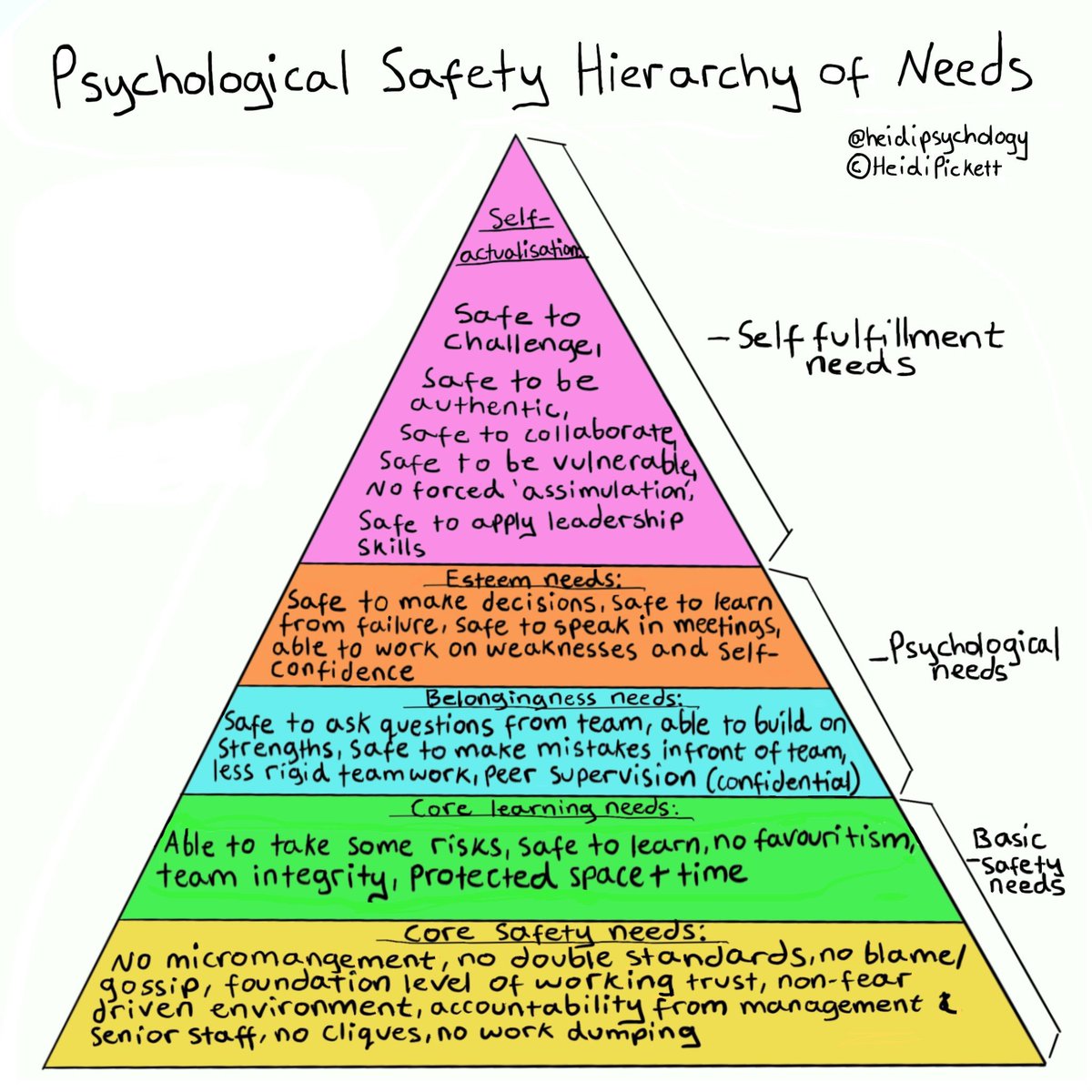
The psychological safety hierarchy of needs at work by @heidipsychology. I appreciate how Heidi has created three categories. At the base are basic safety needs like not being micromanaged. Next is psychological needs like belonging & sense of esteem. At the top is self-fulfilment needs, the ability to be our true, authentic selves. People who work at the top of their pyramid are the ones with the potential to deliver the best performance.