Open position: Research Associate in Wheat Molecular Genetics and Breeding at Oklahoma State University Annual salary offered is $48,000 - $60,000 based upon qualifications. https://t.co/YAbMROi2SC @WheatInitiative@uswheatassoc@USWBSI
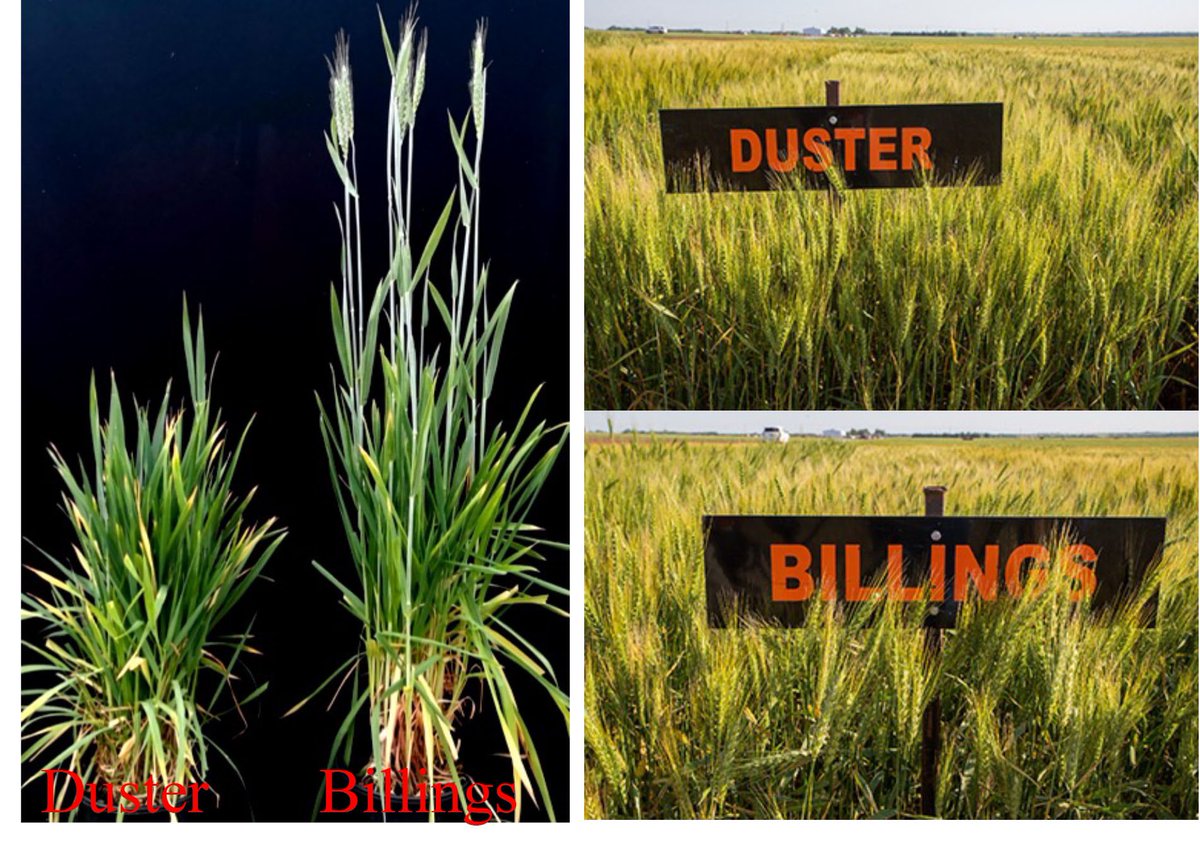
@osuwit @jtedwards19 @drshrum From the Duster DNA, we have been able to dig out several elite genes, including TaOGT1 for delayed development (Nat Commun, 2021), Lr34ab for leaf rust (TAG 2020), QYld.osu-1BS for higher yield (Mol. Breed., 2020), and TaHf1 for Hessian fly (BMC Genomics 2015). Thank you two.
Dr. Brett Carver @osuwit was awarded the Eminent Faculty Award for his work in wheat variety development. The award was presented by the OSU President @drshrum. Congratulations!
Wheat articles have been rarely published in CELL. The susceptible gene TaPsIPK1 is a good target for editing to increase wheat resistance. https://t.co/WLLMVrOUq0
Flowering time is always an interesting research topic. You may be surprised that wheat is able to flower 25 days after planting (DOI:10.1186/s12864-017-4239-8) or never flower (DOI:10.1266/ggs.82.167) even after vernalization was given.
We discovered that TaOGT1 is able to tell a large difference in greenhouse but a subtle difference in field in flowering time between two winter wheat cultivars. TaOGT1 will help wheat adapt to future climate scenarios. https://t.co/raP2ZxOtd1
We discovered that a point mutation in the NLR protein causes spontaneous death! This gene will be used as a molecular tool to kill those cells we do not want in plants and make special wheat. doi: 10.1093/plphys/kiab058
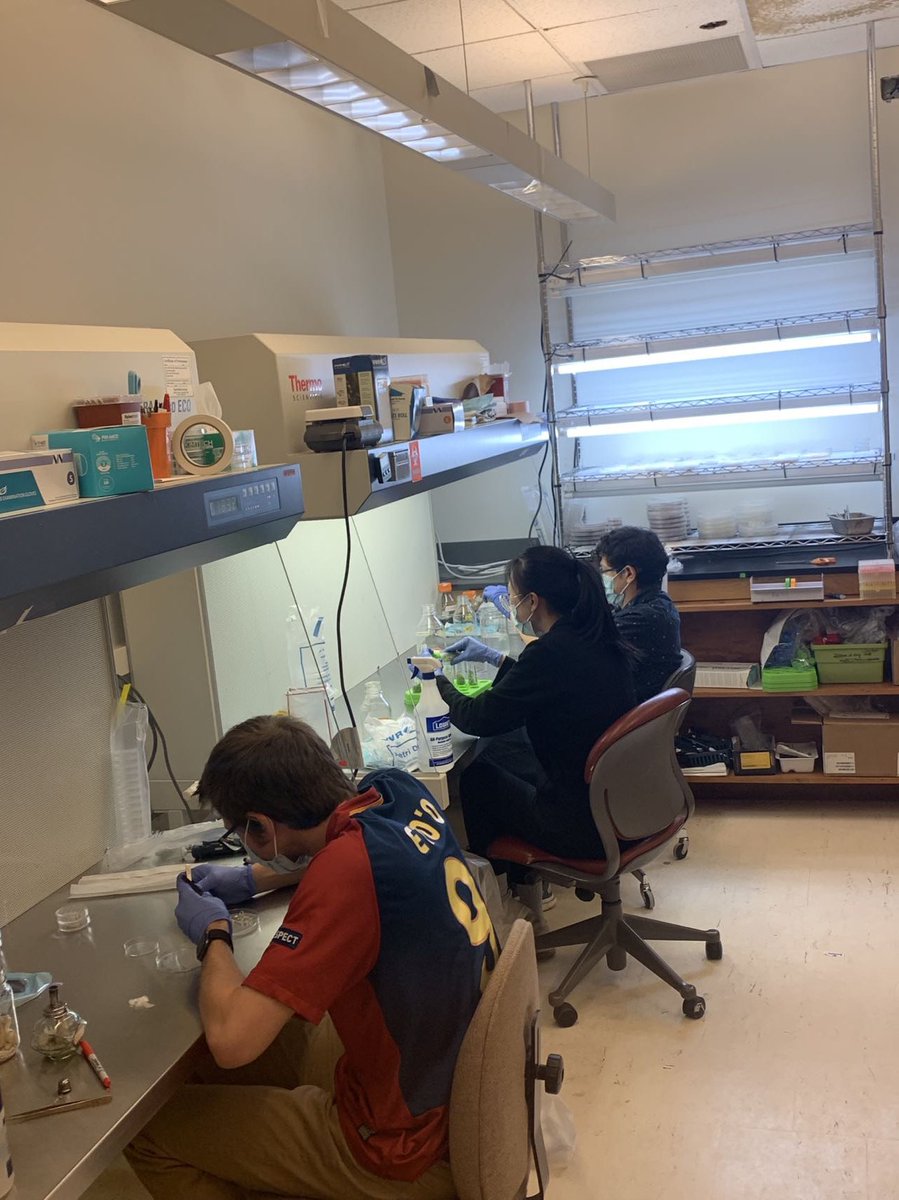
Wheat gene cloning and editing crew had noodles at Crepe Myrtle, Stillwater, after excising >10,000 immature embryos for transformation with objectives to increase grain yield and improve starch quality. Enjoy working on wheat and enjoy eating noodles.
#OkStateWheat Duster carries resistant Lr34a AND susceptible Lr34b alleles for leaf rust in a newfound duplicated fragment, challenging conventional knowledge of Lr34. New markers were developed to track Lr34ab
https://t.co/xsMoy8AGNX
This significant research accomplishment will likely help feed the world more efficiently and has already led to more progress and gene identification. Outstanding work, Dr. Yan!
#okstate professor and scientist Liuling Yan has made a groundbreaking wheat gene discovery that increases wheat yield by more than 10%!
#OrangeIsTheAnswer
https://t.co/mBD5Xo51fY
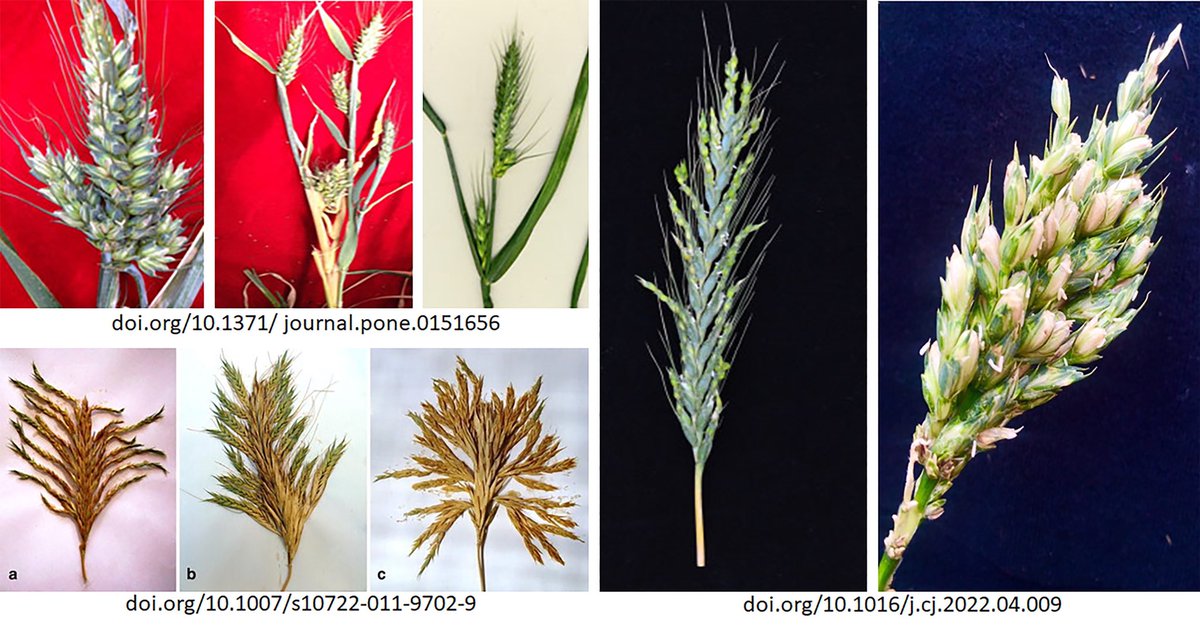
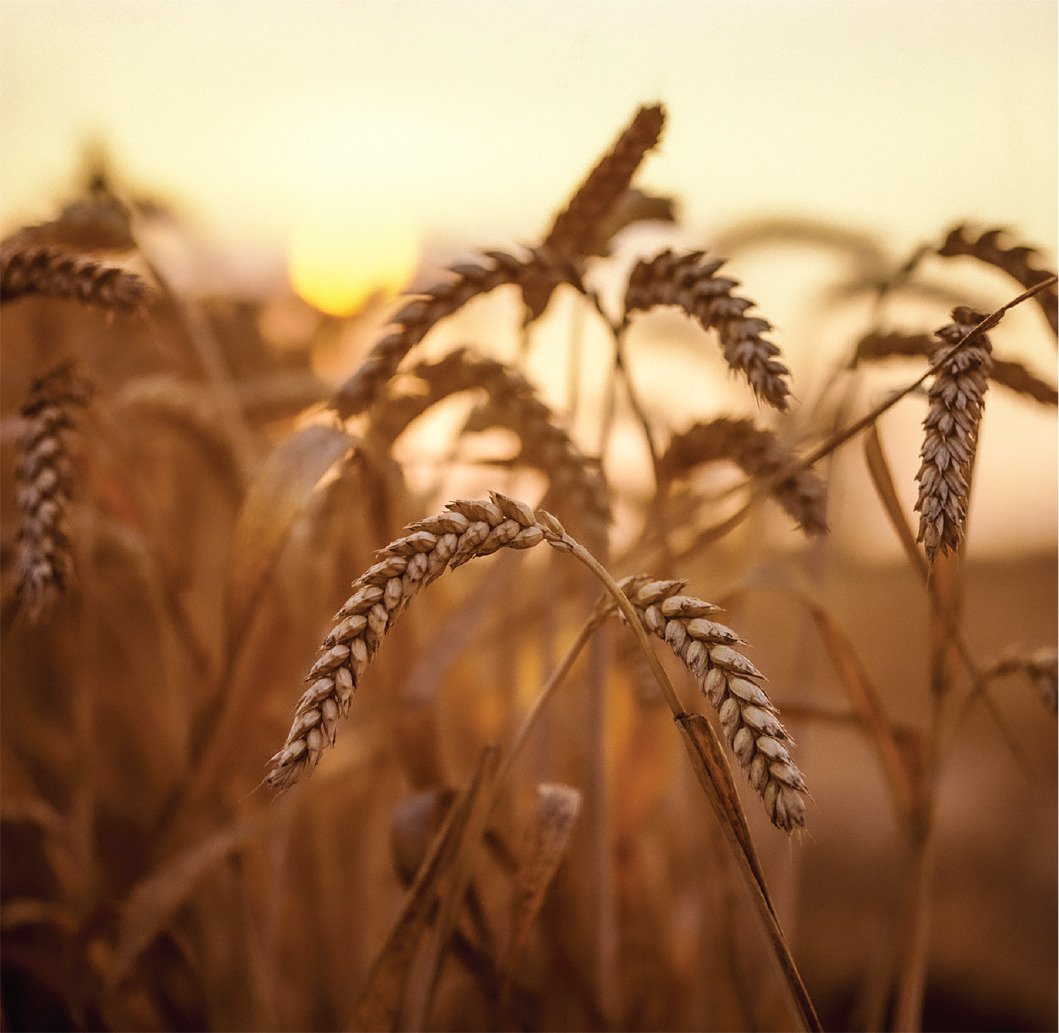
You eat wheat and even work on wheat, but you might not have seen all the wheat spike morphologies posted here. See details in publications. There is a lot of interest in genetic study on spike morphology. There is a huge genetic potential for grain yield.
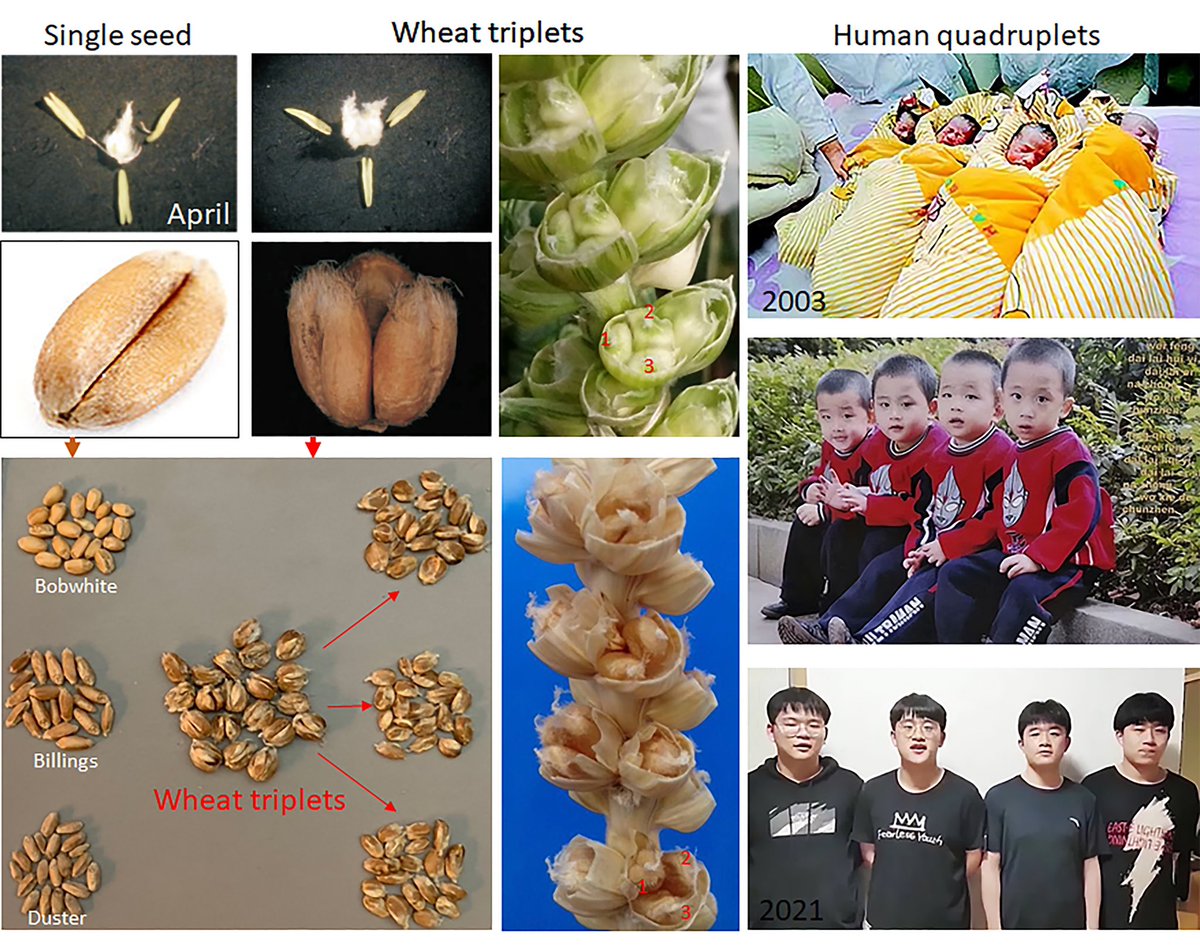
A gene tripling the number of grains in wheat deserves cloning! This interesting phenotype was reported in 2008 and the gene has not yet been cloned. This gene would boost crop yield to feed a rapidly growing human population. Wheat triplets vs. human quadruplets!
This two-minute video explains how we cloned a gene to increase wheat yield by 11.8%. We hope that this discovery will help feed a growing population and counter the effects of climate change on crop yield. This is a Science story with the logo of Oklahoma State Uni. Go pokes!