gm fam
kept opening the night screen and just staring at the sleep score with zero idea what to actually change.
@sleepagotchi drops a chat box right on that screen so you ask instead of guessing.
type a question and the coach answers from your own tracked night...
after i synced Apple Health, the reply called out deep sleep, REM, HRV and resting heart rate.
then it pointed straight at tonight’s plan.
the plan lists short actions, like 4-7-8 breathing, a body scan and rain sounds.
there’s also a suggested line to prep a plan, plus a small counter before the next send.
the score alone didn’t tell me much...
the chat did, once the health permission was on.
when you open the chat, does the reply cite last night fragments, or stay vague until the wearable sync finishes?
gn CT.
ZeruAI is building a trust layer for onchain finance.
@zerufinance is taking something crypto already has in abundance wallet history and turning it into usable financial intelligence.
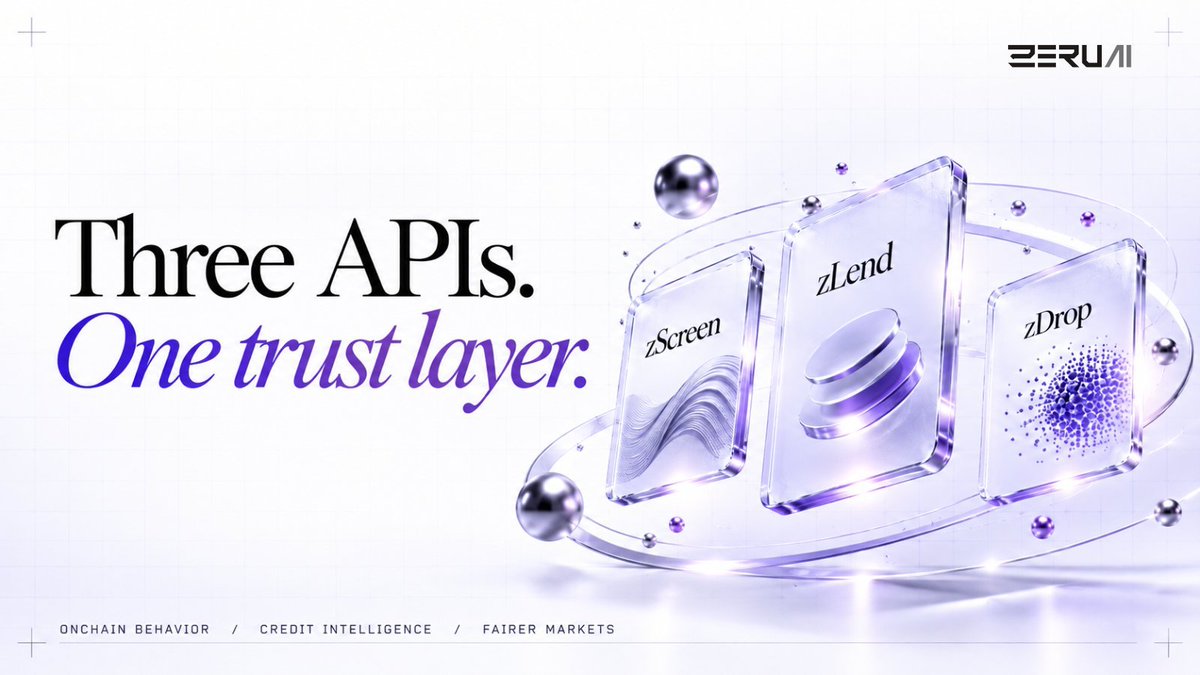
zScreen looks across 11 years of Ethereum history to help with wallet screening and risk analysis.
zLend uses 70+ onchain credit signals from actual cash flows to build a deeper picture of wallet behavior.
zDrop focuses on Sybil-aware allocation, helping protocols distinguish real users from wallets built to farm incentives.
What makes this interesting is how these products connect.
The same onchain behavior that can help identify risk can also help evaluate credit, understand users and allocate incentives more intelligently.
As more financial activity moves onchain, wallet history becomes more than transaction data.
It becomes a source of trust.
And that’s the layer @zerufinance is building around.
I looked under the hood of @Hertzflow_xyz , and the interesting part isn't the leverage,
It's what happens after you submit an order.
From the user side, trading looks simple:
Submit order > Get position.
under the hood, HertzFlow uses a two step execution model:
Request creation > Keeper execution > Position update.
The order flow gets more interesting here:
Exchange router > Order vault > Order handler > Position updated
The keeper handles the execution step after the order request is created.
Then there's pricing. the price you see on the chart is a reference mark price, not necessarily the exact price your order fills at.
actual execution uses the oracle's buy/sell quote.
HertzFlow's docs say Pyth is the primary oracle source, with a CEX index fallback when the Pyth data becomes stale.
So there's more happening behind that simple "Trade" button than the interface suggests.
That's what caught my attention,
the interface is the visible layer. the execution and pricing architecture underneath it is where things get interesting.
That's the part of HertzFlow i am watching.
@Hertzflow_xyz #HertzFlow
i kept wondering how a phone clip of a stairwell or loading bay could be usable without raw faces leaving the phone.
was not sure the on device step was doing real work until i went through the capture path on @vangrid_io
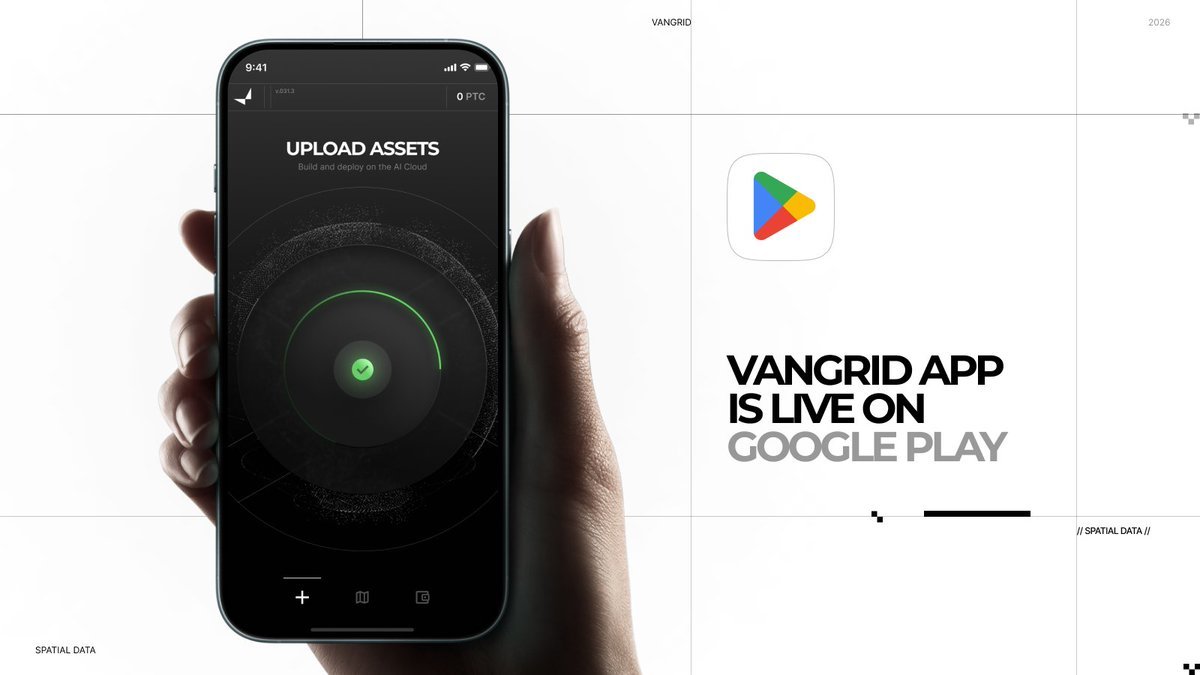
you hit Capture Data, allow the camera, and walk slowly around the subject...
phone stays steady. no quick pans.
faces and plates get blurred on the phone before the clip is encoded.
unblurred frames never leave the device.
only the blurred video uploads.
skip a side and the model comes back with a hole in it...
when you stop recording, the clip runs an automatic quality check.
too short or unreadable, and you are told why before it can be submitted to a bounty at the data side.
i think that check is the part that matters.
the person filming is not handing over a clean face feed.
and a bad walk does not quietly become a 3D mesh.
has that quality check bounced a clip of yours, and did the reason match what you saw on the phone?