@MyRadarWX Is it possible to add the Rip Current risk on the map like this? To see if the ocean is safe for me to go swimming?
And is it also possible to add Isobars too? It would be cool and helpful if we could see Isobars across the globe, along with the fronts layer too.
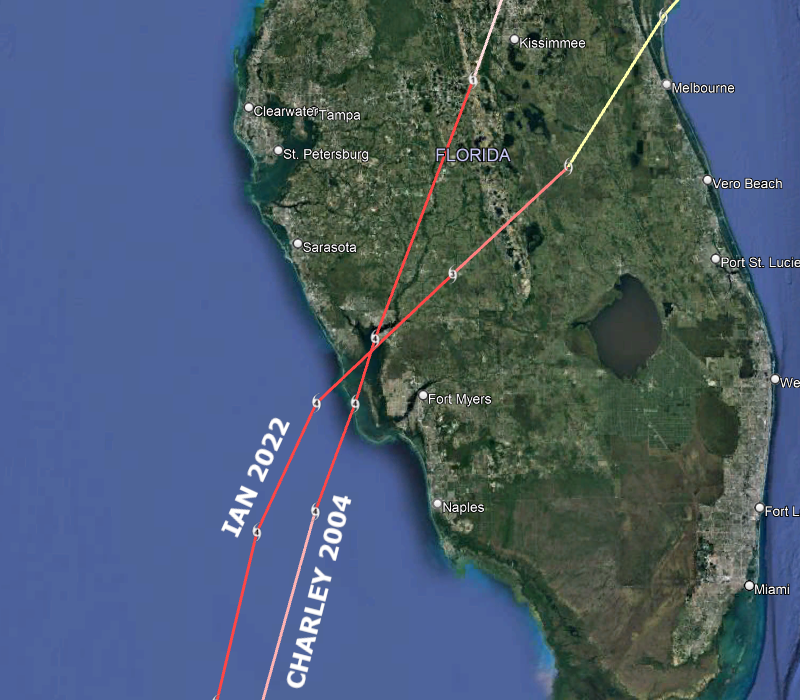
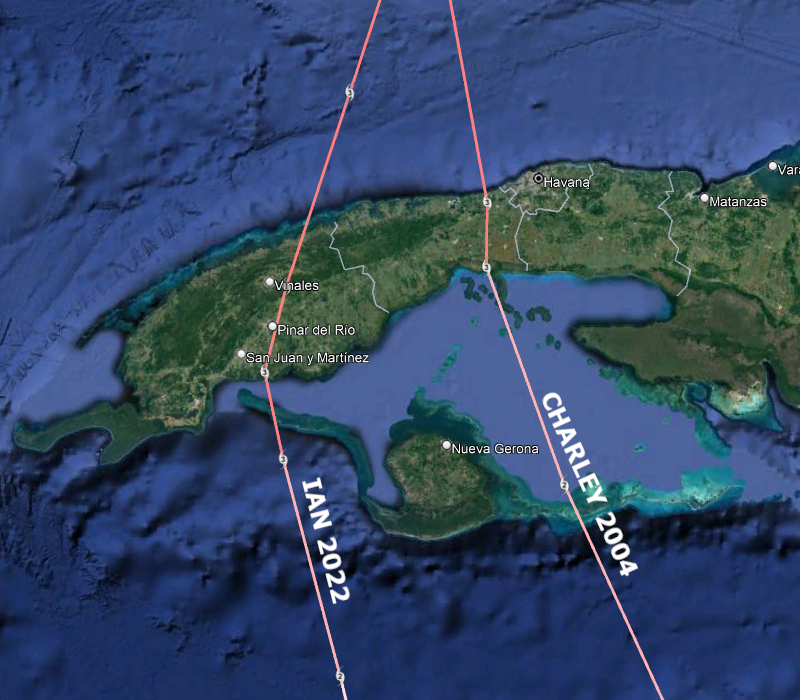
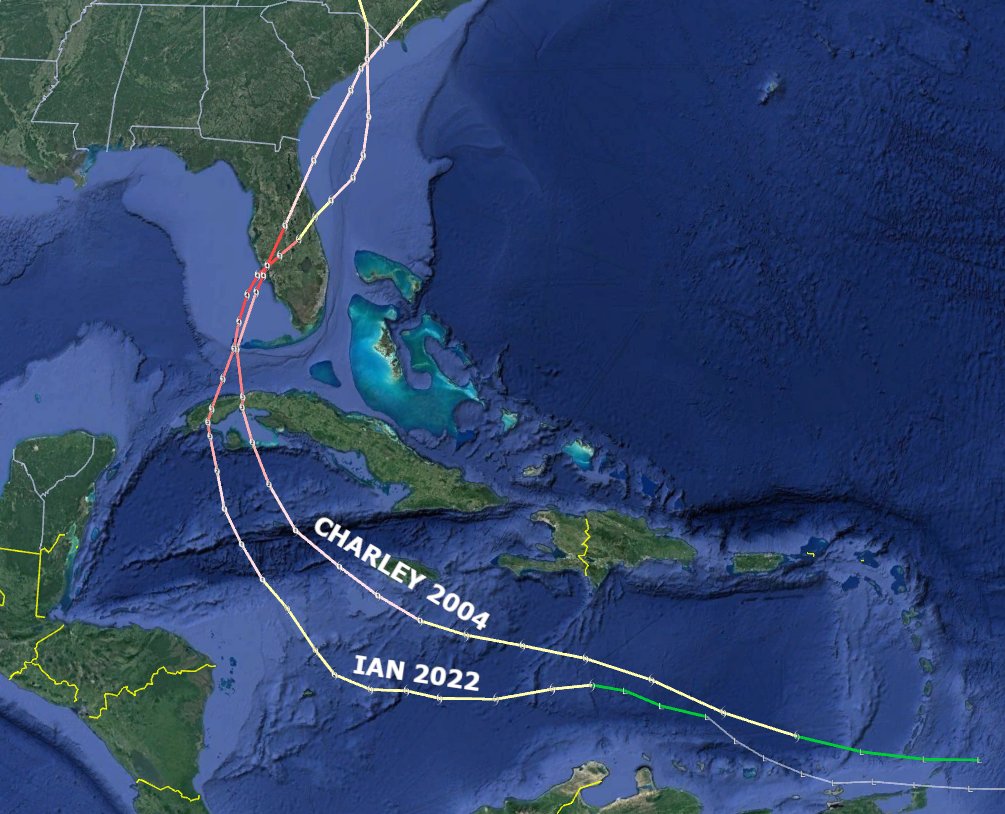
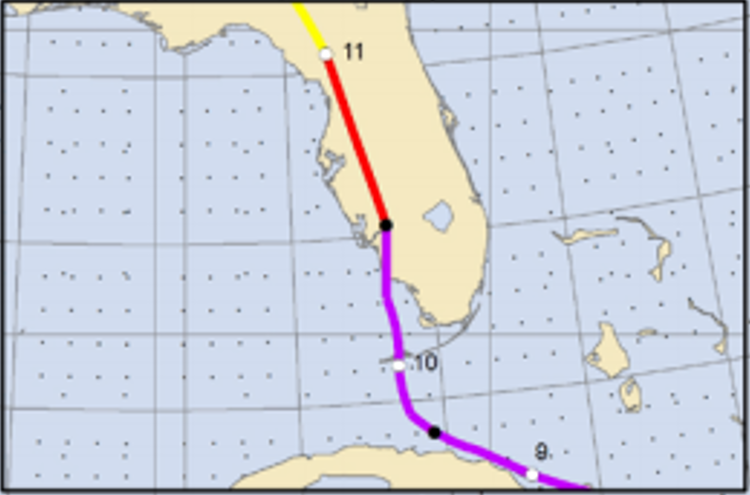
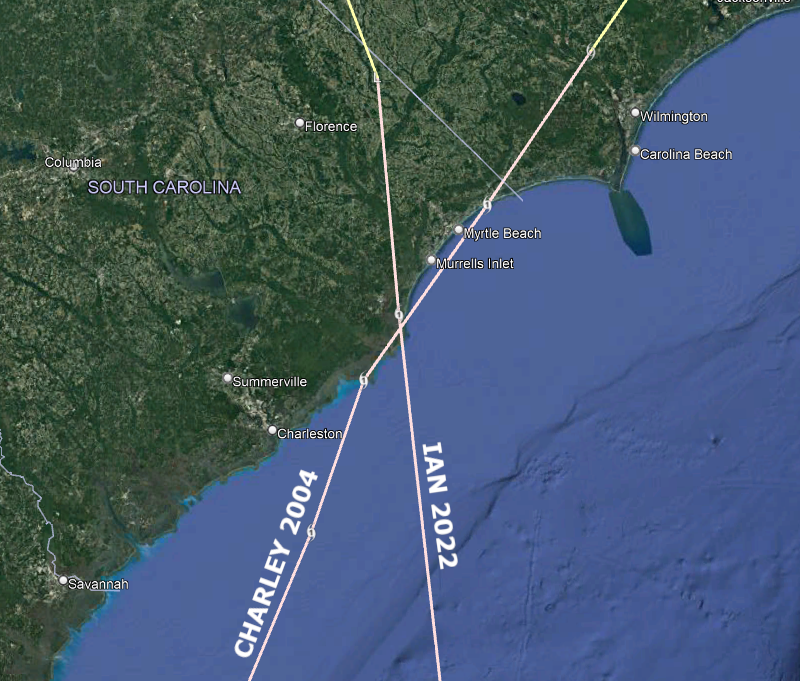
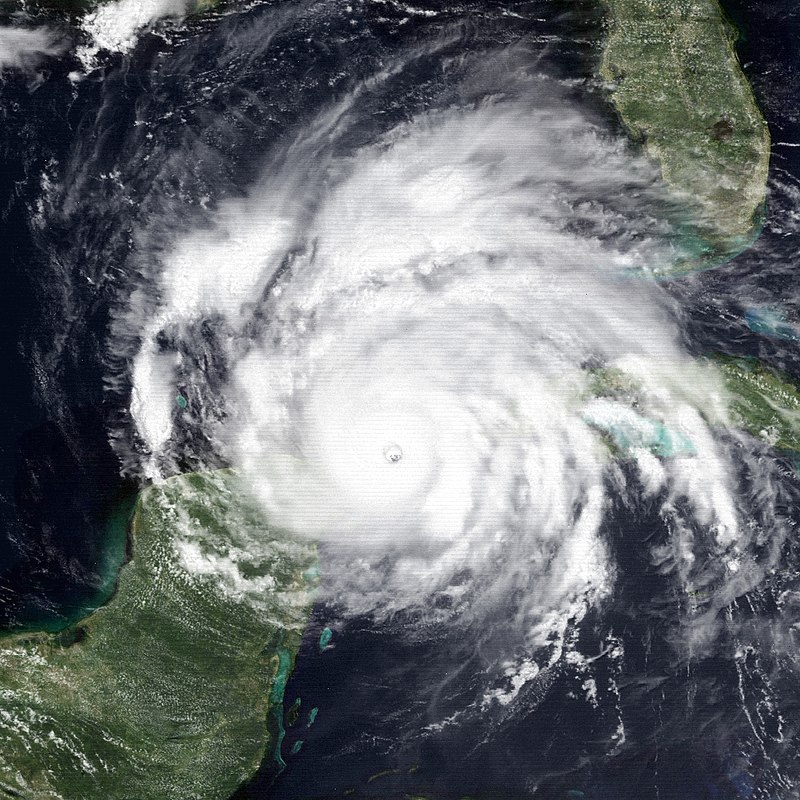
For posterity, the full tracks of #Charley 2004 and #Ian 2022, with zooms on their three landfalls, two of which were at identical locations. Pretty bizarre.
Both were Category 3 hurricanes at #Cuba landfall, Cat 4s at #Florida landfall, Cat 1s at #SouthCarolina landfall.
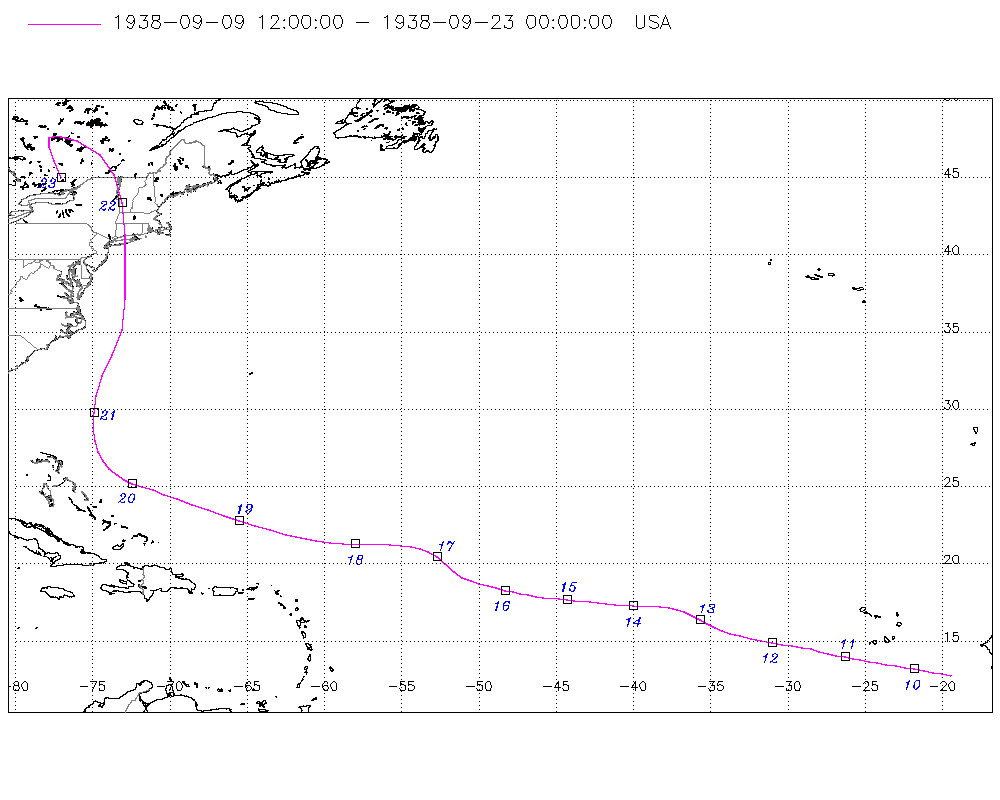
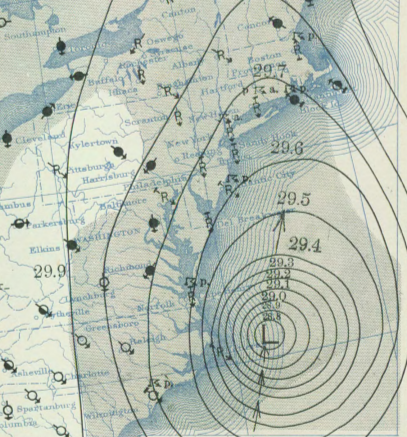
September 21, 1938:
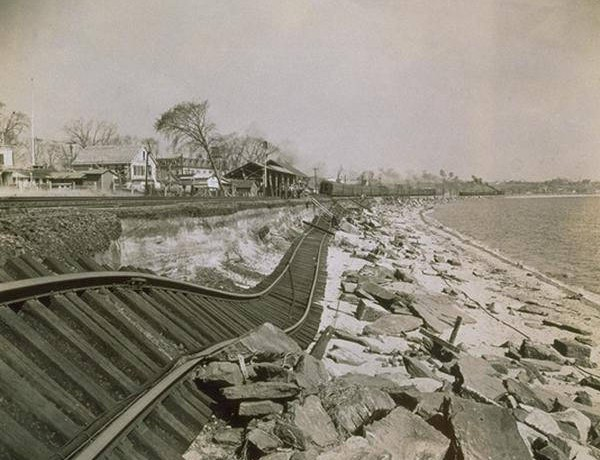
The "Long Island Express" hurricane slammed into New England. This storm remains one of the worst hurricanes in the Northeast's history. At least 600 people were killed and more than 50,000 structures were damaged or destroyed.
#wxhistory
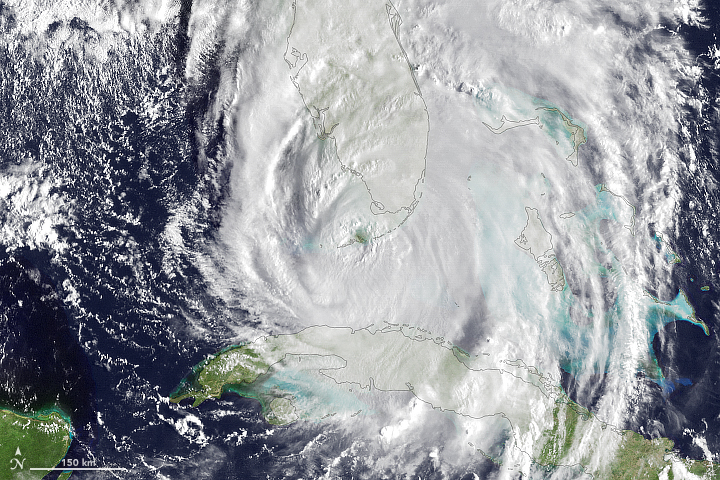
September 10, 2017:
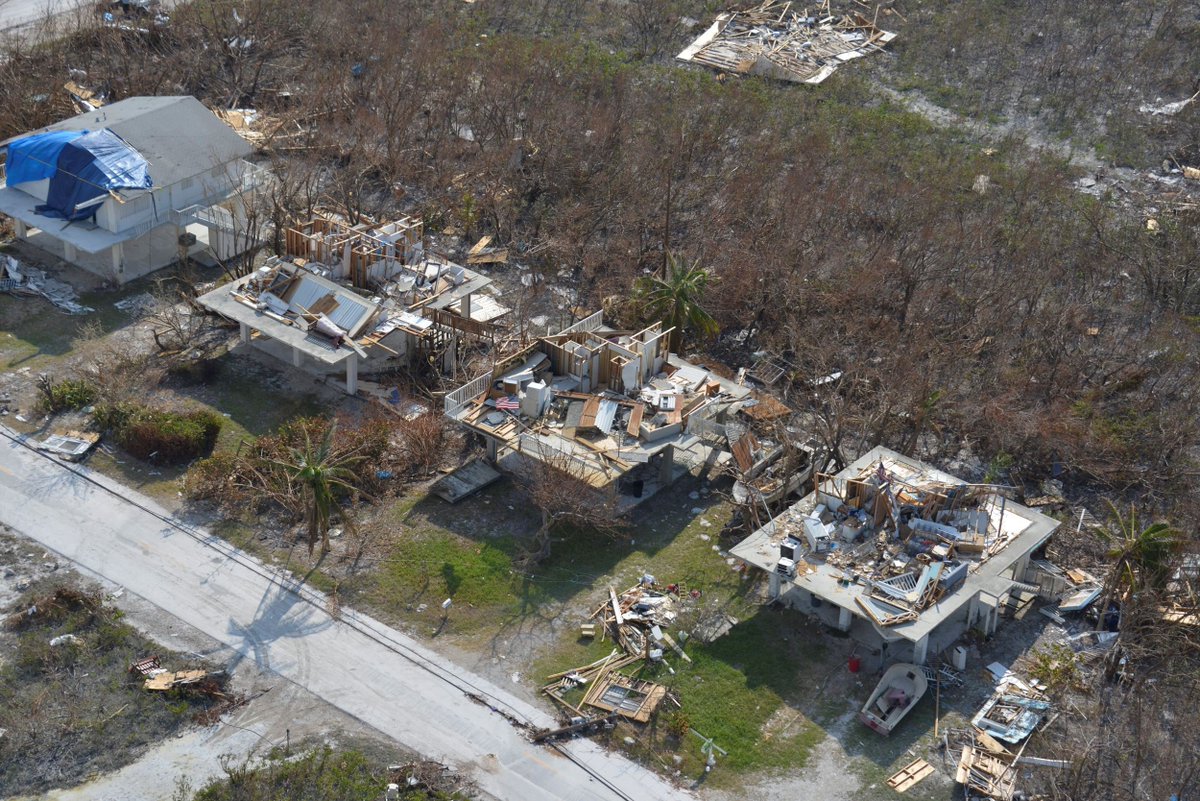
Hurricane Irma made landfall in Florida. The Keys archipelago, which was slammed by Category 4 winds and storm surge of 5-8 ft, saw thousands of structures damaged or destroyed. The storm then made a final landfall on the mainland as a Category 3.
#wxhistory
September 2, 1935:
Florida was slammed by the infamous Labor Day hurricane. The Category 5 remains the most intense storm to have struck the US directly. Parts of the Florida Keys were completely devastated, with estimates putting the death toll over 400.
#wxhistory
August 8, 1899:
Less than a year after the US acquired Puerto Rico, the island was slammed by a powerful Category 4 hurricane. The storm killed at least 3,000 people in the territory and laid waste to many communities. Up to 23" of rain reportedly fell in 24 hours.
#wxhistory
August 7, 1980:
Hurricane Allen bottomed out at 899 millibars while moving through the Yucatan Channel in the southeastern part of the Gulf of Mexico. This was the second-lowest pressure ever recorded in the Western Hemisphere up to that time.
#wxhistory
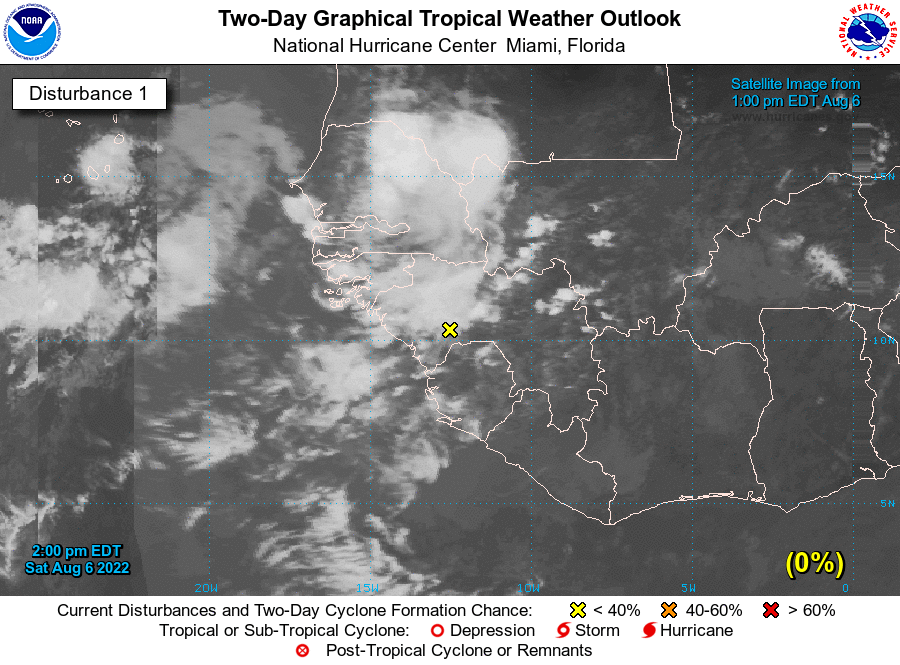
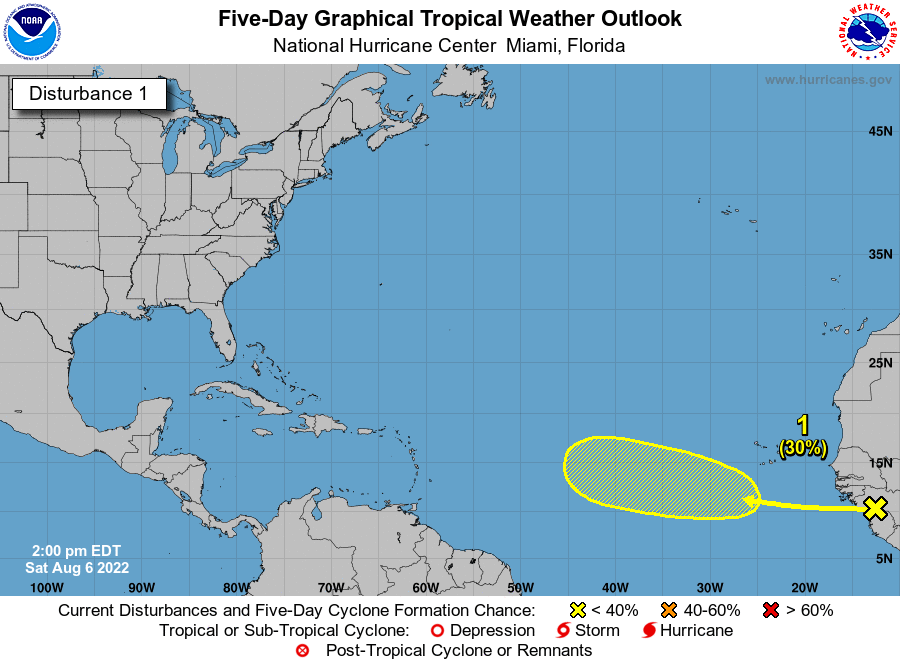
2 pm EDT Aug 6: A tropical wave is forecast to move off the west coast of Africa tonight or early Sunday. Gradual development of the wave is possible while it moves westward across the eastern and central tropical Atlantic through the middle of next week.
https://t.co/m9946DGzPQ
For the first time since the morning of July 13, the Atlantic Tropical Weather Outlook from the National #Hurricane Center has an area of potential development in the next five days - 20% for a tropical wave emerging in the eastern Atlantic
https://t.co/jUn2BN8eJH
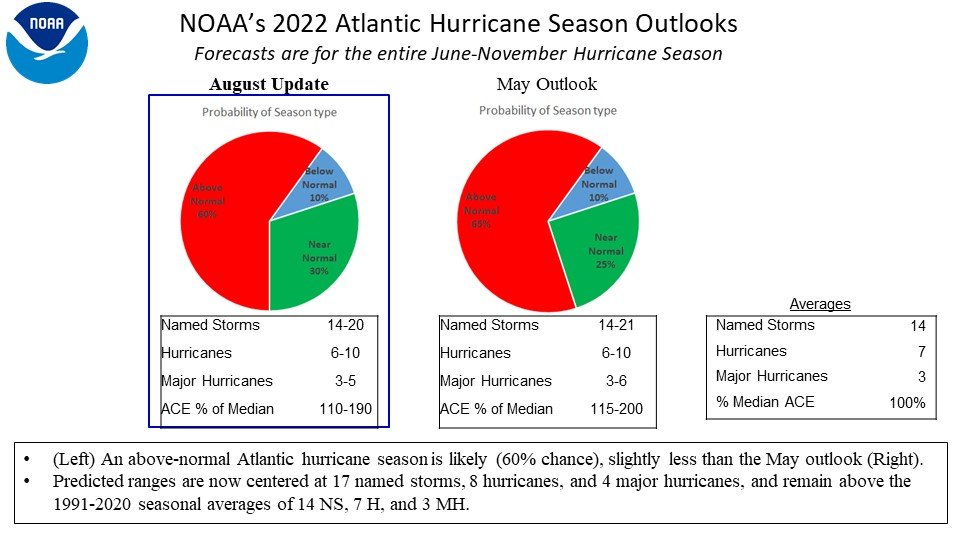
NOAA has updated their Atlantic seasonal #hurricane outlook, reduces numbers slightly but continues to call for above-normal season:
14-20 named storms
6-10 hurricanes
3-5 major hurricanes
110-190% of median Accumulated Cyclone Energy
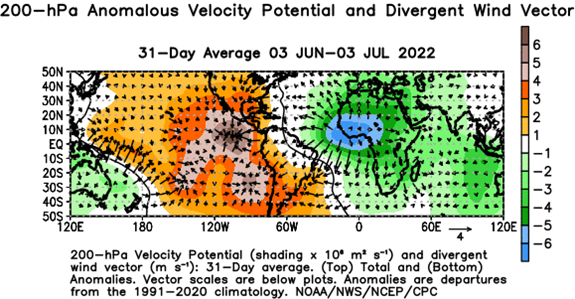
The Atlantic has been quiet recently with large amounts of dry air dominating the basin but as we head into August climatology favors an uptick in activity. The modeled velocity maps look favorable mid-late august with large scale rising air over Africa and a suppressed pacific.
We are currently transitioning into a more favorable MJO phase for the Atlantic Basin. However, dry air in the basin is expected to be a big inhibitor throughout most of this period. A few AOI’s/TC’s are still likely, but dry air should limit anything to significant. #tropics#wx
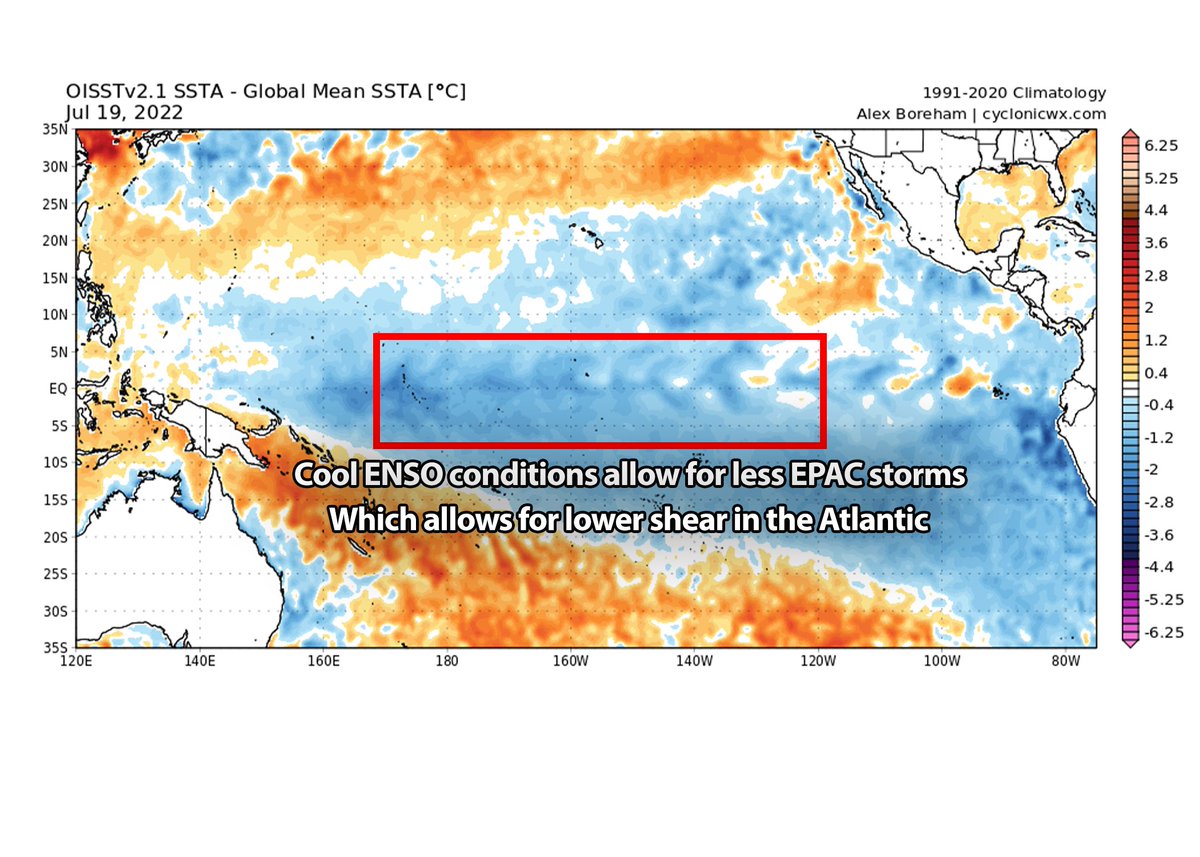
Time to look at what the rest of the 2022 Atlantic hurricane season could be like. Looking at the ENSO conditions, La Niña conditions exist for the 3rd year. This sets the stage for fewer EPAC storms and less shear across the Atlantic MDR.
Looks like an uptick in the 12Z EPS of members developing a weak system in the North Gulf this week. Will be interesting to monitor both models and observational trends as we start the week. Heavy rain seems likely either way.
The NHC has basically marked the entire northern Gulf, for possible tropical development this week. This is due to a stalled/decaying front, that’s expected to form a low, somewhere along the Gulf Coast. Still lots of uncertainty in regards to location and timing. #tropics#wx
July 10, 2005:
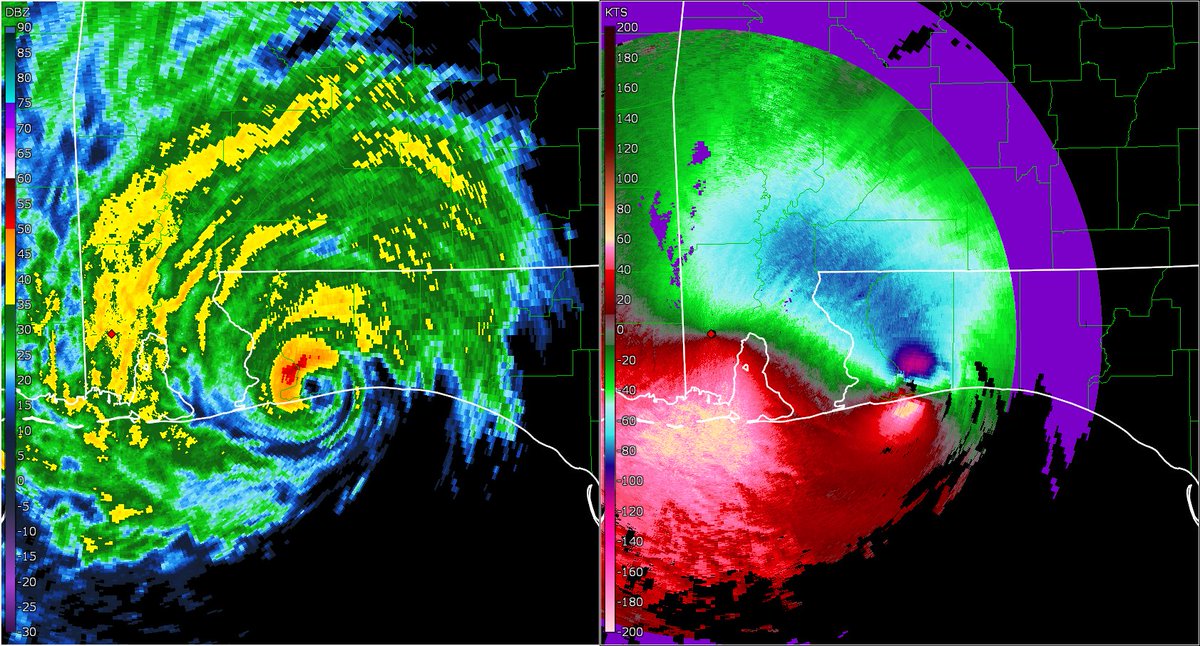
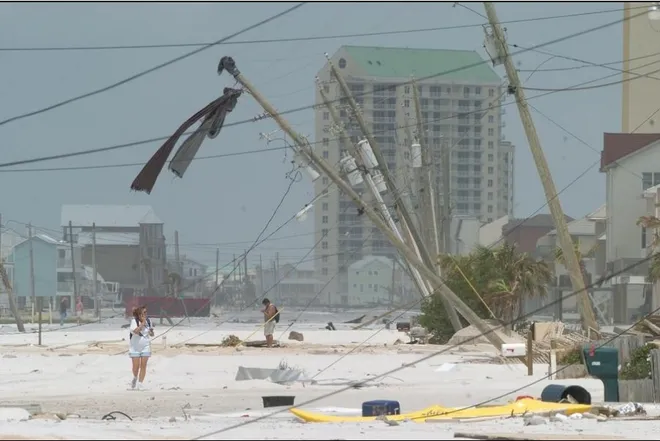
Hurricane Dennis made landfall near Navarre Beach, Florida, as a powerful Category 3 with winds of 120 mph. Storm surge up to 15 feet caused considerable damage on the coast, and rain totals over 7" caused major flooding inland. 15 people were killed.
#wxhistory
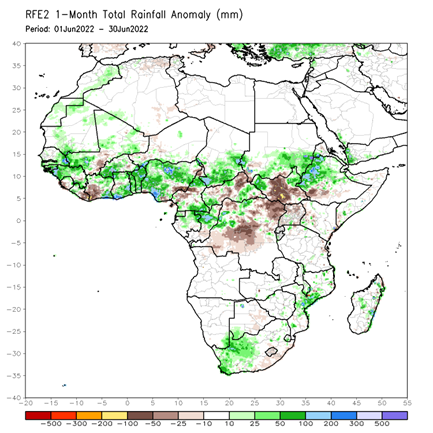
One reason for active Atlantic #hurricane seasonal forecast from CSU is due to robust West African monsoon so far. Stronger easterly waves and more conducive upper-level winds for hurricanes in the tropical Atlantic are typically associated with active monsoon