@invertCucurella @Zeksy_utd Some debates shouldn't be entertained. Struggling you say? It's easy for you to say but not soeasy to accept the defeat, I see.
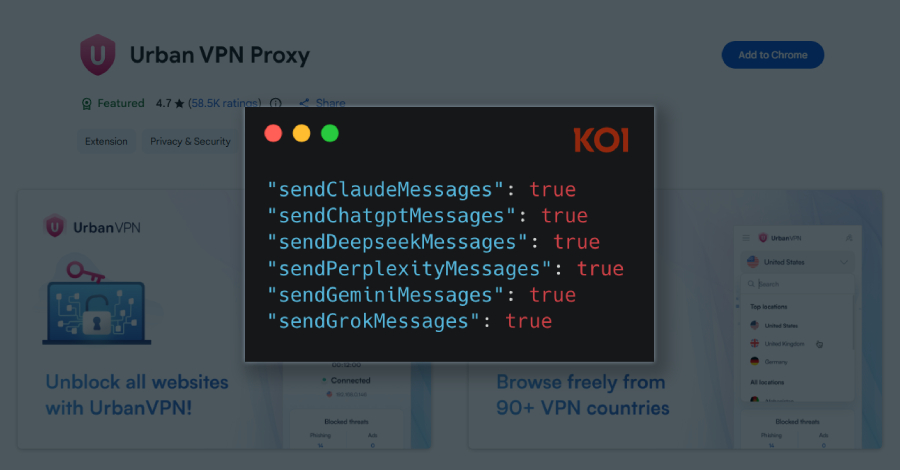
🚨 WARNING: A “Featured” Chrome extension was silently copying everything users typed into ChatGPT and other AI tools.
Prompts. Responses. Sent off-device by default after an auto-update.
It even warned users about sharing sensitive info, while exporting the full chats itself.
🔗 Read: https://t.co/nbwxUKrllp
‼️🚨 Google has released an urgent security update for Chrome to address a high-severity zero-day vulnerability currently being exploited in the wild.
"Google is aware that an exploit for 466192044 exists in the wild."
https://t.co/XF3Lb9SzYQ
THE SCAM BUSTERS' TOOLKIT
Not every 'Hello' is human.
Cybercriminals now impersonate banks, HR officers, & loved ones, using voice notes, emails, and cloned numbers.
Stay Safe
Pause before responding
A joint awareness initiative by Meta × ngCERT
#CyberSecurity#StaySafeOnline
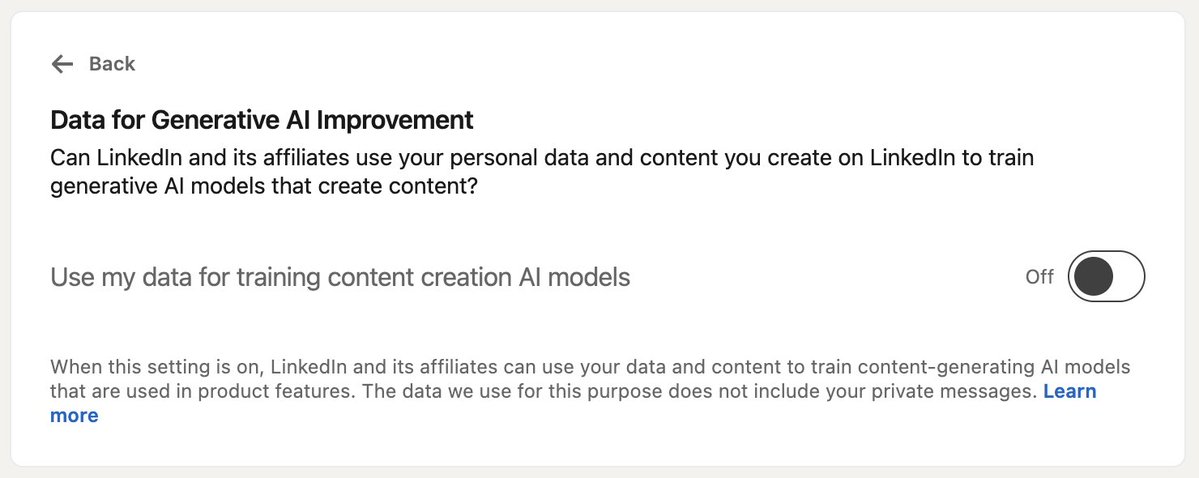
Last chance to turn it off.
On Monday, November 3rd, Microsoft will start using your LinkedIn data for AI training. And remember, you're opted in by default.
To toggle it off 👉 Account - Settings & Privacy > Data privacy > Data for Generative AI Improvement.
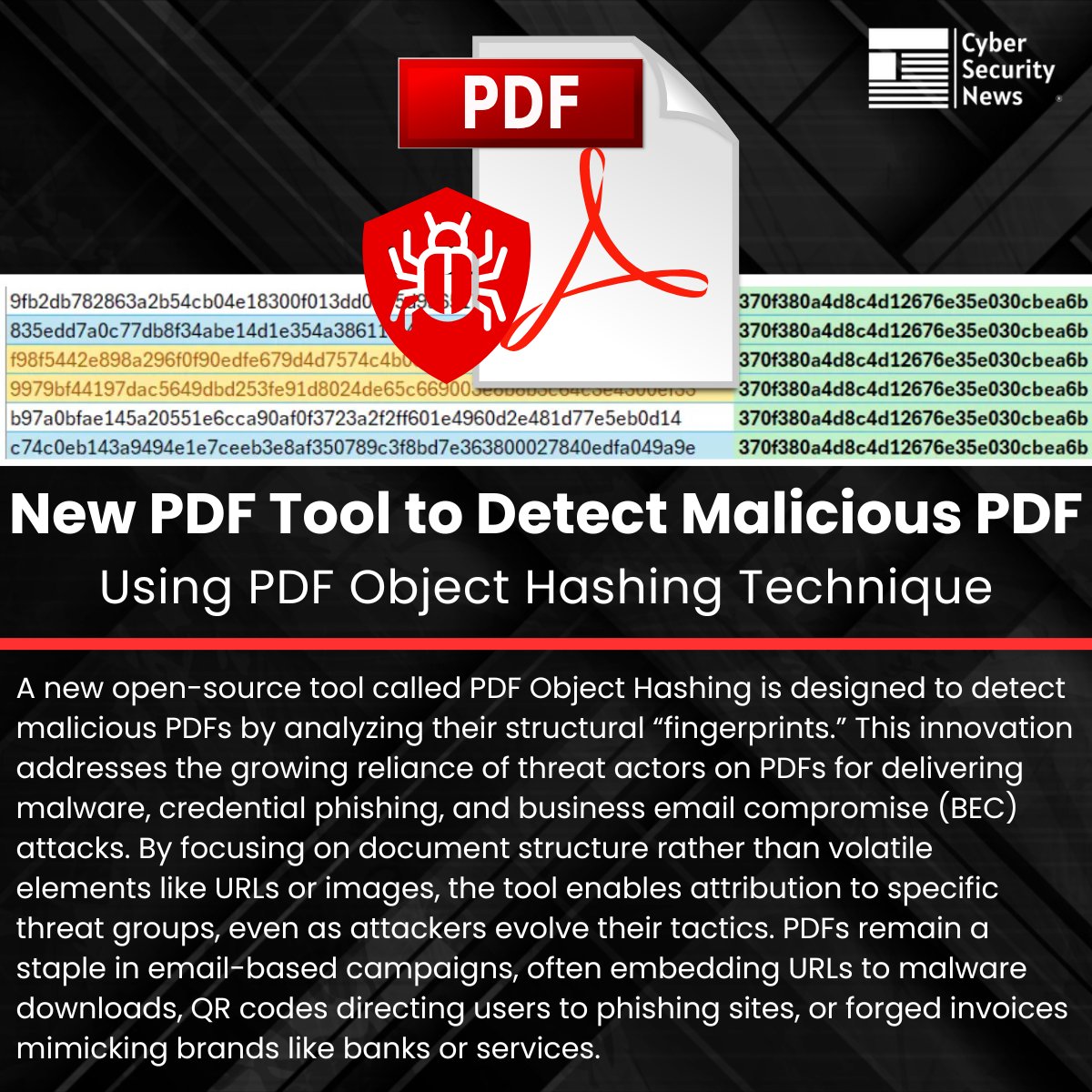
🚨 New PDF Tool to Detect Malicious PDF Using PDF Object Hashing Technique
Read more: https://t.co/VlfbBGC2ld
A new open-source tool called PDF Object Hashing is designed to detect malicious PDFs by analyzing their structural “fingerprints.”
By focusing on document structure rather than volatile elements like URLs or images, the tool enables attribution to specific threat groups, even as attackers evolve their tactics.
PDFs remain a staple in email-based campaigns, often embedding URLs to malware downloads, QR codes directing users to phishing sites, or forged invoices mimicking brands like banks or services.
To Get Daily Security Updates, add Cyber Security News ® as your preferred source on Google -> https://t.co/N1wthFiEi3
#cybersecuritynews
@SongbirdCarolV@InterestingSTEM Shouldn't it be B and D then, as the question in itself does not restrict you from picking more than one. Should have been, which one of the following, but it says which of the following has ...... B and D satisfy the requirement
@JimScrenci@InterestingSTEM The question doesn't say you cannot pick more than one answer. The question doesn't say which one of the following, it says which of the following. So both B and D have a 4, an 8 and one 9. My argument actually 🥺
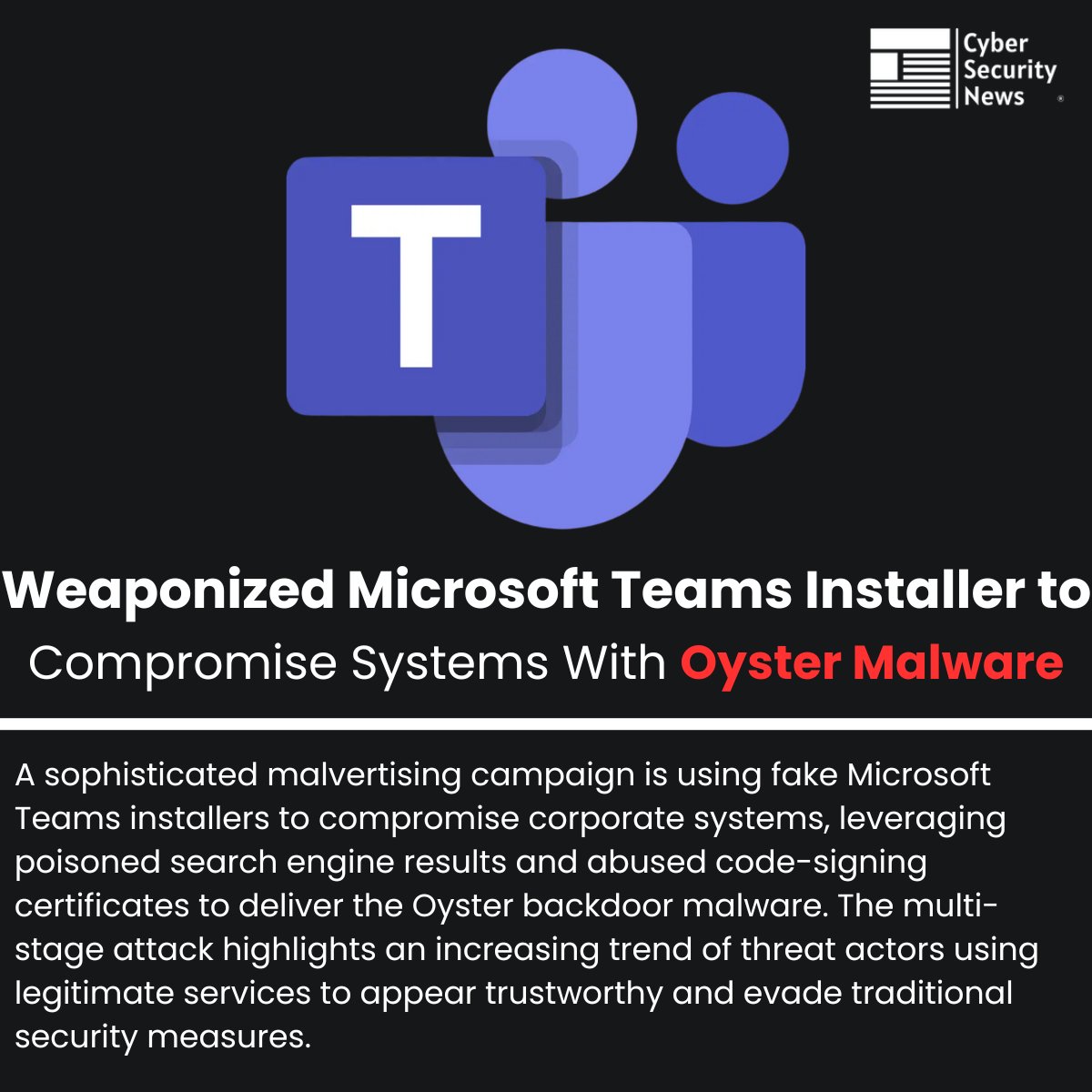
🚨 Weaponized Microsoft Teams Installer to Compromise Systems With Oyster Malware | Read more: https://t.co/LOCVp7ovmC
A sophisticated malvertising campaign is using fake Microsoft Teams installers to compromise corporate systems, leveraging poisoned search engine results and abused code-signing certificates to deliver the Oyster backdoor malware.
The multi-stage attack highlights an increasing trend of threat actors using legitimate services to appear trustworthy and evade traditional security measures.
#cybersecuritynews
There are many criminals here. I just saw an attempted phishing attack happen live. So, @oluwason285 asked @AbiodunFamzy to send his USDT for a $35 credit. One criminal quickly changed his DP, display name and handle to look like the guy's own just to claim the money. Since he couldn't use the same handle, he inserted an r in a way that it won't be easy to figure out. It became @AbiodunFarmzy.
If the sender hadn't been meticulous enough and had rushed to send the money, the guy would have just changed the handle and DP again. One cannot be too careful on this X street.
CRITICAL: ngCert is aware of the discovery of "Cobalt Strike Beacon" malware on Nigeria cyberspace. Originally designed for penetration testing, recently, it has been abused by threat actors.
Visit our website for more info: https://t.co/r2Ne2mnqRq
CRITICAL: ngCert is aware of a persistent "AdLoad" malware infiltrating macOS through deceptive installers.
Visit our website for more info: https://t.co/NS9Jvygzyd
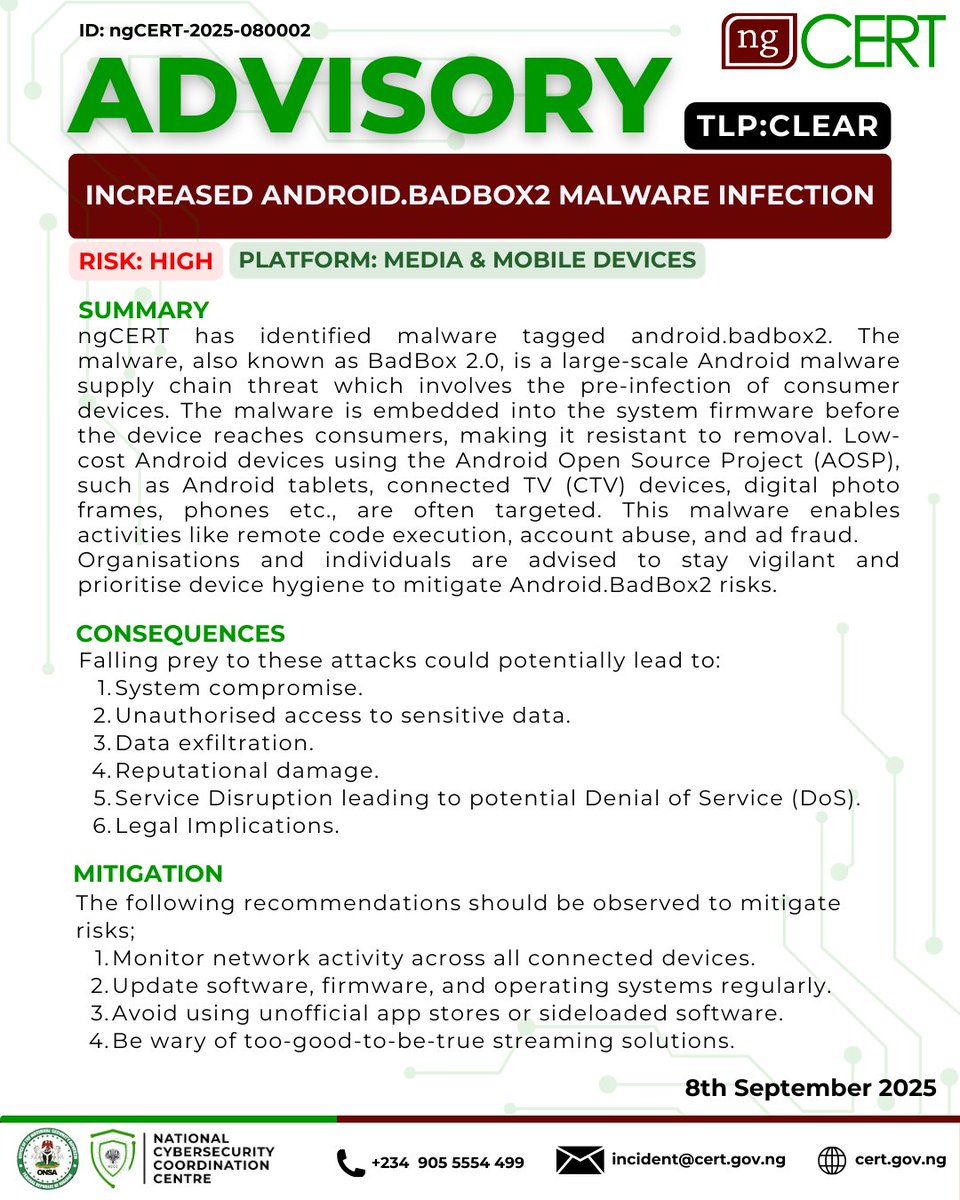
CRITICAL: ngCert has identified a malware known as Badbox 2.0; a large-scale Android malware supply chain threat which involves the pre-infection of consumer devices.
Visit our website for more info: https://t.co/myOTj3GVao