"You don't need to figure out why your milk supply is low -- you can just feed formula."
We don't accept this narrative anymore.
https://t.co/qUPj0hvNE2
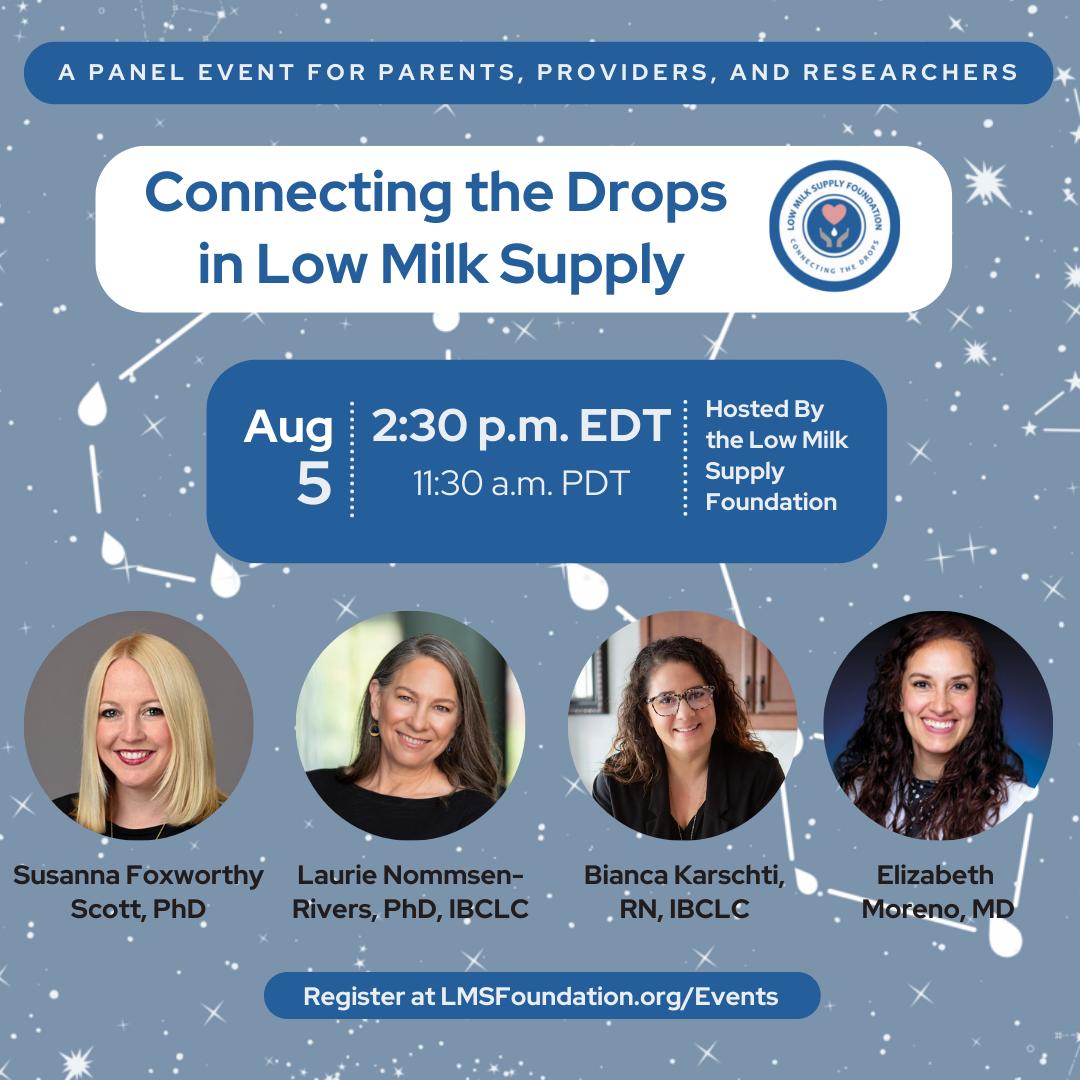
Check out the recording of our first webinar - "Connecting the drops in low milk supply: Navigating the healthcare system - panel discussion" here: https://t.co/3rL1Wu2k5K
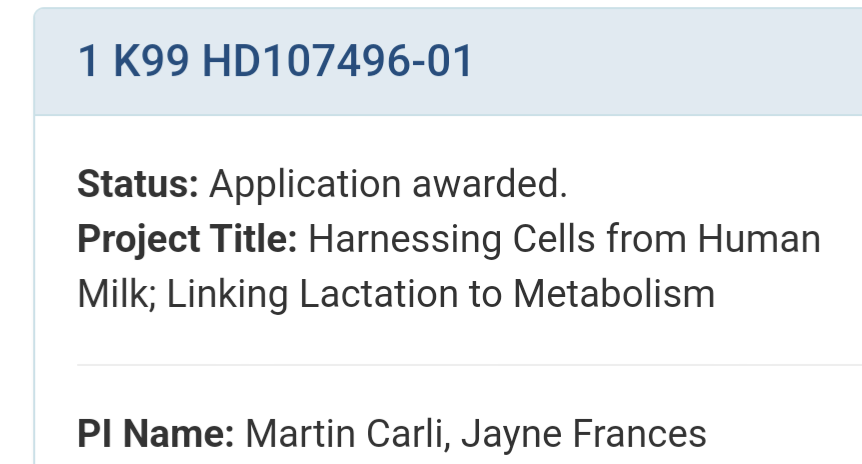
When I was nursing our daughter, I dreamed of how much better our society could do to support moms and babies. I'm so honored to have the support of NICHD and amazing mentors @CUAnschutz to work toward a better future for breastfeeding families!
Many women struggle to breastfeed. Scientists are starting to ask why. Thanks @NatGeo and @AmyMcKeever for covering this important topic! @SLKelleherPhD looking forward to seeing more of this new research! https://t.co/cj0P6lODpi
You may be hearing the argument that before the rise of modern commercial infant formula, babies all ate breastmilk and everything was great. As a historian of infant feeding, let me tell you why that’s not true.
Join @theNASEM#DrugForum June 16-17 for a workshop examining the current state of evidence for drug products used by pregnant and lactating persons and barriers and opportunities for including these populations in clinical trials. Register: https://t.co/bywuM3wLXA
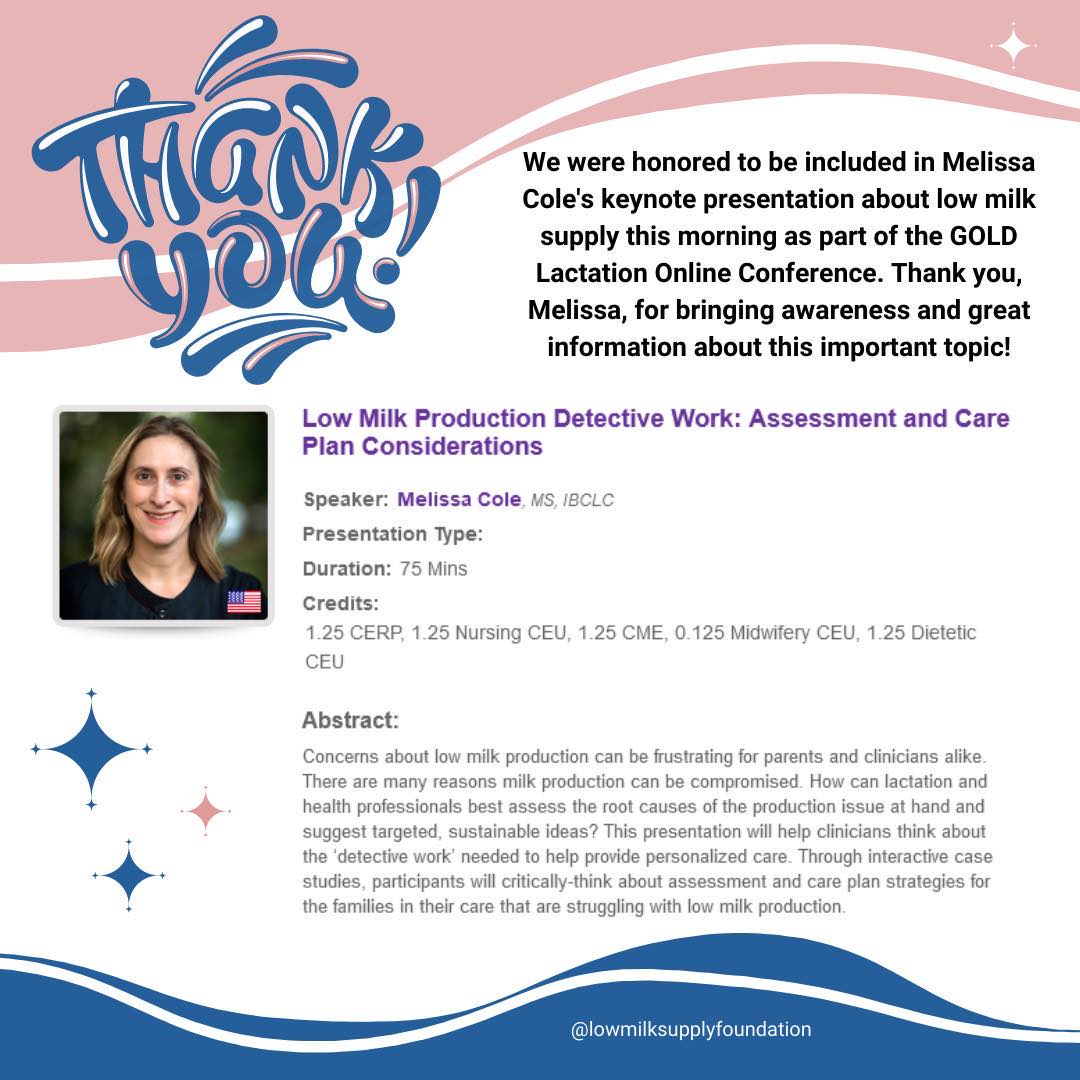
@lmsfoundation@LunaLactation For anyone who missed the first presentation, we'll be hearing this live again a second time! Free registration also gives public access to the recording until April 30: https://t.co/s8i6BXI660
#GOLDLactation2022
Thanks @emnagelRD et al for doing this research! We need more evidence on mammary gland function & identifying risk factors for not meeting breastfeeding goals. #LMSresearchspotlight#lowmilksupply#combofeeding https://t.co/2T4RVq7fR6
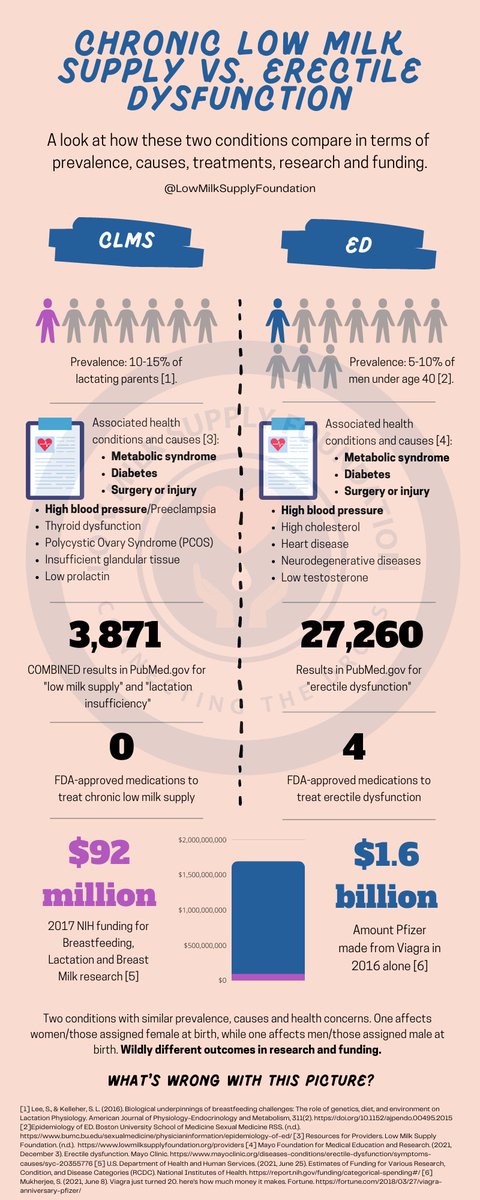
The pieces we referenced use the terms "men" and "women;" however, as we lead the way forward, we use inclusive language because we recognize that these issues are not limited to women, and aim to set an example for the broader community to be intersectional in research.
Chronic low milk supply & erectile dysfunction are health conditions with a similar prevalence, age of onset, and risk factors. And if left unaddressed, both can be harbingers for poor long-term health outcomes. But treatment, research, and funding dramatically differ...