Friends, the book that I've poured myself into for the past three years—through the birth of two children!—is finally out. The One and the Ninety-Nine is about relationships, and more specifically the quest for real communion in a fractured age. Order a copy today: https://t.co/wszBFi9EWq
Japanese actor Hiroyuki Sanada spoke about the contradictions of human nature:
“Some people dream of having a swimming pool at home, while those who have one hardly ever use it. Those who have lost a loved one feel a profound sense of loss, while others often complain about their living relatives. Those without a partner long for one, while those who have one often don't appreciate it. The hungry would give anything for a meal, while the satiated complain about the taste of their food. Those without a car dream of owning one, while those who have a car are always looking for a better one.”
The key to happiness is gratitude: truly seeing and appreciating what we already have, and understanding that somewhere, someone would give anything for what we take for granted.
The win is earned in the middle. Every single journey in life has a beginning, middle, and end. Most people will only show up with energy for the rush of the beginning and the anticipation of the end. The one who pushes hard through the middle is the one who will eventually win.
I think I've uncovered the next Turing test for AI video: writing.
I've tried this prompt dozens of times on every model: "man writes 'hi' in chalk on blackboard"
None can do it. Veo 2 (below) gets the closest. It's actually frustrating to watch!
Semi-controversial opinion: There’s no such thing as working too hard. There’s just being under rested.
1. Winston Churchill used to work 16 hours per day in his old age during the war — but he also worked in bed every day until 11am. He had a nap after lunch, and a 2 hour nap before dinner at 8pm before working late into the night.
2. John. D Rockefeller took a 30 minute nap everyday at 12pm. No meeting was important enough to move this out of his calendar.
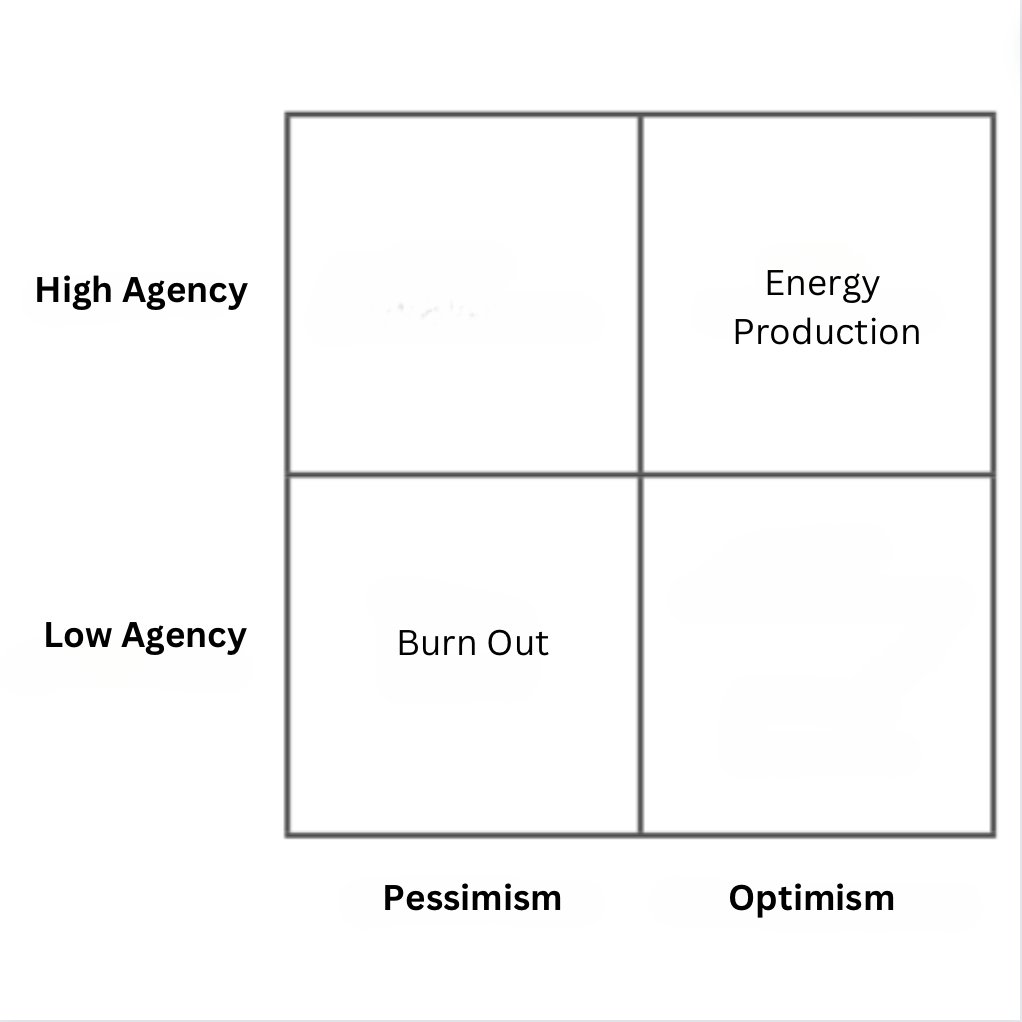
3. Advice I’d give my younger self: Don’t focus on energy output (working too hard). Focus on energy production (recharging activities). If you produce more energy than you burn, it’s impossible to burn out.
4. The person that is well rested might be able to work 16 hour days 6 days per week. The person who never works but scrolls TikTok all day can struggle to do 30 minutes without burning out.
5. Josh Waitzkin has this concept called the "Simmering Six":
“Most people in high-stress, decision-making industries are always operating at this kind of simmering six, as opposed to the undulation between just deep relaxation and being at a 10. Being at a 10 is millions of times better than being at a 6. It’s just in a different universe.”
6. Eleanor Roosevelt credited one thing to surviving her White House schedule for 12 years: Before meeting crowds or giving a speech, she would sit still, close her eyes and relax for 20 minutes.
7. When Dale Carnegie asked Henry Ford how he had so much energy before his 80th birthday: “I never stand up when I can sit down; and I never sit down when I can lie down”
8. Marcelo Garcia, the best BJJ practitioner of all time, was found asleep minutes before his semi final world championship bout and stumbled into the ring out of a slumber — before destroying his opponent.
9. When Triple H went to see Floyd Mayweather before his fight with Marquez backstage, he expected Floyd to be psyching himself up for the big occasion. Instead, he was lay on the sofa watching a baseball game.
10. Christopher Nolan doesn’t have a smartphone. His assistant manages his emails and he writes everything on a laptop without an internet connection. “I do a lot of my best thinking in those kind of in-between moments that people now fill with online activity”
11. What does the rest and recharge industry get wrong? It tries to sell a magic pill for everyone. Instead, it should always be personalised to the individual. Some people get energy from a massage — others like to do 48 hours in Vegas Denis Rodman style.
12. There’s a simple algorithm for identifying the highest leverage relaxation for yourself: (Energy produced ÷ time it takes)
13. Ironically, if Type-A personalities rest better, they’ll also be happier and live longer. But it’s always better to sell it as the ability to increase their work — and sneak happiness and health in the back door.