My PhD work is out now in @nchembio! I report that tegavivint, a clinical cancer therapeutic, induces a non-apoptotic form of cell death dependent on palmitate and the lipid metabolic enzyme TECR. Hopefully we can use this knowledge to better inform treatment decisions!
In chemical-genetic and lipidomics analyses, the clinical candidate oncology drug tegavivint induced an unconventional form of nonapoptotic cell death that required the lipid metabolic enzyme trans-2,3-enoyl-CoA reductase
https://t.co/FQGzd3Wber
Interested in learning about a career transition from PhD scientist to patent lawyer? Check out our new blog post on Wilson Sonsini written by @looogannn
https://t.co/CgWvtu9ILb
Check out @looogannn's interview with @ShahramSN of @CivilizationVC where they talk all things biotech VC! Click below to hear about breaking into VC, finding your niche, and what makes for successful funds and startups. https://t.co/Sz7yecg97r
It was great to interview @kulesatony of @pillar_vc on behalf of @stanfordbiotech to talk about healthcare VC and supporting the conversion of academics into founders! Read the blog post below 👇
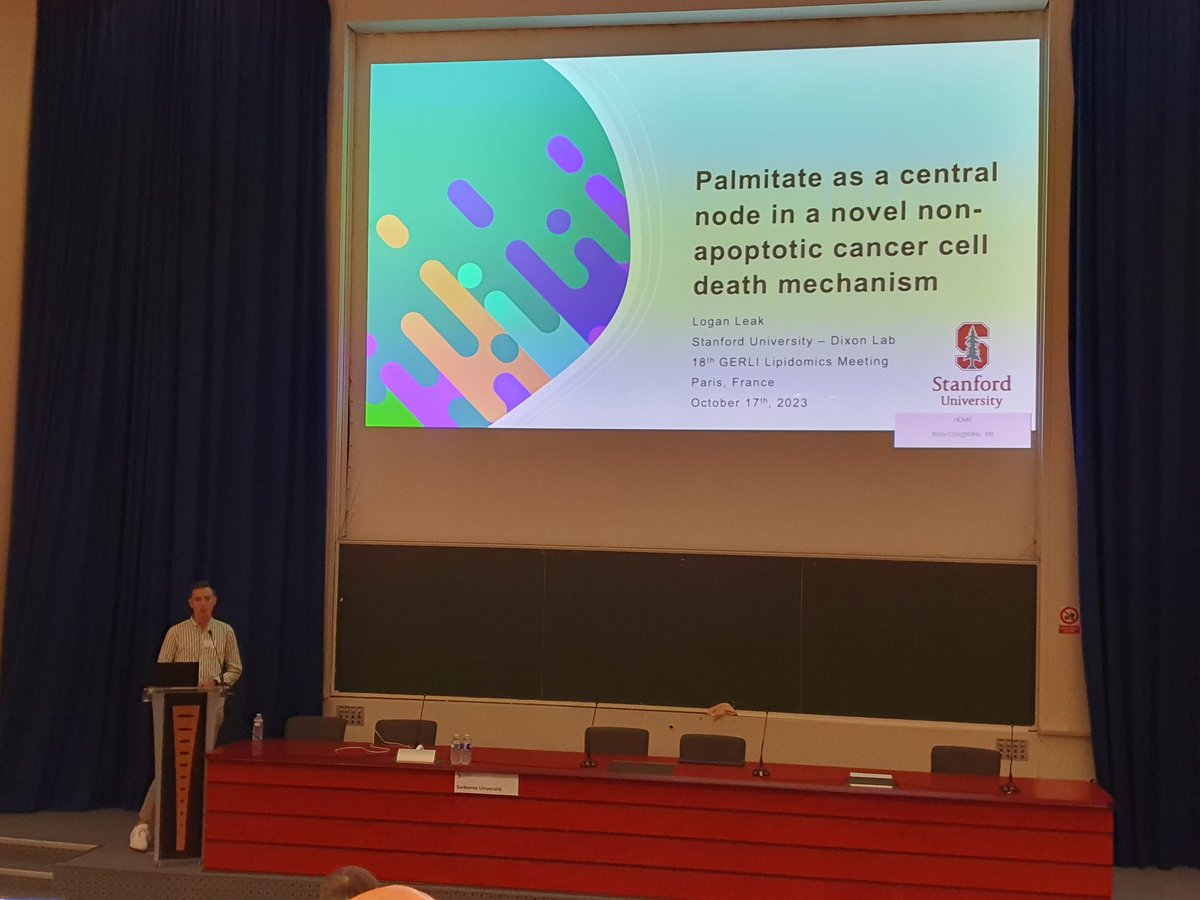
Thank you to @GerLipid for giving me the opportunity to give an oral presentation at your annual lipidomics meeting in Paris! It was an amazing conference!
I'm so happy to see our work published in @acsnano! We developed nanoparticles containing a p53-reactivating stapled peptide and BH3 mimetic ABT-263 to kill DLBCL in vitro and in vivo. I am eternally grateful to @matschnorenberg and @jl_labelle for their amazing mentorship!
Excellent work published by @jl_labelle and colleagues in @acsnano demonstrating the effects of p53 reactivation and using a targeted nanoparticle delivery system to achieve significantly lower toxicity of ABT-263 in DLBCL. @UCCancerCenter
https://t.co/0KFoZqOUMS
Excellent work published by @jl_labelle and colleagues in @acsnano demonstrating the effects of p53 reactivation and using a targeted nanoparticle delivery system to achieve significantly lower toxicity of ABT-263 in DLBCL. @UCCancerCenter
https://t.co/0KFoZqOUMS
Our protocol paper for detection of ferroptosis in cultured cells is out now in @STARProtocols! Read below to help your lab disentangle various cell death modalities. Thanks to my co-first authors @bio_magdalena and @weaverlyclee.
https://t.co/DmEeSq5wFf
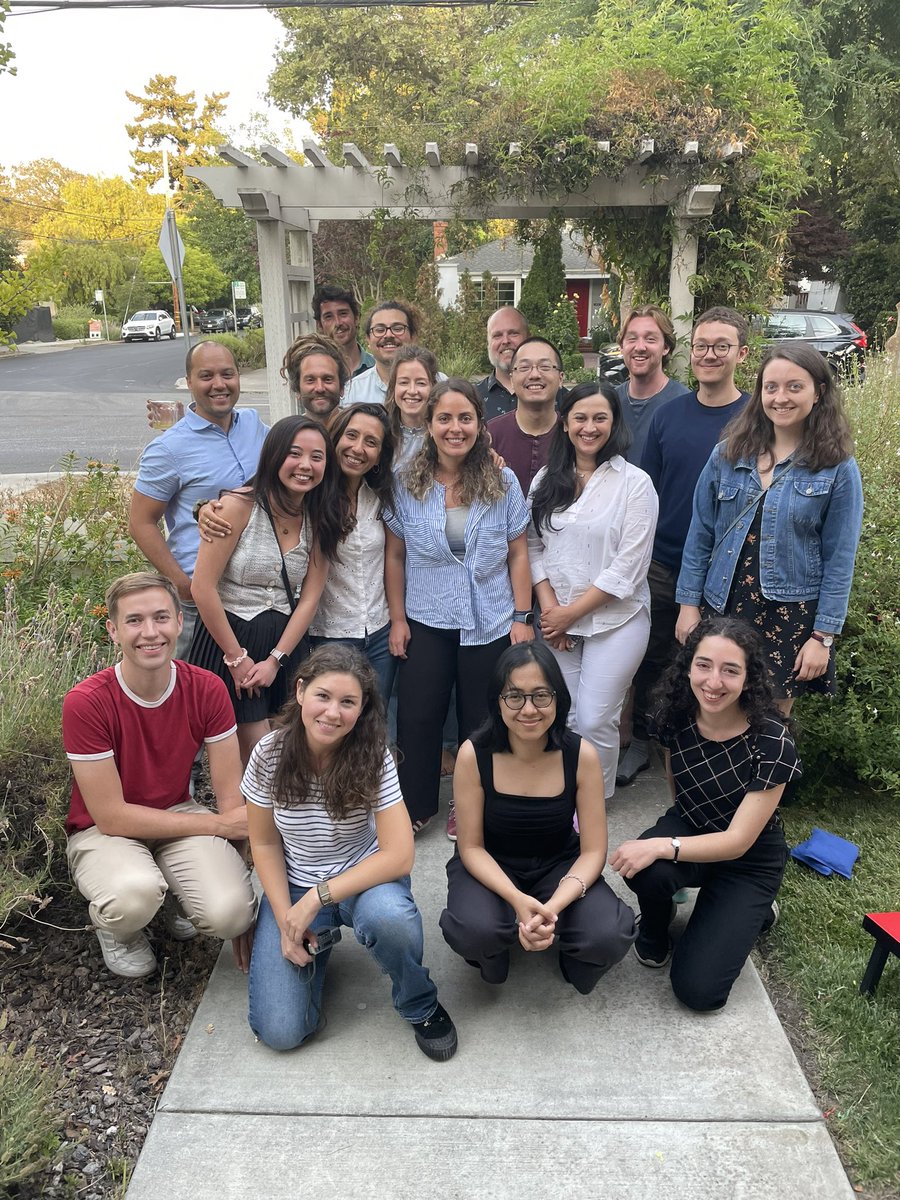
Wonderful Dixon @SJD956 and Olzmann lab ferroptosis mini-retreat / symposium with @jpv_m and @JCastilloBio. Thank you to everyone that participated and made it such a terrific day!🥰
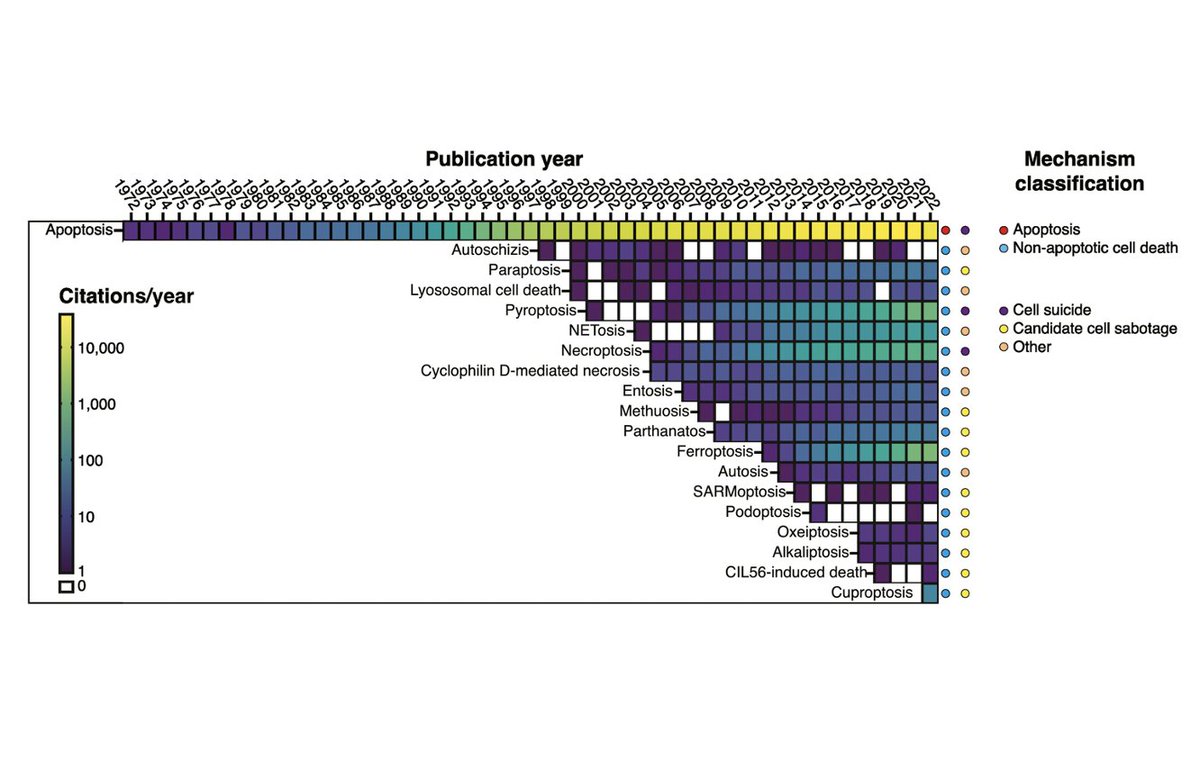
Many have heard of apoptosis, but there exist a variety of other pathways that have more recently been characterized. What are their respective importances in normal physiology, disease, and therapeutics? This leads us to wonder - what other pathways remain to be discovered?
I'm happy to share my review with @SJD956 on emerging and understudied cell death mechanisms, out now in @BBAjournals! Here, we explore the history and importance of various non-apoptotic cell death pathways. Check it out here: https://t.co/9kTq6zBRH9
Check out the full text for more ways that you can take action now to make your laboratory more sustainable! Be sure to check out our resource table, which links to even more actionable items. (6/6) https://t.co/2Zrcya2cQx
I'm happy to share our review on laboratory sustainability now out in @TrendsBiochem! We assess the magnitude of laboratory energy and water consumption and waste production and outline solutions for decreasing research's environmental impact. 🧵 (1/6)
Anyone's New Year's resolution to reduce lab waste?
In late Dec, we published a @TrendsBiochem sci life article on setting up a sustainable lab. It's full of resources & anecdotes - please check it out & hit us up w your fav sustainability tips! https://t.co/fOE7cj3pt6
Other waste streams can get overlooked: landfill, compost, chemical, and biohazard waste are all produced by laboratories. Proper sorting ensures that items are disposed of properly, and reduction of energy-intensive streams like chemical and biohazard waste is vital. (5/6)