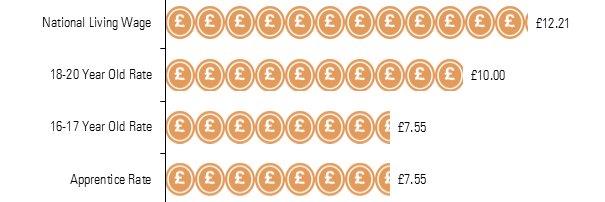
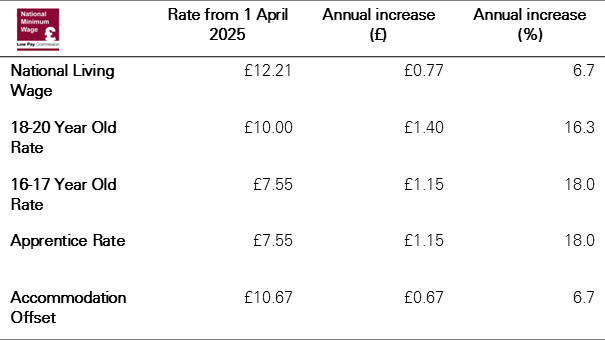
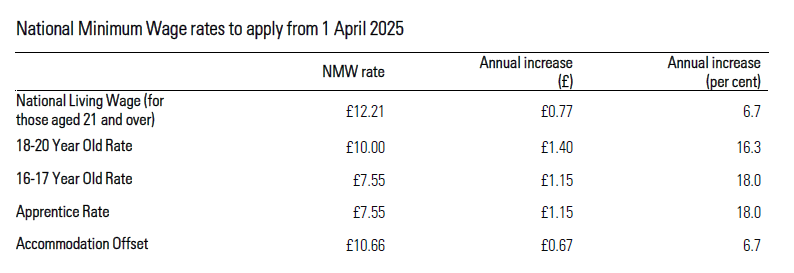
The National Living Wage increases from today. The minimum wage for workers aged 21 and over rises to £12.21.
The minimum wage for 18-20 year olds rises to £10, and for 16-17 year olds and apprentices to £7.55.
We have published our advice to the Government and a short report summarising the evidence we used to make our recommendations. We will publish our full report in the new year.
https://t.co/kS175IKruY
The Government has announced minimum wage rates for 2026. It has accepted Low Pay Commission recommendations.
You can read our recommendations here: https://t.co/kS175IKruY
The 18-20 Year Old Rate will increase by 8.5% to £10.85. This moves towards the Government’s ambition to lower the NLW age threshold to 18, but is lower than the double-digit increases of recent years.
The Low Pay Commission's consultation closes on Monday 30 June.
Let us know your views on the future of the National Minimum Wage. You can respond via email or on our online platform.
https://t.co/CsXiTjRQWC
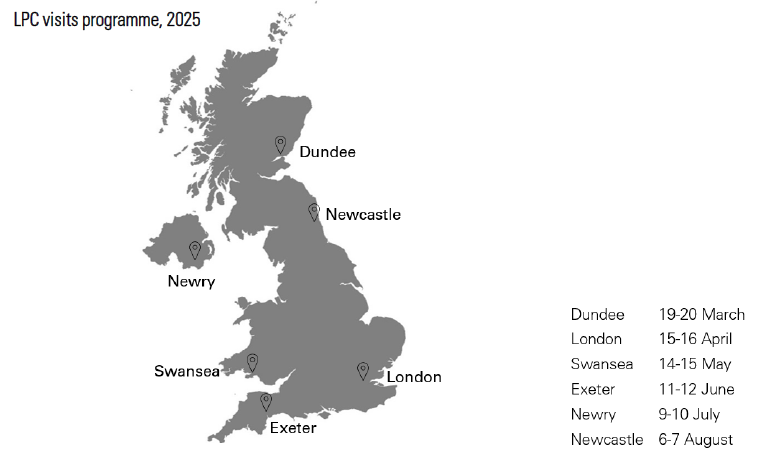
For any questions about the consultation – or if you want to meet us in person – please get in touch via [email protected]. You can read about our regional visits programme here. https://t.co/tZWOmgB223
The Low Pay Commission has launched a consultation asking for evidence and views on the National Minimum Wage. We’re asking for submissions by Monday 30 June. You can read the consultation here. https://t.co/B8AriVSLZe
Among other things, our recommendation in October will depend on what the Government says in our remit, our own deliberations and changes in data sources and forecasts.
🖊️We are beginning our evidence-gathering for the 2026 minimum wage rates. We are keen to hear views from workers, businesses and other interested parties. If you have something to contribute, please get in touch with us via [email protected]. /end
📰We released our uprating report following the NLW rises on the 1 April 2025. The report sets out some of the immediate impacts of the minimum wage rises including on the rise in relation to inflation and the likely number of jobs affected. /1
https://t.co/54eeLT3tNq
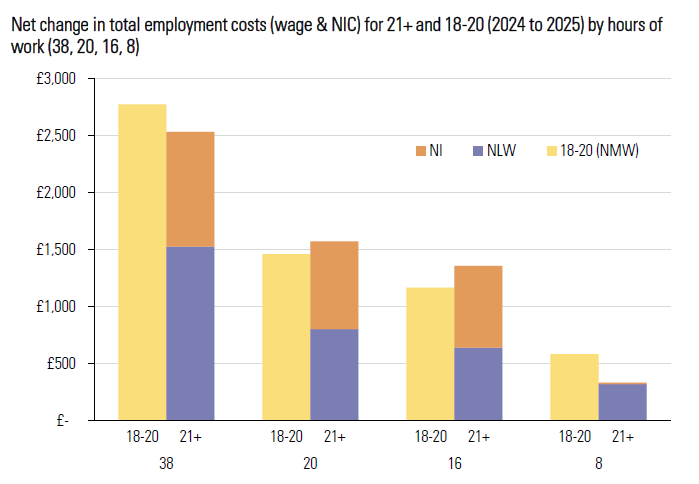
🧑Younger workers won’t attract higher NICs. So while the large increases in youth rates close the gap with the NLW, the gap in total employment costs stays roughly the same. Younger workers' lower NICs liability is likely to influence employers’ recruitment decisions. /8