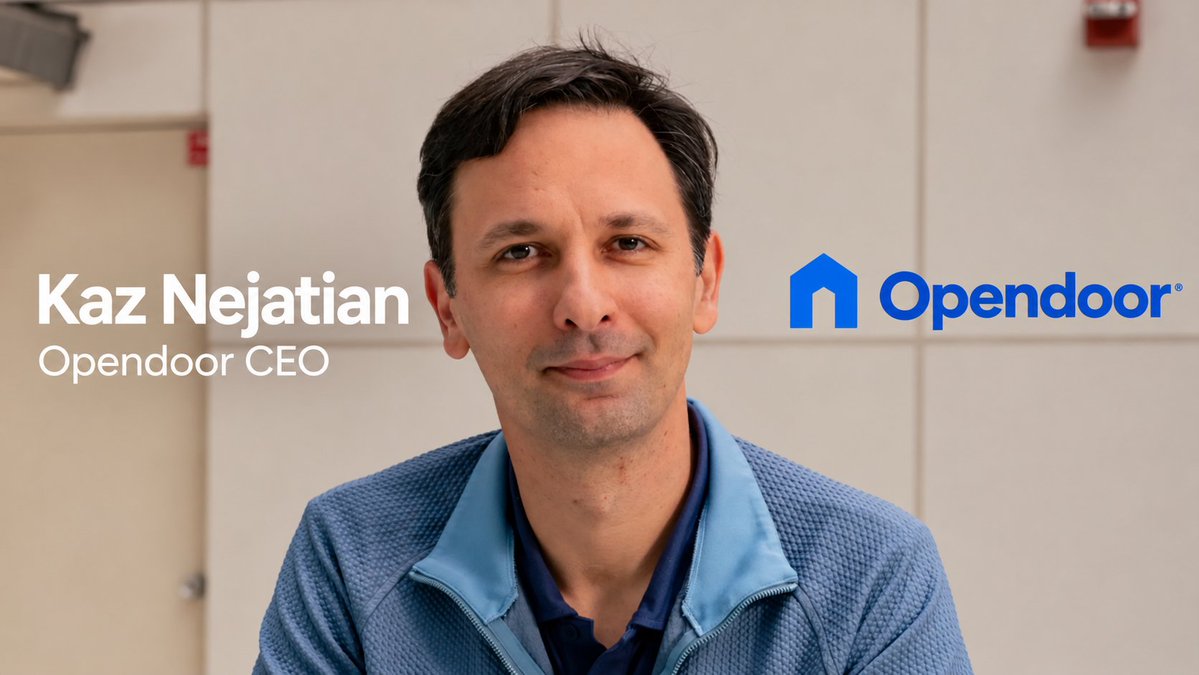
My $OPEN thesis never needed rates to fall.
It needed a company fixing its operating engine and economics while housing stayed hard. That's still the bet, and the stock being lower since the time of writing the article doesn't change it.
So I ask again... what happens if Kaz really pulls this off?
As a Korean looking through various homes on Opendoor, what struck me is that every house has its own unique character. 🇰🇷
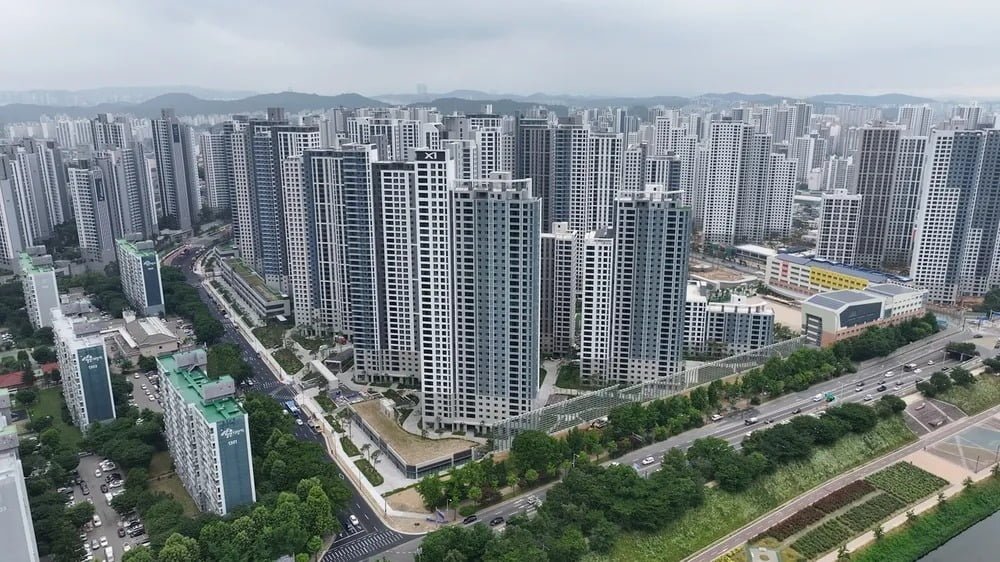
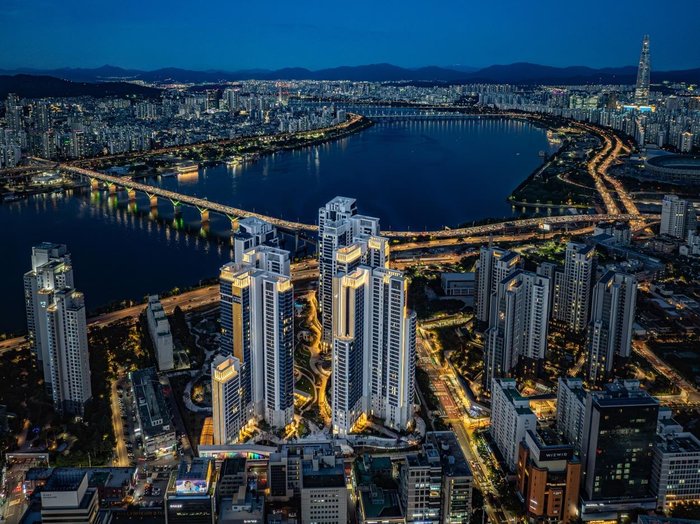
In Korea, there are many housing types, like apartments, villas, single-family homes, and officetels, but apartments are by far the most preferred (see photos).
Even inside apartments, 84㎡ (about 900 sq ft) is the most popular size, and the floor plans are almost identical everywhere. In Korea, we call this the "national standard size."
One thing I realized is that Koreans tend to follow what others do and have a fairly strong collectivist mindset.
Some even joke that socialism would suit us, but hey, this is the South lol
As someone who loves real estate, I wondered why Korean homes lack the individuality of American houses. 🇺🇸
The answer is simple: money. 💰
Demand only goes to these factory-made, copy-paste apartments. People expect prices to rise only where demand concentrates, so everyone ends up flocking there.
You probably don't care about another country's housing culture, but just thought I'd share! $OPEN
🚨 $OPEN: LET'S BE SERIOUS ABOUT OPENDOOR IN ONE OF THE WORST HOUSING MARKETS POSSIBLE.
For months, I've been seeing folks on X trying to pump this stock but eventually, its almost at its 52-week low today.
All eyes on NOVEMBER 5. I really like the CEO, his approach, the strategy but but but...
See, there are two very different stories happening here.
One is the housing market which is absolutely brutal right now. The other is what the CEO is trying to change inside the business.
Having said that, I don't think we should judge $OPEN on its stock price and at the same time, I also wouldn't call this a successful turnaround just because management is reporting better operating metrics.
Let's go through what's happening and what we should be watching over the next 6–12 months.
1. THE BIGGEST PROBLEM IS STILL THE HOUSING MARKET.
30-year mortgage rates are back around 7.4%. Existing home sales remain historically weak and homeowners sitting on 3–4% mortgages have very little incentive to sell.
When transactions slow down, homes take longer to sell. Financing costs continue accumulating and even a small pricing mistake can wipe out the margin.
Unlike a traditional marketplace, $OPEN has substantial capital tied up in housing inventory. That's why interest rates are such a big deal for this company.
2. THE FINANCIALS STILL SHOW A BUSINESS UNDER PRESSURE.
Look at Q2 2026.
- Revenue: $883M versus $1.57B a year earlier.
- Net loss: $162M.
- Gross margin: 9.7%.
- Homes sold: 2,339 versus 4,299 a year earlier.
Now, revenue actually improved sequentially from $720M in Q1 and gross margins improved year over year.
So it's not like every metric is deteriorating but $162M in quarterly losses while operating in a capital intensive industry is still a serious problem.
The company needs more than better revenue. It needs to demonstrate that acquiring and selling homes can generate sustainable cash flow.
3. KAZ IS TRYING TO CHANGE THE ECONOMICS OF THE ENTIRE BUSINESS.
See, I like the CEO. @nejatian
The old Opendoor model relied heavily on buying homes, estimating their future value, and making enough on resale to cover all the associated costs.
The newer strategy puts much more emphasis on inventory velocity.
You buy at a disciplined price, sell faster, keep contribution margins healthy and reduce the cost of processing each transaction.
The management has pointed to stronger acquisition cohorts, faster resale velocity and lower operating costs. I actually like this.
But we all need to remember this that a better acquisition cohort doesn't immediately make the entire company profitable. Older inventory still needs to be sold and corporate expenses won't disappear overnight.
4. OPENDOOR NEEDS TO BECOME MORE THAN A COMPANY THAT FLIPS HOUSES.
This is where I see the longer term opportunity.
$OPEN is expanding into mortgages through Opendoor Home Loans, introducing new homeownership products and exploring ways to facilitate transactions without deploying as much of its own capital.
I would love to see Opendoor making money from multiple parts of a home transaction instead of depending almost entirely on the difference between its purchase and resale prices.
It would eventually create a more capital efficient business. But right now, I am going to treat this as an opportunity. Just an opportunity. Nothing more, nothing less.
The company still needs to show meaningful product adoption and actual contribution to profitability.
5. THE BALANCE SHEET CANNOT BE IGNORED.
In August, Opendoor announced $440M of growth capital at a 0% coupon and a transaction that reduced shares outstanding by approximately 5%.
It is helpful for near term financing flexibility but zero coupon debt doesn't mean free capital.
Convertible securities can create future dilution and Opendoor still needs inventory financing to operate its core business.
If housing will stay weak, investors will definately care about liquidity, debt maturities, inventory exposure and cash burn.
6. NOVEMBER 5 COULD BE THE FIRST MAJOR TEST OF THE RESET.
Opendoor is scheduled to report Q3 results.
5 questions that are very important:
- Are newer homes selling faster without sacrificing margins?
- Is aged inventory continuing to decline?
- Are acquisition volumes recovering?
- Is adjusted EBITDA improving alongside operating cash flow?
- Can the management maintain its profitability ambitions without assuming mortgage rates fall significantly?
If revenue will improve while cash burn and inventory risk will remain elevated, the market will not reward it.
7. OUTLOOK FOR THE NEXT 6–12 MONTHS.
I see three possible outcomes.
Atm I am seeing housing to remain difficult but also the management to continues improving unit economics. Revenue recovery is gradual, losses narrow and the stock will remain volatile while we wait for proof of sustainable profitability.
NOTE: Not taking anything away from them, I feel @ericjackson and @mikealfred are also not as vocal as they were before and these are the only possible reasons.
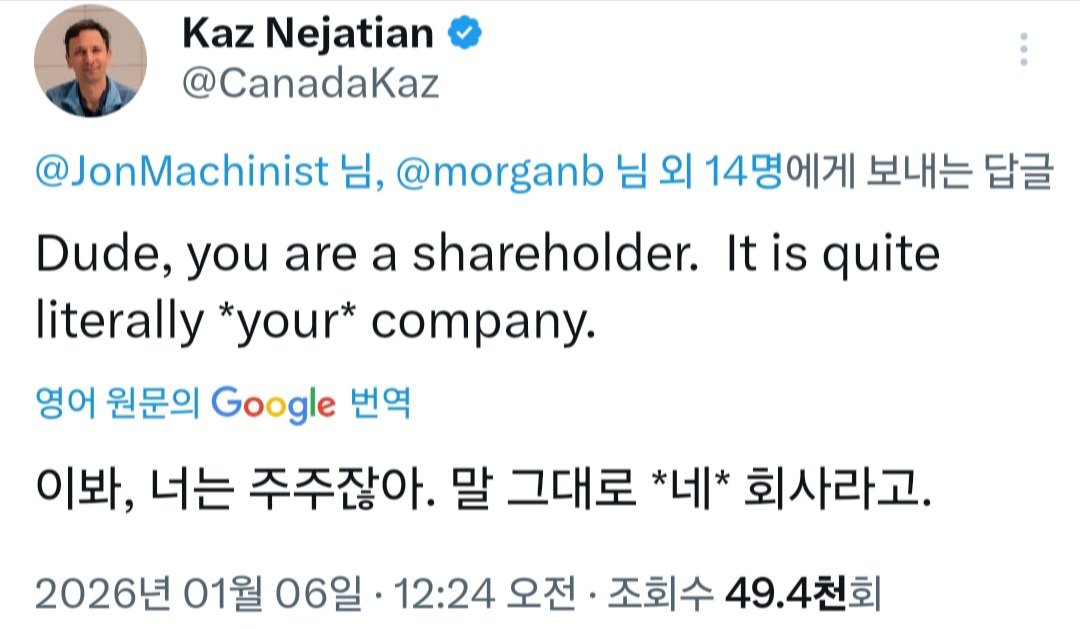
@MarkWolverine62 I remember when Shopify was down 80% in 11 months. I remember what we did then to work on the product and the company. I don't optimize my life for fun. I optimize for being of service to a mission and doing hard and valuable things.
Sozialismus ist das perfekte Geschäftsmodell für Politiker: Er erzeugt Abhängigkeit, und Abhängigkeit erzeugt Wähler. Wer vom Staat lebt – durch Transferleistungen, Subventionen, „soziale“ Absicherung, planwirtschaftliche Privilegien – wählt denjenigen, der die Hähne aufdreht. Der Politiker wird zum Versorger, der Bürger zum Klienten. Je größer die Abhängigkeit, desto größer die Macht. Deshalb lieben sie ihn. Nicht aus Ideologie, sondern aus nacktem Eigeninteresse.
Kapitalismus hingegen ist für die politische Klasse eine existenzielle Bedrohung. Er belohnt Eigenverantwortung, Risiko, Innovation und private Initiative. Er macht Menschen unabhängig vom Staat – und damit unkontrollierbar. Wer seinen Lebensunterhalt selbst verdient, seine Entscheidungen selbst trifft und seinen Wohlstand selbst schafft, braucht keine Gönner in Berlin, Brüssel oder sonstwo.
Jede Regulierung, die „den Markt zähmen“ soll, ist in Wahrheit ein Instrument, um Wettbewerb zu ersticken und etablierte Interessen zu schützen. Der freie Markt braucht keinen Politiker als Mittler. Der Politiker braucht den freien Markt als Feindbild.
Deshalb die ewige Rhetorik: Kapitalismus wird als „gierig“, „ungerecht“, „unsozial“ gebrandmarkt – während der Staat, der mit Gewalt monopolisiert, umverteilt und kontrolliert, als moralische Instanz auftritt. Es ist die älteste Strategie der Macht: die Abhängigkeit als Tugend verkaufen und die Unabhängigkeit als Gefahr.
Der Staat hat kein Interesse an freien Menschen. Er hat Interesse an Untertanen, die ihm dankbar sind. Sozialismus liefert die Untertanen. Kapitalismus liefert die Freien.
#FreiheitstattKnechtschaft #SteuernsindRaub #Eigentum #Freiheit #ParasitenwegmitEuremZwang
누군가가 말한다 " 초창기는 더 힘들었죠, 그걸 버텼기에 내공이 쌓인거죠 "
그리고 필자가 느낀 바를 적자면
( 정말 이건 지극히 개인적인 생각 이지만 )
22년 -84% 때랑 26년 -48% 때랑 뭐가 더 힘드냐고 물어보면 '당연히 오늘날이었던 거 같다'
==============
1. 저 굴곡을 다 버텼기에 내공이 쌓여서 버틸만 한거 아니냐? 물어보면 YES 이다
2. 또 평단이 낮았기에 잘 버틴거 아니냐? 물어보면 당연히 YES 이다
==============
근데 5년 이상��� 보유하고 = 지속적으로 매입하고 = 그 기다린 시간 가치라는 = 수익금이 있는데 = 그걸 눈앞에서 다 날아가는 것을 보면서도 버틴다는 것이 = 참, 매구간 새로운 고통의 크기라는 ���을
지나고 나서야 느낀다는 점이다.
이건 그저 항등식처럼 느껴 본다
==============
장기투자자가 가져간 시간의 크기와 고통의 크기 그리고 수익의 크기였다 ( 종목에 따라 다르지만 필자의 팔란티어 기준에서는 )
또한 그건 -20% -30% 가 아닌 -50%가 됐을 때 실감이 났고,
이후 -70~-80%로 손실이 더 커질 수 있을 거라는... 그 동안의 시간 가치를 다 잃는 게 아닐지? = 머릿속 계산기가 굴러다니기 시작한다.
==============
그 때가 되면 혼자의 쉐도우 복싱 내면으로 들어가는 과정이 발생하고
결국 거기서 나 자신과 마주하며 누군가는 '선택'이라는 압박을 받는다
근데 그 누구도 선택을 강요하지 않았지만,
해야만 할 거 같은 그 기분....... 그 기분을 마주한다
" 지금이라도? " 라는 말이 나오기 십상이다
==============
그리고 그게 아니라는 것도 잘안��
왜냐? 5년 동안 보유하면서 내공이 쌓였기에 = 지금 매도할 자산이 아니라는 것도 = 본인 스스로 잘 안다 ( 당신은 트레이더가 아니라면 그렇다는 말이다 )
그래서 뭘 선택하게 되느냐
= 결국 매도하지 않는 결론이 난다. ( 주관적으로 생각하는 미래 기업의 가치는 아직 멀었다 이니 말이다 )
이게 참 재미있는 포인트이다.
==============
나의 시간 가치가 그 고통의 크기가 눈 앞에서 느껴지는데도 스스로 매도하지 않는 선택을 한다
'얼마나 멍청한 짓인가?'
'아니, 합리적인가?'
'이성적인가?'
결국 뭐 미래는 모르기에 스스로 실시간으로 변하는 평가 가치에서는 외면하는 단계까지 온다.
그게 속 편하다,
그냥 기업의 본질 / 새로운 소식들을 따라다니게 된다.
그게 속 편해진다.
직접 보고 있는 기업은 나날이 발전하고 있으니 말이다.
※ 누군가가 특별해서 버티는가? 정말 내가 그 미래 가치를 알아볼 수 있다고 생각하는가? 아닐 수도 있다 '아는 척을 더 잘 할 뿐이다' 분명 틀릴 수도 있다 / 다만 누구든지, 그 기업을 리서치하면, 발전하고 있는 긍정적 변화 과정은 눈으로 쫓아갈 수는 있다.
=================
그렇게 리서치 하면서 지나다 보니까 신고가에 도착해있었다
짧았는가? 하면 짧았다
7~9개월 별 거 아니었다
예상했는가? = 당연히 몰랐다.
나는 잘 선택했는가? 결과론적인 걸 이제와서 왜 물어보나 그걸 패스하자,
대신 남들의 손가락질을 무시할 수 있었는가? = YES 이정도만 대답할 수 있으면 누구나 장기투자는 할 수 있다고 본다.
근데 또 장기투자를 '할 뿐이다'
수익이 당연히 오는가? 결과론적인 걸 나한테 왜 물어보는가
그저 본인이 원하는 미래를 쫓아갈 뿐이다
=================
그래서 결론 이 글을 왜 쓰는가?
아무것도 하지 않은 것도 선택의 결과가 이 글이고,
좋은 결과가 나오고 나서야 적어 올리는 ��떤 한 사람의 긴 글이라고도 볼 수 있는데,
이런 빌드업을 하고도 할 수 있는 말이라고는 그저
수많은 주식과 장기투자, 내면의 고통 대화 속에서
" 늘 당신의 장기투자를 응원한다 "
그 뿐이다
늘 응원한다 모두 활팅이다!
( 필자는 그 밖에 다른 종목들도 열차를 기다리고 있다 그 열차도 올 것이라고 믿고 있다. 당장 내일을 바라는 것이 아니기에, 늘 시간과 함께한다. )
4.99. It's back!
This week, 300 Opendoor homes will carry a 4.99% rate on a 5/6 ARM for qualified buyers, as part of Opendoor Drops. We will have a new set of homes every Thursday!
https://t.co/T8p5wOc6pp
For homeowners looking to move, the decision often comes down to the monthly payment. Because we own the homes and offer the financing, we can help lower that payment. This week, that means a 4.99% initial rate on a 5/6 ARM for select homes at https://t.co/TOoAi3gVOj
Okey… a thought here.
As mortgage rates soon reach 8%, people will stop taking on new mortgages, and those with lower rates won’t sell their homes. The market will freeze. This is basic high school economics.
But then life happens… and it happens in combination with $OPEN loans.
Are you going to live in the same house as your cheating ex?
Are you never buying a home for your family just because the mortgage rate is up?
You got your dream job and you have to move, but you say no because of a high mortgage?
People are going to do what ever they can to move. Maybe cut back on some other costs. Some might be stuck but many will do it.
The pie might be smaller in a bad macro but the piece that are willing to try $OPEN will be bigger.
This environment will send even more people towards $OPEN.
Because suddenly you save a fortune picking a better mortgage that also as a bonus is a fast selling and buying option that saves time.
Yes, you can ask an SI why this macro is bad for $OPEN, but they are machines that just read the high school textbook answer.
We might be surprised how many sales this will drive. We have to think like investors, not students studying for an economics test.
I am pretty sure the data will show what a massive thing $OPEN home loans is and it will be a complete game changer.
I am not all mighty when it comes to macroeconomics and especially not foreign ones, but am I completely wrong here?
@Davo0820@Aubermark and other smart people. I am pretty sure I saw you talk about it.
Bought more $OPEN at $2.26.
I honestly think we’re about to see a new insane growth story on the scale of Nvidia or Tesla. Many OG investors who held $OPEN will end up extremely wealthy.
For almost 20 years I’ve stared at stocks and graphs. I’ve seen countless rallies and crashes. Very few times have I seen anything like $OPEN. Maybe when I bought Tesla back in the day.
Every time someone says, “Wish I bought X at X,” I say, “Well, 99% chance you would have sold X when it was at X.” Buying X at X takes skill.
I don’t throw around complicated words and “fin talk.” I’m too old for that. I have no one to impress and nothing to prove.
I analyze stocks and I am good at what I do, and I am long-term.
I’m saying this plainly: you don’t often see a $2.2B market-cap AI software company with literally no competition, the best engineers in the world, the most AI-pilled company in the world, a top-ranked management team, a TAM so massive it’s bigger than almost anything and a runway that can keep this company profitable for 100 years.
The amount of product they pushed in 2026 and the pace they’re recruiting talent is absolutely exceptional.
People and critics look at the graph and say the company sucks. They don’t comprehend how much is going on backstage. Even Open’s executives are better engineers than most companies.
Together with the old-school $OPEN investors here, in a year or two we’ll be known as the guys who picked the greatest stock of all time.
Just because big money don’t want to buy the stock right now for various reasons like short term profit etc doesn’t mean we are wrong.
If $OPEN doesn’t make it, I’ll be very surprised.