La BepiColombo ya está en la órbita de Mercurio, con el objetivo de estudiar dicho planeta.
Está misión despegó en 2018. ¿Por qué se tarda casi una década en llegar a Mercurio, y menos de un año en llegar a Marte (en la ventana correcta), que, de media, está más lejos? ⬇️
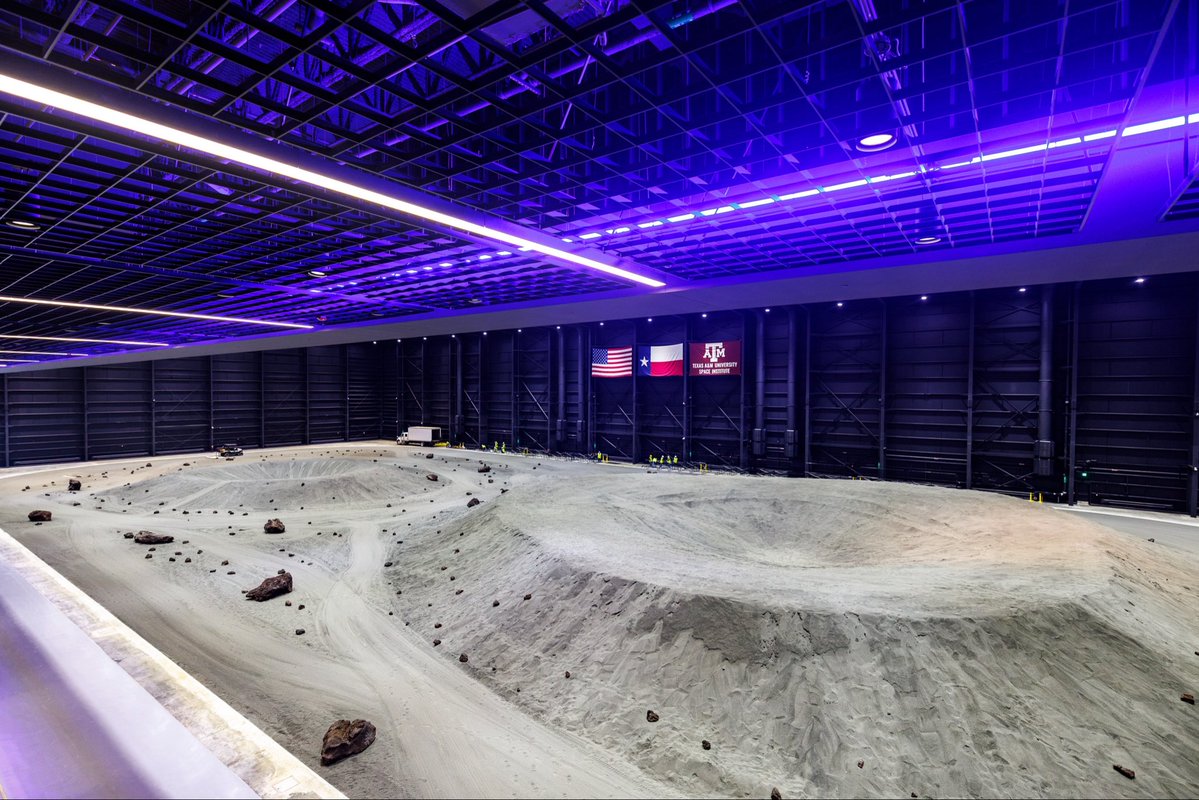
A hint of what's to come...sadly.
The cam facing Gigabay door has been closed. A quick pan, however, did show the LOX landing tank jig, last seen outside of MB-1, waiting outside the Starfactory door.
@LabPadre
You can't run a Moon Base without a grid. @LunarOutpostInc is building one, with vertical solar arrays that move to where the power is needed and the distribution to tie them together. Type I starts with power, on Earth and on the Moon. @StarlordCyrus
Disclosure: Type One Ventures is an investor in Lunar Outpost.
[VIDEO] @NavantiaOficial and @LockheedMartin Detail F-110 Flight 2 Air Defense Upgrade and F112 Milestone 🇪🇸🇺🇸
At Euronaval 2026 in Paris, Naval News speaks with Navantia and Lockheed Martin about recent milestones in Spain's F-110 frigate program and the upcoming Integrated Air and Missile Defense (IAMD) Flight 2 configuration. Navantia F-110 Program Director Rafael Seijo discusses the launch of the Spanish Navy's second F-110 frigate (F112) four months ahead of schedule. He also outlines plans for an upcoming contract covering a 10-to-12-month engineering definition phase to adapt the F-110 design for Flight 2—expected to include at least two additional frigates capable of countering simultaneous aerial, missile, and ballistic threats alongside anti-submarine warfare missions.
Lockheed Martin Vice President and General Manager, MIC2, Joe DePietro explains how integration work for the SCOMBA combat system, Aegis combat system, and SPY-7 radar is transitioning from Moorestown to Spain. He also details how the F-110 Flight 2 retains the same SPY-7 array footprint while fully populating it with subarray suites to increase radar power and sensitivity, paired with an expanded 64-cell Vertical Launching System (VLS). Finally, he compares that scalability against Japan’s Aegis System Equipped Vessel (ASEV), which pairs larger SPY-7 arrays with 128 VLS cells.
https://t.co/SxdhE6Sh1v
I can’t wait to share with you everything that we have on the way!
Get ready for the best insights in the future of science, engineering, technology, and space exploration.
The human stories of our path back to the Moon and Mars, will be told.
Stay tuned if you want to have your questions asked of the engineers and leaders who are making our future in space possible 🚀⚙️🫡
La primera etapa del cohete Nova de Stoke Space ha llegado a la plataforma 14 de Cabo Cañaveral. Siguen estando a tiempo para su lanzamiento inaugural planeado para la primera mitad del 2027 🚀
¡Conectados en vuelo! 🇪🇸💪
@AirbusDefence y el @EjercitoAire han probado un nuevo sistema de conectividad de alta capacidad que enlaza dos aeronaves C-101 en vuelo 📡El sistema permitió el intercambio en tiempo real de vídeo, datos tácticos y telemetría entre las dos aeronaves
BepiColombo ha logrado entrar en órbita alrededor de Mercurio tras un viaje de ocho años. Un hito desafiante debido a la intensa gravedad solar. #BepiColombo#ExploraciónEspacial https://t.co/J7ZlXcsBqE
En este momento 4 propulsores del MPO se encienden durante 37 minutos para reducir la velocidad e introducir a @BepiColombo en órbita alrededor de Mercurio.
No hay directo de la @esa. 😒
***HEADPHONE USERS BEWARE***
One week ago, Ship 42 returned to Pad 2 after spending nearly a full day in orbit around Earth.
This footage was captured by one of my cameras placed ~600 feet from the launch tower and there so are many details here that still give me goosebumps:
• the spaced, double sonic boom announcing Ship 42's arrival (eerily like the shuttle's)
• the airflow being audibly displaced around Ship 42 as it descends directly above the camera
• the initial puff from Raptor ignition
📸 - @NASASpaceflight
NSF Playback from launch and S42's catch: https://t.co/RFVcME9IjY
Windshear, overspeed.
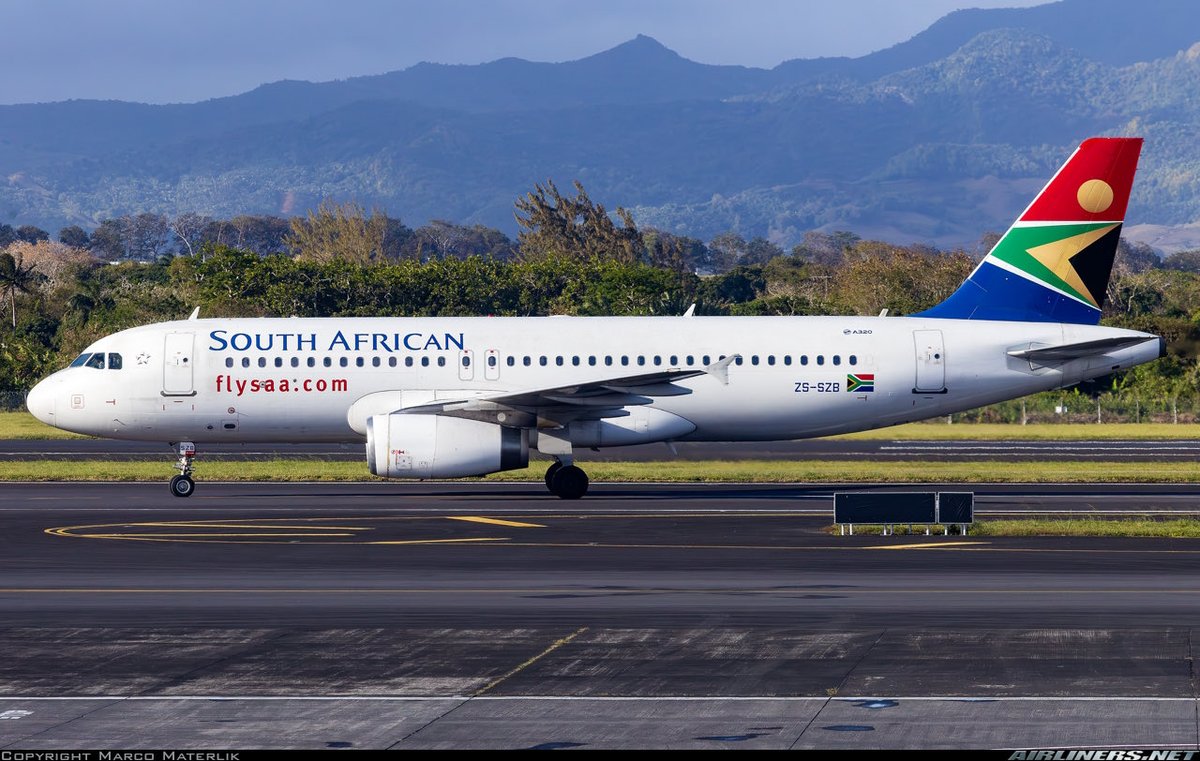
El pasado 8 de noviembre, en Airbus A320 de South African Airways fue afectado por windshear durante la aproximación a Johannesburg.
El windshear es el cambio brusco y repentino en la dirección y/o intensidad del viento, en una distancia muy corta.
El piloto ejecutó la maniobra correspondiente, y durante 10 segundos aprox, la aeronave estuvo con velocidad excedida respecto a la configuración de flaps.
Finalizada la condición meteorológica, el avión aterrizó con seguridad en ese mismo aeropuerto.
Luego de tres horas en tierra, el avión partió para un nuevo vuelo.
Cuando una aeronave excede el límite de velocidad para la configuración de flap, debe ser sometido a una revisión técnica, siguiendo los procedimientos del fabricante.
A ver tenemos que sentarnos todos y hablar.
Ha salido el RD de industria con la financiación de los PEM.
Modernización EF-2000. 4.000M€, así sin vaselina.
Y esto no es el % total.
Y os preguntareis cuanto llevamos metido en el EF.
22.000M€ a 5/2025
Un informe de la NTSB revela que un retardante de fuego dañó la estructura de dos aviones cisterna. La seguridad aérea está en juego. #aviación#seguridad https://t.co/OclLKOanDq