Hon’ble @myogiadityanath@myogioffice@spgoyal, UPPSC AE Mains aspirants have spent nearly a year in uncertainty. Years of preparation are now overshadowed by frustration and anxiety. Kindly intervene, expedite the matter and ensure the result is declared soon. #UPPSCAE
UPPSC AE aspirants hv waited long enough.Mains exam ws conducted on 28 Sept 2025, yt the final result remains tied to the outcome of Special Appeal. It is nt just a case anymore. It is future of thousands of young engineers. Pls look into it
@myogiadityanath@myogioffice@UPGovt
Years of hard work should not end in uncertainty. UPPSC AE candidates deserve clarity and a definite way forward from the Commission. It's stuck because of a judiciary procedure, please expedite.
@myogioffice@UPGovt@TheLallantop@TheNewspinch
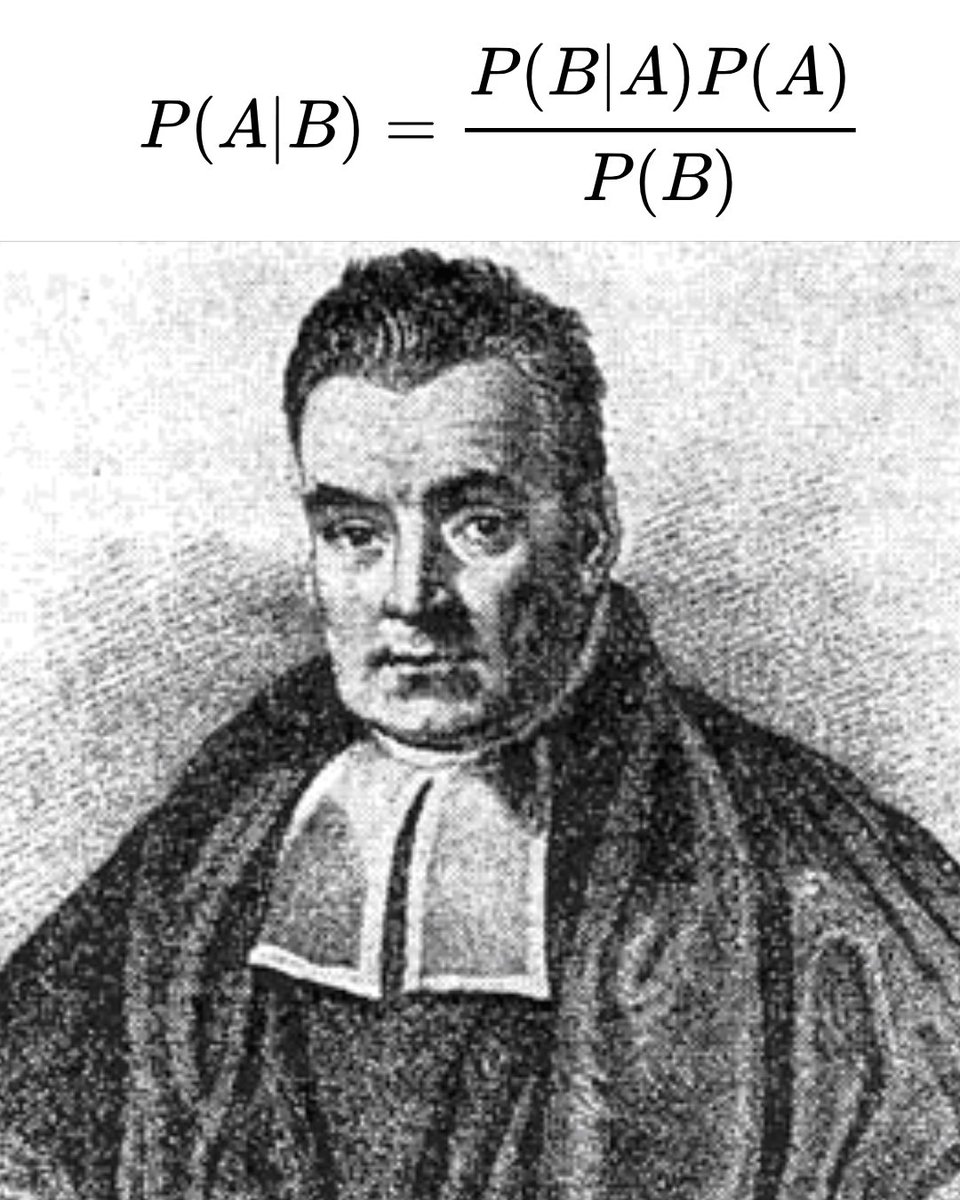
Bayes’ theorem is probably the single most important thing any rational person can learn.
So many of our debates and disagreements that we shout about are because we don’t understand Bayes’ theorem or how human rationality often works.
Bayes’ theorem is named after the 18th-century Thomas Bayes, and essentially it’s a formula that asks: when you are presented with all of the evidence for something, how much should you believe it?
Bayes’ theorem teaches us that our beliefs are not fixed; they are probabilities. Our beliefs change as we weigh new evidence against our assumptions, or our priors. In other words, we all carry certain ideas about how the world works, and new evidence can challenge them.
For example, somebody might believe that smoking is safe, that stress causes mouth ulcers, or that human activity is unrelated to climate change. These are their priors, their starting points. They can be formed by our culture, our biases, or even incomplete information.
Now imagine a new study comes along that challenges one of your priors. A single study might not carry enough weight to overturn your existing beliefs. But as studies accumulate, eventually the scales may tip. At some point, your prior will become less and less plausible.
Bayes’ theorem argues that being rational is not about black and white. It’s not even about true or false. It’s about what is most reasonable based on the best available evidence. But for this to work, we need to be presented with as much high-quality data as possible. Without evidence—without belief-forming data—we are left only with our priors and biases. And those aren’t all that rational.
Vultures falling from the sky off the coast of Florida, near Islamorada.
They rely on warm air currents, or thermals, to stay airborne and if the wind shifts suddenly stop, this can happen.
[📹 Capt. Brandon Storin / bean_sportfishing]