A PhD's success depends more on the fit between the student, the advisor, and the lab than on the specific topic being studied (it barely matters at all).
Similarly, a lab's success depends more on how excited (or miserable) its researchers are than on the precise project they are working on (it could be virtually anything).
This information isn't in papers or in grant proposals, you have to ask the researchers.
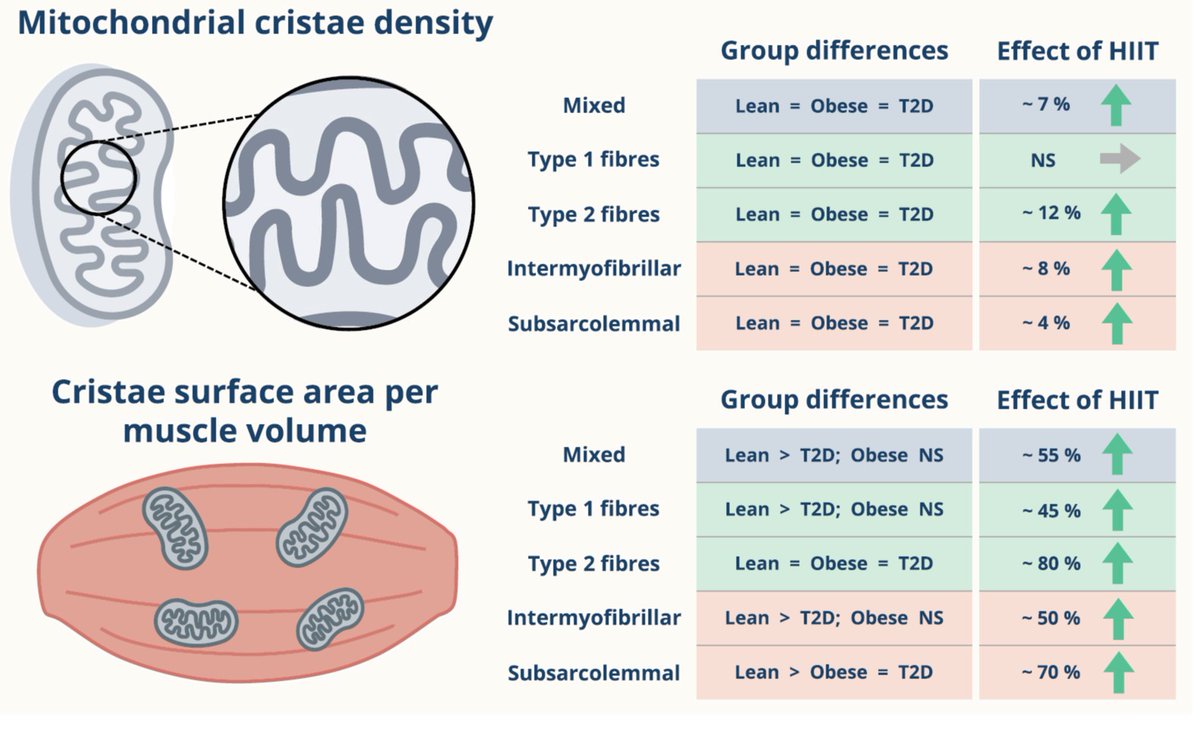
Previously demonstrated higher mitochondrial cristae density in cross sectional studies now proved to be trainable in human skeletal muscle. Diabetologia https://t.co/s9PdXt3ENS, https://t.co/c43BVmLW9n. @SDUIOB
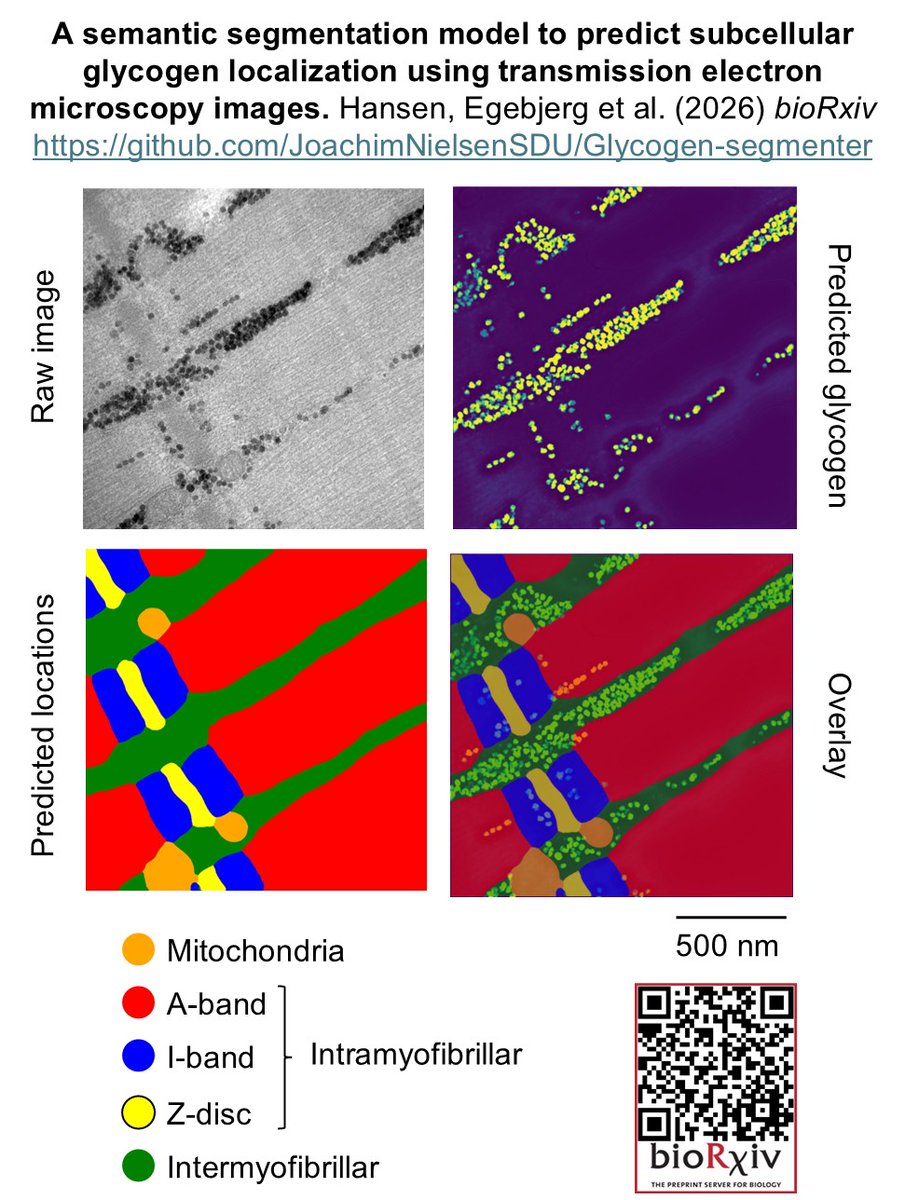
We are ready to scale up glycogen analysis using electron microscopy.
By applying a new AI-based image analysis pipeline, workload for 50 samples was reduced from ~600 hours to ~20 hours. This moves us beyond small-scale TEM studies.
Details below 👇
Academic publishing is perhaps the greatest scam perpetrated on intelligent people
1) Write grants (unpaid)
2) Do research
3) Write papers
4) Peer review (unpaid)
5) PAY up to $12K to publish
6) Need publications to get grants (back to step 1)
Publishers: 38% profit margins
Why is @nature is seen as a top journal? It's because many scholars cite papers Nature publishes in their own publications.
By making clear that citations are not based solely on merit, and thus debasing them, Nature is undermining a basis for its claim to prominence.
Most academics think reviewer comments are commandments.
They're not.
They're suggestions from peers who weren't in the room when you designed your study.
Accept the helpful ones, politely decline the rest.
Your research integrity matters more than appeasing every critique.
The happiest professors I know aren't chasing citations.
They're building research programs that let them explore genuine curiosities and spend the rest of their time actually mentoring students who will carry their ideas forward.