Interesting: LLMs are sycophantic, but their advice tends to depolarise people's choices and improve accuracy, the opposite of what 82% of surveyed experts predicted. In line with what *I* argued in 'How AI will Reshape Public Opinion', though.
In IIHS pedestrian front crash prevention tests, @Cybertruck avoided every single collision – daytime, nighttime & different angles
It was also the only pickup to earn Top Safety Pick+ (highest award) in 2026
https://t.co/BNPqT9TbsW
The Midjourney scanner is revolutionary. There’s a bullish case that exceeds the most optimistic takes.
I was at the unveiling and used the scanner myself. I personally want to experiment with a weekly whole body Midjourney scan to add to my 1.5 billion data points and let my AI and doctors start connecting the dots.
Most of the early commentary has focused on the wrong questions: “is it as good as MRI?” and “what about false positives?” These are legitimate concerns, but they miss the bigger shift.
The more important question is: what does fast, low cost, safe whole body imaging unlock?
Let’s start with measurement.
A speedometer tells you how fast you are going. A fuel/battery gauge tells you when to stop. A thermostat tells you what to wear. The stock price tells you how much money you’ve made or lost. We measure what we care about.
Except, oddly, for our bodies, which are among the least measured things in our lives. Most people have more data on their favorite sports team, bank account, and social media performance than their body. The future will think we were crazy for this.
The first law of medicine is to do no harm. Our current system has harm baked into it.
+ an undiagnosed condition progressing silently is harm
+ a doctor who can’t easily get a patient screened preventively is harm
+ having no baseline to compare against when something shows up is harm
Our preventive net is narrow and inconsistent. Late stage diagnoses that could have been caught earlier remain common. Midjourney’s technology won’t eliminate that overnight, but it points toward a future where routine wholebody baselines become normal rather than exceptional.
Midjourney can help flip harm-by-default into a new expectation for our health infrastructure: almost no one will ever again be blindsided by a late-stage, life-threatening diagnosis that could have been caught earlier reasonably and cost-effectively.
Some examples of what earlier structural visibility enables:
+ breast cancer caught while localized has a ~99% five year survival rate. Once it has spread distantly, that drops to around 32%.
+ an abdominal aortic aneurysm kills more than 8 in 10 people when it ruptures. A single ultrasound finds the aorta in 99 percent of people, and screening cuts aneurysm deaths by a third to a half.
Midjourney’s technology will not do it all on its own. Its full angle, water immersion approach works around bone rather than seeing through it, and routes bowel gas to image the full abdominal cross section. Yet two real limits remain: air filled lungs stay a blind spot even here, and the brain is out of reach behind the skull, beyond the torso and legs this scanner covers.
That is fine, and they may improve these areas over time. Midjourney doesn’t need to do it all in order for it to be one of the biggest things to hit medicine in a long time.
Let’s look at where specifically Midjourney may be useful to each of us. We’ll start with where we get data today:
1) Blood draws tell us what is happening chemically.
2) Wearables tell us how the body is functioning.
3) Imaging tells us what is happening structurally.
The third layer, soft tissue, is the one we have never been able to access easily. MRI is great, but it is expensive, intimidating, and slow.
Midjourney's technology excels with soft tissue. Here are three places it could be game changing. There are many more.
1. Metabolic health - fatty liver is one of the earliest structural signs of metabolic dysfunction. It’s strongly linked to insulin resistance, type 2 diabetes, and cardiovascular risk. Being able to track visceral fat, muscle fat infiltration, and liver fat over time could give a much clearer picture than blood markers alone. Over 88% of Americans are metabolically unhealthy.
2. Endocrine tissue - the same metabolic patterns often cluster with thyroid issues, PCOS, and hypogonadism. Ultrasound can directly image the thyroid and ovarian structures. Fat tissue itself is an endocrine organ, so tracking it structurally adds another useful data layer.
3. Soft tissue + multiomics - new proteomic aging clocks can already predict risk for many chronic diseases from blood proteins. These molecular models could become significantly more powerful when combined with actual structural imaging data. The two are complementary, not competitive.
The real advantage: baseline + longitudinal tracking
The biggest unlock isn’t a single scan. It’s having a baseline followed by regular follow-ups. A one off scan in a moment of concern turns every finding into a potential crisis. Without context, you have no idea whether something is new, stable, or changing. With baseline + repeated measurement, the question changes from “what is this?” to “is this changing?” Most incidental findings stay stable. The dangerous ones tend to grow or evolve. Trajectory is often more informative than any single image or timepoint.This is why false positives become more manageable with frequent, low-friction imaging.
Midjourney has a difficult road ahead. Building robust, clinically validated medical hardware and software is extremely hard. Regulatory, technical, and adoption challenges shouldn’t be understated. Also, David is doing this for the right reasons and he’s well positioned financially to push through the difficulty.
On the horizon
We are moving quickly into a future where we will have continuous biological measurement. It will be all around us, a lot of it invisible and autonomous. Measurement will be in our gyms, beds, homes, clothing, offices, cars, glasses, and wearables. It will also be inside of us, in tissue and circulating in our blood vessels. This moves us from managing crises to preventing them. But this future will not just show up. We need bold builders like David and his team, willing to do the hard work.
The Midjourney scanner is revolutionary. There’s a bullish case that exceeds the most optimistic takes.
I was at the unveiling and used the scanner myself. I personally want to experiment with a weekly whole body Midjourney scan to add to my 1.5 billion data points and let my AI and doctors start connecting the dots.
Most of the early commentary has focused on the wrong questions: “is it as good as MRI?” and “what about false positives?” These are legitimate concerns, but they miss the bigger shift.
The more important question is: what does fast, low cost, safe whole body imaging unlock?
Let’s start with measurement.
A speedometer tells you how fast you are going. A fuel/battery gauge tells you when to stop. A thermostat tells you what to wear. The stock price tells you how much money you’ve made or lost. We measure what we care about.
Except, oddly, for our bodies, which are among the least measured things in our lives. Most people have more data on their favorite sports team, bank account, and social media performance than their body. The future will think we were crazy for this.
The first law of medicine is to do no harm. Our current system has harm baked into it.
+ an undiagnosed condition progressing silently is harm
+ a doctor who can’t easily get a patient screened preventively is harm
+ having no baseline to compare against when something shows up is harm
Our preventive net is narrow and inconsistent. Late stage diagnoses that could have been caught earlier remain common. Midjourney’s technology won’t eliminate that overnight, but it points toward a future where routine wholebody baselines become normal rather than exceptional.
Midjourney can help flip harm-by-default into a new expectation for our health infrastructure: almost no one will ever again be blindsided by a late-stage, life-threatening diagnosis that could have been caught earlier reasonably and cost-effectively.
Some examples of what earlier structural visibility enables:
+ breast cancer caught while localized has a ~99% five year survival rate. Once it has spread distantly, that drops to around 32%.
+ an abdominal aortic aneurysm kills more than 8 in 10 people when it ruptures. A single ultrasound finds the aorta in 99 percent of people, and screening cuts aneurysm deaths by a third to a half.
Midjourney’s technology will not do it all on its own. Its full angle, water immersion approach works around bone rather than seeing through it, and routes bowel gas to image the full abdominal cross section. Yet two real limits remain: air filled lungs stay a blind spot even here, and the brain is out of reach behind the skull, beyond the torso and legs this scanner covers.
That is fine, and they may improve these areas over time. Midjourney doesn’t need to do it all in order for it to be one of the biggest things to hit medicine in a long time.
Let’s look at where specifically Midjourney may be useful to each of us. We’ll start with where we get data today:
1) Blood draws tell us what is happening chemically.
2) Wearables tell us how the body is functioning.
3) Imaging tells us what is happening structurally.
The third layer, soft tissue, is the one we have never been able to access easily. MRI is great, but it is expensive, intimidating, and slow.
Midjourney's technology excels with soft tissue. Here are three places it could be game changing. There are many more.
1. Metabolic health - fatty liver is one of the earliest structural signs of metabolic dysfunction. It’s strongly linked to insulin resistance, type 2 diabetes, and cardiovascular risk. Being able to track visceral fat, muscle fat infiltration, and liver fat over time could give a much clearer picture than blood markers alone. Over 88% of Americans are metabolically unhealthy.
2. Endocrine tissue - the same metabolic patterns often cluster with thyroid issues, PCOS, and hypogonadism. Ultrasound can directly image the thyroid and ovarian structures. Fat tissue itself is an endocrine organ, so tracking it structurally adds another useful data layer.
3. Soft tissue + multiomics - new proteomic aging clocks can already predict risk for many chronic diseases from blood proteins. These molecular models could become significantly more powerful when combined with actual structural imaging data. The two are complementary, not competitive.
The real advantage: baseline + longitudinal tracking
The biggest unlock isn’t a single scan. It’s having a baseline followed by regular follow-ups. A one off scan in a moment of concern turns every finding into a potential crisis. Without context, you have no idea whether something is new, stable, or changing. With baseline + repeated measurement, the question changes from “what is this?” to “is this changing?” Most incidental findings stay stable. The dangerous ones tend to grow or evolve. Trajectory is often more informative than any single image or timepoint.This is why false positives become more manageable with frequent, low-friction imaging.
Midjourney has a difficult road ahead. Building robust, clinically validated medical hardware and software is extremely hard. Regulatory, technical, and adoption challenges shouldn’t be understated. Also, David is doing this for the right reasons and he’s well positioned financially to push through the difficulty.
On the horizon
We are moving quickly into a future where we will have continuous biological measurement. It will be all around us, a lot of it invisible and autonomous. Measurement will be in our gyms, beds, homes, clothing, offices, cars, glasses, and wearables. It will also be inside of us, in tissue and circulating in our blood vessels. This moves us from managing crises to preventing them. But this future will not just show up. We need bold builders like David and his team, willing to do the hard work.
We hear it as consumption. But it's almost all for allocation. This is a huge issue we need to get past.
Name anyone you would rather see allocate 1T+.
Well done.
@cybrtrkguy couldn't this also be bullish because Tesla just unified ASS into the full FSD/robotaxi stack? could be a low-risk preview as they feel better about unsupervised, not a delay signal
A Tesla Is twice as likely to reach 250,000 miles as a Subaru, according to a new iSeeCars study covering more than 174 million vehicles.
In a ranking of the car brands most likely to reach 250,000 miles, @Tesla beat out Ford, Kia, Chevy, BMW, VW, Mazda, Subaru, Mercedes, Volvo, and many others, and ranked 3rd overall in the luxury category.
@SpaceX pls talk some sense into @CharlesSchwab and let people with <100k portfolio get in on this
@CharlesSchwab if ur reading this im upset with you
Everyone needs to know the origin of the word “rune.” When ancient Germanics formed their own alphabet, they called the letters *rūnōz or “whispers,” because as your eyes followed them, they spoke to you, silently. Reading is magic to a people at the dawn of literacy, who haven’t yet learned to take the miracle for granted.
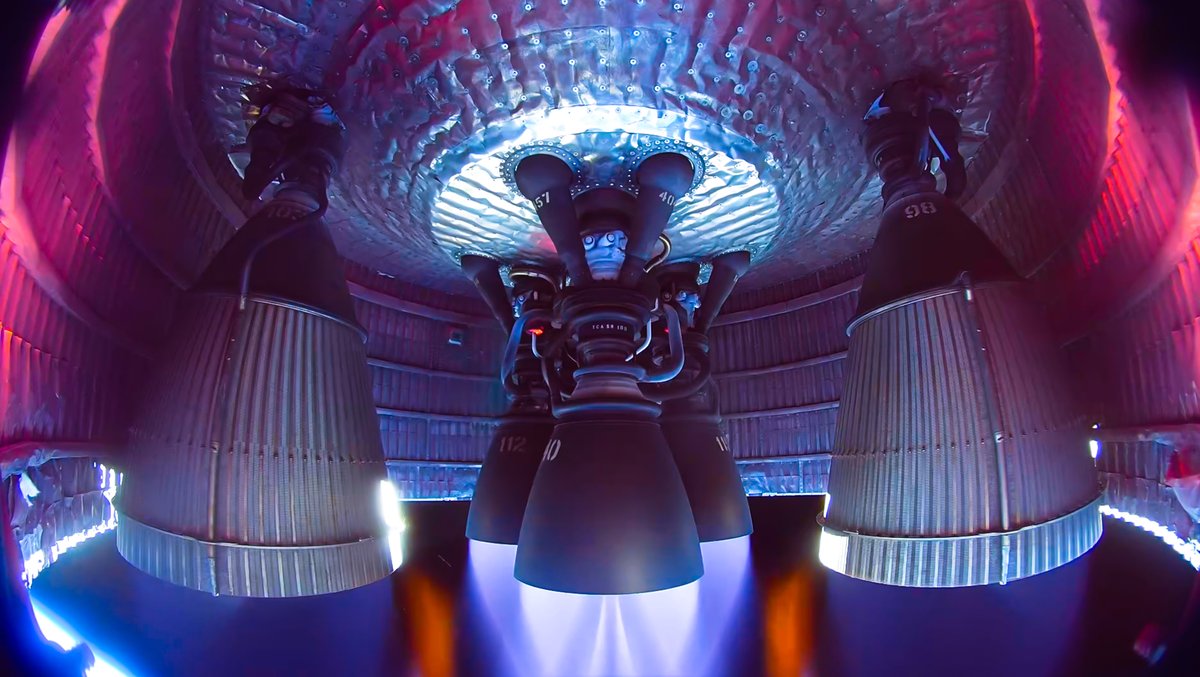
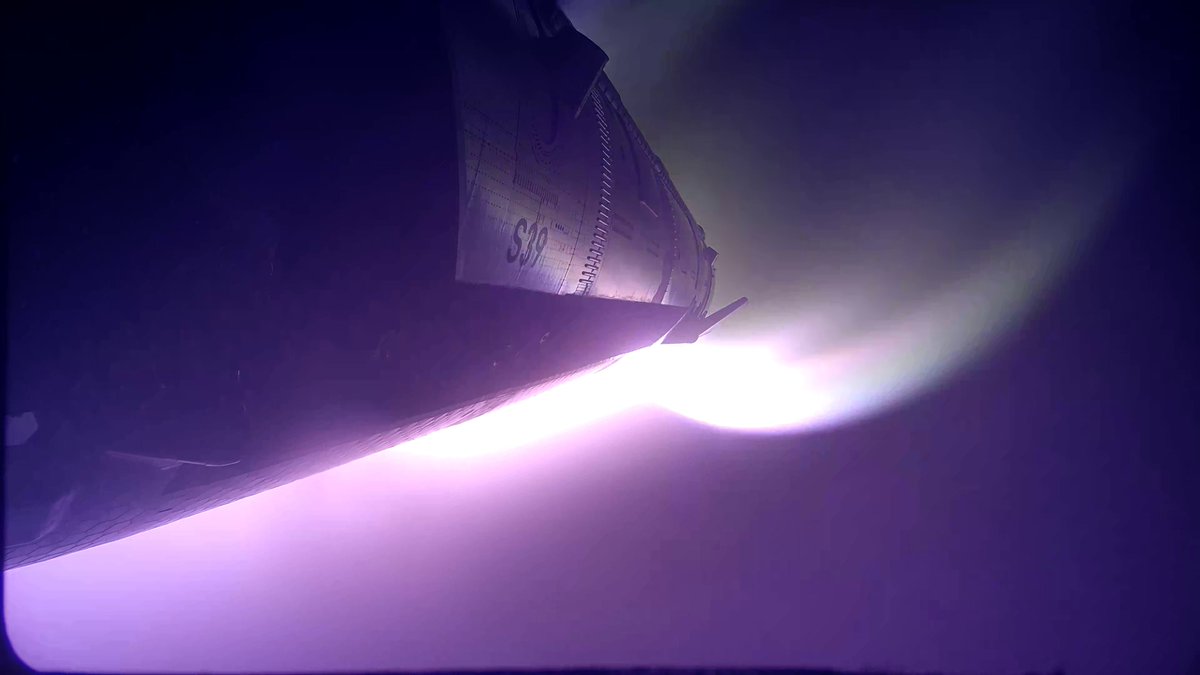
Onboard views from Starship and Super Heavy V3, which are equipped with upgraded cameras capable of streaming 4K video through every phase of flight via @Starlink
Imagine asking a human from any time in history prior to the 20th century if they wanted 3 almonds, to travel 20 miles, or to ask an oracle any question no matter how complex