Для тех, кто говорит, что СССР «не готовился к агрессивной войне в 1930-е» – почитайте детские книги Гайдара той эпохи. Они все пропитаны войной, просто воняют ею.
Во всех книгах множество военных, везде идут учения, готовятся вторжения, дети учатся стрелять и клеят фанерные танки. В стране тотальная шпиономания и атмосфера воинственного сумасшедшего дома, готового идти «освобождать трудящихся до Атлантики».
In AD 732,
A rampaging army of the Islamic Caliphate was descending on Tours after destroying the the forces of Odo of Aquitaine.
They were unaware that Charles Martel and his army were racing towards them!
[Thread]🧵
Мик Джаггер, ему всего 82...
Билять.
Я застал время, когда много лет тому,в школах рассказывали:не слушайте группу «The Rolling Stones», Мик Джаггера,он наркоман,пьяница, сочиняет музыку для наркоманов и вот-вот отойдёт в мир иной... 😁
Думаю, Мик Джаггер переживёт их внуков!🤘
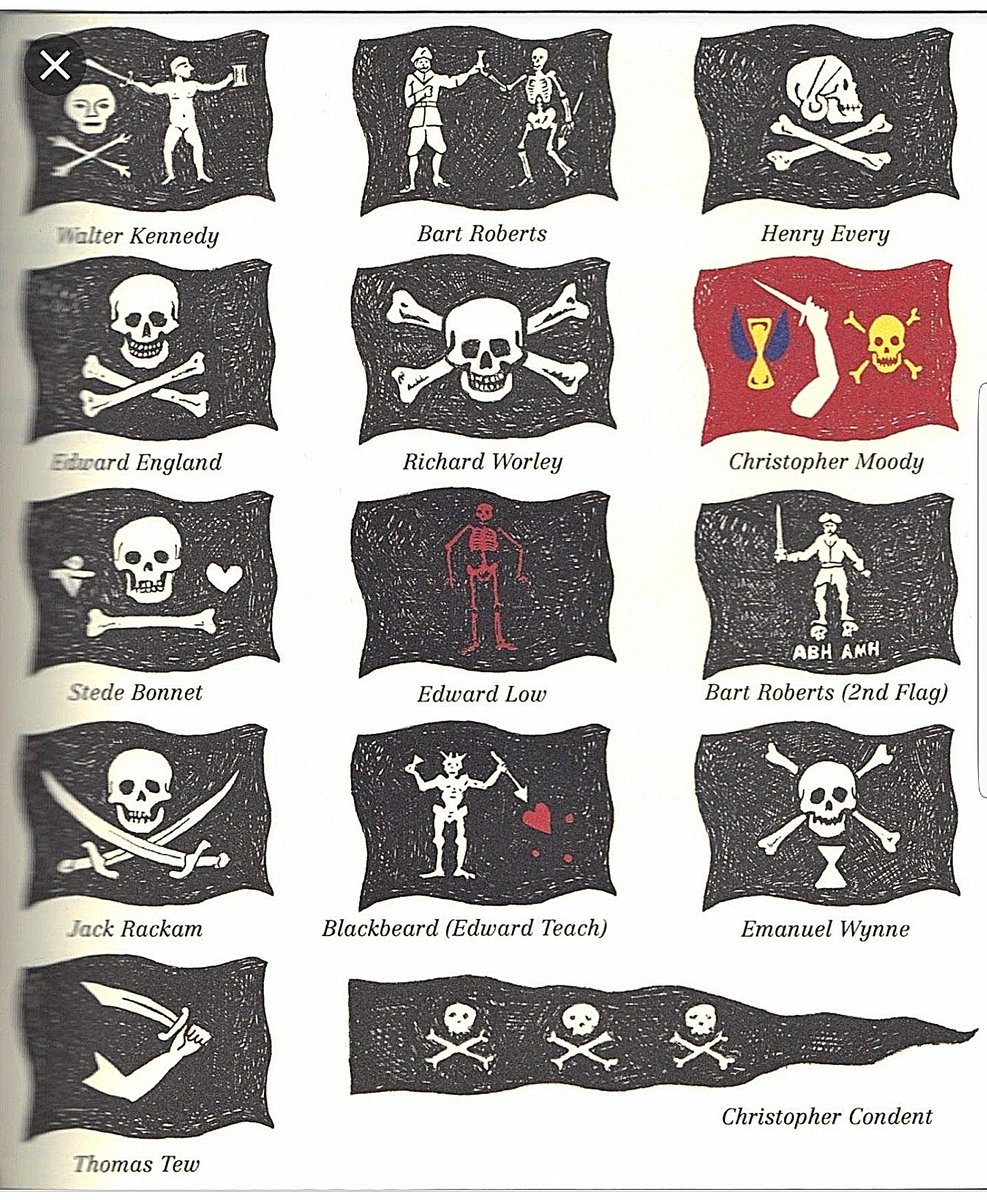
Flags are mainly used as international symbols to represent a people or a nation, or for nautical and aerial communication. This was no different during the latter part of the Golden Age of Piracy, where flags, commonly referred to as the ‘Jolly Roger’, would be raised to identify a ship or individual.
During the Golden Age around the 1650s-1730s, piracy was subdivided into three periods :
Buccaneering Period, a time when French seamen attacked Spanish colonies and shipping in Caribbean and eastern Pacific.
Pirate Round, consisting of mainly English pirates who targeted Muslim and East India Company shipping in Indian Ocean and Red Sea.
Post-Spanish Succession Period, when Anglo-American sailors and privateers left unemployed by end of War of Spanish Succession turned to piracy in Caribbean, Indian Ocean, North American eastern seaboard and West African coast.
One of earliest descriptions of pirate flags can be found in ‘A General History of Robberies and Murders of most notorious Pyrates’, published in 1724, written by Captain Charles Johnson, whose identity has been subject of scholarly debate. Some historians suggest that author may have been Daniel Defoe who wrote novel Robinson Crusoe or Nathaniel Mist, British printer and journalist who is credited with writing anti-whig ‘Mist’s Weekly Journal’. Book gives mythical status to lives and exploits of infamous pirates such as: Charles Vane, Edward Teach (Blackbeard), Calico Jack Rackham, Anne Bonny, Mary Read, William Kid, Edward Ned Low, Henry Every and Philip Roche.
General History also introduces readers to many features of piracy that became common in associated literature and legend, such as notion of pirates burying treasure and name of pirate flag being called ‘Jolly Roger’ by Welsh pirate Bartholomew Roberts and English pirate Francis Spriggs. Whilst both captains may have used same name for their flags, flag designs were very different, suggesting that name was generic term for black pirate flags rather than name for any specific flag design.
Another reference of ‘Old Roger’ can be found in a news report from 1723 in Weekly Journal or British Gazetteer, describing: “Their black Flag, under which they had committed abundance of Pyracies and Murders, was affix’d to one Corner of Gallows. It had in it the Portraiture of Death, with an Hour-Glass in one Hand, and a Dart in other, striking into a Heart and three Drops of Blood delineated as falling from it. This Flag they called Old Roger, and us’d to say, they would live and die under it.”
One of most associated designs to Jolly Roger is skull and crossbones symbol that has become synonymous with modern depictions of pirates in literature and films. Design may have originated from Muslim Black Standard used by Barbary pirates who operated from North Africa (although contemporary accounts refer to symbol mainly being shown on a green flag), whilst another early account can be found in 1687 ‘Bibliothèque nationale de France’, which records skull and crossbones design being used on a red flag by pirates on land.
Another early use of design is documented in British Admiralty Records of 1700, where frigate, HMS Poole, engaged pirate ship commanded by Captain Emanuel Wynn which flew Jolly Roger described as: “a sable flag with a white death’s head and crossed bones in the fly”, generally considered by many historians to be first definitive skull and crossbones pirate flag.
By the end of War of Spanish Succession in 1714, many privateers turned to piracy and decorated their flags with their own designs and variations of the Jolly Roger (some adopting a mix of colours) to identify themselves or communicate at sea. Pirate ships would normally fly a false flag or sail without colours until they had their prey within firing range. They then raised Jolly Roger, often simultaneously with warning shot, which may have given target ships an opportunity to decide to surrender without a fight.
#archaeohistories
Рекорд по скорости сборки кубика Рубика побил робот, созданный американскими студентами
Студенты Мэтью Патрохейем, Аден Херд и Алекс Берта из Школы электротехники и вычислительной техники Элмора при Университете Пердью в США разработали робот, установивший новый мировой рекорд в сборке кубика Рубика.
Робот, названный авторами проекта «Куб Пердубика», решает головоломку за 103 миллисекунды — это быстрее, чем в среднем моргает человек (около 200–300 миллисекунд).
Robert Heinlein once said,
"anyone who cannot cope with mathematics is not fully human. At best he is a tolerable sub-human who has learned to wear shoes, bathe, and not make messes in the house."
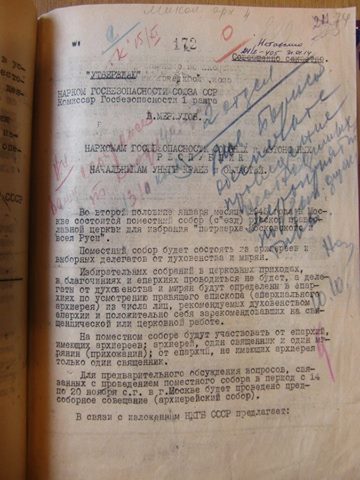
Коротко о РПЦ МП. СБУ опубликовала документы НКГБ об образовании Московской Патриархии. Абсолютно ВСЕ делегаты Поместного Собора РПЦ МП 1945 года были завербованы чекистами.
Интересно, присвоили батюшкам офицерские звания НКВД, или возвели в сан действующих чекистов?
09.04.1989 на проспекте Руставели в Тбилиси силами Советской Армии разогнан и подавлен митинг за упразднение абхазской автономии. Это событие известно как «ночь саперных лопаток». 250 человек ранено, 21 человек погиб, из них 18 женщин.
The Column of Marcus Aurelius was constructed between 180-193 AD in Rome, Italy 🇮🇹
It was commissioned by Emperor Commodus to honor his father, Emperor Marcus Aurelius, and commemorate the Roman military campaigns against the Germanic tribes and the Sarmatians. The column is located in what is now Piazza Colonna, in the center of Rome. It is believed to have been modeled after Trajan’s Column, which was erected in a similar fashion for military commemoration.
The column stands approximately 39m tall, with a spiral relief depicting scenes from the military campaigns. Made of Carrara marble, the relief winds 21 times around the shaft of the column. The monument was discovered in the same location where it was built, as it has remained in situ since its construction.
Today, the Column of Marcus Aurelius still stands in Piazza Colonna, an important historical and cultural site in Rome.
#archaeohistories
Thread of archaeological discoveries on Earth 🧵
1. 23,000-year-old human footprints uncovered in New Mexico’s White Sands National Park. It's a top 10 discoveries of 2021.
Сегодня день рождения писателя и поэта Ганса Христиана Андерсена (1805—1875). «Думающий атеист, живущий по совести, сам не понимает, насколько он близок к Богу. Потому что творит добро, не ожидая награды. В отличие от верующих лицемеров». Фото 1860 г.
После своей смерти в 1979 она,открывшая, из чего состоит Вселенная,не получила ни одной мемориальной доски. В газетных некрологах не упоминается о ее величайшем открытии.
Каждый старшеклассник знает,что Исаак Ньютон открыл гравитацию, Чарльз Дарвин- эволюцию, а Альберт Эйнштейн-
Realistic goal: never gets realized
Unrealistic goal: fires you up, gets realized
Burnham—the man behind the famous Chicago World Fair of 1893—talked about this: "Make no little plans; they've no magic to stir men's blood"
The Paradox of Plans: only the unrealistic ones pan out


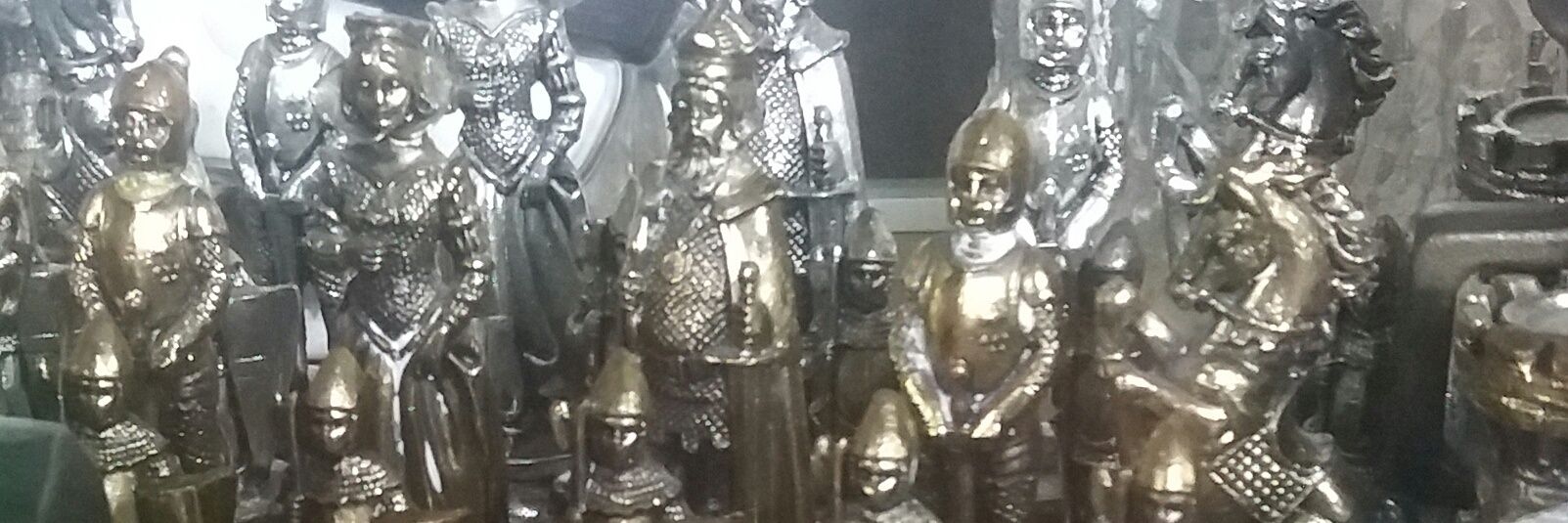


![nonregemesse's tweet photo. In AD 732,
A rampaging army of the Islamic Caliphate was descending on Tours after destroying the the forces of Odo of Aquitaine.
They were unaware that Charles Martel and his army were racing towards them!
[Thread]🧵](https://pbs.twimg.com/media/Grd35HqWMAE-fZE.jpg)