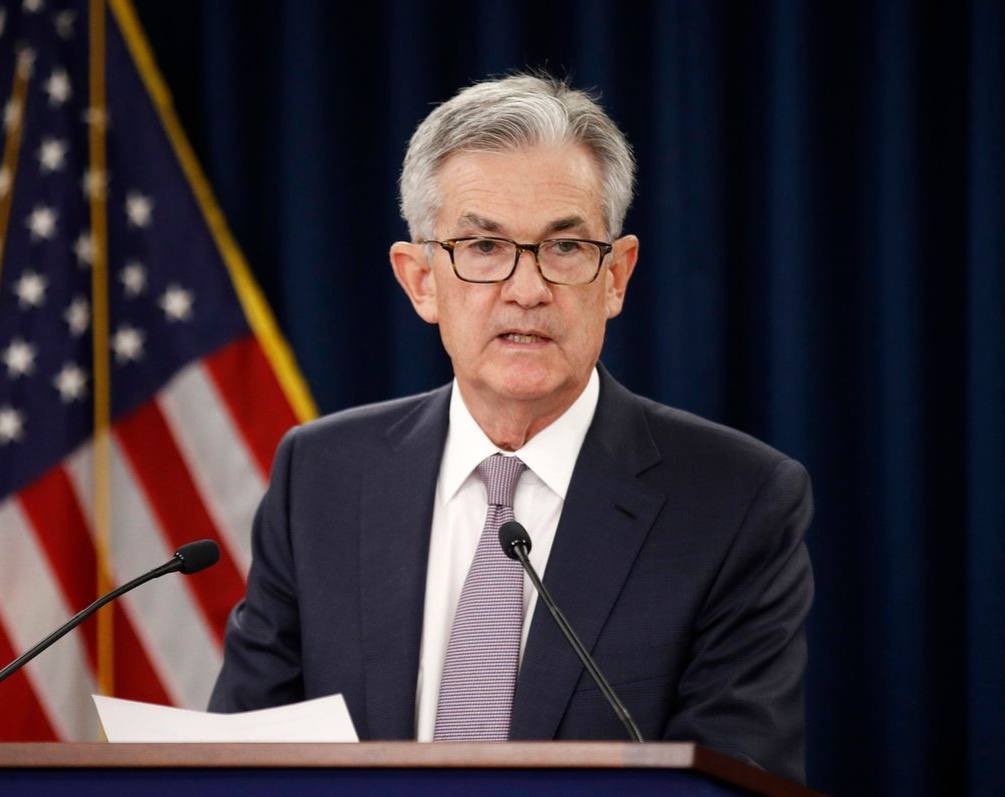
🇺🇸 FED IS SIGNALING YEN INTERVENTION AGAIN JUST LIKE 1985. LAST TIME, THIS CRASHED THE DOLLAR BY NEARLY -50%.
In 1985, the U.S. dollar had become too strong. U.S. factories were losing business, exports were collapsing, and trade deficits were exploding. Congress was close to putting heavy tariffs on Japan and Europe.
So the U.S., Japan, Germany, France, and the U.K. met in New York at the Plaza Hotel and made a deal. They agreed to deliberately weaken the dollar. By directly selling dollars and buying other currencies together. That was the Plaza Accord and it worked.
Over the next 3 years:
- The dollar index fell almost 50%.
- USD/JPY moved from 260 to 120.
- The yen doubled in value.
This was one of the biggest currency resets in modern history. Because when governments coordinate in FX, markets don’t fight them. They follow. That decision changed everything.
A weaker dollar pushed:
- Gold higher
- Commodities higher
- Non-U.S. markets higher
- Asset prices higher in dollar terms
Now look at today.
The U.S. still runs large trade deficits. Currency imbalances are at the highest. Japan is again at the center of stress. And the yen is again extremely weak. That is why Plaza Accord 2.0 is even being discussed.
Last week, the NY Fed did rate checks on USD/JPY, which is the exact step taken before FX intervention. It signals willingness to sell dollars and buy yen, just like 1985.
No intervention happened yet. But markets moved anyway. Because they remember what Plaza means.
If that starts again, every asset priced in dollars will skyrocket.
🚨 The Fed’s favorite inflation indicator just dropped and it’s bullish for the crypto market.
🇺🇸 US PCE inflation came in at:
- 2.7% YoY (expected: 2.7%)
- Core PCE: 2.9% (expected: 2.9%)
- MoM: 0.2% (expected: 0.2%)
📌 In line with expectations.
This confirms a few important things:
1. Inflation is not rising aggressively.
The numbers are stable, not accelerating which is a good sign for the Fed and for markets.
2. Tariffs haven’t had any major impact.
Despite being in place for months now, there’s no visible inflationary pressure from recent tariff policies.
That’s a relief, especially for those who were expecting supply side inflation.
3. Consumer spending is under control.
There’s no sign of overheating.
Demand is strong, but not excessive, exactly the balance the Fed wants to see before easing policy.
As a result, expectations for an October rate cut are climbing.
- Just a day ago: 85.5% chance
- Now: 87.7%
That’s a clear signal:
➡️ The market believes a rate cut is coming possibly as soon as next month.
And for crypto, that’s bullish.
Because lower rates = more liquidity = more risk-on flows.
And if the Fed even hints at a pivot, it could set the stage for a strong Q4 rally across both stocks and digital assets.
Simple as that.
QCP: The Fed is expected to start its easing cycle with a 25 bp cut to 4.00–4.25%, with markets pricing six cuts through 2026. Focus is on the SEP and Powell’s press conference for guidance. Risk assets have rallied, but any shift in the dot plot or firmer messaging could test sentiment. Crypto continues to lag equities despite looser liquidity. https://t.co/6grByRluX2
U.S. July PPI annual rate was 3.3%, exceeding expectations of 2.5%, with the previous value revised from 2.3% to 2.4%. This significantly surpassed the market's expected 2.5%, marking the highest level since February. The U.S. July PPI monthly rate was 0.9%, the largest increase since June 2022.
JUST IN: 🇺🇸 SEC approves conversion of Bitwise 10 Crypto Index Fund into an ETF holding the following cryptocurrencies:
• BTC
• ETH
• XRP
• SOL
• ADA
• SUI
• LTC
• DOT
• LINK
• AVAX
U.S. Senator Cynthia Lummis is pushing to include a crypto tax amendment in the “Big Beautiful Bill,” proposing tax exemptions for crypto transactions under $300 (up to $5,000 annually) and taxing staking, mining, airdrops, and forks only upon sale to avoid double taxation.
https://t.co/2c3327KFGu
U.S. housing is embracing crypto! The FHFA has directed Fannie Mae and Freddie Mac to incorporate Bitcoin and other crypto assets on regulated U.S. exchanges into mortgage risk assessments
What's this mean? It means a homebuyer’s Bitcoin holdings will influence their mortgage approval
Canada, however, remains hesitant, with no clear framework. Adopting a similar policy would alleviate Canada’s housing crisis by expanding mortgage eligibility.
Canada should act swiftly to catch up or, ideally, lead!
[https://t.co/Yq149u5yVY]
@Ashcryptoreal Lmao bruv you high? USA based on military conflict, you seriously think they are going to drop bombs without a plan on how to make more money? Oil might rise in the short term but USA so heavily invested in them that higher oil prices going to cause "problems" lmao 🤣🤣🤣🤣