Head of the Structural Dynamics Branch & manager of LandIR @NASA_Langley | @Phillies fan | Alum of @CarnegieMellon and @GeorgiaTech | Opinions/Likes are my own
I am super proud to work with both of these men. Jim and I work together on a project right now (not soft robots) and Greg works in my branch but was useful enough to not get fired from ACS3 like me.
Robots with muscles? Sailing on sunlight?
Watch our new episode of "Far Out," to see how @NASALangley is making soft robots to help us live on the Moon and solar sails to explore space using only the power of our Sun: https://t.co/b1FMGcbQgN
What a freaking shame. We stop there every year. Wallops’ visitor center is fantastic and its gift shop out of this world especially given how small the center is.
AFGE, AFL-CIO, the Union representing Federal employees at the @NASAWallops Flight Facility is calling for immediate action to stop the proposed closure of the NASA Wallops Visitor Center - a decision that, if enacted, would inflict irreparable harm on the community, the regional economy, and #NASA’s public mission.
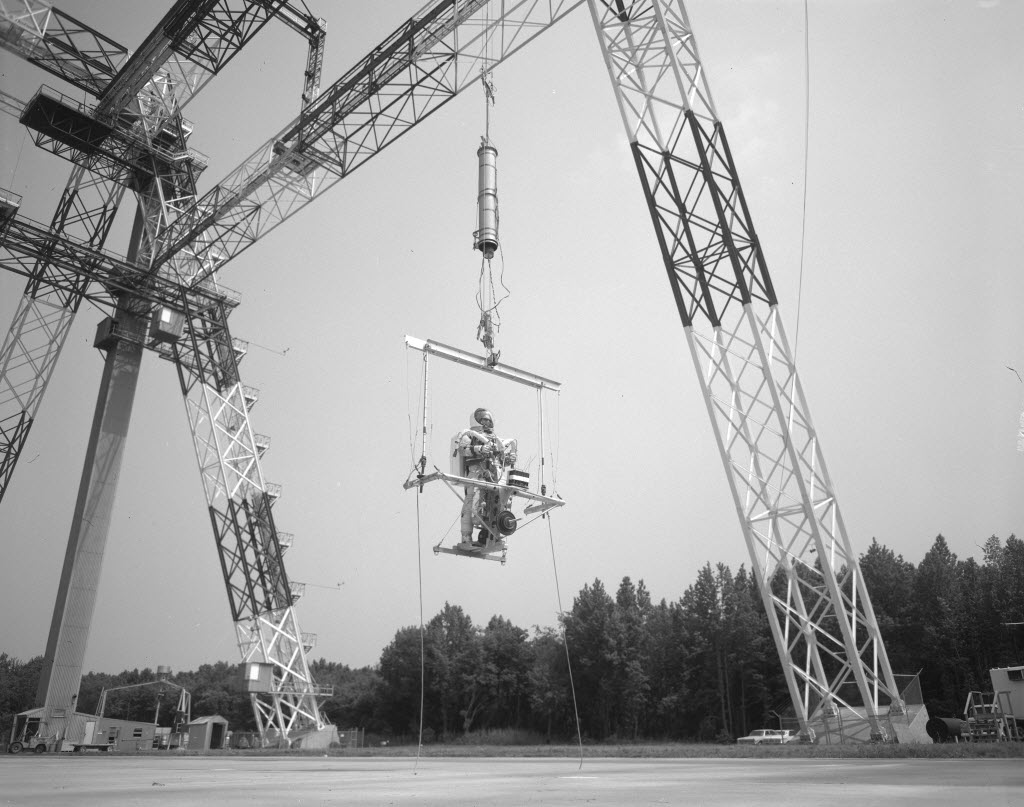
In 1965, Apollo astronauts began training for their historic journey to the moon at NASA Langley’s Lunar Landing Research Facility.
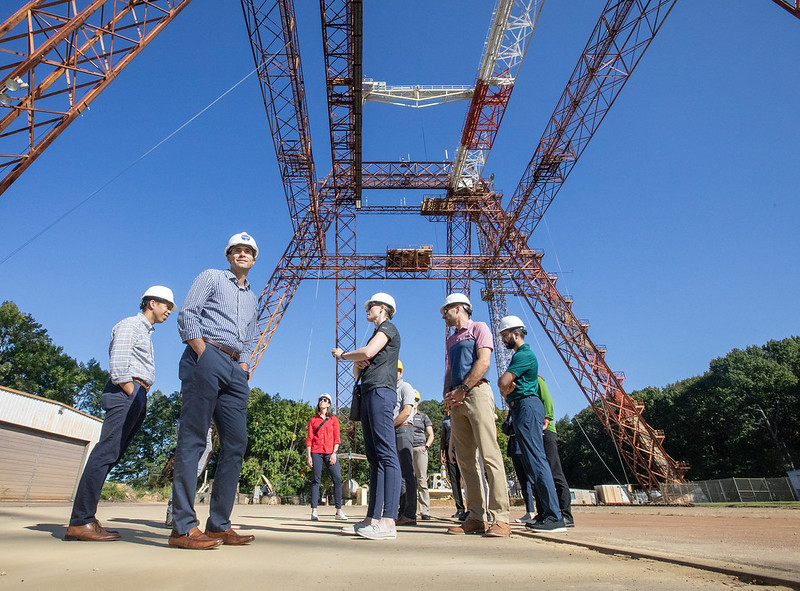
The 2023 astronaut candidate class visited the space last year and learned how it's being used today.
Watch a test: https://t.co/hQeIhrJ9BE
NASA Langley Research Center in Hampton was honored by TIME Magazine “Best Inventions of 2024.” The Advanced Composite Solar Sail System was developed and built at NASA Langley. It is studying how giant sails in space can move a spacecraft.
https://t.co/mvQyCS21Ff
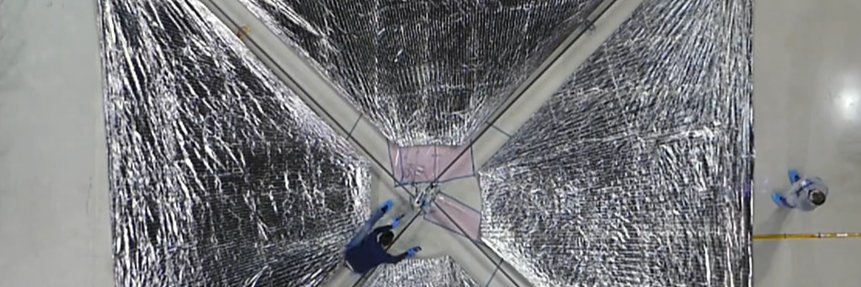
Furthermore, from every other photo you see in the thread quoted above, the booms appear to have deployed out straight with little evidence of relaxation after most of a year rolled up for launch. That's really good!
If I seem a bit sensitive about this, it’s because the point of the Advanced Composite Solar Sail System (ACS3) is the demonstration of the composite booms as a means of deployment and tensioning in space.
Second, it is inaccurate to say that the bend you see in the boom at bottom left of this image is a failure. The source of tension that caused the bend is not known. Most likely, some element of the tensioning system snagged early in deployment.
So if something snagged the booms (which are optimized to be as light as possible while maintaining deployment and deployed tension) then that’s not on the boom technology but rather on us for not catching the problem in the sail system on Earth.
Finally, yes we tried turning it on and off again. It has even been so kind as to turn itself on and off again for us. ACS3 is a good little spaceship.
Now that NASA has put out a bit more about what is going on with our ACS3 solar sail, I want to address a few things I have seen on Twitter and elsewhere on the internet.
https://t.co/zK6jlYWGFv
If you are from Pittsburgh, descend from Yinzers like me, or just have a fond place in your heart for the city, you should definitely be following @DaveDiCello
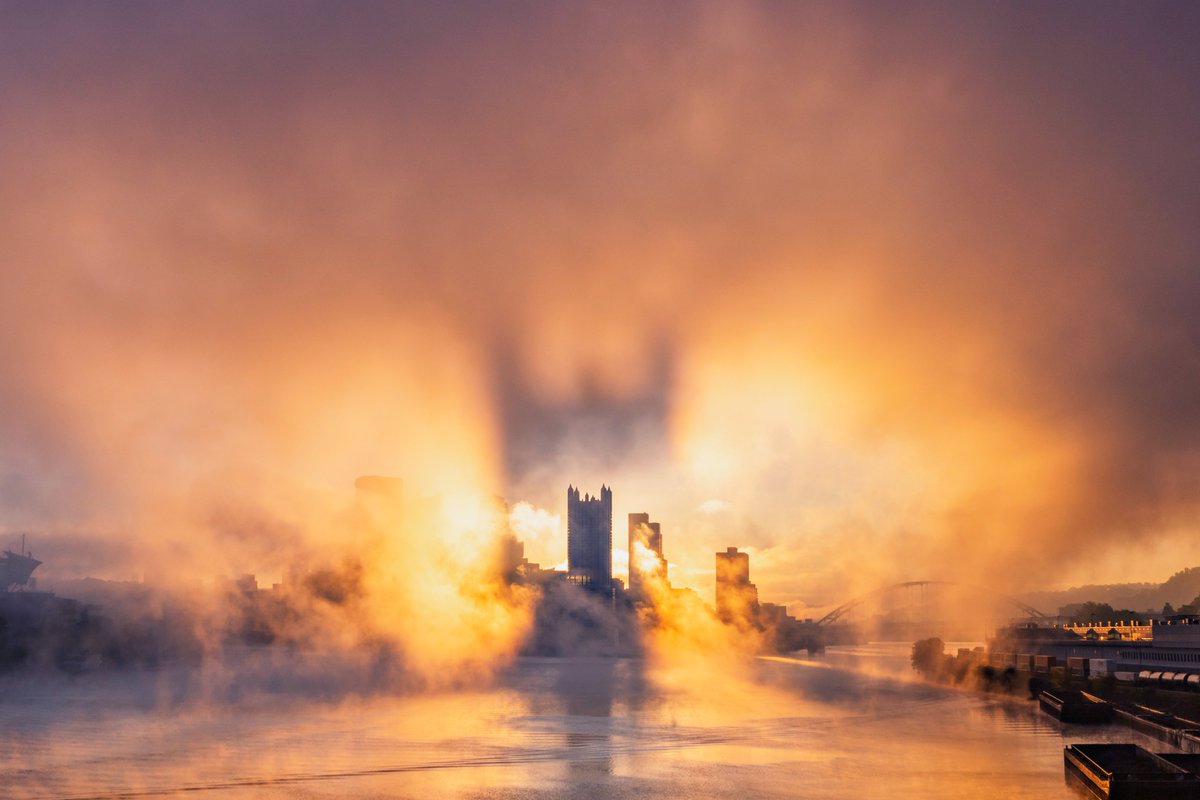
One of my new all time favorite images of #Pittsburgh.
The fog this morning was incredible, and I had a feeling that the sunlight would cast a shadow of PPG Place on that fog from the West End Bridge. Luckily the conditions worked out, allowing for this amazing scene to unfold.
Nice photographs from my employee Josh, who has been putting in long hours to get ready to support a big test campaign for Gateway over the next few months.
Auroras, like the ones seen here at Langley Research Center last night, are caused by solar storms that send gas particles through space. 🌩️
When those particles interact with our atmosphere, we see an Aurora Borealis.
Learn more: https://t.co/zMPYFKFCv2
This revamped (and hated) Action News theme debuted 28 yrs ago today. The mini documentary on this is fascinating, had no idea until now this was not the final edit.
Just glad the original returned days later😀@sarahbloomquist@CecilyTynan#Philly#Philadelphia#ActionNews
@spacenukej@satsearchco There will be plenty more papers in the future! We are just starting to learn from ACS3. If you want to learn more about the mission and have access, the team has published the above referenced paper in AMS, some with AIAA, and others with the International Solar Sail Symposium.