🧠 What does a high-IQ brain look like at rest?
In an Italian study of 49 adults, 29 MENSA members showed greater network integration in the alpha band (8–13 Hz) than 20 controls during eyes-closed resting EEG.
The key finding was shorter characteristic path length: a graph-based measure suggesting more efficient communication across the functional network. The difference remained significant after outlier exclusion.
This offers a clue to how intelligence relates to brain network organisation, rather than a way to read someone’s IQ from an EEG. Larger studies are needed to establish how widely the pattern applies.
Research involving @unicatt.
#Neuroscience #EEG
New in @StrokeAHA_ASA: even a 10% increase in creatinine within 48 h after EVT is associated with worse 90-day functional outcomes and higher in-hospital mortality.
🔗 https://t.co/UQ9N2w64Nv
@NguyenThanhMD@ShadiYaghi2#Stroke#EVT
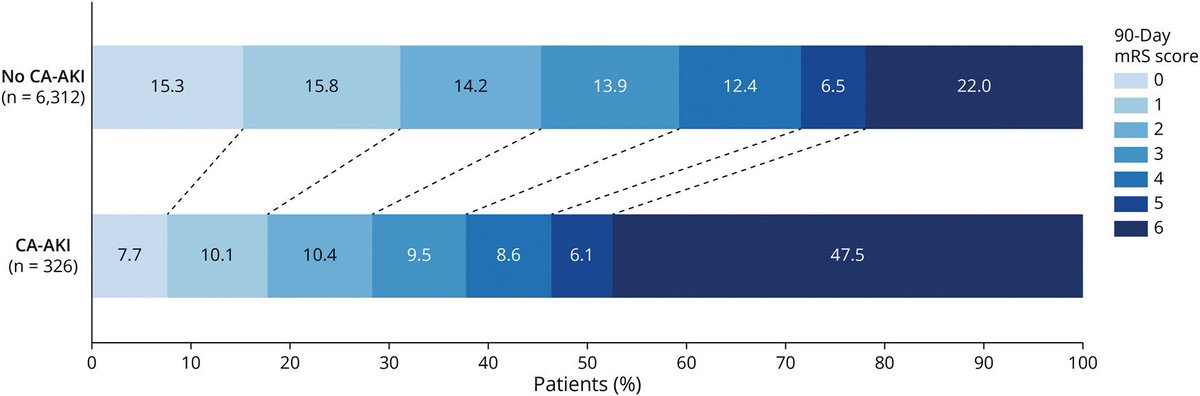
Contrast-associated AKI matters after EVT. In the CAN-REST collaboration (>6,600 patients), ~5% develop CA-AKI with nearly 50% mortality.
The new CAN-REST score helps early risk identification.
@GreenJournal@NguyenThanhMD@AmeerEHassan@PittStroke
https://t.co/9c1udh4tyZ
In this large, international cohort, contrast-associated acute kidney injury (CA-AKI) occurred in approximately 1 in 20 endovascular thrombectomy (EVT)-treated patients with acute ischemic #stroke and was independently associated with poor outcomes: https://t.co/qPAMM8bJUj
What if I told you it is possible to increase 6⃣ times the detection of cardioaortic thrombi in stroke patients with a simple tweak to your current workflow?
🤯🤯🤯
We would only need to screen 1⃣4⃣ patients to find 1⃣ thrombus! Curious? Read on! DAYLIGHT Trial
https://t.co/6O2nz293OG
#Stroke #Cardiology #MedTwitter #Neurocardiology #Neurology
Read till the end for a surprise
1/8
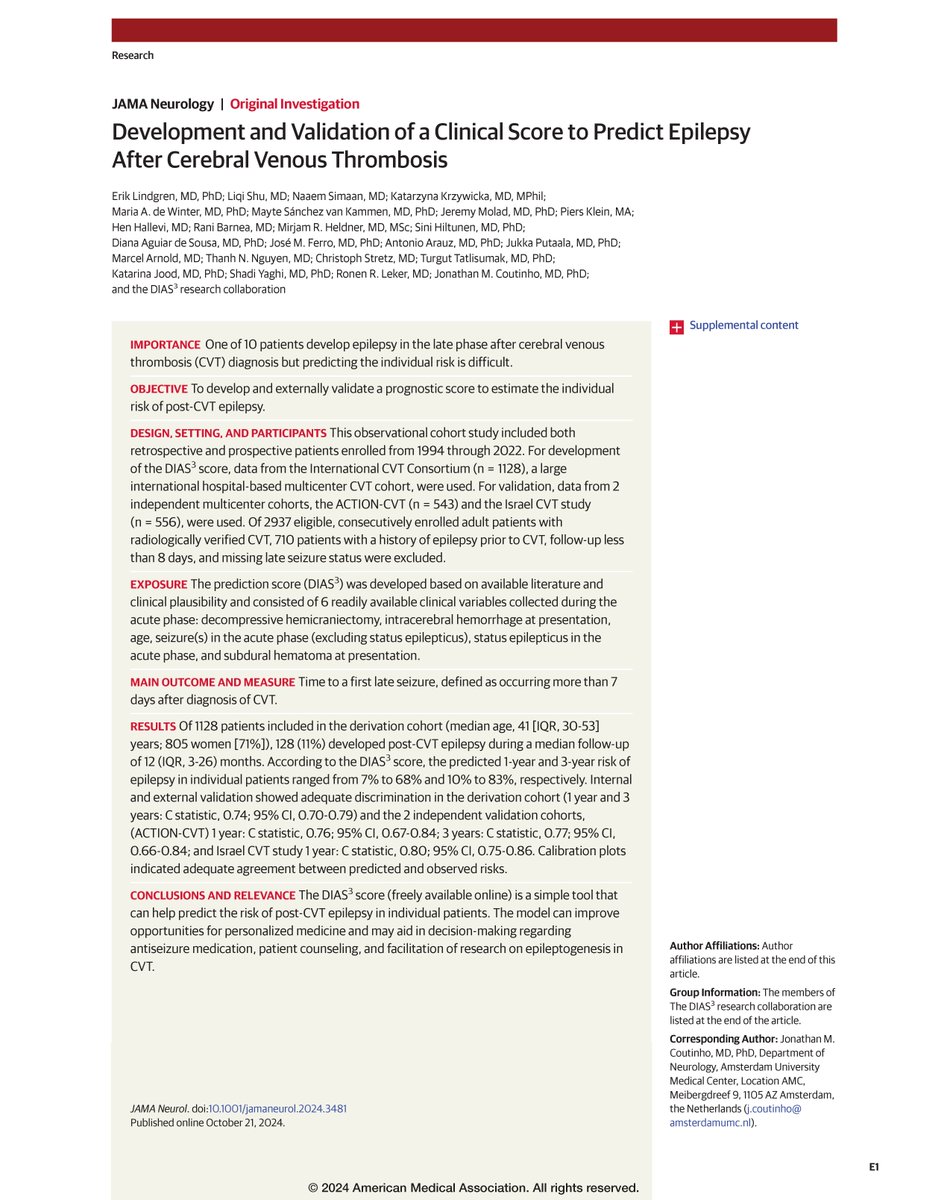
The DIAS3 score is a simple tool to predict the risk of epilepsy after cerebral venous thrombosis (CVT) in adults. It was developed and validated in three large international CVT cohorts. https://t.co/pGY3m9N7CW
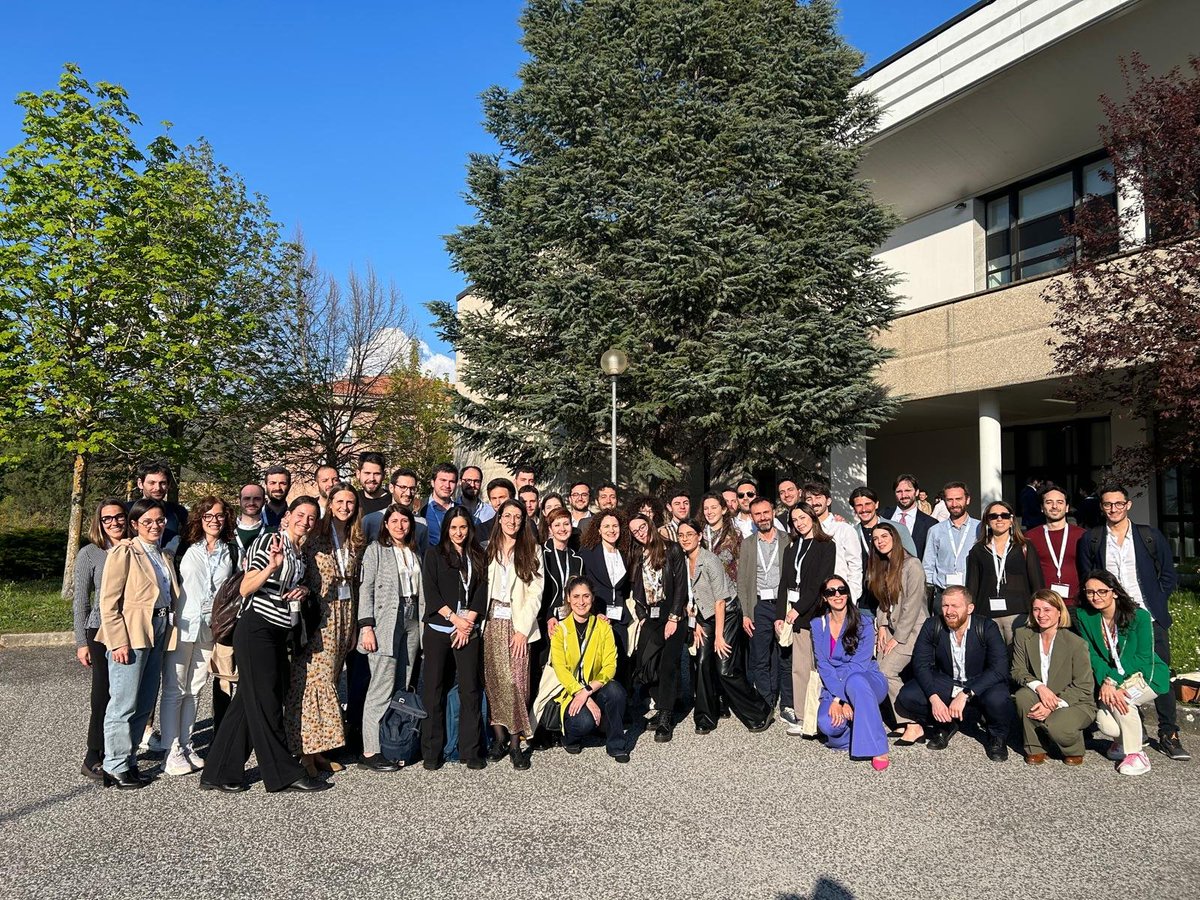
🌟 Highlights from our recent consortium meeting in Rome! Together, we're crafting a vibrant, collaborative environment and pioneering the future of #stroke prediction using #AI algorithms in a #FederatedLearning system. Onward and upward! 🚀 #EUfunded
🚨STROKE CALL from peripheral hospital! 🚨
70 yo female, fluctuating R hemiparesis and slight aphasia, NIHSS 1, onset 45 min ago.
Native CT normal (ASPECTS 10, no ICH)
Angio/Perfusion below
Next week, we're thrilled to host our annual in-person meeting with the TRUSTroke Consortium in Rome! Looking forward to collaborating closely and making strides toward our objectives. Stay tuned for updates on the event!
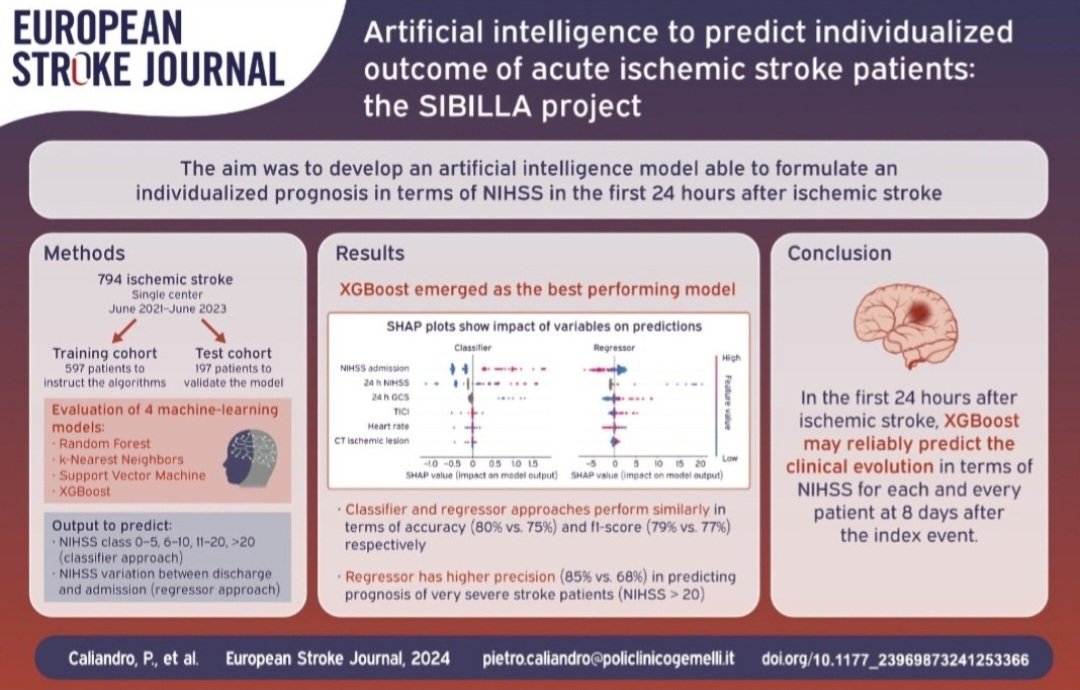
Very happy to share the results of our work published in ESJ "Artificial intelligence to predict individualised outcome of acute ischemic stroke patients: The SIBILLA project"
A further step towards a personalised approach to the ischemic stroke patient.
https://t.co/VIuTRfdv4Z