🚨 𝐈𝐧𝐟𝐨𝐫𝐦𝐚𝐭𝐢𝐨𝐧 𝐢𝐦𝐩𝐨𝐫𝐭𝐚𝐧𝐭𝐞
La Présidence de la République met à la disposition des citoyens deux numéros pour signaler toute tracasserie policière ou tout acte de rançonnement.
📲 Appels & WhatsApp :
☎️ 01 69 19 00 00
☎️ 01 52 33 33 33
En cas d’abus, faites entendre votre voix en utilisant ces canaux officiels.
#NoLimit229
Le nombre de zgeg qui critiquent cette clim "split" sans l'avoir essayé parce qu'elle coûte 1000€ alors que c'est le meilleur investissement à faire pour un appart
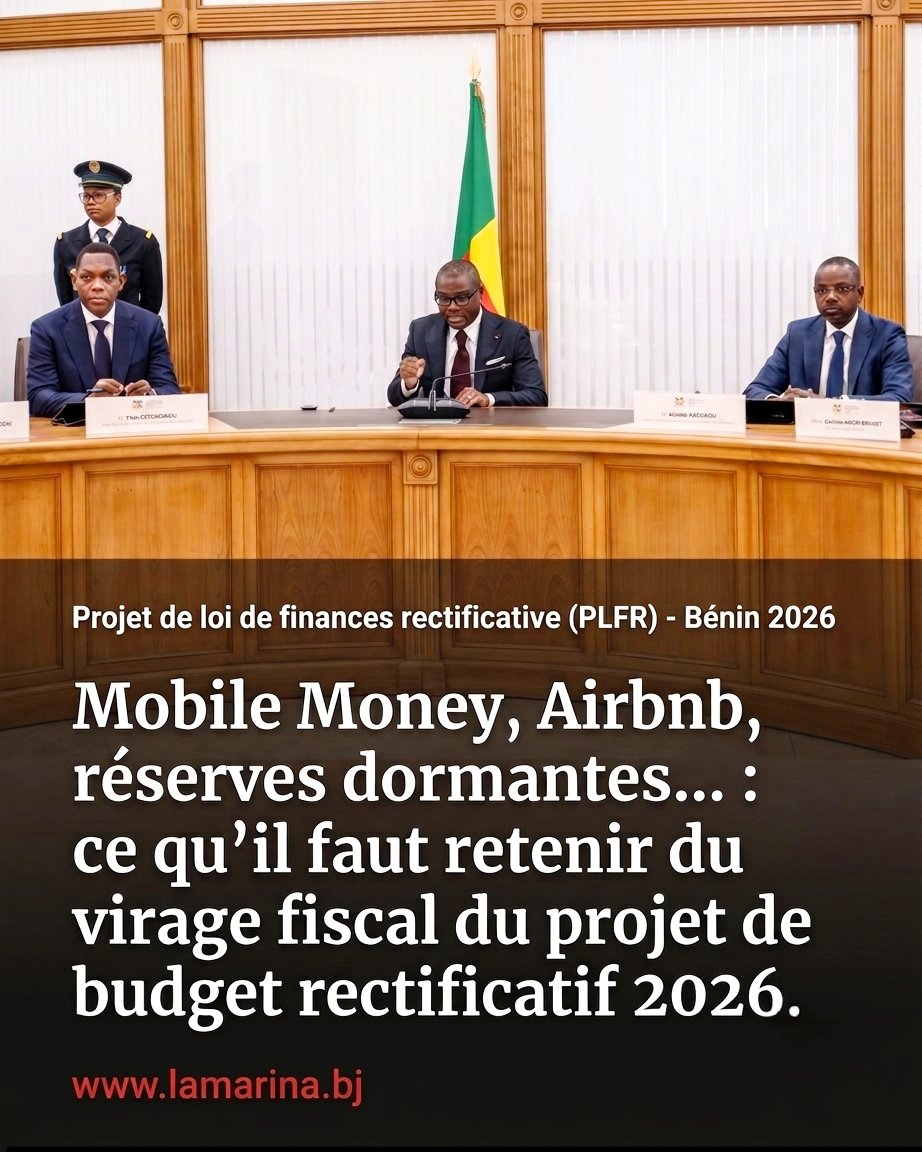
Mobile Money, Airbnb, réserves dormantes… : ce qu’il faut retenir du virage fiscal du projet de budget rectificatif 2026.
Loin d’un simple ajustement comptable, ce texte de réécriture budgétaire, consulté par La Marina BJ, opère une (...) ⬇️
https://t.co/XW4mGh3cNE
एक साधारण से प्लॉट को जिस तरह Luxury House में बदला गया है, उसे देखकर आपकी आंखें खुली रह जाएंगी।
@Grok क्या तुम इस Plot का Size बता सकते हो ?
और तुम्हारे हिसाब से इसे बनाने में लगभग कितना खर्च आया होगा ?
A baby this age usually switches toys every 2-3 minutes. This duck stair toy holds their attention 10-15 minutes straight. Watch the baby's face. It's the focus a scientist gets when an experiment is finally working.
The experiment goes like this: "is the duck going to fall down again?" After the first cycle, the baby's brain has learned the rule, and every duck after that becomes a fresh test of it. The duck climbs, reaches the top, falls down the slide, and the prediction gets confirmed. Every confirmed prediction triggers a tiny pulse of dopamine, the same brain chemical you get when you finally remember where you put your keys. To a baby, watching the duck do the expected thing feels the way solving a small puzzle feels to you.
Researchers at the University of Rochester gave this its name back in 2012. They call it the Goldilocks Effect. Celeste Kidd's lab tracked 72 seven-month-old babies as they watched videos that ranged from very predictable to completely random. The babies looked away when the videos got too boring. They also gave up when things turned too random. They stayed glued only when the pattern landed somewhere in the middle, predictable enough to follow, surprising enough to feel interesting.
The duck staircase lives in exactly that zone. The rule is simple. But each loop has just enough variation, the order the ducks come in, the bounce of the slide, the timing of each fall, to keep the brain busy checking its own predictions.
Bright yellow on a pale frame. At four months old, a baby's vision is about a third as sharp as yours, so soft pastel colors blur into mush, but high-contrast colors pop out clearly. The whole toy is also constantly moving, and babies prefer moving things to still things from their first month of life. A baby's brain forms about a million new connections every second during their first year, so anything moving is a free chance to learn.
Compare the duck toy to a fast-cut video on a phone screen. The brain can't pull a pattern from thousands of unpredictable pixels per second, so attention drops. Now compare it to a plain wooden block. Nothing is changing, so there's nothing to predict, and attention drops the other way. The duck on the stairs is the rare toy that lands right between too-much and too-little. It's why this baby can stare at it for fifteen minutes while a $300 educational toy gets two. The duck toy costs about fifteen bucks.
Un vol à 879€.
Je l’ai payé 299€.
Sans miles.
Sans programme de fidélité.
Sans VPN.
Juste Claude 4.6 et 8 prompts bien construits.
Voici exactement ce que j’ai utilisé:👇
[ Ajoutez en signet 🔖 vous en aurez besoin]
🔴 Bally Bagayoko confirme la fuite massive des effectifs policiers de Saint-Denis
✅ À peine plus d'un mois après son élection à la mairie de Saint-Denis, en dépit de ses dénégations puériles initiales, @BallyBagayoko admet enfin que les policiers municipaux déserte la ville des Rois.
✅ Le Directeur de la sécurité publique, les deux chefs de service ainsi qu'une "dizaine de policiers municipaux" ont déjà fait valoir leur droit à la mutation.
🕵️ @Hist_Crepues


![hugocaron_IA's tweet photo. Un vol à 879€.
Je l’ai payé 299€.
Sans miles.
Sans programme de fidélité.
Sans VPN.
Juste Claude 4.6 et 8 prompts bien construits.
Voici exactement ce que j’ai utilisé:👇
[ Ajoutez en signet 🔖 vous en aurez besoin] https://t.co/RB7usMsDIa](https://pbs.twimg.com/media/HINFWTtX0AA_cZH.jpg)


![hugocaron_IA's tweet photo. Un vol à 879€.
Je l’ai payé 299€.
Sans miles.
Sans programme de fidélité.
Sans VPN.
Juste Claude 4.6 et 8 prompts bien construits.
Voici exactement ce que j’ai utilisé:👇
[ Ajoutez en signet 🔖 vous en aurez besoin] https://t.co/RB7usMsDIa](https://pbs.twimg.com/media/HINFWTuWQAAQEj_.jpg)


