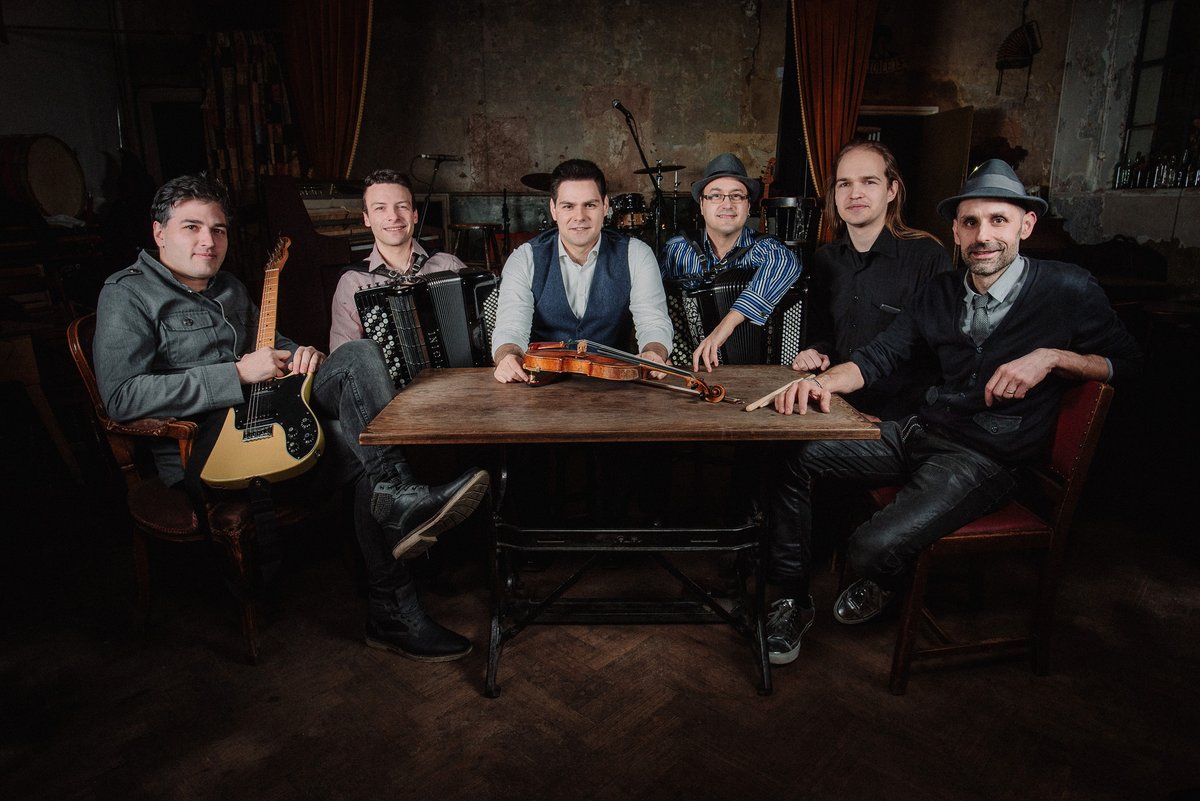
Researcher @LeverhulmeCFI @Cambridge_Uni. Exploring AI capabilities (mostly LLMs) in the context of occupational tasks. Violinist @paprikamusic & @PicoPlayers
🚀 New Paper: “Paradigms of AI Evaluation: Mapping Goals, Methodologies, and Culture” https://t.co/eVLSkJy6O2
We survey 125+ studies and identify 6 major paradigms of AI evaluation, each shaped by distinct goals, methodologies, and research cultures.
🧵
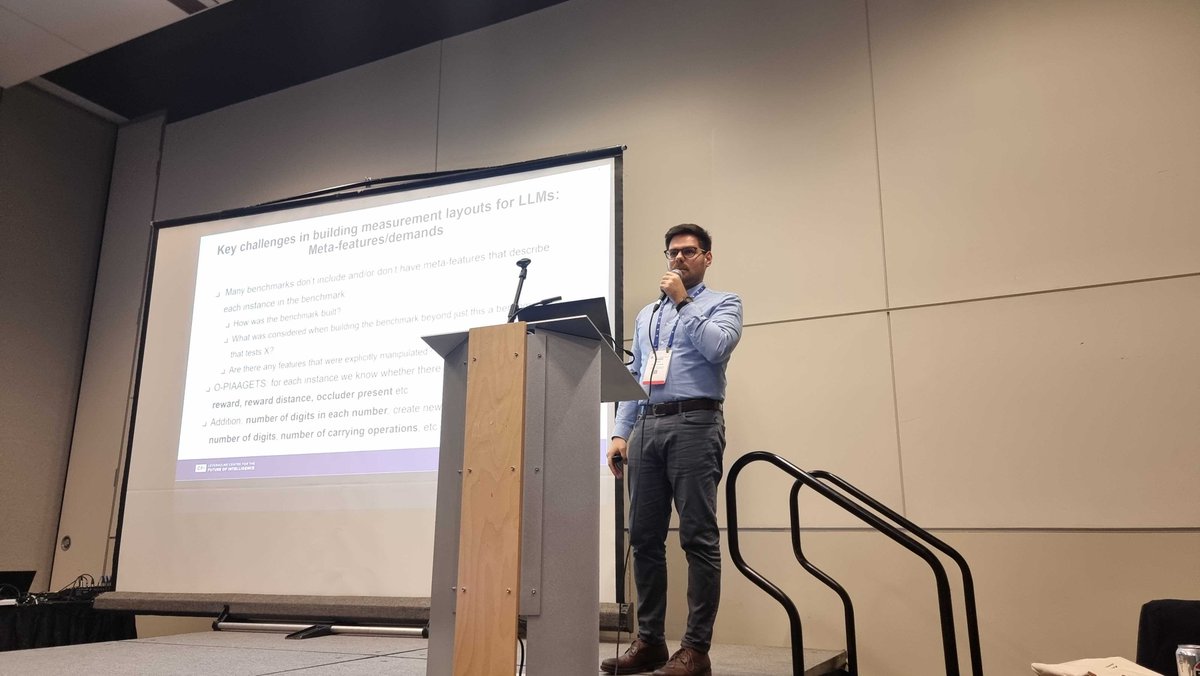
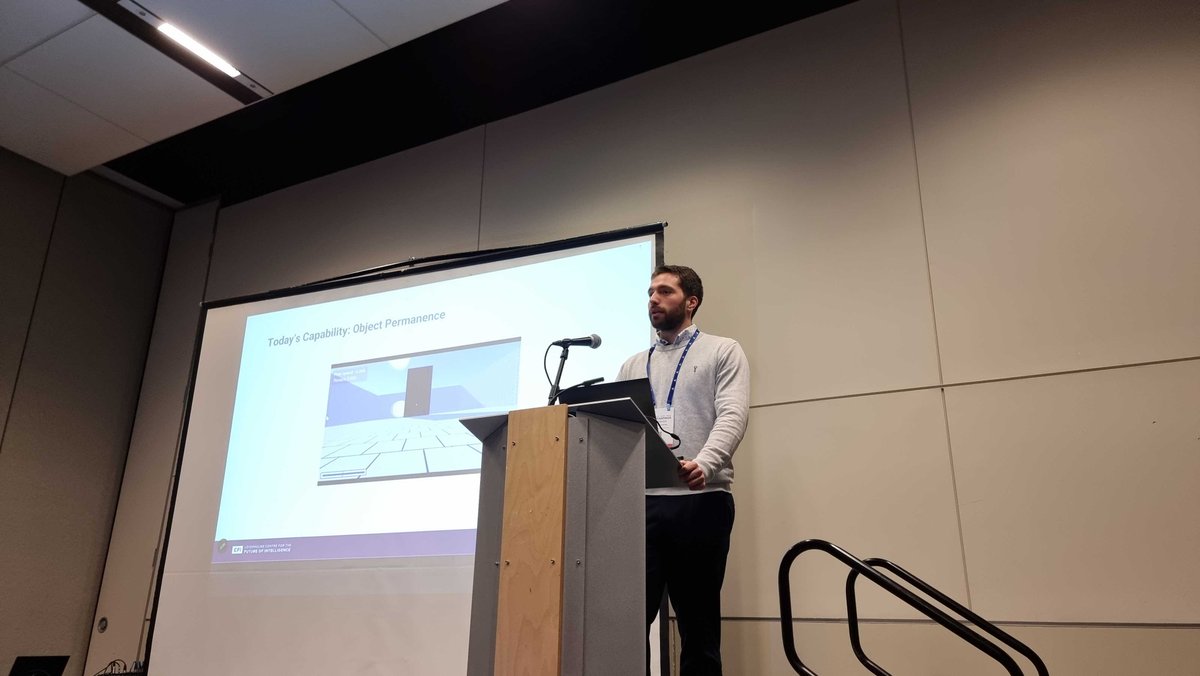
We discussed how to use the measurement layouts to learn about the capabilities of RL agents and LLMs. All code, data, and presentations can be found here: https://t.co/KJtf6xYtRe
It was a great experience presenting our tutorial on the capability-oriented approach to AI evaluation at @RealAAAI. @KozzyVoudouris, José Hernández-Orallo, @JohnJBurden, and I showcased measurement layouts (Bayesian hierarchical models) to infer the capabilities of AI systems.
We have TWO new full-time positions open, to work on our two-year project in collaboration with Accenture entitled 'Aligning assessment of cognitive abilities in cutting edge AI and those required in human employees'. https://t.co/FnQwQAyFGz @Accenture
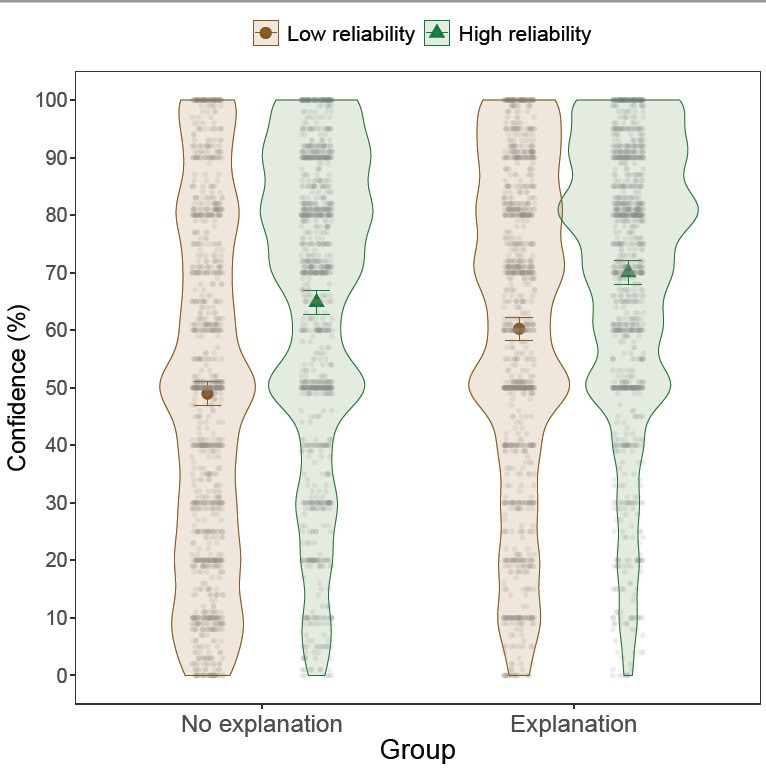
How do explanations, confidence in a claim being explained, and the reliability of the source interact? Reliability mediates the impact of explanations on confidence. Explanations have a greater impact on confidence when reliability is low
https://t.co/ICxid9YmIK
Excited to announce that I've joined @LeverhulmeCFI@Cambridge_Uni as a postdoc researcher. I'm working together with @LucyCheke, José Hernández-Orallo, & the @OECD on exploring AI capabilities and mapping them onto the specific demands in human workforce.
This work is now published in Patterns: https://t.co/2a1Kib40MP
A cautionary note on how explanations of predictive AI models (which explain/make explicit the correlations in data that the AI model has captured) can affect our beliefs about the causal relationships in the world
Can counterfactual (CF) explanations of AI systems' predictions skew lay users' causal intuitions about the world?
In two experiments we (Ulrike Hahn and I) find that they can. But we also find that we may be able to guard against that. Preprint: https://t.co/4sAVVCuMR9
1/
Happy to share that the workshop will also host a panel exploring: what can cognitive scientists and machine learning researchers learn from each other when it comes to (explainable) AI? The panelists are: @ruthmjbyrne, Noah Goodman, @HanaChockler, and @AndrewLampinen
1/
Very excited to announce the Workshop on Human Behavioral Aspects of (Explainable) AI!
Dates: 23rd and 24th of September 2022
Hybrid format: both in person (Birkbeck, University of London) and online
Website: https://t.co/wbhi1ec2xf
(1/4)
Very excited to announce the Workshop on Human Behavioral Aspects of (Explainable) AI!
Dates: 23rd and 24th of September 2022
Hybrid format: both in person (Birkbeck, University of London) and online
Website: https://t.co/wbhi1ec2xf
(1/4)
The aim of the workshop will be to bring together researchers from psychology/cognitive science and AI/ML to present and discuss issues related to the human side of AI explainability. The workshop will most likely be in late September this year. More to follow. Stay tuned! 2/2
Happy to announce that I’ve been granted a Post-Doctoral Enrichment Award from @turinginst to organize a workshop on human behavioral aspects of (explainable) AI. 1/2
Can counterfactual (CF) explanations of AI systems' predictions skew lay users' causal intuitions about the world?
In two experiments we (Ulrike Hahn and I) find that they can. But we also find that we may be able to guard against that. Preprint: https://t.co/4sAVVCuMR9
1/
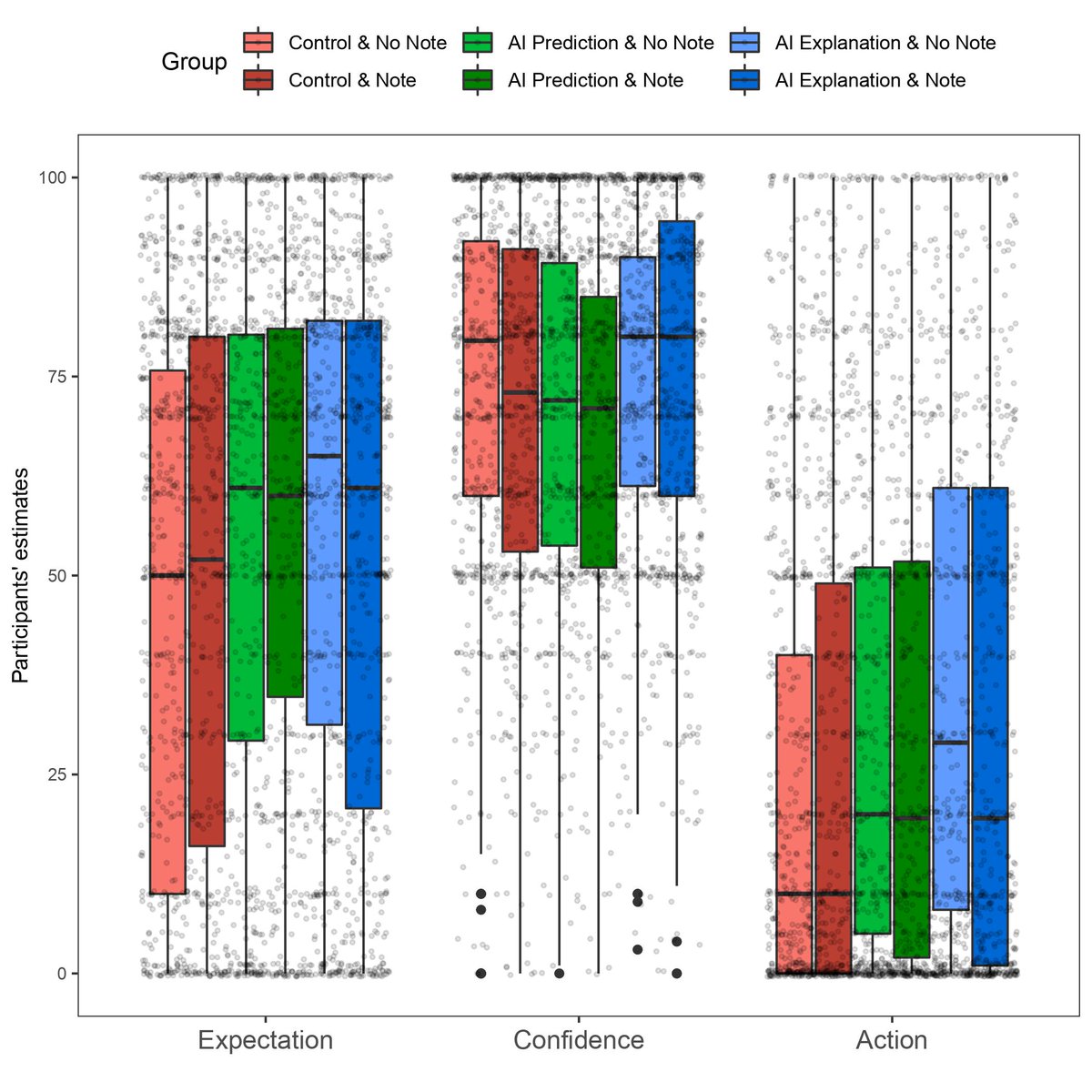
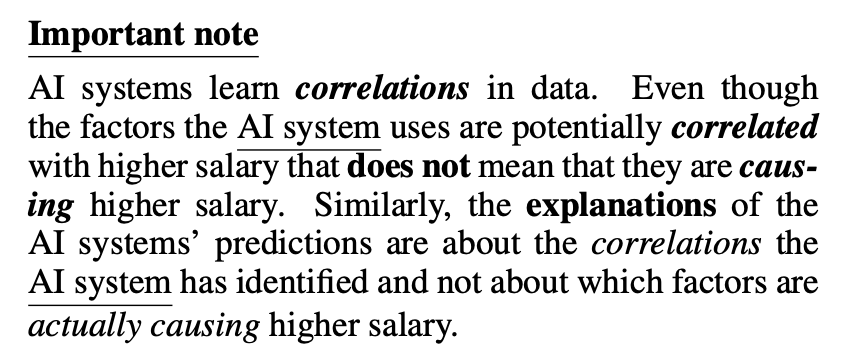
Inspired by the work on misinformation and health warning messaging, we designed a note communicating to the participants the correlational character of AI systems rather than causal.
4/