lowkey wish turkey had kept the monarchy, a ceremonial sultan at least, like the nordics. imagine showing up to 21st-century diplomacy with 720 years of dynastic lore. generational aura
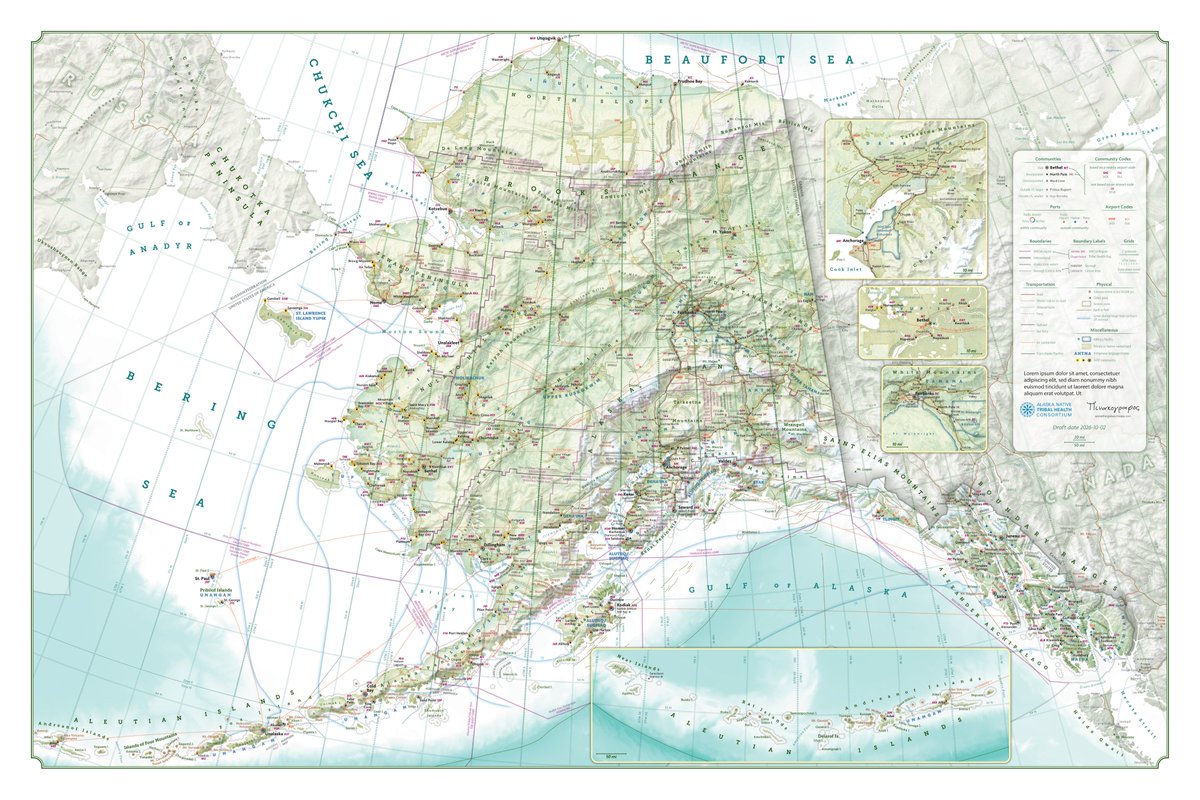
Alaska tribal lands map by Daniel Huffman, one of the best living cartographers
Only the realest mapmakers can encode 40+ discrete information types on a map, with no collisions, while looking this good
I tell clients "you don't need all that," Daniel says "pile it on" 🫡🫡🫡
Towns/villages will now have unique icons on the campaign map depending on the region you're in. This, paired with the +20 new maps (doubling the battle map pool) will really improve Master of Command's variety so it doesn't feel like you're always fighting in the same spots.
@sedatilhantr 🇺🇿 in modern uzbek chelak and paqir, old Turkic words for steel and copper, now both mean “bucket”
The words for steel and copper today are pölat and mis.
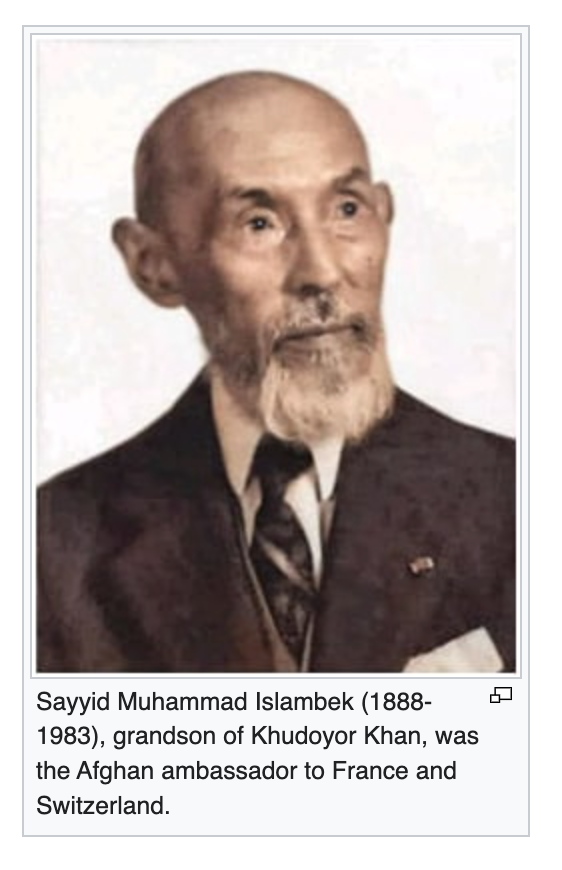
Interestingly, both manghit and ming dynasties also had descendants who held official positions in Afghanistan. For example, a grandson of Khudayar Khan served as the Afghan ambassador to France and Switzerland.
The Manghits had a much better ending than the other late Uzbek dynasties of Central Asia. The Mings of Kokand were the first ruling house to cease to exist as the Russians continued expanding. The Qongrats, meanwhile, suffered the worst fate.
The Manghits and Mings left the most descendants. Hundreds today trace their ancestry to these houses. Most Ming descendants live in Uzbekistan, while Alim Khan’s descendants are scattered worldwide. The Qongrats seem to have a smaller surviving family.
Unlike Anatolian Turkish, in Uzbek, Kyrgyz, Kazakh, Uyghur, and probably many other Turkic languages, you “find” money. It’s basically the idea that your rizq/qut is already out there for you to find in different ways, working, creating something, finding opportunities, etc.
One of the most interesting things I found in Turkish was that you 'win' money, not make it - 'para kazandı'. I'm curious whether this comes from the Romans or is a coincidence that reflects the historical Turkic way of life.