New PAPER: This finding emerges from a comprehensive study of 258 members of the Italian academic community. Awareness of PREDATORY PUBLISHING is relatively high, but the phenomenon is still misunderstood. @NuriaBautista7@evamen@PredatoryReport https://t.co/uOPP6CBJaV
Ce matin, je partageais la réponse de Pedro Sánchez aux attaques du gouvernement italien contre l’Espagne après la crise de Ceuta.
Beaucoup auraient pu croire à une simple passe d’armes politique.
Mais Pedro Sánchez ne s’est pas arrêté à une déclaration publique. Il vient d’adresser une lettre officielle aux institutions européennes.
Au-delà du débat entre Madrid et Rome, je trouve intéressant de voir un chef de gouvernement répondre à des accusations non par des slogans ou des outrances, mais en s’appuyant sur le droit européen, les faits et les données de Frontex.
En voici un extrait :
« En moins de 48 heures, le gouvernement espagnol a entièrement repris le contrôle de la frontière. Il a apporté une importante assistance humanitaire et a procédé au rapatriement de la quasi-totalité des migrants entrés irrégulièrement.
La réaction des gouvernements européens a été très contrastée. La plupart nous ont exprimé leur soutien et leur solidarité, en proposant leur aide.
D’autres, en revanche, ont choisi d’attaquer l’Espagne et de demander son exclusion temporaire de l’espace Schengen.
Une telle attitude, fondée sur des préjugés, des fausses informations, l’ignorance ou des intérêts politiques, est non seulement contraire au droit européen, au droit humanitaire et au principe de solidarité qui unit nos États.
Elle est également contraire aux intérêts à long terme de l’Europe et au plus élémentaire bon sens. Ceuta ne fait pas partie de l’espace Schengen ; il n’y a pratiquement plus de migrants en situation irrégulière qui n’aient pas été rapatriés ; et, selon Frontex, l’Espagne est l’une des frontières extérieures les moins perméables de l’Union européenne, avec un nombre d’entrées irrégulières deux fois inférieur à celui enregistré, par exemple, en Italie ces dernières années. »
Au fond, ce qui me frappe le plus n’est pas le désaccord politique. C’est qu’à une époque où l’on gouverne souvent à coups de petites phrases, il est encore possible de répondre en invoquant les traités, les faits et les institutions. L’Europe ne peut fonctionner durablement que sur cette exigence.
(Rocco Femia )
Espectacular el MAMBO DE STENDHAL creado por Jorge Piqué con Inteligencia Artificial. Las obras de arte más importantes de la historia te harán bailar y sacarte una sonrisa.
Game Fair: A board game I created about Predatory Publishing in
academia, the first in the world! In collaboration with the @UniSheffieldLib
School of Information, Journalism, and Communication. Let's test it! @PredatoryReport
Hay una pandemia que nadie quiere frenar: la del egoísmo. Y esa, también se contagia.
El mayor riesgo para la salud global ya no es la falta de ciencia, sino la falta de conciencia. Por eso, cuando otros recortan, España duplica su ayuda.
Porque ninguna sociedad merece llamarse civilizada si abandona a los suyos. Cuidar de quien no puede cuidarse no es caridad. Es lo que nos hace humanos.
@Chugbug1968@emkenobi It's not about feeling nationalist or not (half of you have different origins and you are the first racists) but about analyzing the absurdities of Trump's speeches who also claims the Nobel Prize... yes for dementia
AI - se non la consideriamo intelligente almeno sappiamo che sono veri tools autonomi con una comprensione profonda del mondo @FabiodiBello70 al @Bibliosan20#scholargateway
Today officially marks the start of the project "GOOSE & ACADEMIC PREDATOR: A gamified approach to help academics identify #predatorypublishing in collaboration with the @sheffielduni@BritishAcademy_
Thanks also to my PhD program at the university @uc3mFacultadHCD
Ci sono voluti gli Svizzeri per far capire, forse, magari, agli italiani la reale genesi di Fantozzi.
Spiegata agli italiani proprio da Paolo Villaggio, tanti anni fa.
E, manco a dirlo, spiegazione che nessuno ha mai fatto vedere in Italia, agli italiani.
Chiedetevi il perchè...
Next week, I'll be travelling to India to deliver a keynote talk on "Artificial Intelligence: Its uses and abuses in scholarly publishing."
Here is the talk abstract: Artificial Intelligence (AI) is reshaping the scholarly publishing landscape, offering tools that can enhance efficiency, improve accessibility, and support editorial decision-making. However, alongside these legitimate uses, AI is also being used in ways that challenge the integrity of academic publishing. This keynote talk will explore both sides of this double-edged sword.
The talk will begin by outlining the ethical landscape of scholarly publishing, highlighting examples of long-standing challenges. It will then consider how AI intensifies these issues, making them more complex and harder to detect. Topics discussed may include the role of AI in generating spam emails, misuse of large language models, citation manipulation, paper mills, tortured phrases, unethical peer review practices, and the sale of authorships.
On the positive side, the talk will also explore ethical and productive applications of AI, such as idea generation, code writing, manuscript drafting, and grammar correction, while examining where ethical boundaries may begin to blur.
Drawing on recent examples, empirical data, and the speaker’s own research, the session will consider the implications of these developments for journal editors, reviewers, institutions, and the global research community.
AI is neither inherently good nor bad. It is a tool whose value depends on how it is used. This talk calls for responsible innovation, greater transparency, and collective action to ensure that AI strengthens, rather than undermines, the future of scholarly communication.
Where it's all fake, it becomes an illegal game of creating fake editorial websites,author names #ghostwriter & degradation of the image of important universities. LET'S NOT CALL THEM #publishers or #journals
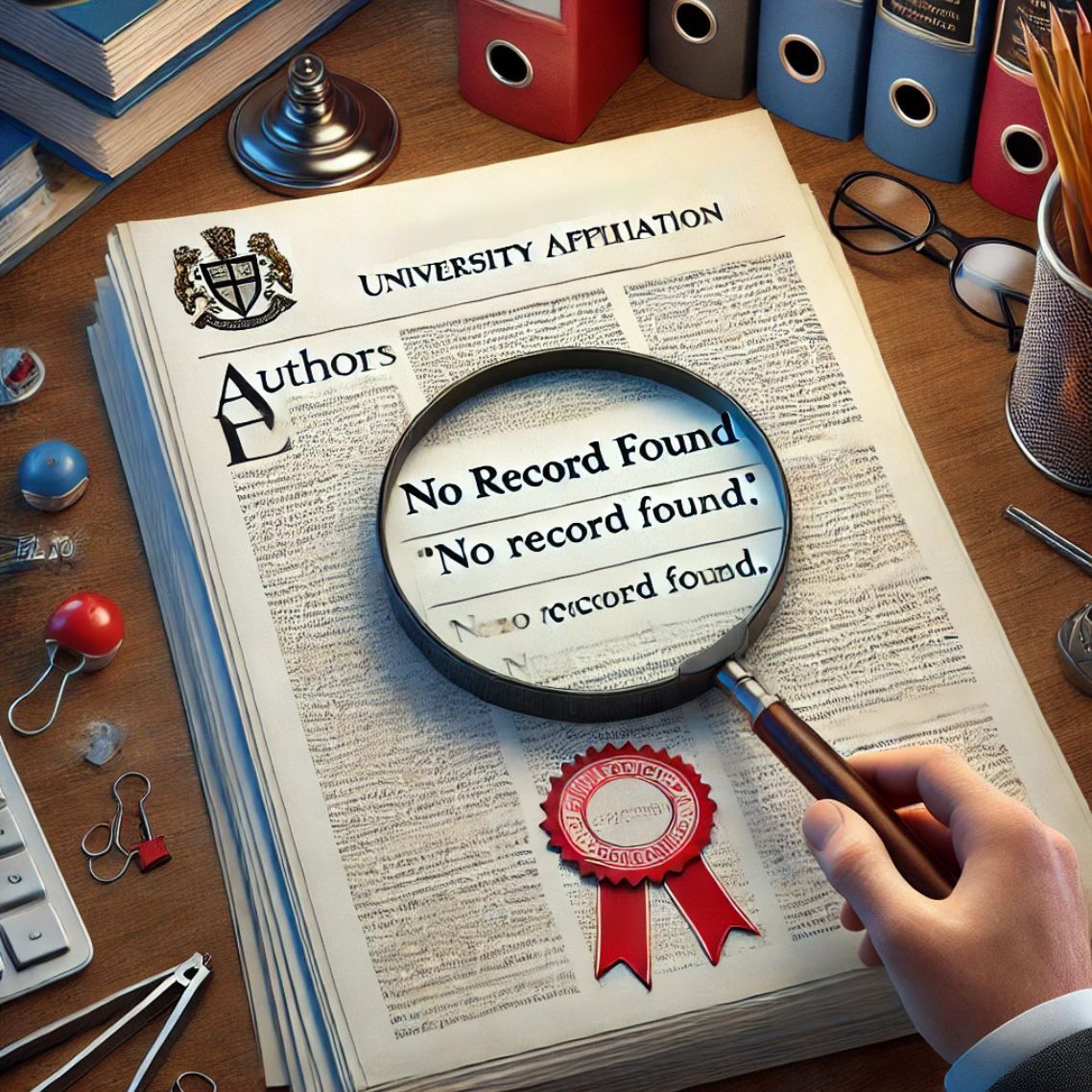
A disturbing trend is the use of false or exaggerated institutional affiliations. Indeed, we have been posting about this, where some journals are publishing articles where the authors do not exist, but they are listed at well known institutions, such as Harvard.
Some authors claim to be associated with prestigious universities or research institutes they’ve never worked wit, or only had a minor and/or expired link to, just to enhance the credibility of their work.
This misrepresentation not only deceives readers and reviewers but can also unfairly sway journal acceptance decisions, funder evaluations, and citation rates. It undermines institutional reputations and the integrity of scholarly authorship.
CALL TO ACTION: Journals should verify author affiliations more rigorously. Institutions must take action when their name is misused. Authors should represent their current or legitimate affiliations honestly.
La semana que viene estare participando en este evento con mi charla:
“Las citas a revistas dudosas amenazan la integridad de la investigación: la bibliometría como actor clave en la detección".
Allí nos vemos! 🙌🏻
https://t.co/Bas09Frhog
🚀 Join us in Paris for the Skills4EOSC Final Conference! 🌍
📅 June 11, 2025
📍 @CampusCondorcet , Paris
✅ Explore the strategic vision for #OpenScience skills & the role of Competence Centres
🔗 Register now! Seats are limited 👉 https://t.co/FgO6qFqLK1
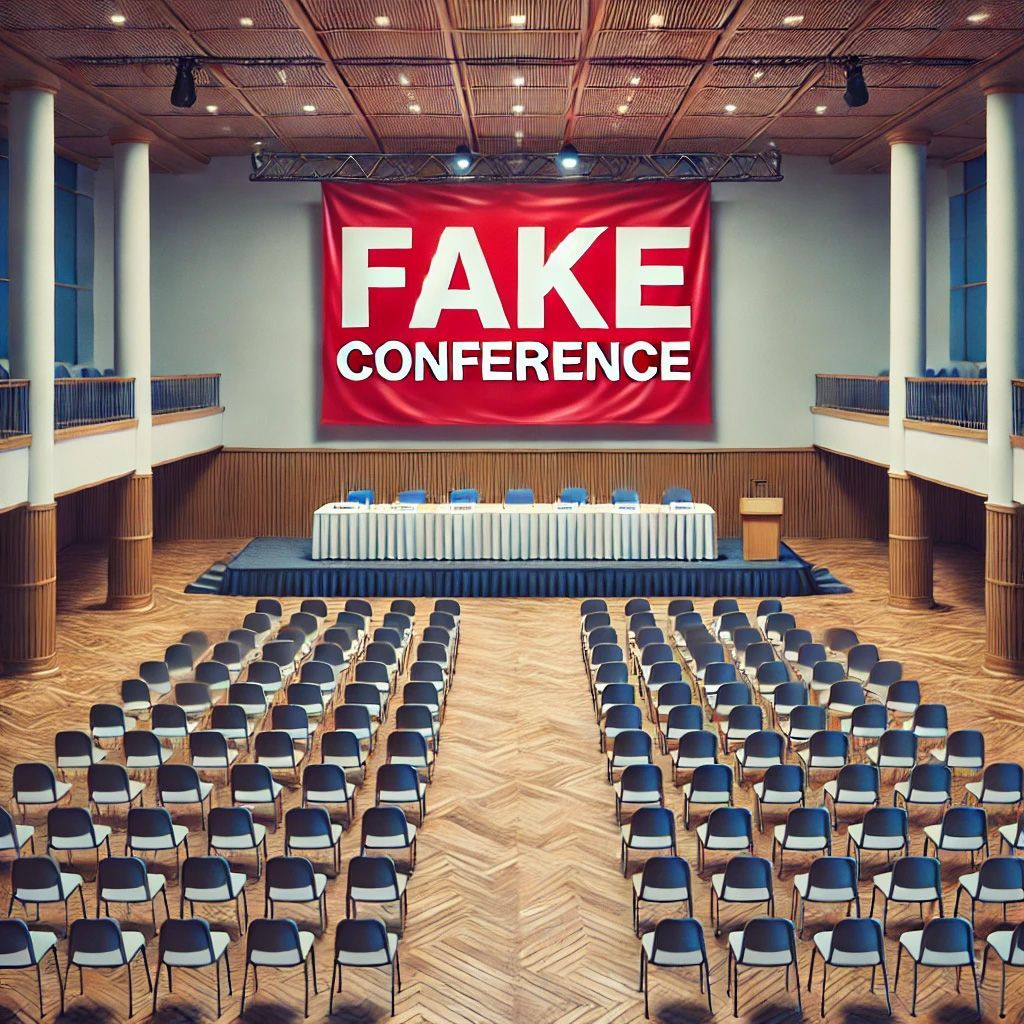
The Rise of Fake Conferences: Pay, Present, and Publish
Fake academic conferences promise quick publication, in exchange for a fee, which is what legitimate conferences also do - but they peer review your article.
These predatory events will almost certainly lack any peer review, they will attract low-quality submissions and exist purely to profit from unsuspecting researchers.
Attending or publishing in such conferences can (will) harm a researcher’s credibility and dilute the value of genuine research.
⭕ Before registering for a conference, verify its legitimacy. Check for affiliations with reputable academic societies, review past proceedings, and ensure there is a transparent peer review process. If a conference seems too eager to accept anything, it’s a red flag.