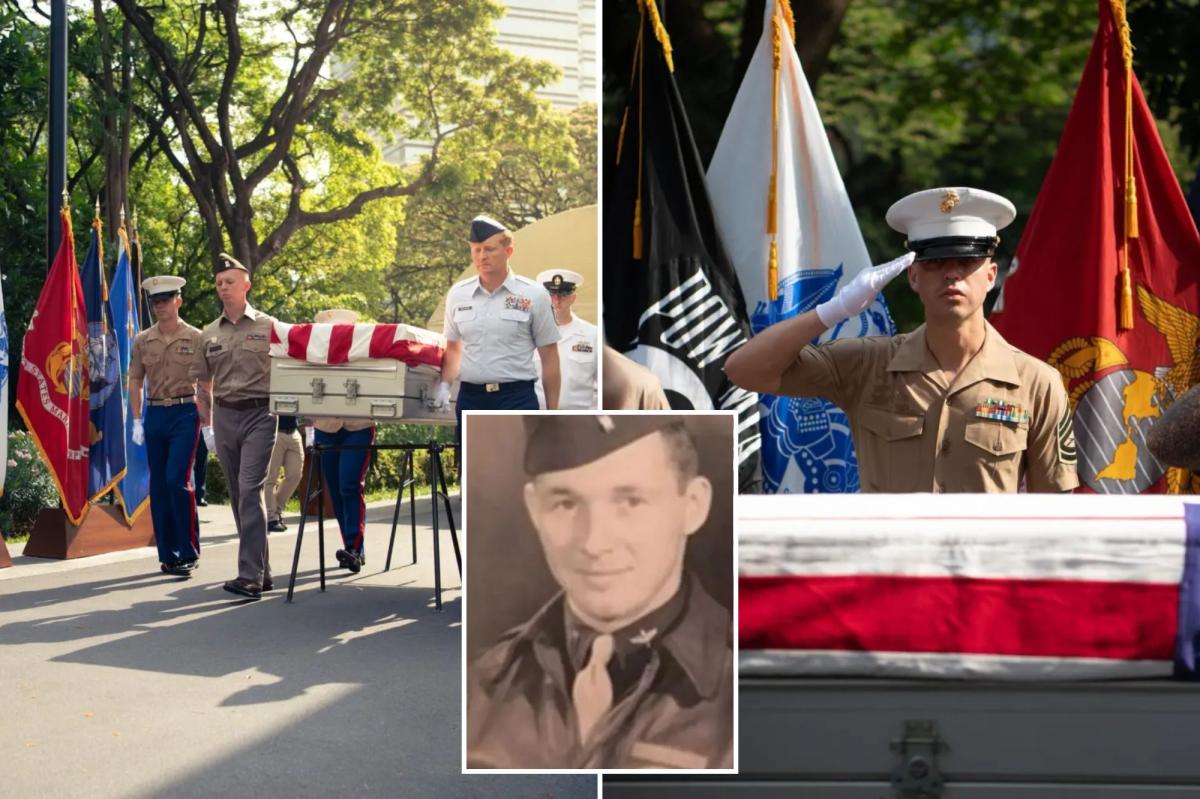
Happy 101st Birthday to Sergeant Frank “Whippersnapper” S. Wright.
Frank S. Wright, born on July 5, 1925, in Arkadelphia, Arkansas, is a decorated World War II Marine Raider. Enlisting at just 16 by using his brother's birthdate, he fought in four major Pacific campaigns: Guadalcanal, New Georgia, Guam, and Iwo Jima.
Spiritus Invictus. Unconquerable Spirit.
Good read.
https://t.co/gxnK6mHcDF
Semper Fi Warrior and Brother.
For more than two decades, nobody knew. Not his friends, not his wife, and not even the Marines he'd served alongside.
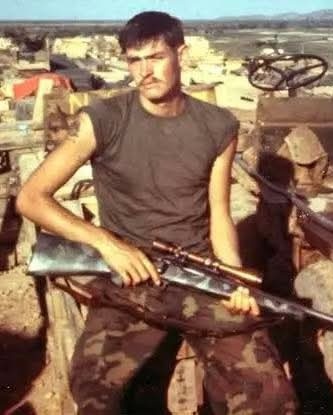
Charles “Chuck” Mawhinney, the deadliest sniper in Marine Corps history.
For decades most people assumed the title belonged to the legendary Carlos Hathcock. But it was actually Mawhinney who held the record, with 103 confirmed kills and another 216 probables across just 16 months in Vietnam in 1968 and 1969.
An Oregon kid raised hunting alongside his Marine veteran father, he turned his patience and precision into something few have ever matched behind a rifle.
His most staggering moment came near Da Nang in February 1969, when he killed 16 enemies in about 30 seconds while they crossed a river. Every round was a headshot. Over those 16 months working his M40, he reportedly missed only once.
What makes the story so uniquely his is what came after. Mawhinney went home, joined the Forest Service, and said practically nothing about any of his service, not to his friends, not even to his wife.
The world only learned of his actions after a former spotter published a memoir in 1991 that referred to him, and investigators digging through old Marine records found the count was actually higher than the book claimed.
He spent most of his life as the most lethal Marine sniper who ever lived, and almost nobody around him knew.
He passed away in February 2024, age 75. A quiet man who did extraordinary things and never cared about fame, records, or publicity.
Rest easy Chuck, Semper Fi.
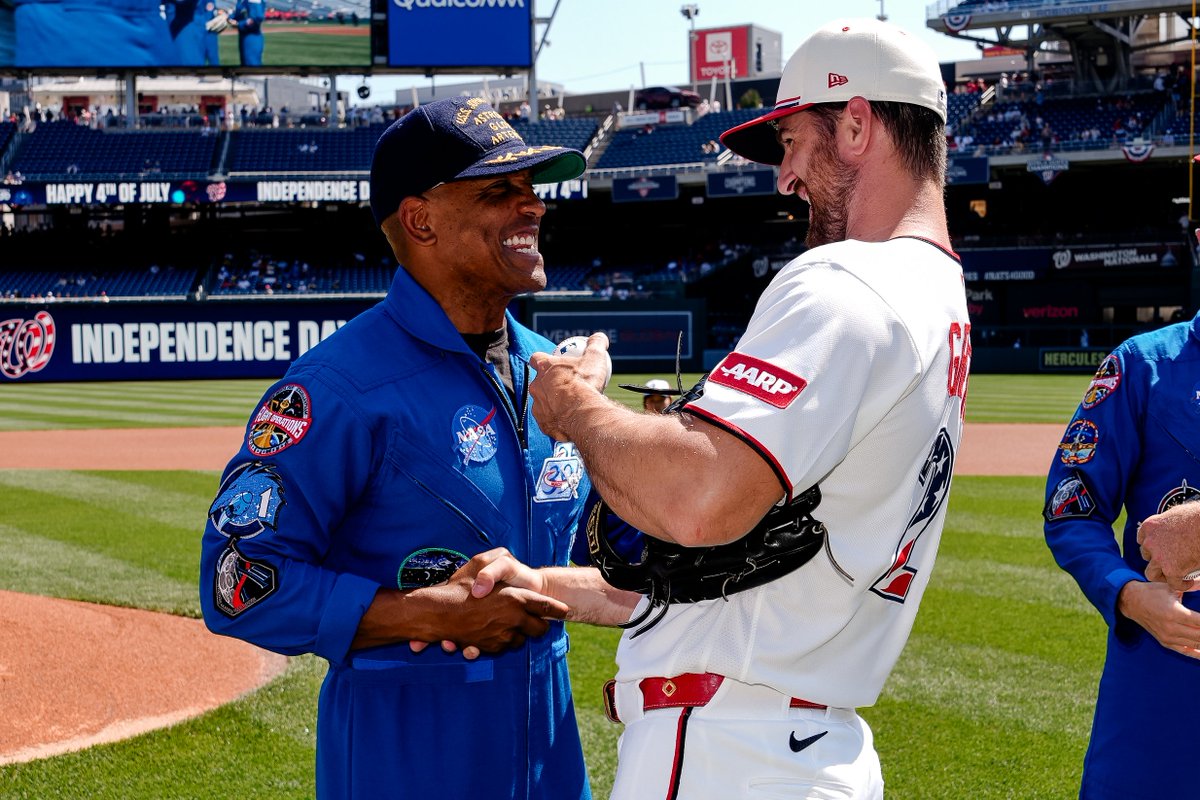
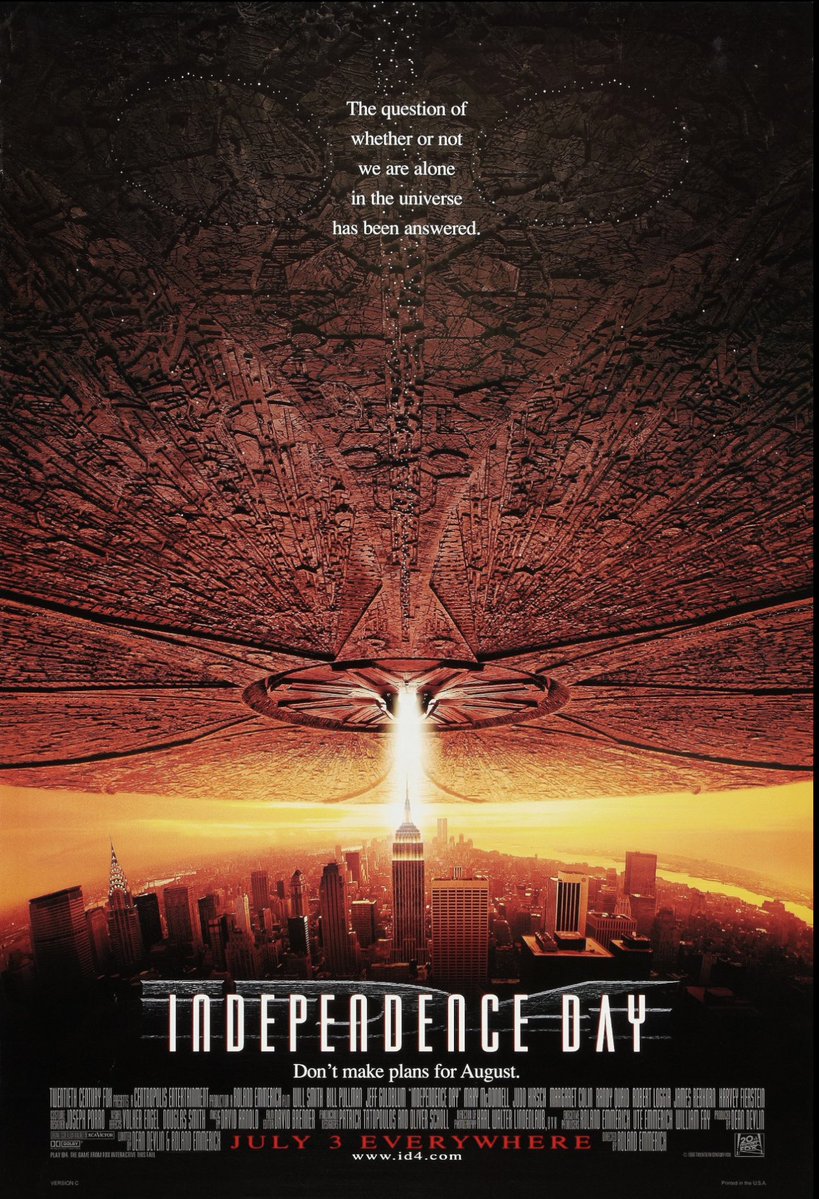
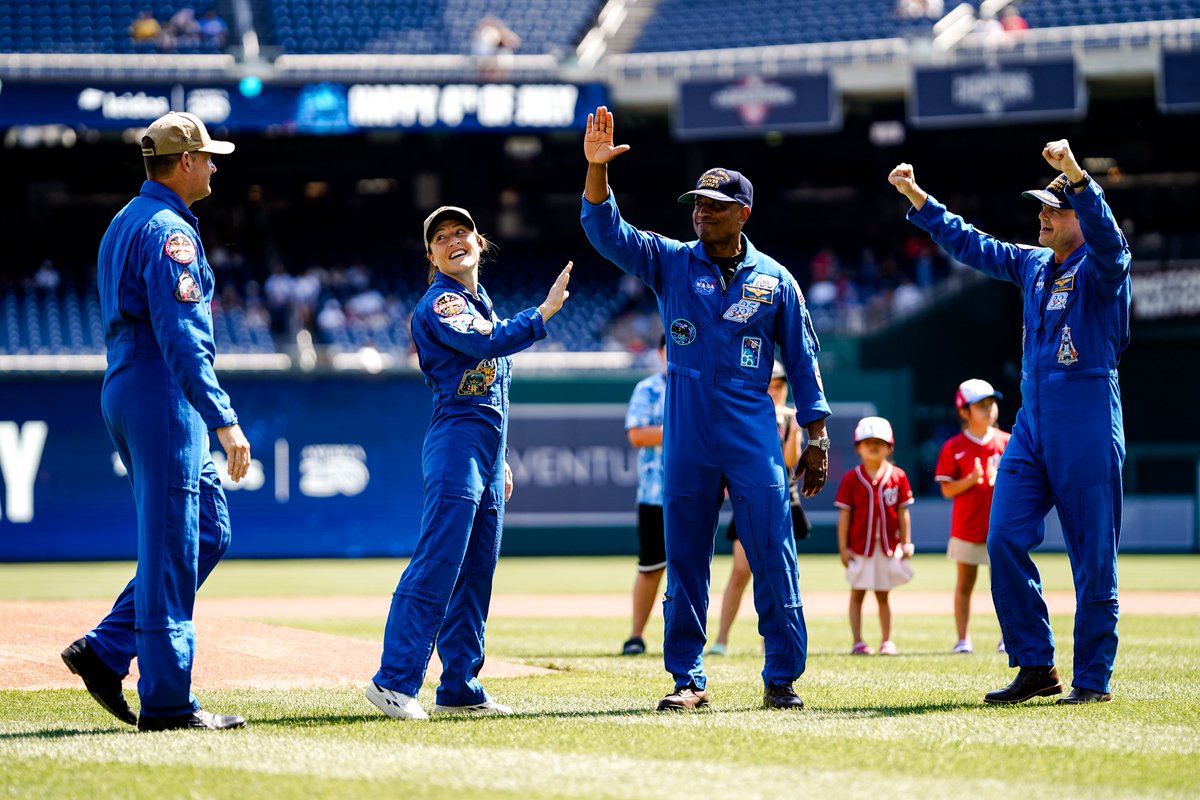
For 250 years, the United States of America has forged ahead through highs and lows. But in our righteous might we have always ensured that our pursuit of freedom never wanes. And as you celebrate today, remember those who paid the ultimate price to ensure our continuing goal of “Life, Liberty, and the pursuit of Happiness.” Happy 4th of July. 🇺🇸#IndependenceDay #July4th #America250
On August 30, 2003, Charles Bronson died in Los Angeles.
He was 81.
Hollywood lost one of its toughest stars.
But long before he became Charles Bronson, he was Charles Dennis Buchinsky—a poor coal miner's son from Pennsylvania.
His life had already been hard before a camera ever found him.
Born in 1921 in Ehrenfeld, Pennsylvania, Bronson grew up in a family of 15 children.
His parents were Lithuanian immigrants.
His father worked in the coal mines.
Poverty wasn't temporary.
It was everyday life.
There wasn't enough money for proper clothes.
As a young boy, Bronson once went to school wearing one of his sister's dresses because it was all the family had.
He never forgot the humiliation.
Then his father died.
Childhood ended almost overnight.
Like generations before him, Bronson went into the coal mines.
While other teenagers dreamed about the future, he spent his days underground, surrounded by darkness, dust, and danger.
Those years shaped him forever.
When World War II began, Bronson enlisted in the U.S. Army Air Forces.
He served as an aerial gunner on B-29 bombers in the Pacific and earned a Purple Heart after being wounded.
For the first time, he saw a world beyond the mines.
When the war ended, he knew he couldn't go back underground.
He took whatever work he could find.
One job involved painting scenery for a theater company.
That unexpected opportunity introduced him to acting.
Success didn't come quickly.
Hollywood executives weren't sure what to do with him.
He wasn't polished.
He wasn't conventionally handsome.
His face looked too rough.
Too lived-in.
Bronson later joked that maybe he was simply "too masculine" for the leading-man image studios wanted.
Ironically, those very qualities became his trademark.
The piercing stare.
The weathered face.
The quiet intensity.
He didn't need long speeches to command the screen.
He simply stood there—and audiences believed him.
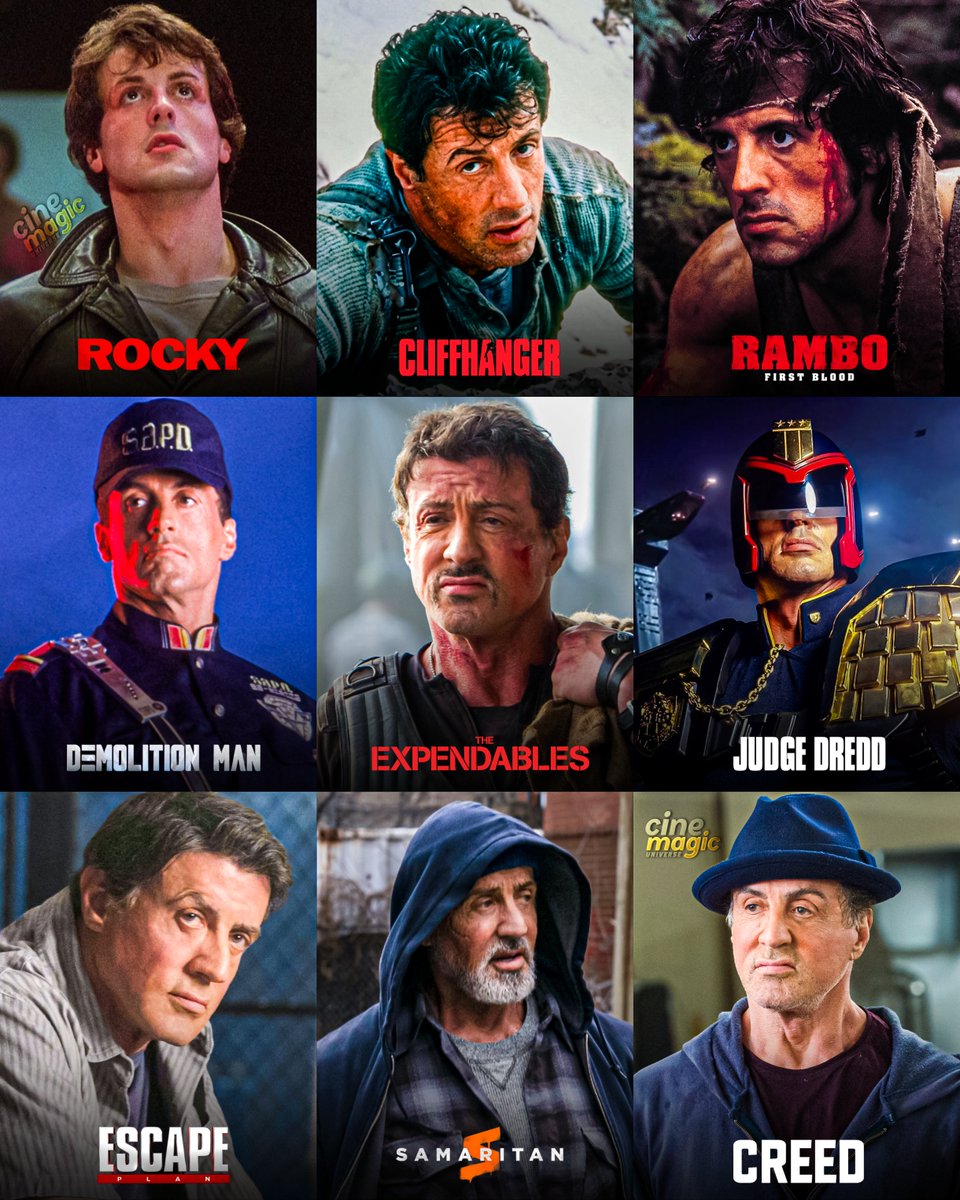
Films like The Magnificent Seven, The Great Escape, Once Upon a Time in the West, and Death Wish turned him into an international star.
Off screen, he remained intensely private.
He disliked celebrity.
He rarely spoke more than necessary.
Silence was simply who he was.
Looking back, it's easy to understand why.
The toughness audiences admired wasn't something he learned in acting class.
It came from childhood poverty.
From working beneath the earth.
From war.
From responsibility that arrived far too early.
Charles Bronson didn't convince audiences he understood hardship.
He had already lived it.
And that's why, decades later, his performances still feel real.
🇺🇸 The iconic B-2 Spirit stealth bomber performs a patriotic flyover to mark the kick-off of the Great American State Fair. It's one of the U.S. Air Force's most recognizable aircraft and a centerpiece of America's long-range strike capability.
Inspiring a nation: Chesley 'Sully' Sullenberger, former Air Force fighter pilot and US Airways captain, became a hero in 2009 after safely landing Flight 1549 on the Hudson River, saving all 155 aboard in the 'Miracle on the Hudson.'











![neiltyson's tweet photo. July 4, 2026
Happy 250th Birthday, America.
[Deck of the Intrepid Sea, Air, & Space Museum, NYC July 4, 2012] https://t.co/sveJlfR2No](https://pbs.twimg.com/media/HMTyCTcXQAAqrcP.jpg)


