‘How a paperclip saved a $750 million aircraft.’
April 30, 1966. The moment had come. Test pilots Al White and Joe Cotton were poised to push the XB-70 #20207 Valkyrie through its final trial: a grueling 30-minute sprint at Mach 3, the last step toward earning the elusive “unlimited” status. All systems were go—until they weren’t.
Shortly after takeoff, Cotton retracted the gear. A sickening jolt followed—the nose gear jammed hard into its door. Suddenly, what had begun as a routine test flight spiraled into a high-stakes emergency. Attempts to lower the gear via the primary hydraulic system failed. Switching to the backup electrical system, Cotton heard a sharp pop. Dead. The system was gone.
A belly landing wasn’t just risky—it was impossible. The Valkyrie's long, elegant nose and wide intake geometry left no clearance for such a maneuver. North American engineers hadn’t even simulated one.
White tried a desperate move—bringing the XB-70 down for a touch-and-go, hoping the impact would jar the gear free. Nothing. He tried again. Still jammed. Options were running out. Bailing out and sacrificing the $750 million prototype loomed as the only choice.
But there was fuel to burn, and hope to chase. As engineers on the ground scrambled through diagrams and wiring charts, White and Cotton circled above Edwards Air Force Base, each minute ratcheting up the pressure. Cotton crawled to the rear of the cockpit, opening service panels and probing systems like a surgeon mid-flight. After more than an hour of diagnosis—and nearly two hours in the air—the culprit was found: a tripped circuit breaker.
But fixing it was another problem. The Valkyrie had no onboard toolkit. Yet Cotton had brought his briefcase. Inside—an unlikely hero—a paperclip. He straightened it, gripped it with a leather glove, and carefully reached in. ZAP!
The breaker came to life. White hit the switch—and the nose gear extended. It worked. Cotton dropped back into his seat, exhausted but victorious.
The drama wasn't over. When the Valkyrie finally came down at 173 knots, the earlier malfunction showed its final consequence: hydraulic pressure had stayed locked on three of the four main wheel brakes. As the tires touched down, they couldn’t spin. The result was catastrophic—intense friction ignited the rubber, and the XB-70's massive landing gear tires erupted in flames. The main gear bogies were severely damaged. Still, the plane remained upright.
The Valkyrie lived to fly again—though it would take two weeks to repair the scorched gear. It was a steep price, but far better than losing a one-of-a-kind marvel of engineering. It took me a several hours to restore and upscale the archive video enjoy! No sound.
‘How a paperclip saved a $750 million aircraft.’
April 30, 1966. The moment had come. Test pilots Al White and Joe Cotton were poised to push the XB-70 #20207 Valkyrie through its final trial: a grueling 30-minute sprint at Mach 3, the last step toward earning the elusive “unlimited” status. All systems were go—until they weren’t.
Shortly after takeoff, Cotton retracted the gear. A sickening jolt followed—the nose gear jammed hard into its door. Suddenly, what had begun as a routine test flight spiraled into a high-stakes emergency. Attempts to lower the gear via the primary hydraulic system failed. Switching to the backup electrical system, Cotton heard a sharp pop. Dead. The system was gone.
A belly landing wasn’t just risky—it was impossible. The Valkyrie's long, elegant nose and wide intake geometry left no clearance for such a maneuver. North American engineers hadn’t even simulated one.
White tried a desperate move—bringing the XB-70 down for a touch-and-go, hoping the impact would jar the gear free. Nothing. He tried again. Still jammed. Options were running out. Bailing out and sacrificing the $750 million prototype loomed as the only choice.
But there was fuel to burn, and hope to chase. As engineers on the ground scrambled through diagrams and wiring charts, White and Cotton circled above Edwards Air Force Base, each minute ratcheting up the pressure. Cotton crawled to the rear of the cockpit, opening service panels and probing systems like a surgeon mid-flight. After more than an hour of diagnosis—and nearly two hours in the air—the culprit was found: a tripped circuit breaker.
But fixing it was another problem. The Valkyrie had no onboard toolkit. Yet Cotton had brought his briefcase. Inside—an unlikely hero—a paperclip. He straightened it, gripped it with a leather glove, and carefully reached in. ZAP!
The breaker came to life. White hit the switch—and the nose gear extended. It worked. Cotton dropped back into his seat, exhausted but victorious.
The drama wasn't over. When the Valkyrie finally came down at 173 knots, the earlier malfunction showed its final consequence: hydraulic pressure had stayed locked on three of the four main wheel brakes. As the tires touched down, they couldn’t spin. The result was catastrophic—intense friction ignited the rubber, and the XB-70's massive landing gear tires erupted in flames. The main gear bogies were severely damaged. Still, the plane remained upright.
The Valkyrie lived to fly again—though it would take two weeks to repair the scorched gear. It was a steep price, but far better than losing a one-of-a-kind marvel of engineering. It took me a several hours to restore and upscale the archive video enjoy! No sound.
My husbands last HALO jump as an Active Duty Green Beret (Special Forces) soldier before retirement. It’s been an honor to serve our country!
De Oppresso Liber. 🇺🇸MERICA!🇺🇸
Speaking of Saronic, the Marauder hits the water.
Saronic's 180-foot Autonomous Surface Vessel can carry up to 150 metric tons of cargo and modular payloads, supporting logistics and at-sea deployment missions. A major milestone for autonomous maritime capability at scale. #USV #MaritimeSecurity
Congrats and Credit: @Saronic
The X-59 has officially flown at supersonic speeds for the first time, marking a major step forward on the path to quieting the sonic boom. Even faster and quieter flights are coming soon. Congrats to @LockheedMartin and @NASA
Credit: NASA
Had to update this composite image with the latest mysterious aircraft. We have reported on all of them over the years, starting 12 years ago with the Amarillo and Wichita sightings, then the January 2026 image by Uncanny Expeditions, and now the most recent one by Project Fear.
You can read about the 2014 sighting ones here: https://t.co/rSugcOcyUJ
The January 2026 here: https://t.co/WzLIBh6MGm
And the latest one here: https://t.co/n2goQ7P8FW
Thank you @uncannyex@ProjectFearX
Our Area 51 video is out NOW! Please, if you have experience in military aviation, let us know what you think we filmed. We'd love to hear your thoughts! Full Video -----> https://t.co/nAlvTF9v7M
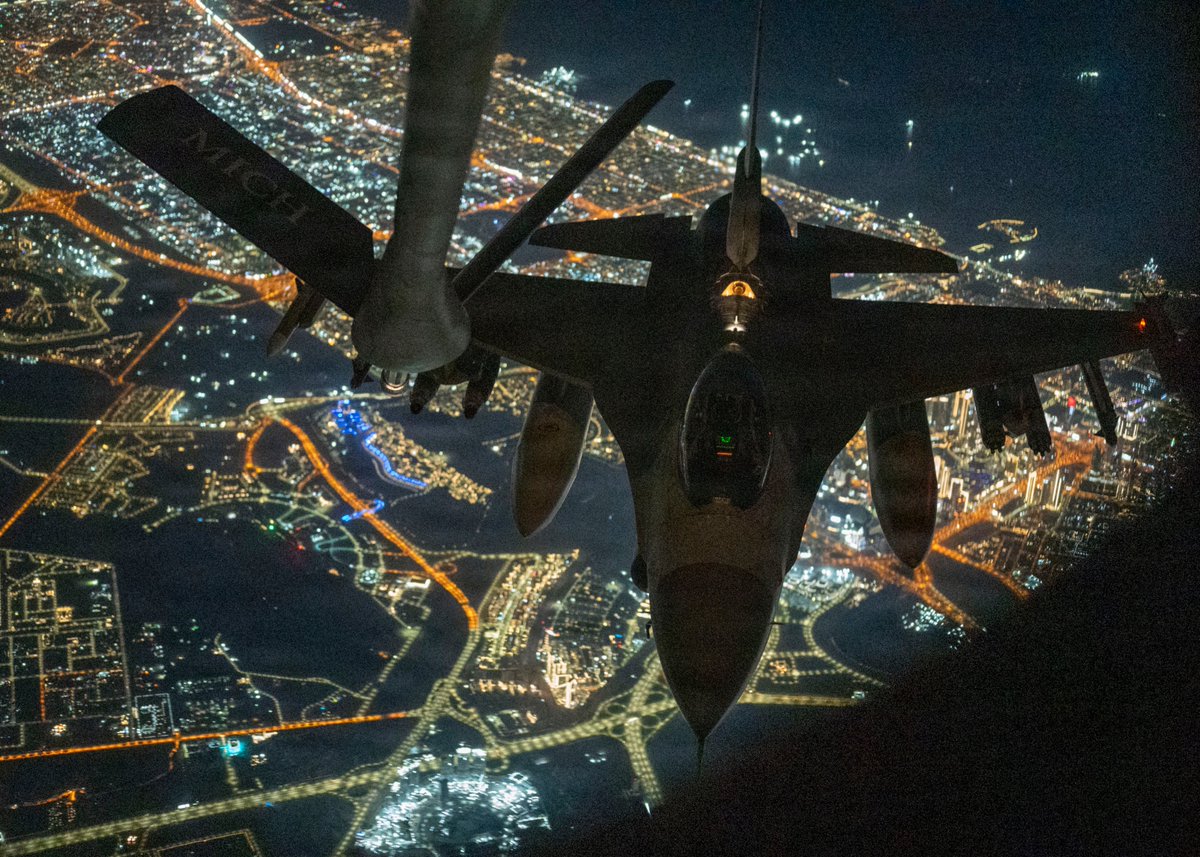
A U.S. Air Force F-16 Fighting Falcon prepares to receive fuel from a U.S. Air Force KC-135 Stratotanker in the U.S. Central Command Area of responsibility.
Credit: Staff Sgt. Paige Weldon (22nd Air Refueling Wing)
All of us at @ProjectFearX are happy, healthy, and want to live out our lives as long as humanely possible…
With that said, we can’t wait for you to see what we captured outside of Area 51 🤯
FULL VIDEO TOMORROW ON YOUTUBE!
@TheAviationist The video footage of this capture drops tomorrow on @ProjectFearX YouTube channel!!
We had three different sensors going: Infiray Thermal scope, PVS-14 white phosphor scope, and a Sony FX3.
Cant wait for expert opinions. The full footage is pretty insane…
Davie Defense has officially broken ground on its planned $1 billion transformation of Gulf Copper’s shipyards in Galveston and Port Arthur, Texas.
The project will create what the company calls an “American Icebreaker Factory” to build U.S. Coast Guard Arctic Security Cutters, bringing complex shipbuilding back to Texas for the first time in decades.
The move marks one of the largest investments in U.S. shipbuilding capacity in decades as Washington races to rebuild America’s Arctic fleet and compete with Russia and China. https://t.co/eDWoiNwghg
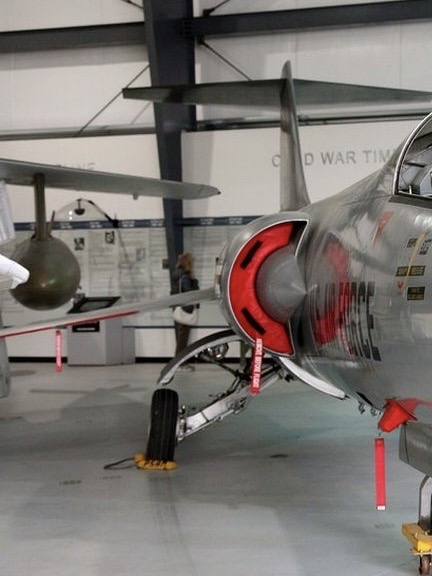
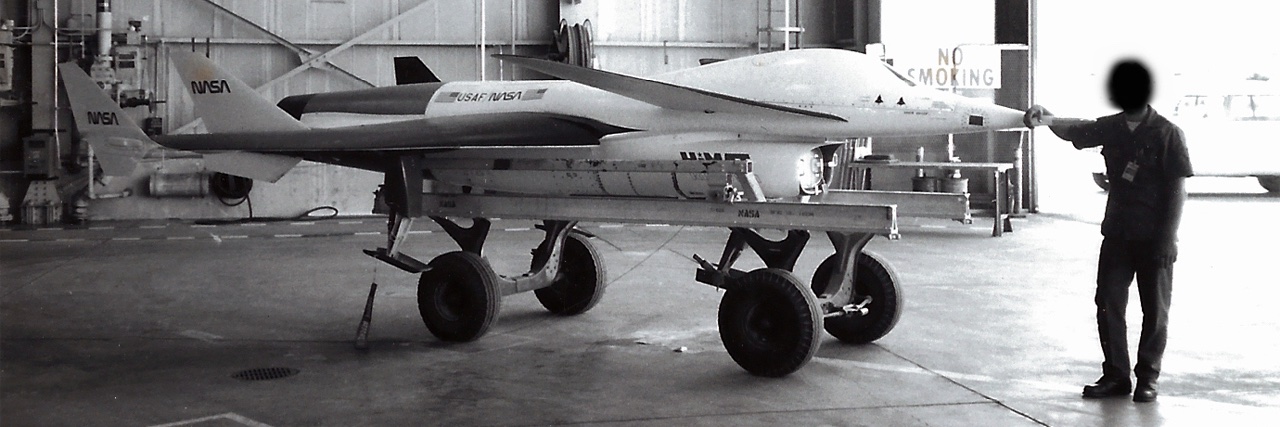
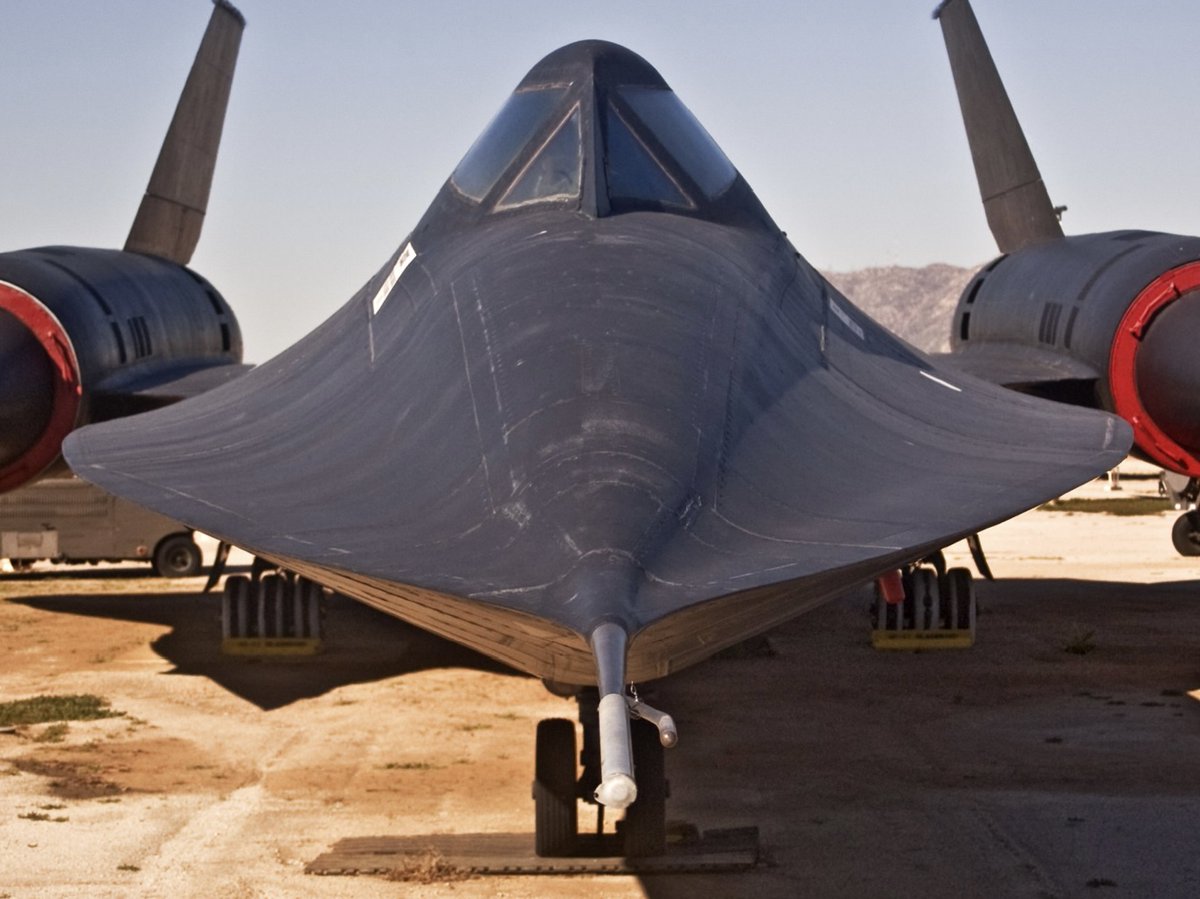
@thenewarea51 Bump my head a few times on the NASA bird we had at Edwards. Usually they had red protective covers so the CCs did smack their heads. The SR-71 Chines were pretty sharp, but they were higher off the ground. Cutting edge technology at it’s finest.
✅Non-kinetic effects against Mach 20 targets
✅ Counter LEO satellites
✅Spectral dominance Platforms
✅High-altitude balloons carrying EA payloads
The USAF's future electromagnetic warfare architecture runs the full spectrum from exquisite ➡️ expendable.
Our 1,000-acre hypersonic manufacturing facility in New Mexico will produce munitions at the volume America needs. 🇺🇸
We're on track to start production stress tests by year end, giving us pre-planned time to work out production kinks before delivering to the warfighter.
This is what moving fast looks like. Join us https://t.co/YcewJCcnsg
Raytheon's Coyote Block 3NK successfully defeated drone swarms during a recent U.S. Army exercise.
Unlike traditional interceptors, the non-kinetic system can be recovered and reused for multiple engagements.
Source: RTX/Raytheon & YouTube (via Global Update)
Aerial views show damage to Blue Origin’s Launch Complex 36 facilities at Cape Canaveral, Florida on May 29, 2026.
The New Glenn rocket was destroyed during a static fire test the night before, causing significant damage to the launch pad.
Credit: Craig Bailey, FLORIDA TODAY
What Starship Flight 12 sounded like from miles away.
The sound delay was around 21.49 sec, roughly 4.6 miles. The Starship takes off, then the sound and pressure waves hit his house and rattled the windows. Surprised the glass didn’t break.😳
https://t.co/8f1yeonruL
Want to know what it sounded like during the launch of Flight 12 of Starship today?
Check out this video and the shaking of the windows. This was during my livestream with @esherifftv (Ellie in Space) at a ouse about 5 miles from the launch site.
Definitely have the volume up! Truly a powerful rocket ... the most powerful ever!
Wow… such amazing footage of shockwaves being generated from Super Heavy.
The exhaust plume from the 33 Raptor engines exits the rocket nozzles at roughly Mach 3.5 to 4.5, generating an extremely overexpanded plume of gas consisting of oblique shock waves, expansion fans, and propagating pressure waves travelling outward through the atmosphere.
The shockwaves rapidly change the air’s pressure and temperature, which also changes how light moves through the air. Light becomes distorted due to variations in air density, creating the classic Schlieren effect and making pressure waves visible to the camera in real time.
As a result of the high humidity and the massive water deluge system, the visual distortion becomes even more dramatic. Rapid pressure changes cool localized pockets of air below the dew point, causing condensation in the form of tiny water droplets.
#SpaceX #Starship
https://t.co/h5zcynWOIV
This is probably the best look at the shockwaves I’ve seen from the latest Starship flight.
Captured from a GoPro I clamped onto a proper camera to record simultaneous video. (I’ll show you the photo the better camera took in the reply)