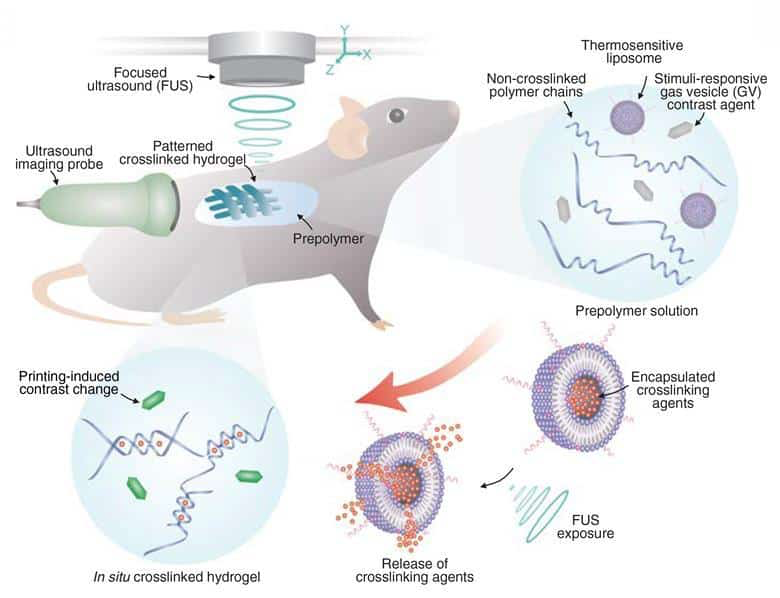
Imagine a biological 3D printer that uses sound waves to print organs inside of your body?
Fiction?
It is already beginning to happen. It is now just an engineering scaling issue.
Read how:
FIVE childhood vaccines ALL test positive for glyphosate!
According to Zen Honeycutt all five childhood vaccines she sent off to be tested came back POSITIVE for glyphosate, with the levels in the MMR vax being 25 times higher!
@AlphaSoupNotSee@HealthRanger We used to get that stuff at the Mexican market back when. Very cheap and did a good job but it contains the toxic fragrances that HealthRanger was referring to.
@cqcqcqdx I definitely need to pick up some of these materials. There's a broken USB connector on a much loved MIDI controller I have that needs repair. 🎹🎚️🎛️
Let me trace the timeline here because nobody's connecting it.
Step 1: Scrape the entire internet. Every book, every article, every conversation, every piece of art, every forum post. Do it without asking. Do it without paying.
Step 2: Train a model on all of it. Call it "artificial intelligence."
Step 3: Go to BlackRock's Infrastructure Summit and announce: "We see a future where intelligence is a utility, like electricity or water, and people buy it from us on a meter."
Step 3 is where you sell people's own knowledge back to them. On a meter.
They took the collective output of human thought, compressed it into a model, and now they want to charge you by the token to access a version of what you and everyone you know already created.
One Reddit user put it perfectly: "They stole all this data from us, the people, our life's work, creativity, art, by devouring the internet and blowing through all copyright laws. Now they want to sell it back to us in the form of a utility."
Imagine if someone photocopied every book in the public library, burned the library down, and then opened a subscription service for the copies.
That's the metered intelligence business model.
And they're pitching it to infrastructure investors as though they invented water.
California lawmakers are moving to exempt most Linux distributions from the state’s upcoming age-verification law after backlash from the open-source community.
The original law would require operating systems to verify a user’s age during setup and share that information with apps through a built-in system API.
Because the wording was broad, many developers believed it could apply to Linux distributions like Ubuntu and Fedora.
That led to backlash from developers, who said the rules would be hard for volunteer-run open-source projects to follow.
In response, lawmakers introduced changes narrowing the law’s scope and likely exempting most Linux distributions.
> install chrome in 2010 because it's faster
> let it save every password
> let it autofill cards, addresses, ssn
> google builds a file on you fatter than your therapist's
> "we don't sell your data" → FALSE
> data broker leak: 800m chrome profiles dropped on a torrent
> your meds, your porn, your debts, your affair: all of it
> insurance premium doubles
> loan denied, no reason given
> landlord ghosts you
> nobody owes you an explanation
> mfw "if you have nothing to hide you have nothing to fear"