"Art director making $300 a day is a livable wage."
One thing people don't understand about the film business is it's feast or famine. You may not work for weeks or months so that money has to be saved and amortized.
Then the Obsession crew lives in LA, so they're paying the highest rents, highest gas, highest utilities, highest insurance (to be fair they keep voting for it, but that's another story).
A 14 hour day doesn't account for 1 hour of traffic each way. Indies can routinely go 12-18 hours.
Art department is an especially brutal crew. They are the first to get on set, the last to leave. No set, no shoot.
Then crew heads don't really get paid for their time. Reading the script? Free. Thinking about it? Free. Talking with the director? Free. Creative discussion, creative obsessing, detail planning on weekends. Free free free. The time on the clock is not the time on the job.
$300 a day on an 18 hour day, before gas or any other expenses, is $16 an hour. The off the clock work is double that. So $8 an hour. Now save that to survive the next actor/writer strike.
Is it a livable wage? Sure. In Iowa if you're a mid level stripper. Not a film crew in LA.
The Palme d'Or used to critique traditional institutions. Patriarchal families. Authoritarian states. Oppressive churches. But Cannes 2026 went somewhere different. Fjord critiques progressivism itself. And it's divisive for a reason.
Olá cinefilia!!
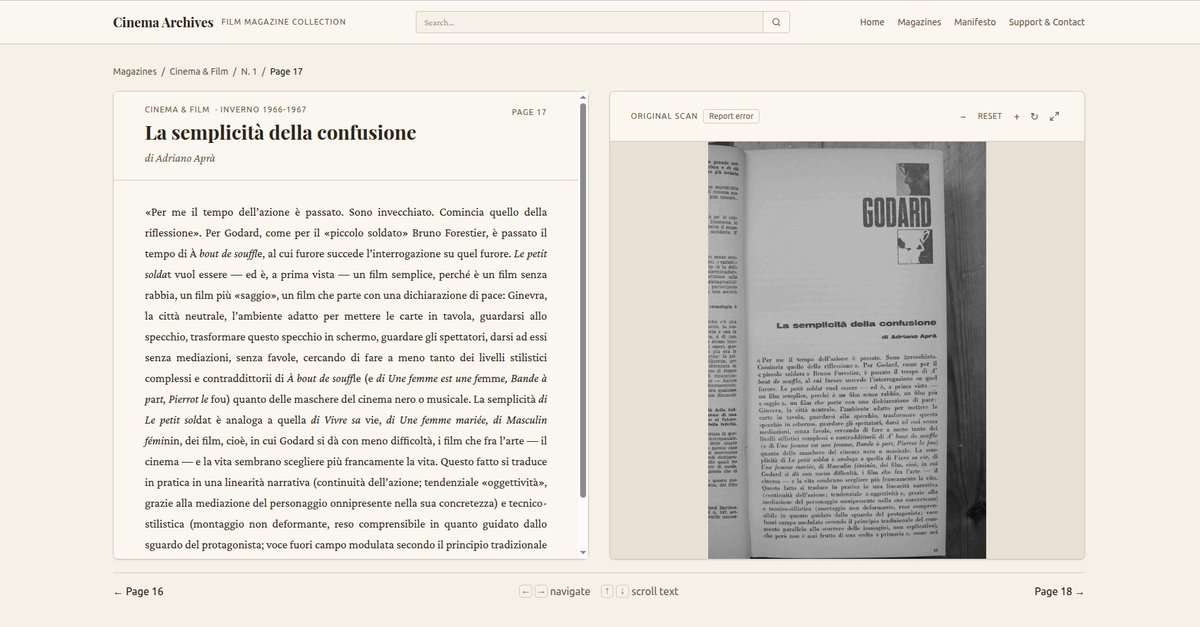
Nas últimas semanas eu desenvolvi um site que é um arquivo de revistas de cinema antigas.
O foco é em fazer full-text search e facilitar a leitura (assim você não precisa ficar dando zoom em PDF).
https://t.co/7WgNn3KTaU
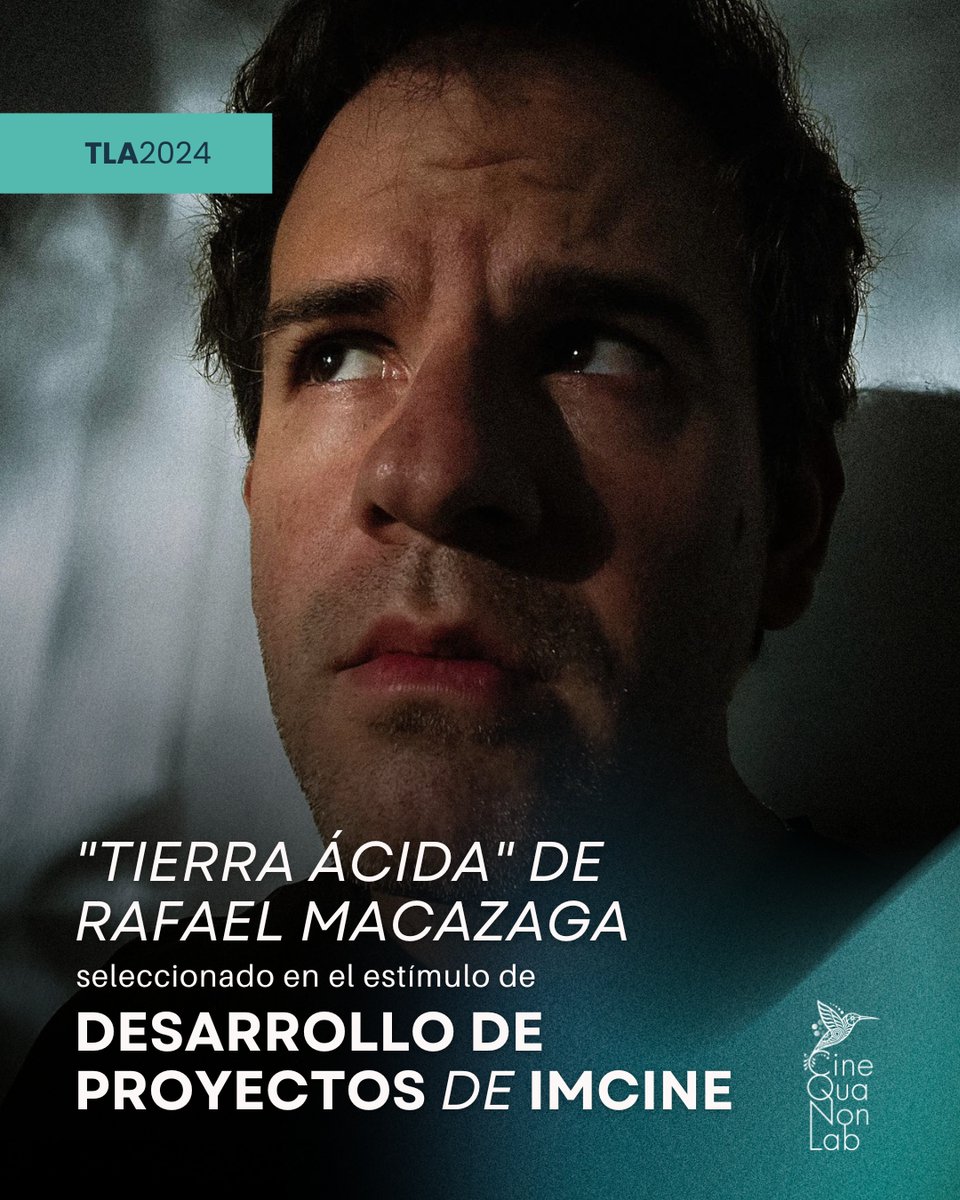
Celebramos este reconocimiento para "Tierra Ácida", de Rafael Macazaga.
Un proyecto que acompañamos desde el TLA 2024 hasta la Residencia CQNL 2025. Impulsamos proyectos para el cine independiente.
La convocatoria del TRG 2026 sigue abierta. 👉 https://t.co/bSqFkAnLxs
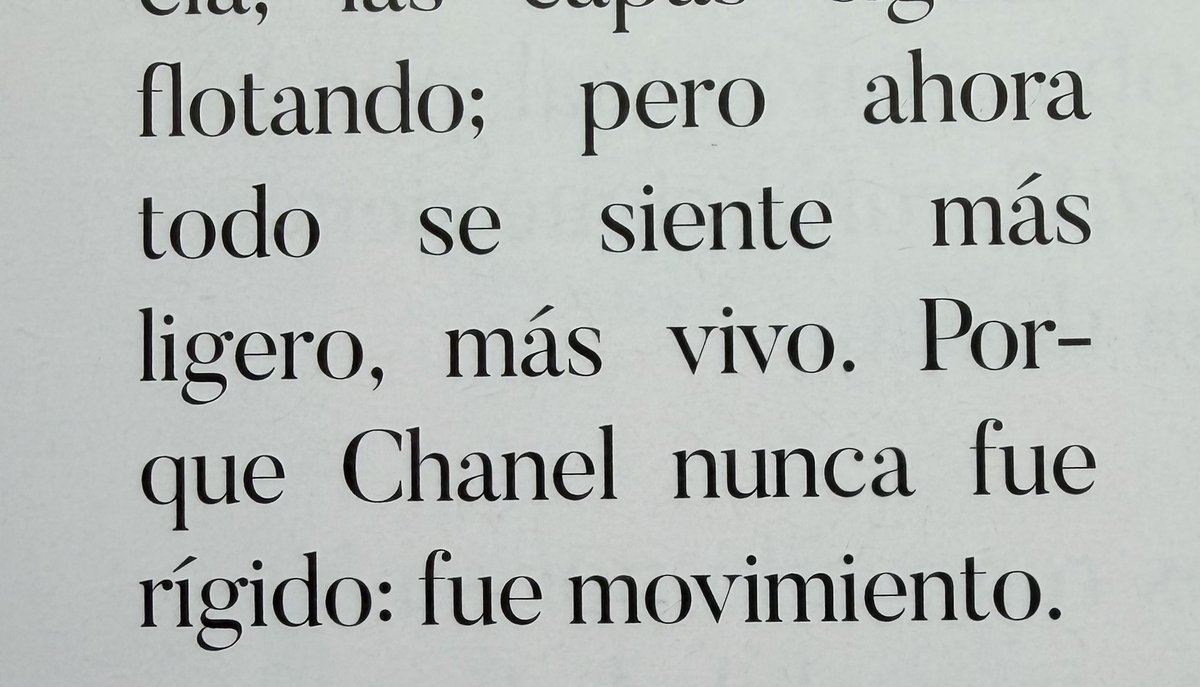
si usted se dedica a escribir, si le pagan por escribir, si ese es su oficio, porfavor, disimule un poco su uso de chat gpt. Ya todo es "precisión quirújica, emoción contenida, silencios incómodos, lujo o lo que sea silencioso, "no es x, es y", lo curioso es...
Three of the people who made this film died of the same cancer: the director, his wife, and one of the lead actors. All three had been on the same set.
Stalker was shot on a river in Estonia. Just upstream from the set, a working chemical plant was dumping poison straight into the water. That white foam you sometimes spot drifting past on screen is the actual pollution.
The first death came in 1982. Anatoly Solonitsyn, who plays the Writer in the film, died of lung cancer at age 47. Tarkovsky was next. He died of the same cancer in Paris in December 1986, age 54. His wife Larisa, who was also the film's assistant director, died of it in 1998. The sound designer Vladimir Sharun, who was on the same set and survived, has been saying since 2001 that the river killed them. No medical study has ever proved that. But three of the same lung cancer from one crew is hard to wave off as bad luck.
Tarkovsky shot the entire film once in 1977. Took him a whole year. When the Soviet lab developed the footage, it came back ruined. A year of work, gone. He had a heart attack. The Soviet film board wanted to shut the project down right there.
So he tried something. He told the board he was making a two-part film. They gave him more money. He fired his cameraman, brought in a new one, and reshot the entire film from June to November 1978.
Stalker is based on a novel by two brothers, Arkady and Boris Strugatsky. They had also written the script. Tarkovsky put them through nine rewrites of it. The original location was supposed to be in Tajikistan, but a 1976 earthquake destroyed the area and forced the whole production to move to Estonia.
Stalker came out in May 1979. In the film, the "Zone" is a contaminated wasteland around a fourth bunker, with a wish-granting room hidden somewhere inside. Seven years later, Reactor Four at Chernobyl exploded. The contaminated land around the real reactor became known as the Zone of Exclusion. Today, the people who illegally smuggle tourists into Chernobyl still call themselves stalkers, named after the film.
Stalker is now considered one of the greatest films ever. The shot you are looking at right now is from a movie that, according to the people who made it, took the lives of the director, his wife, and the actor who plays the Writer.