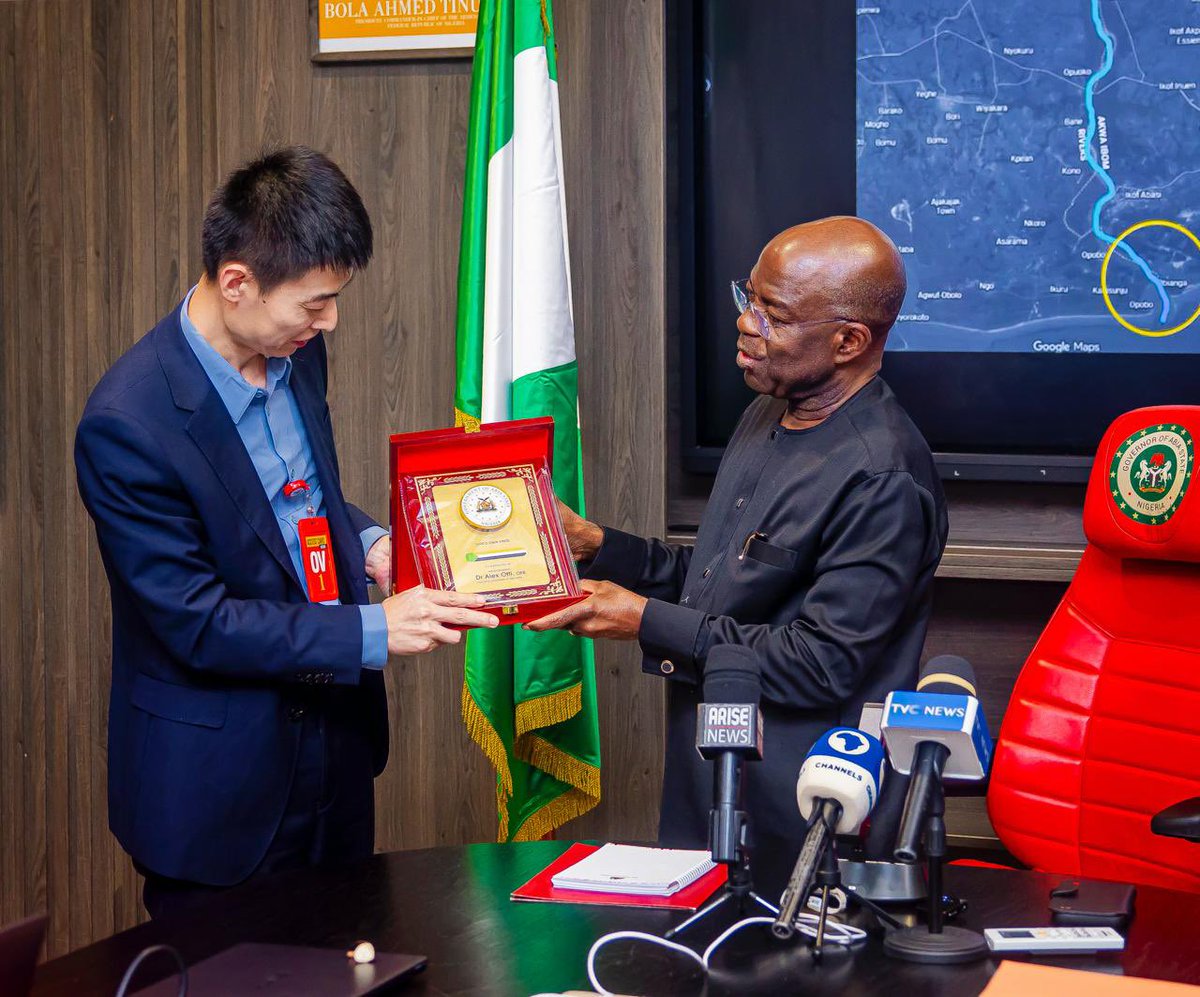
We have expressed our administration's readiness to partner China Harbour Engineering Company Limited (CHEC) on the comprehensive development of the proposed Abia Sea Port City, from feasibility studies through construction to final delivery.
I made this known yesterday while receiving a delegation led by the company’s Managing Director, Mr. Wang Jason, who presented its preliminary findings and proposals on the project.
My preference is for a partnership that extends beyond consultancy and feasibility studies to the actual construction and delivery of the project. I emphasised that the State requires honest, professional advice to determine the project’s viability and the most suitable technical direction.
I also emphasised that the proposed arrangement would be a genuine public-private partnership (PPP), assuring the company of our commitment to transparency, integrity and mutually beneficial business relationships. I stressed that our administration does not engage in dishonest practices. I noted that other prospective investors, including Afreximbank, had also expressed interest, with further decisions to be guided by the outcome of the feasibility study.
Mr. Wang Jason described the proposed project as a viable integrated infrastructure development master plan, explaining that the feasibility study would establish the most suitable port design, technical specifications and depth requirements. He also expressed CHEC’s interest in a long-term partnership with Abia State, beyond consultancy services, and commended Aba’s economic significance and potential to support the development.
I am optimistic that, with proper planning, technical expertise, patience and sustained commitment, the proposed port, integrated with other infrastructure and economic activities, can significantly transform Abia’s economic landscape.
Our development vision is anchored on long-term planning and continuity, as reflected in the 25-year development plan already enacted into law to sustain progress beyond successive administrations.
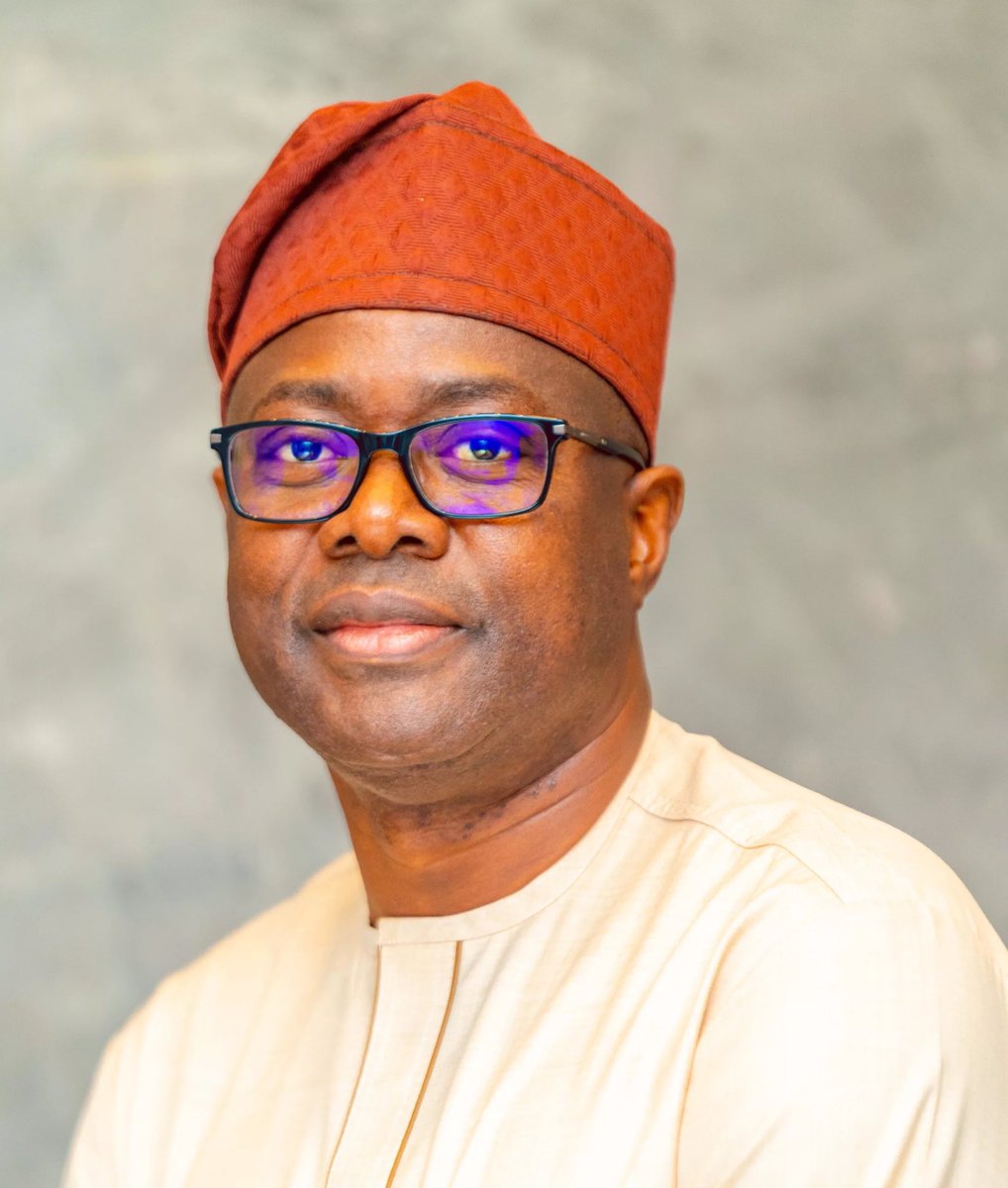
I like Governor Seyi Makinde. In Oyo he has delivered infrastructure, raised revenue, and invested in education and health with a measure of independence many peers lack.
But his Rooftop interview was a disaster, a campaign-ending faux pas. Calling a South-West–North ticket Nigeria’s natural “stabilising factor,” and citing the 1966 coup as shared sacrifice, is the quiet part said out loud.
Does this mean he believes, deep down, that an Igbo man cannot be trusted with power at the centre? Why should Peter Obi be held accountable for 1966 in 2026? That is ethnic bookkeeping, not strategy. He is not a statesman.
A ticket built on that logic cannot be fair to every region. The South-East will find no sympathy for it. Those words are hurtful, disappointing and disqualifying.
The outing also exposed his naivety. An elevated platform amplifies every misstep. This is why many practice the doctrine of calculated silence. Atiku’s aides have told him interviews are beneath him. President Tinubu has gone roughly 700 days without facing the Nigerian press. Both treat transparency as a threat. Their avoidance is contempt for the people they seek to lead.
Peter Obi has done the opposite: he has made himself available and open to scrutiny. Nigerians have judged him fit.
I honestly wish Makinde well. His Oyo record is respectable. But this interview shows he is not ready to lead Nigeria.
Seyi Makinde brilliantly left out the Awolowo/Akintola feud that claimed thousand of Yorugba lives in operation wetie
Typical extraordinary uncanny bird!
The events that triggered Nigeria’s first coup had its roots in the Southwest. The fight between Akintola and Awolowo plunged the west into violence: “Operation Wetie” with killings and arson. The First Republic alliance was between the East and the North while the west generally destabilized the young country. Politicians that rewrite history are dangerous.