56 years ago today.
The first human landing on the Moon by the Apollo 11 mission occurred on July 20, 1969. Specifically, the lunar module, named Eagle, touched down on the Moon at 20:17 GMT (20:17 UTC).
Neil Armstrong: "That's one small step for man, one giant leap for mankind."
56 years ago today.
The first human landing on the Moon by the Apollo 11 mission occurred on July 20, 1969. Specifically, the lunar module, named Eagle, touched down on the Moon at 20:17 GMT (20:17 UTC).
Neil Armstrong: "That's one small step for man, one giant leap for mankind."
🚨 THE MOMENT YOU HAVE ALL BEEN WAITING FOR..
FULL Technical Presentation on Giza Plateau MASSIVE Underground Structures.
Full Presentation video link in the comment section.
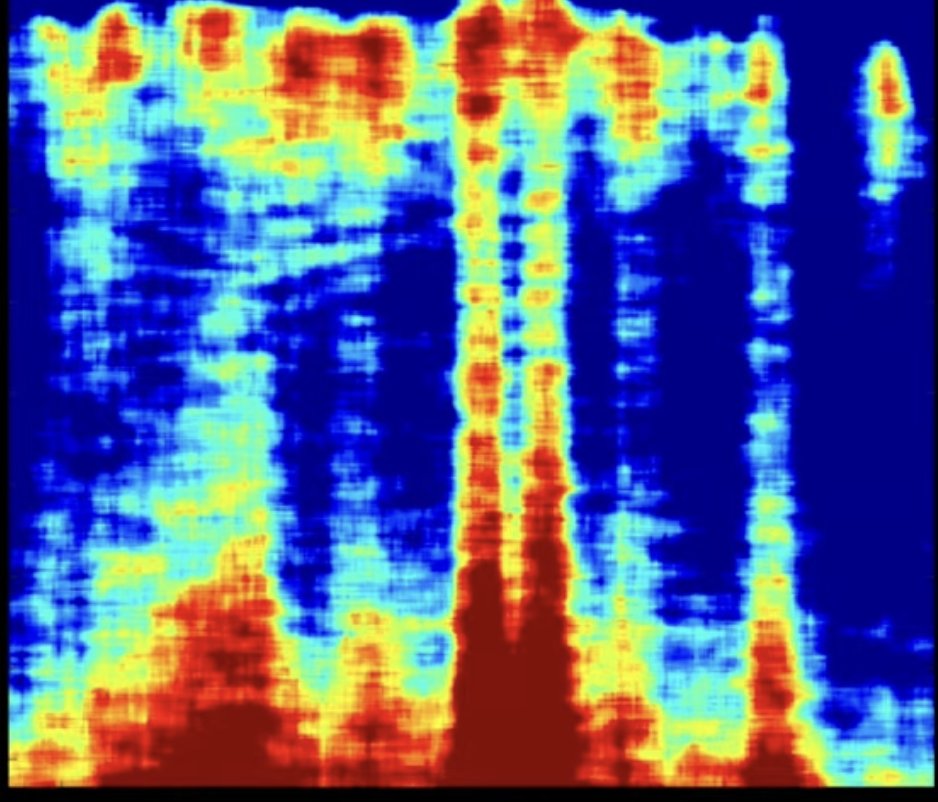
A team of scientists introduced a novel imaging method to investigate the internal structure of the Khnum-Khufu Pyramid, commonly known as the Great Pyramid of Giza.
Traditional synthetic aperture radar (SAR) techniques are limited in penetrating solid structures, restricting imaging to surface features.
To overcome this, the authors analyzed micro-movements within the pyramid, typically induced by background seismic waves, to achieve high-resolution, full 3D tomographic imaging of its interior and subsurface.
This approach rendered the pyramid "transparent," allowing for the reconstruction of internal objects and the discovery of previously unseen structures.
The study utilized a series of SAR images from the Italian COSMO-SkyMed satellite system, demonstrating the effectiveness of this innovative method.
@AtlasXThugged The moment everyone has been waiting for, the presentation of the structures beneath the Pyramids.
*Must Watch* ⚠️
https://t.co/OO5OSxKmJD
🚨 THE MOMENT YOU HAVE ALL BEEN WAITING FOR..
FULL Technical Presentation on Giza Plateau MASSIVE Underground Structures.
Full Presentation video link in the comment section.
A team of scientists introduced a novel imaging method to investigate the internal structure of the Khnum-Khufu Pyramid, commonly known as the Great Pyramid of Giza.
Traditional synthetic aperture radar (SAR) techniques are limited in penetrating solid structures, restricting imaging to surface features.
To overcome this, the authors analyzed micro-movements within the pyramid, typically induced by background seismic waves, to achieve high-resolution, full 3D tomographic imaging of its interior and subsurface.
This approach rendered the pyramid "transparent," allowing for the reconstruction of internal objects and the discovery of previously unseen structures.
The study utilized a series of SAR images from the Italian COSMO-SkyMed satellite system, demonstrating the effectiveness of this innovative method.
@Cortex_Zero The moment you have all been waiting for. The Pyramid structure presentation of the structures beneath the Pyramids.
https://t.co/OO5OSxKmJD
🚨 THE MOMENT YOU HAVE ALL BEEN WAITING FOR..
FULL Technical Presentation on Giza Plateau MASSIVE Underground Structures.
Full Presentation video link in the comment section.
A team of scientists introduced a novel imaging method to investigate the internal structure of the Khnum-Khufu Pyramid, commonly known as the Great Pyramid of Giza.
Traditional synthetic aperture radar (SAR) techniques are limited in penetrating solid structures, restricting imaging to surface features.
To overcome this, the authors analyzed micro-movements within the pyramid, typically induced by background seismic waves, to achieve high-resolution, full 3D tomographic imaging of its interior and subsurface.
This approach rendered the pyramid "transparent," allowing for the reconstruction of internal objects and the discovery of previously unseen structures.
The study utilized a series of SAR images from the Italian COSMO-SkyMed satellite system, demonstrating the effectiveness of this innovative method.
🚨 THE MOMENT YOU HAVE ALL BEEN WAITING FOR..
FULL Technical Presentation on Giza Plateau MASSIVE Underground Structures.
Full Presentation video link in the comment section.
A team of scientists introduced a novel imaging method to investigate the internal structure of the Khnum-Khufu Pyramid, commonly known as the Great Pyramid of Giza.
Traditional synthetic aperture radar (SAR) techniques are limited in penetrating solid structures, restricting imaging to surface features.
To overcome this, the authors analyzed micro-movements within the pyramid, typically induced by background seismic waves, to achieve high-resolution, full 3D tomographic imaging of its interior and subsurface.
This approach rendered the pyramid "transparent," allowing for the reconstruction of internal objects and the discovery of previously unseen structures.
The study utilized a series of SAR images from the Italian COSMO-SkyMed satellite system, demonstrating the effectiveness of this innovative method.
Get Ready for a Partial Solar Eclipse this Weekend in the US:
A Rare Sunrise Solar Eclipse will occur on Saturday, March 29, 2025, as a new moon partially blocks part of the sun as it appears.
Did you witness the Spiral in the night sky.
Frozen plume of fuel from the SpaceX rocket's exhaust, which reflected the sunlight and appeared to spin in the atmosphere.
What if the Radar (SAR) scans turn out to be true with the New Findings at the Giza Plateau 648 metres below ground.
We would have to Re-write the text books of the Egyptian Pyramids.
All we can do is speculate until proven, its pretty exciting News, i want to believe 🙏
What if the Radar (SAR) scans turn out to be true with the New Findings at the Giza Plateau 648 metres below ground.
We would have to Re-write the text books of the Egyptian Pyramids.
All we can do is speculate until proven, its pretty exciting News, i want to believe 🙏