Our work on salt marsh restoration was highlighted the New London Day a couple of weeks ago! Large-scale sediment additions help keep salt marshes afloat with sea level rise. Our team is thinking about how that added sediment might change plant communities and biogeochemistry!
So proud of my best friend @cflemsscientist for passing her qualifying exams!!! Throwback to 2017 when both of us were studying rocky intertidal zones— now she’s doing cool coral things and I’m hanging out with salty grasses. So proud of you!!
How can we help salt marshes stay above rising sea levels and reduce sediment transport costs? Check out an article I wrote highlighting @AnnaPuchkoff’s recent work on salt marsh restoration! https://t.co/5eseNFWzfh
So proud of my undergrad mentees for presenting their findings on soil aggregation and decomposition in our coastal wetland mesocosm experiment! #maddycosms#dqmo
Colonialism and “parachute science” are upheld through academic capital by not acknowledging or collaborating with local communities where botanical samples are taken #dqmo https://t.co/KzvWmU6mjv
“The life of the salt marsh is inextricably tied to our cultural continuation.” — from Queen Quet of the @GullahGeechee Nation, in support of the South Atlantic Salt Marsh Initiative #dqmo https://t.co/fxcxMzvx4z
“The opposite of colonialism is not inclusion. … In fact, using Indigenous knowledge to enrich non-Indigenous learning has been a core component of colonial knowledge systems that require local knowledge to survive and flourish on colonized land.” From @MaxLiboiron#dqmo
Decolonizing geoscience requires more than equity and inclusion - an important new World View article in @NatureGeosci from @MaxLiboiron https://t.co/dzTy1nrmF3
#Saltmarsh#restoration can come in many different forms, but how to we restore & protect our major coastal #carbon stores from rising sea levels? Try throwing some dirt on them! Check out this exciting new study from @AnnaPuchkoff & Beth Lawrence #dqmo https://t.co/YLavYXzBkZ
As an added bonus, the cover photo is of one of my field sites here in CT! Barn Island Wildlife Management Area is the largest #saltmarsh complex in CT, and makes for a picturesque place to spend long summer days ☀️
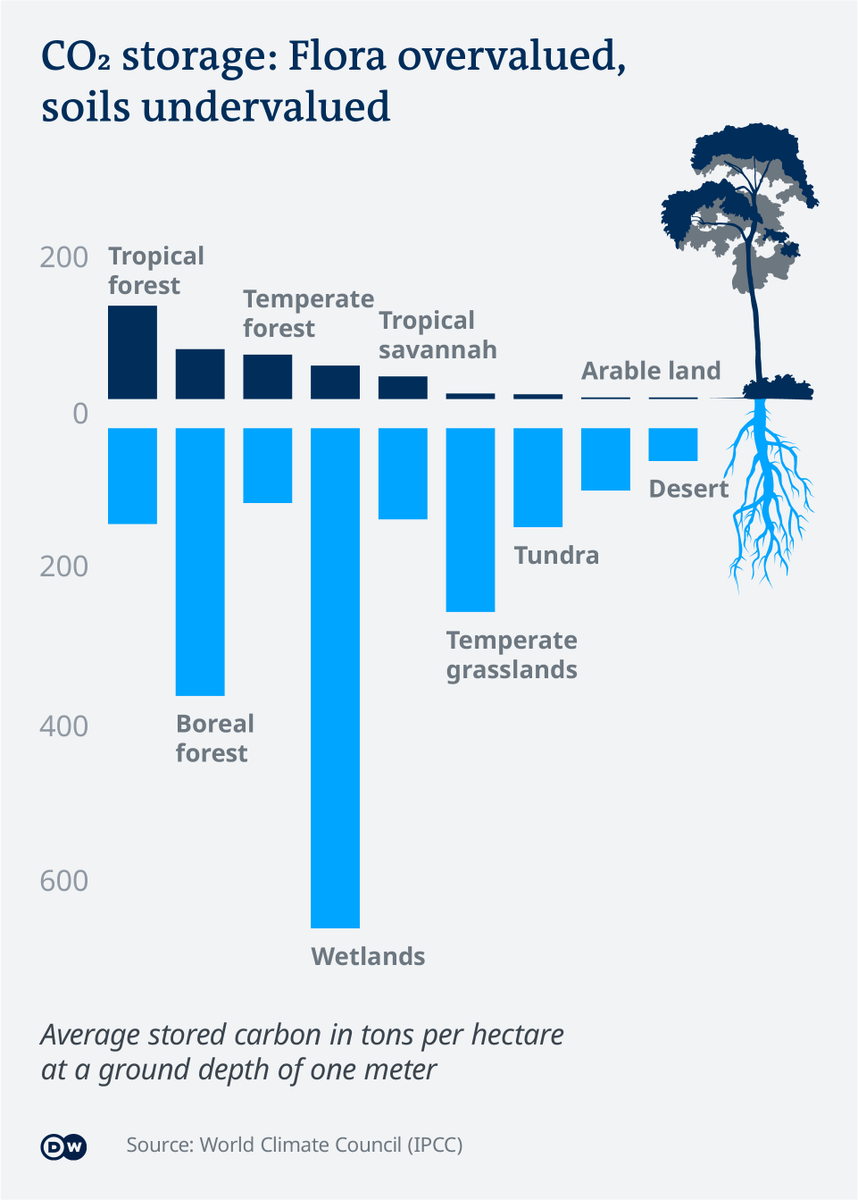
#Wetlands store the most #carbon per unit area than any other ecosystem in the world! Wetland restoration & management should aim to maximize carbon sequestration of our natural carbon sinks in the fight against #climatechange#dqmo https://t.co/yp7UohqmzI
Coastal wetlands are best known for their bird communities and storm buffering, but it always amazes me how critical they are as global #carbon stores, especially as #soil carbon! #bluecarbon#dqmo
Check out how much CO2 wetlands trap and store. They are unsung heroes in battling the #climateemergency. We're working to protect and restore them, who's with us?
📊@dw_environment@michelpenke
👉https://t.co/V4pBKR1cFO
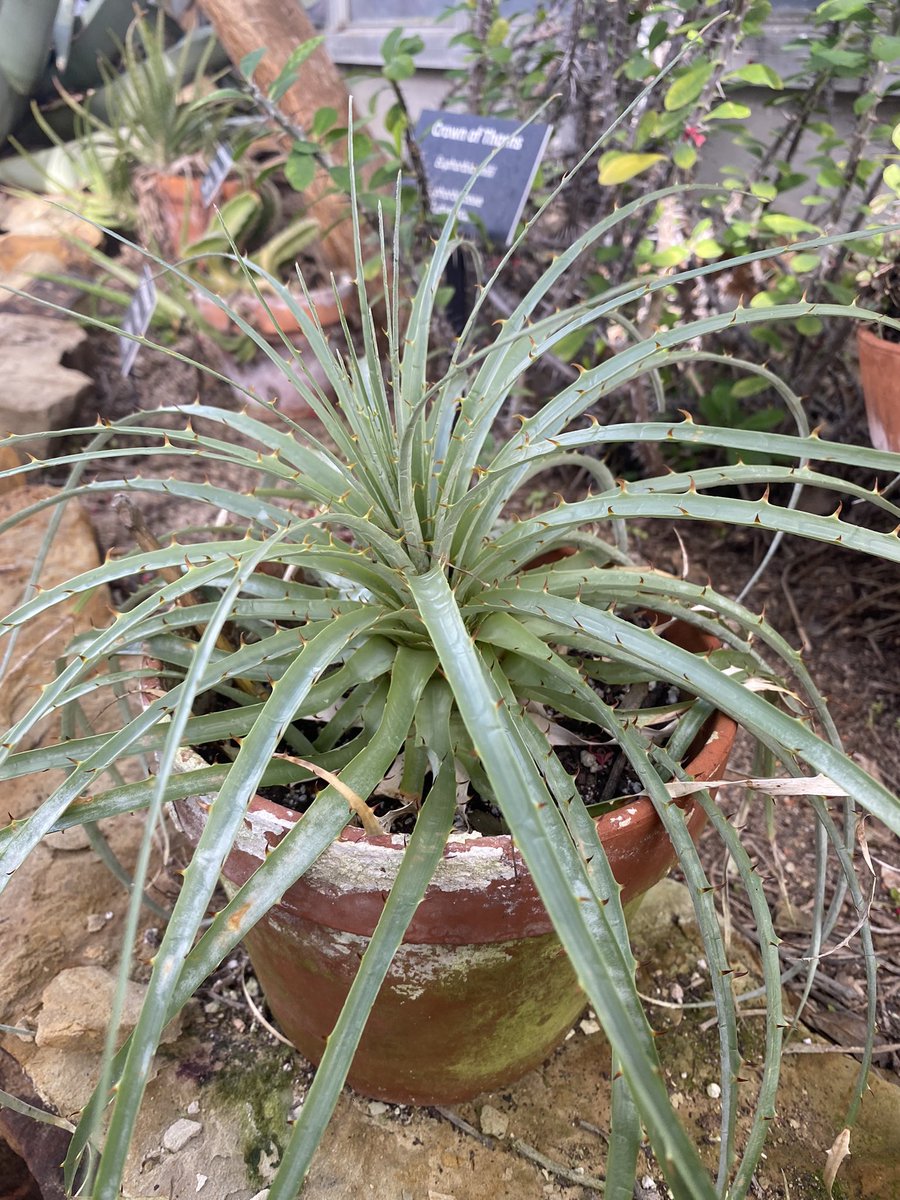
I love finding weird plants to admire! This is a succulent bromeliad from Chile, from the genus Puya, that are found in arid environments instead of the tropical areas that most bromeliads are found. Some can grow to 6’ tall and will flower after about 20 years! #dqmo
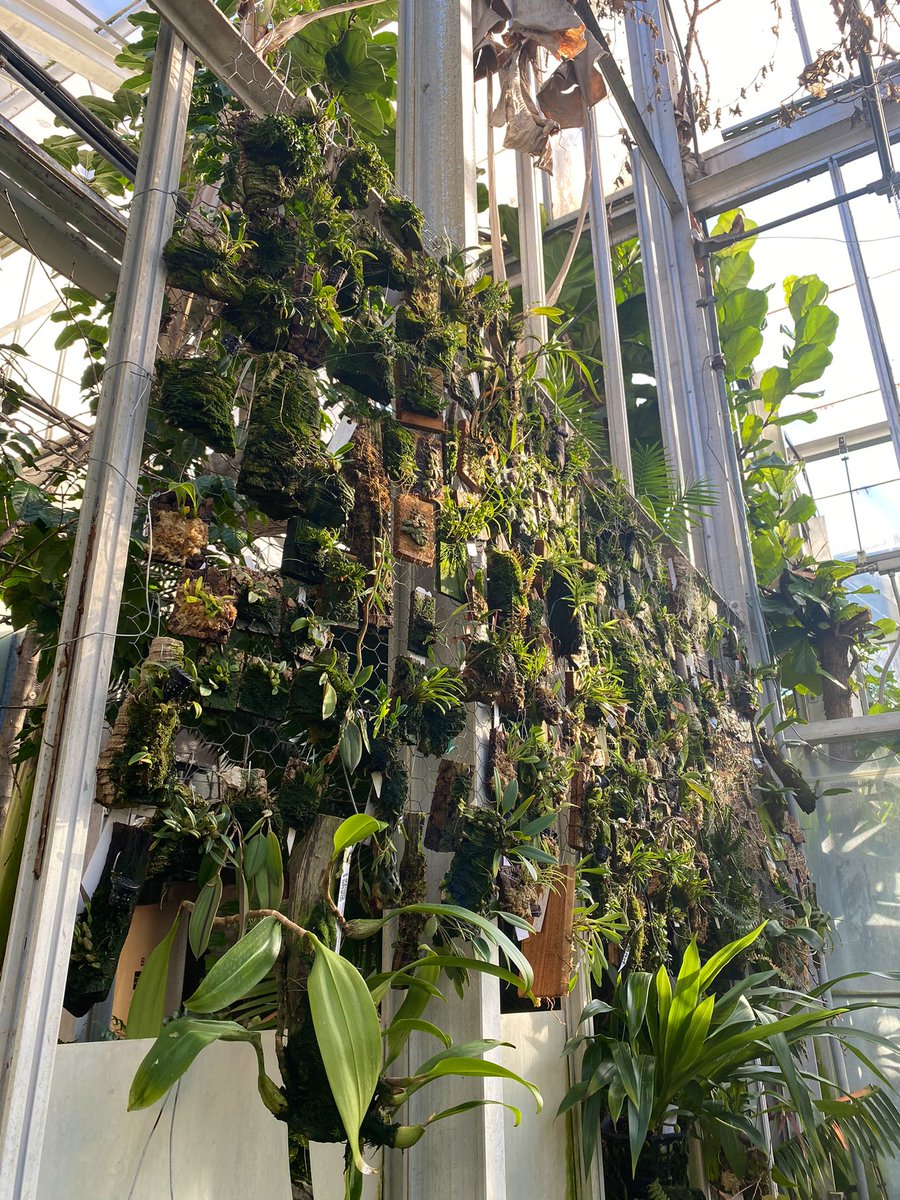
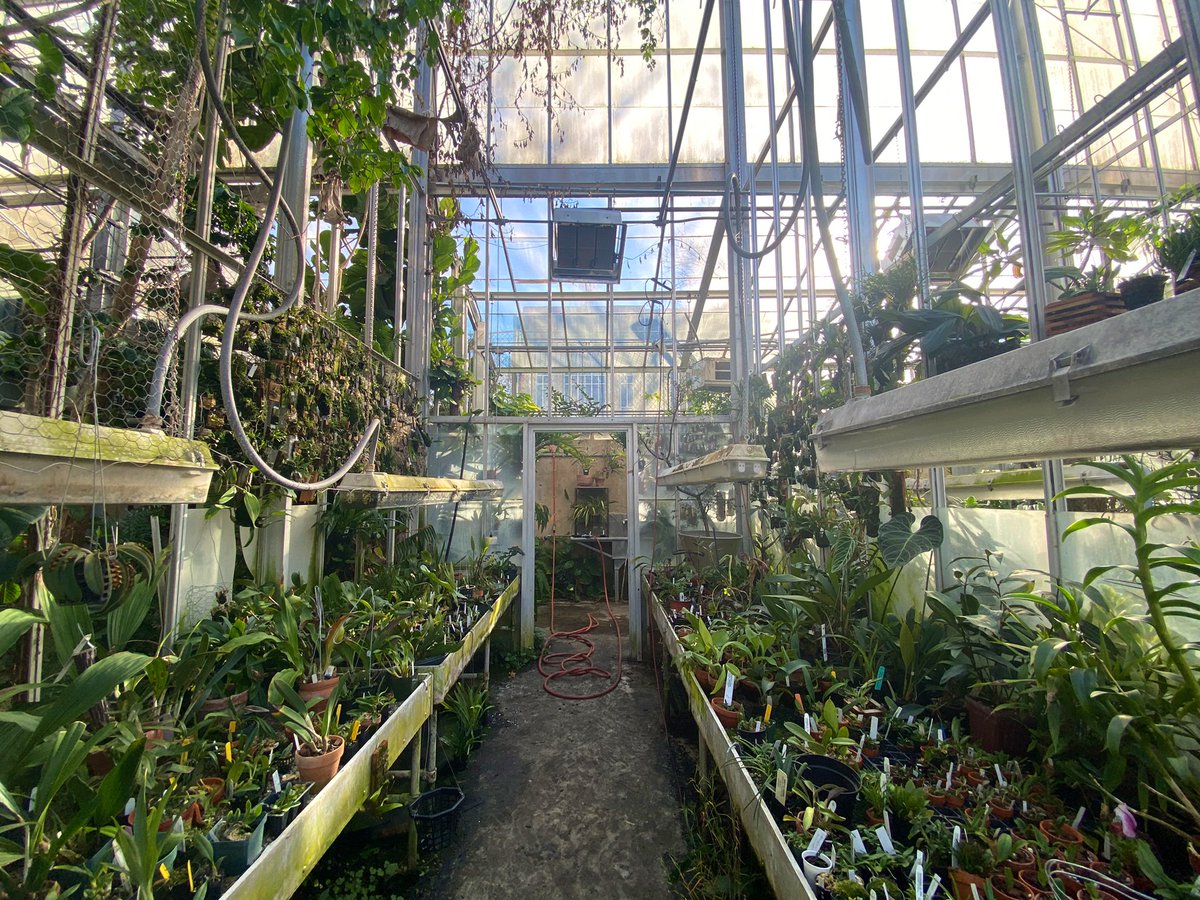
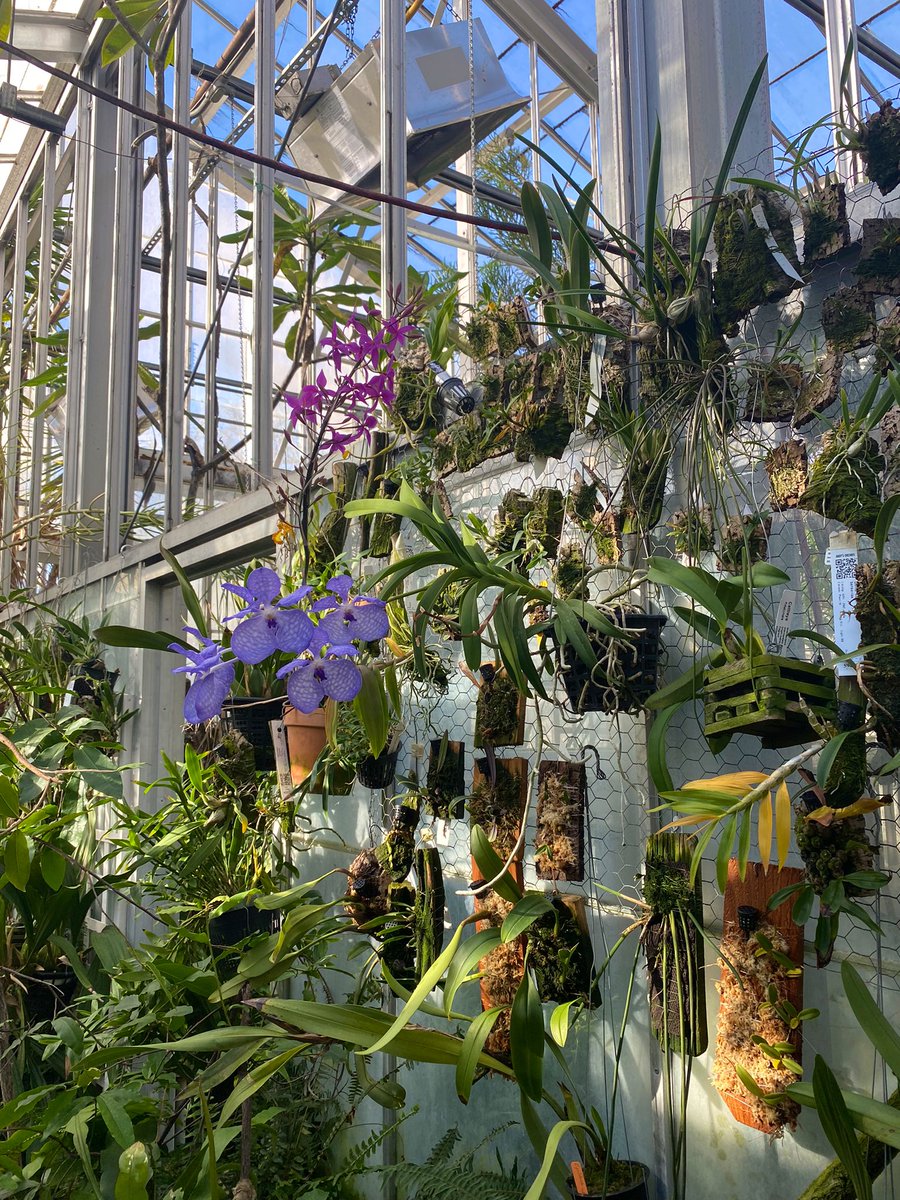
The @butleru greenhouse is home to almost 700 species of #orchids!! (the handiwork of Kyryll Savchenko from @ButlerBiology). Most are intermediate growers, meaning they like more mild temps. Every time I come by, I find a new orchid to admire! #dqmo