Conservation physiologist and biogeographer. Keen photographer and skilled procrastinator. Dwarf among men, god among dwarfs. Views my own, and highly specious
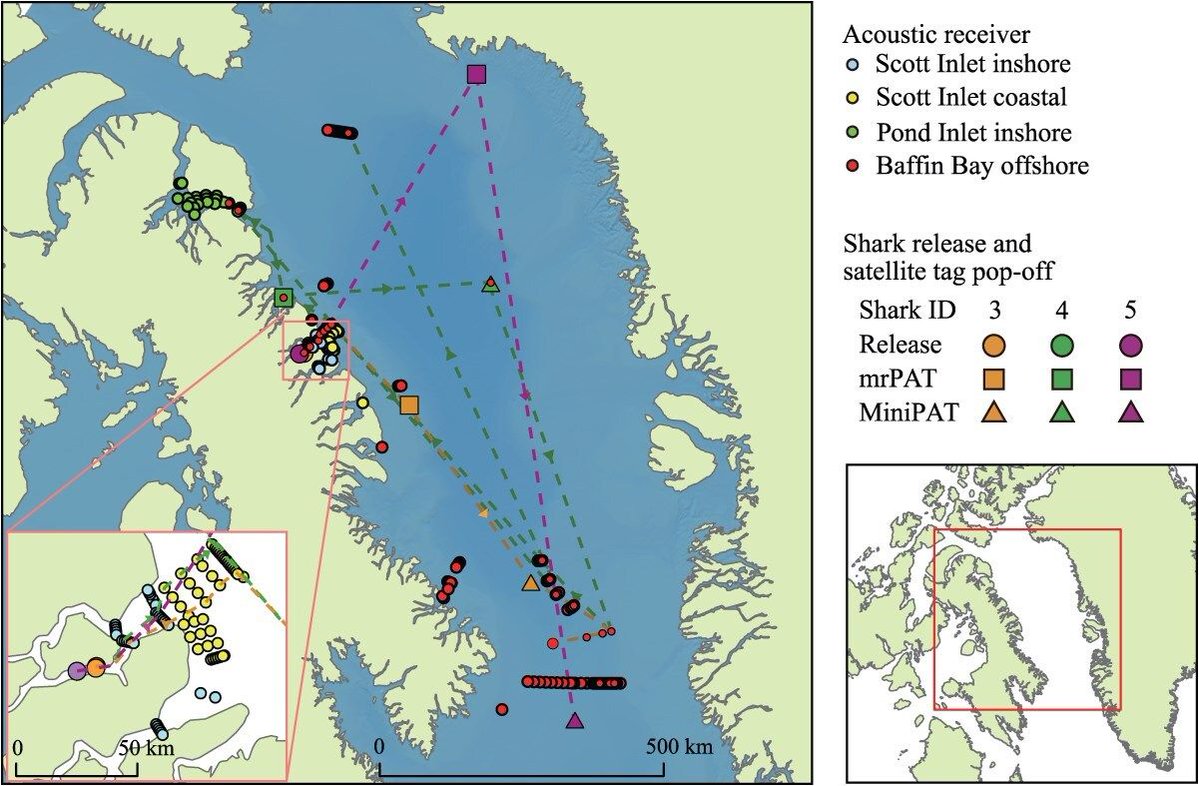
Greenland sharks 🦈 are a vulnerable species at risk of accidental capture during angling. This study shows that Greenland sharks are resilient to capture stress when properly handled, highlighting the importance of proper handling practices.
➡️ https://t.co/wX0Yf8OQYV
The call is out for submissions to our special issue on mechanistic modelling for conservation. We're interested in work from all ecosystems on all taxa. Send us your work!
https://t.co/lK9cnDHcBS
We are very excited to share our new editorial which provides guidance on responding to #PeerReview, allowing authors to get the most out of the review process.
➡️ https://t.co/cxEwkgKHSt
#PeerReview#EarlyCareerResearcher#ECR
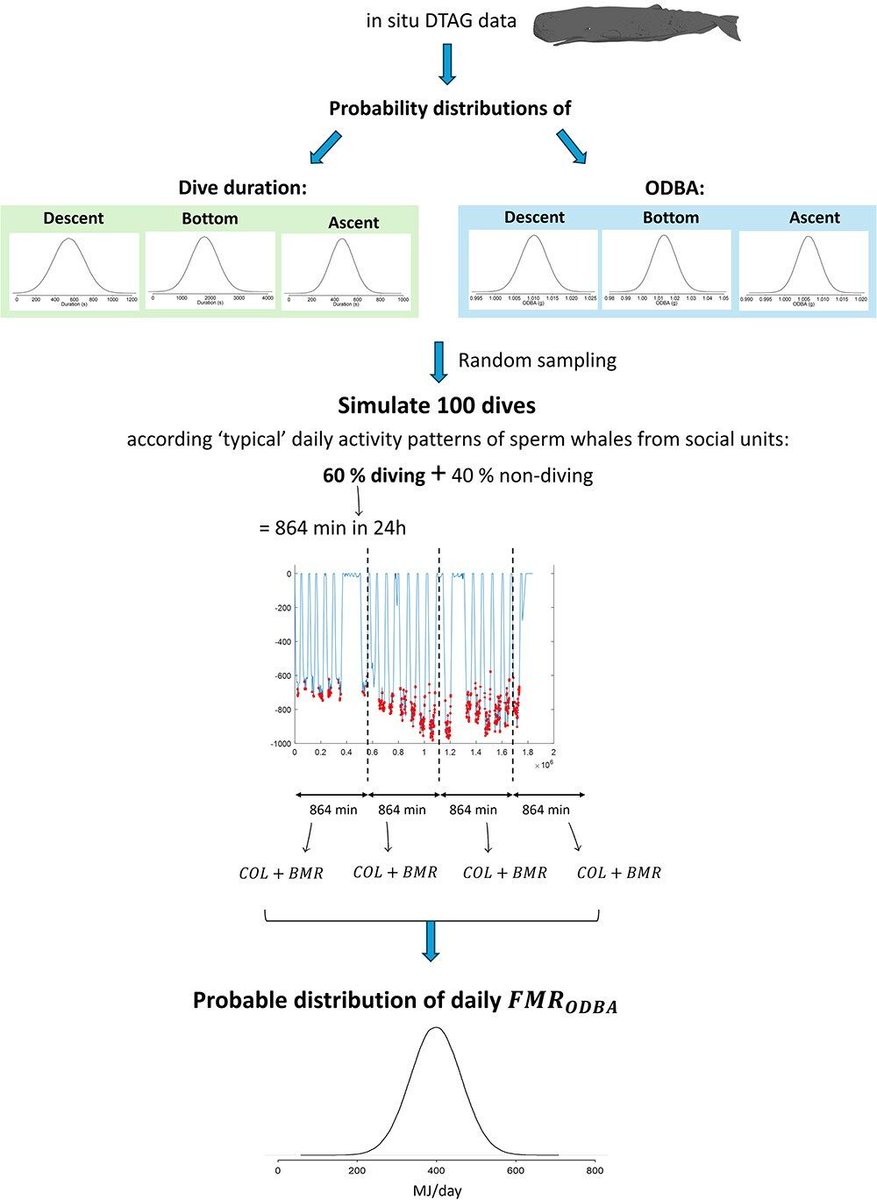
How can we measure energy use in large animals where direct measurements may be impractical? This study provides the first estimates of daily field metabolic rates in sperm whales by combining in-situ data with proxies for energy expenditure 🐋
➡️ https://t.co/Bwdl0TJF10
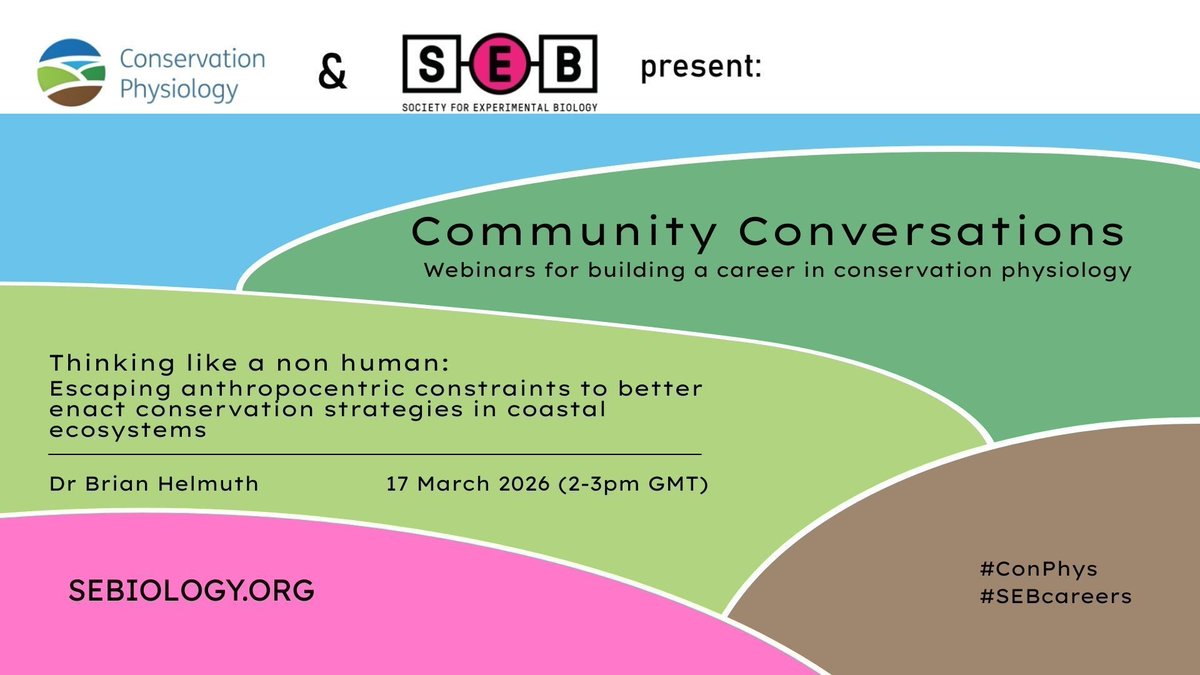
We are delighted to announce the next installment of our #CommunityConversations webinar series 🌎💬
In this FREE event, journal editors Sean Tomlinson & Jeff Clements discuss how to get the most out of the #PeerReview process.
Info here ➡️ https://t.co/2AsNqBMai9
#ECR
Studying #AnimalBehaviour and #Physiology can help predict species’ responses to environmental change. This #Perspective argues for a broader approach integrating environmental factors and wider context in order to advance conservation science.
➡️ https://t.co/QS09SyjZVs
New Research: Ecophysiological constraints outperform environmental predictors in forecasting climate-driven extinction risk of a Cerrado endemic lizard https://t.co/K3OVBu77ka #FrontiersIn#AmphibianReptileScience
In this study of body condition in sea lion pups at different latitudes, pups in southern colonies were larger and healthier, showing that local environments strongly shape early survival prospects 🦭🌍
Read it here ➡️ https://t.co/MLPS9b35im
@conphysjournal Great piece of work here led by @pieter_arnold. A really variable survey of where things stand now, and where we need to go on plant conservation physiology
Plants show remarkable resilience to environmental changes, but how do they cope when exposed to extremes during early life? This #Perspective explores the sensitivity of early life stages to #HeatStress, with the aim of enhancing #Conservation🌲 🌺
➡️ https://t.co/0N4WHjrx6m
✳️ #SpecialIssue call for papers ✳️
We are accepting submissions for a NEW special issue: Applications of mechanistic #modelling in biodiversity conservation 🖥️🌎
Edited by Brian Helmuth & Sean Tomlinson
Full info and submission instructions ➡️ https://t.co/CNHaVxV2nT
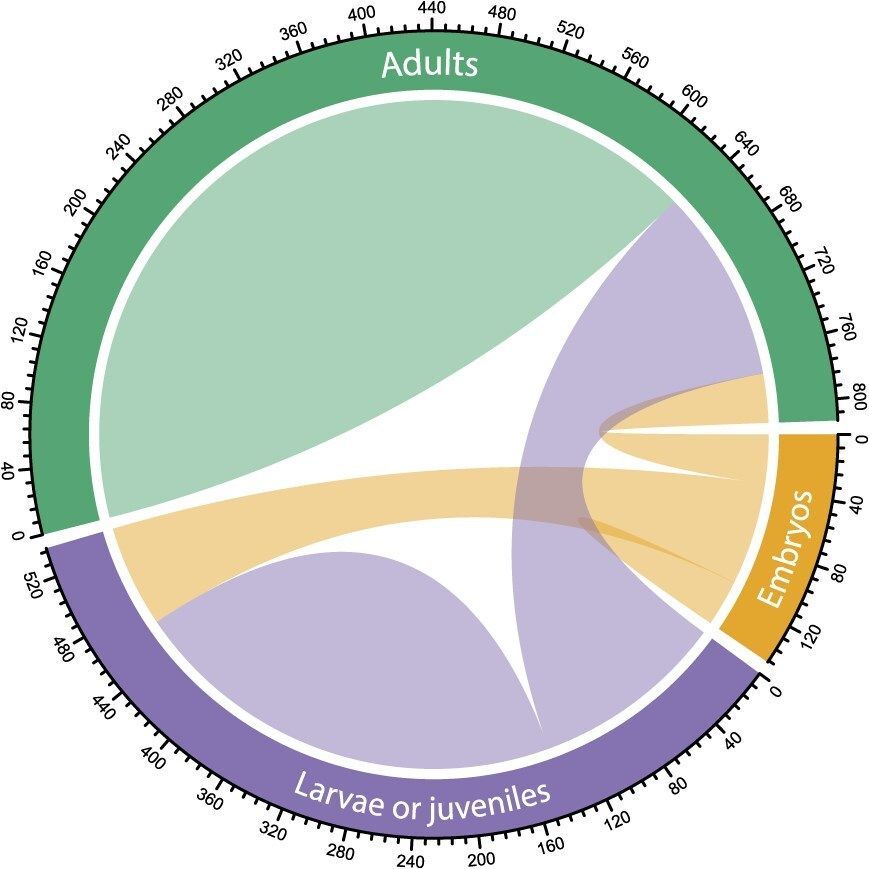
Early life stages have been hypothesised to be particularly vulnerable to environmental stressors. This new study highlights a shortage of research into embryos in the #ConPhys field and calls for more research into early life stages 🪺 🐦⬛
➡️ https://t.co/EZyVPBiTWZ
How does fishing pressure 🎣 affect fish #Physiology and #Behaviour? Find out in this study comparing sand flathead 🐟️ populations in heavily and lightly fished regions.
Read it here ➡️ https://t.co/ropZniLWpe
#MarineBio#Conservation#Angling
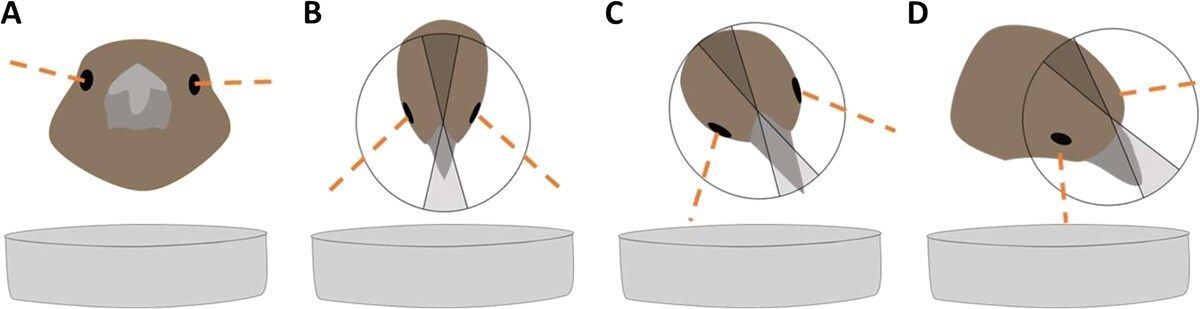
Lasers are often used to deter birds from crops, airports & fisheries, but what are the potential implications for visually-mediated behaviours such as foraging? Learn more in this new study on house sparrows.
Read it here ➡️ https://t.co/34u75Zsw3e