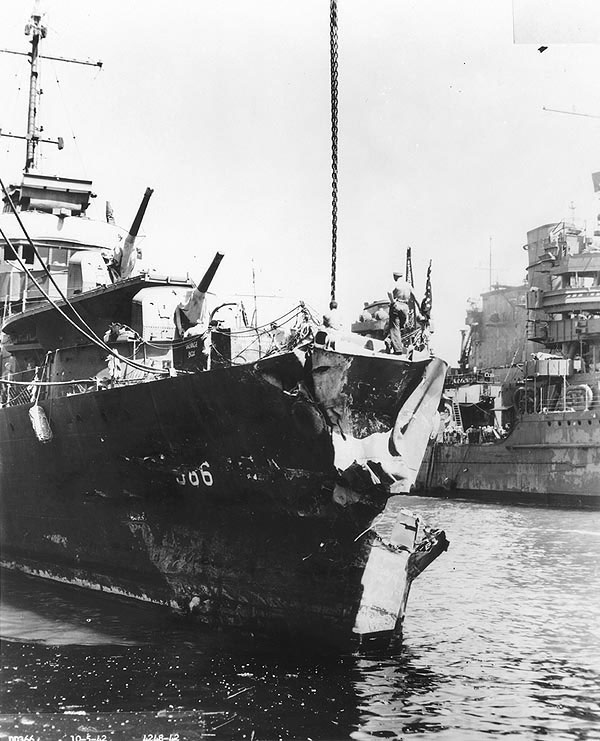
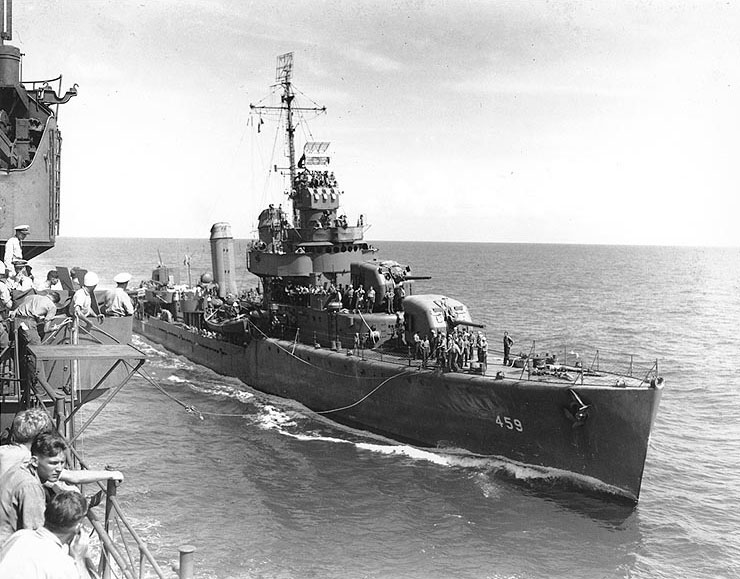
Drayton's damaged bow after colliding with destroyer Flusser, Pearl Harbor, 5 Oct 1942; note cruiser Portland and carrier Saratoga partially visible in background
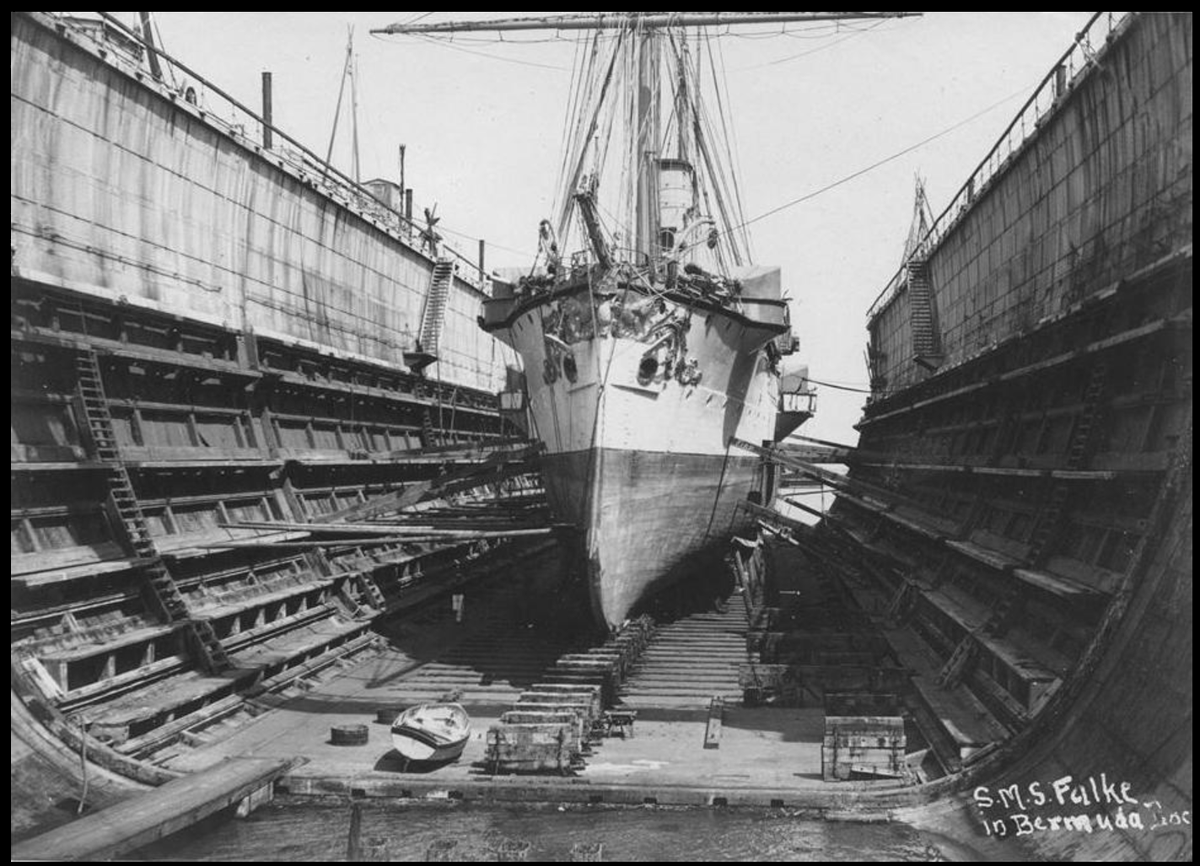
An artistic depiction of the historic HM Floating Dock Bermuda, the world's largest floating dry dock when it was built and towed across the Atlantic in 1869...
When Britain needed a solution for ship repairs in the Atlantic, engineers in the 1860s built the largest floating dry dock ever attempted, a 380-foot iron structure weighing over 8,000 tons.
Constructed near Woolwich on the Thames, the dock was designed to lift 10,000-ton ironclads like HMS Warrior and withstand the fouling threats of Bermuda’s warm waters.
Unable to build a conventional dry dock due to porous sandstone, the British opted for mobility and scale, creating a self-contained U-shaped platform that could sink and raise vessels from the sea with ballast compartments and powerful pumps.
In June 1869, this massive dock embarked on a nearly 4000 nautical-mile journey to Bermuda, towed in stages by Britain’s heaviest ironclads—Agincourt, Northumberland, Warrior, and Black Prince—assisted by HMS Terrible.
With closed ends to reduce drag and a sail rigged inside to capture tailwinds, the voyage reached speeds of over 6 knots.
Once in service, it supported Royal Navy operations for over thirty years before being replaced in 1906.
#archaeohistories
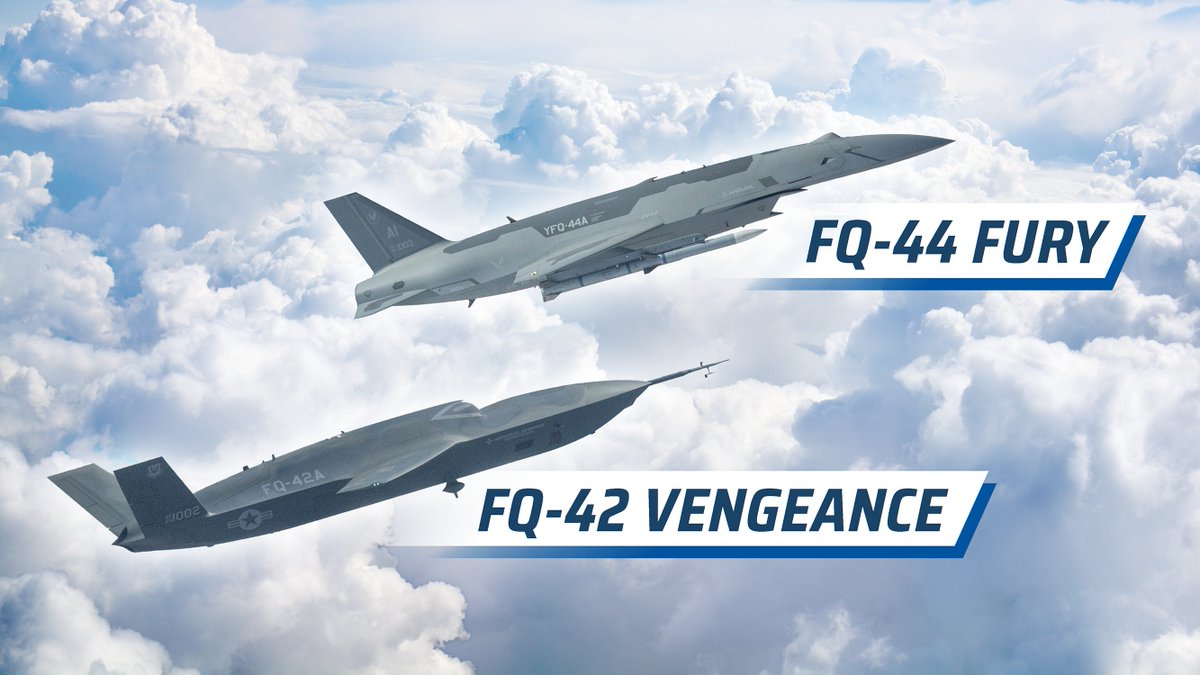
This morning, @SecAFOfficial announced the official names of the Air Force’s newest Collaborative Combat Aircraft, the FQ-42 Vengeance and FQ-44 Fury, during his keynote address at the @AFA_Air_Space's #AFANational Conference.
Revealing popular names was a natural next step for the CCA program as the Air Force modernizes the nation’s aerial combat fleet. The Air Force intends to purchase about 1,000 combat-ready, semi-autonomous systems that will extend reach, awareness and survivability of American airpower in contested environments. Meink confirmed that the service would have 500 of the aircraft by 2032.
More to follow.
Those recent viral rust photos/footage of the USS Abraham Lincoln (CVN-72) in Thailand overstated the story.
Yes, the hull looked rough in pictures, but the ship itself was never in question, that's the part the headlines skipped.
Today at Laem Chabang Port in Thailand, local crews under US Navy contract handled the cleanup, rust removal, hull washing, clearing marine growth.
Abe had just wrapped over 280 days of sustained combat operations against Iran that whole stretch. So when you're choosing between keeping jets flying and touching up paint, the paint loses every time, and it should.
Today's ship clean-up proved the ship was always fine, it just needed a wash.
[ Footage by Army Military Force]