How do you rebuild a nation’s backbone after a decade of conflict?
Nepal’s transition from monarchy to a federal democratic republic was not only a political transformation, but a blueprint to build a more inclusive future—one where women, Dalits, Janajatis, and historically marginalized communities had a stronger voice in shaping the country’s direction. ⚖️🇳🇵
Through the first democratic elections to bring justice to citizens to supporting Nepal’s constitution-building and ensuring the process was informed, participatory, and inclusive; @UNDPNepal has been there through every step. 🇺🇳
From supporting access to justice, to strengthening local governance systems that better serve people in their daily lives, this partnership helped lay the foundations for Nepal’s federal democratic system and three-tier governance structure.
On Nepal's #RepublicDay watch a video highlighting partnership, resilience, and renewal to build a future that belongs to everyone. 🤝
🎥To learn more about UNDP’s work across other sectors: https://t.co/sWfo6qrM6M
Strengthening local revenue systems for a more accountable and resilient federal Nepal.
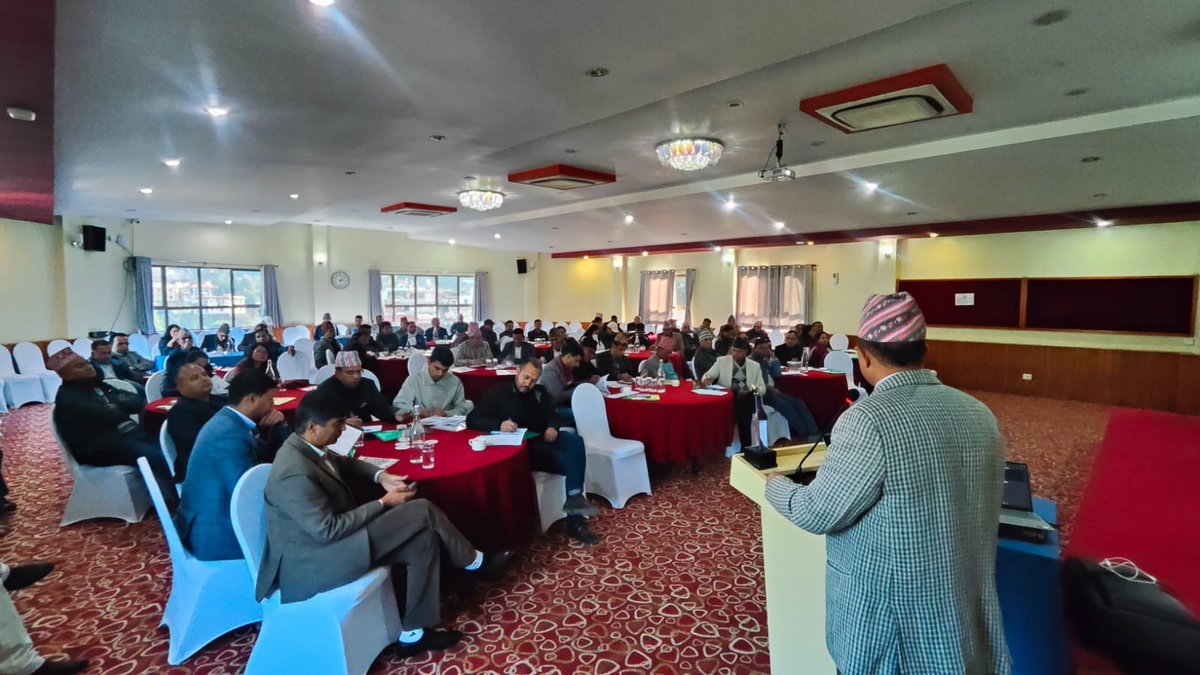
Government institutions, development partners, IFIs, local governments, and governance experts came together at the Co-Creation Workshop on Own Source Revenue (OSR) and Fiscal Federalism—convened under the Provincial and Local Governance Strengthening Programme (PLGSP) with technical support from UNDP Nepal.
The workshop brought together representatives from the Office of the Prime Minister and Council of Ministers (@PM_nepal_), Ministry of Land Management, Co-operatives, Federal Affairs & General Administration, Financial Comptroller General Office (FCGO), local governments, Local Government Associations, @unicef_nepal, the @EUinNepal, @SwissDevCoop, Norway, @ADB_HQ, Swisscontact, and GIZ, and other partners and stakeholders.
Designed as a collaborative platform, the workshop focused on aligning ongoing efforts, reducing fragmentation, and jointly shaping practical and scalable pathways to strengthen local revenue systems across Nepal. Through thematic group discussions, participants explored:
🔹Operational challenges in local revenue administration
🔹Digitalization, valuation, compliance, and institutional capacity
🔹Intergovernmental coordination and enabling policy systems
🔹Scalable and evidence-based reform pathways for fiscal federalism
As highlighted by @JulienPRChev, Deputy Resident Representative, @UNDP, “Strong Own Source Revenue systems are not only about generating more revenue—they are fundamental to strengthening local accountability, improving service delivery, and building trust between citizens and government.”
Similarly, Joint Secretary of the Ministry of Land Management, Co-operatives, Federal Affairs & General Administration and National Programme Director of PLGSP, Dilaram Panthi, emphasized the importance of building shared understanding and clearer practices around revenue mobilization, noting that lessons and perspectives from local governments would help shape future directions and actionable recommendations for strengthening fiscal federalism in Nepal.
With many local governments still heavily reliant on transfers, the workshop reinforced the need for coordinated, system-wide reforms to ensure federalism delivers for citizens.
#FiscalFederalism #LocalGovernance #PublicFinance
In the early 1960s, Nepal’s GDP per capita hovered around an isolating agrarian economy. Fast forward six decades, and through monumental political transitions, structural shifts, and sheer community resilience, our economy has crossed the $45.8 billion threshold.
But as we look at the upcoming national budget, a critical question emerges: how do we transition from remittance-backed stability to true domestic transformation?
In Episode 5 of the UNDP Nepal 60 podcast series, three leading experts from banking, finance, and development sit down to discuss the collective blueprint required for the next chapter of growth.
What have sixty years of progress taught us, and what are we willing to do differently today?
🎥 Watch the full episode on our YouTube Channel: https://t.co/qHAQlUlBvA
@UNDP | @mofnepal | @ADB_HQ | #NIFRA
#NationalBudget #FiscalPolicy #EconomicGrowth #PublicPrivatePartnership #UNDPNepal60
In the 5th episode of our #UNDPNepal60 Podcast series, we’re diving into the engine room of progress: Financing Nepal’s Development.
For decades, we’ve fueled growth through partnerships and innovation, but as the world shifts, so must our strategy. What have the last 60 years taught us about the true cost of progress? And more importantly, what needs to change now to unlock real economic opportunities for every Nepali?
With the budget for the current fiscal year set to be announced soon, our guests also reflect on Nepal’s fiscal priorities, examining how public finance can be better aligned with long-term development goals, private sector growth, and inclusive economic transformation.
We’re joined by 4 heavyweights from the worlds of Finance, Banking, and Development to break down the roadmap for a more prosperous tomorrow.
From rethinking investments to scaling local impact, it’s time to talk about the future of our economy.
Stay tuned for the 5th podcast, coming soon. In the meantime, catch up on our previous four episodes exploring biodiversity, climate action, the history of UNDP in Nepal, tourism, and more, available on the UNDP Nepal YouTube Channel: https://t.co/4KVY3WORJ8
The Portfolio Approach succeeds—or struggles—based on how teams learn, adapt & work across silos.
Insights from Tunisia & Bosnia show that shifting from delivery to system‑change means rethinking governance, learning questions & trust.
#PLGSP#UNDPNepal#UNDPTunisia#UNDPBosnia
One Nation, One Service Experience: Advancing Digital OSSD for All Citizens
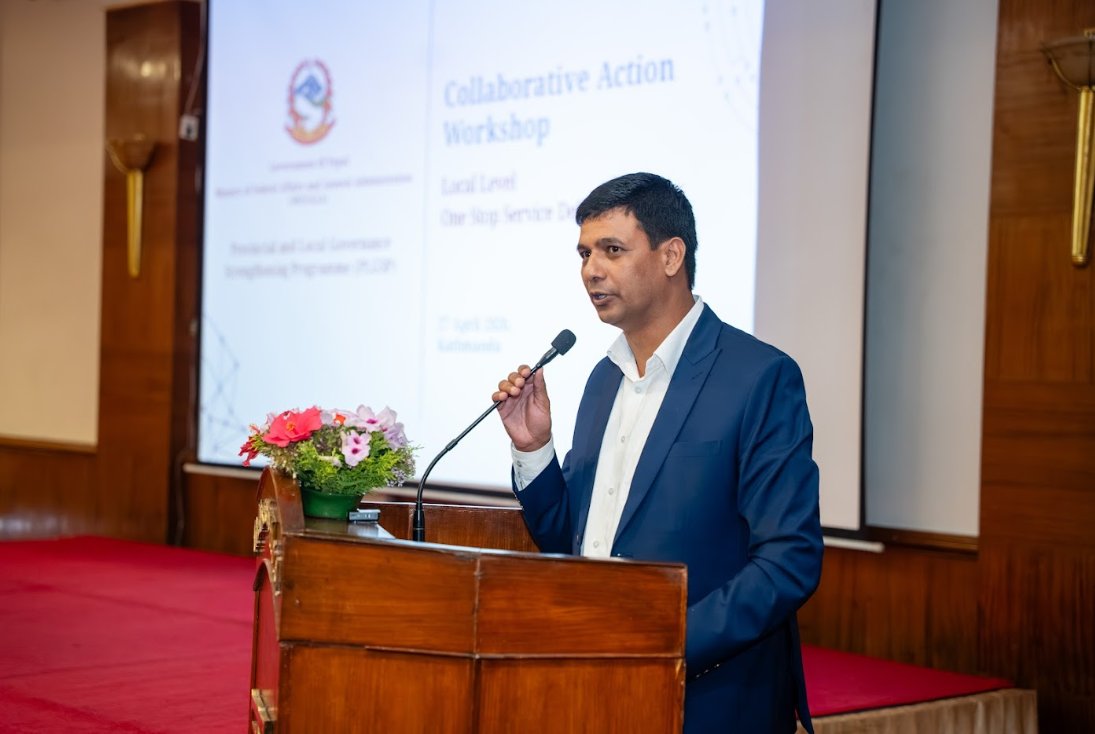
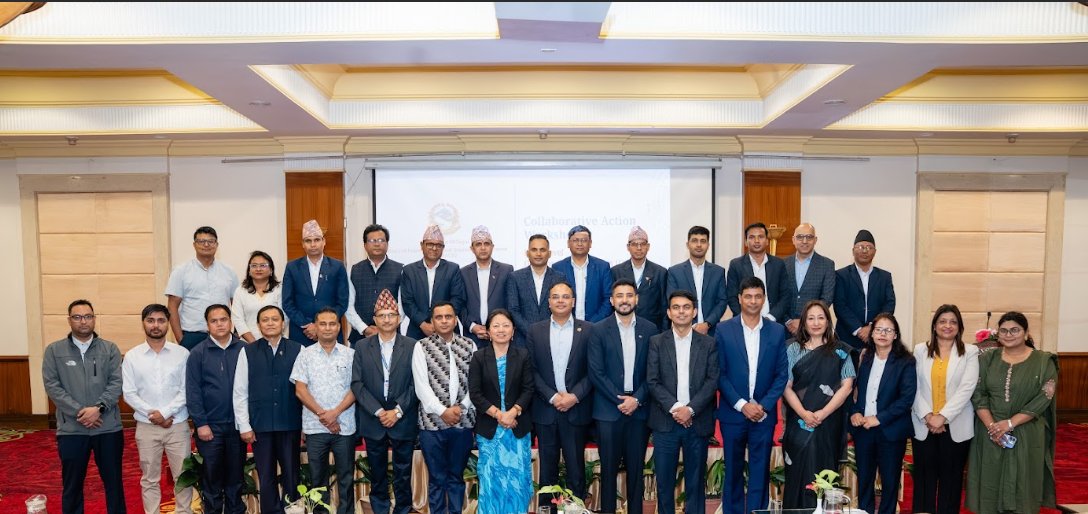
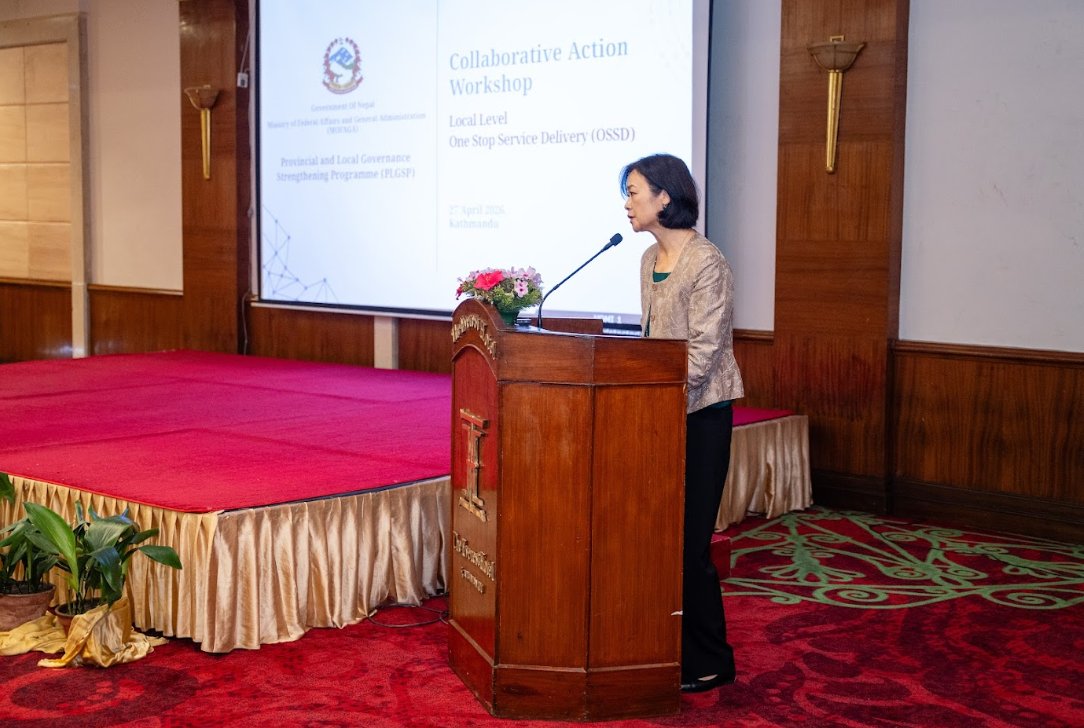
The Ministry of Federal Affairs and General Administration (@mofaganepal), in collaboration with @NepalOpmcm and supported by @UNDP through the Provincial and Local Governance Strengthening Programme, successfully convened a Collaborative Action Workshop on One Stop Shop Service Delivery (OSSD).
The workshop brought together key stakeholders from federal, provincial, and local governments, along with development partners and practitioners, to co-create a shared vision for digital, citizen-centric service delivery in Nepal.
Speaking at the event, Ms. Kyoko Yokosuka, Resident Representative of UNDP Nepal stated, “The success of this initiative depends on strong collaboration across all levels of government and partners.”
Participants reflected on the everyday challenges citizens face—fragmented services, multiple visits, and delays—and explored how SIFARISH-linked OSSD systems with automated workflows and grievance handling mechanisms can transform service delivery into a single, seamless, and transparent experience.
Similarly, Dr. Bhishma Kumar Bhusal, Joint Secretary, Office of the Prime Minister and Council of Ministers highlighted this is a strategic shift toward digital governance and meritocracy in Nepal to combat corruption and improve public service delivery.
Through experience sharing from district and local governments, and interactive co-creation sessions, participants jointly identified:
🔹Priority services for OSSD rollout
🔹Key digital integration and coordination challenges
🔹Practical pathways for scaling OSSD across local governments
The workshop concluded with a strong consensus on moving from pilots to scalable national solutions, with clear next steps on implementation, institutional roles, and timelines.
This marks an important step towards making public services simpler, faster, and more citizen-centric, aligned with Nepal’s broader digital governance and reform agenda.
#DigitalGovernance #OSSD #PublicServiceDelivery
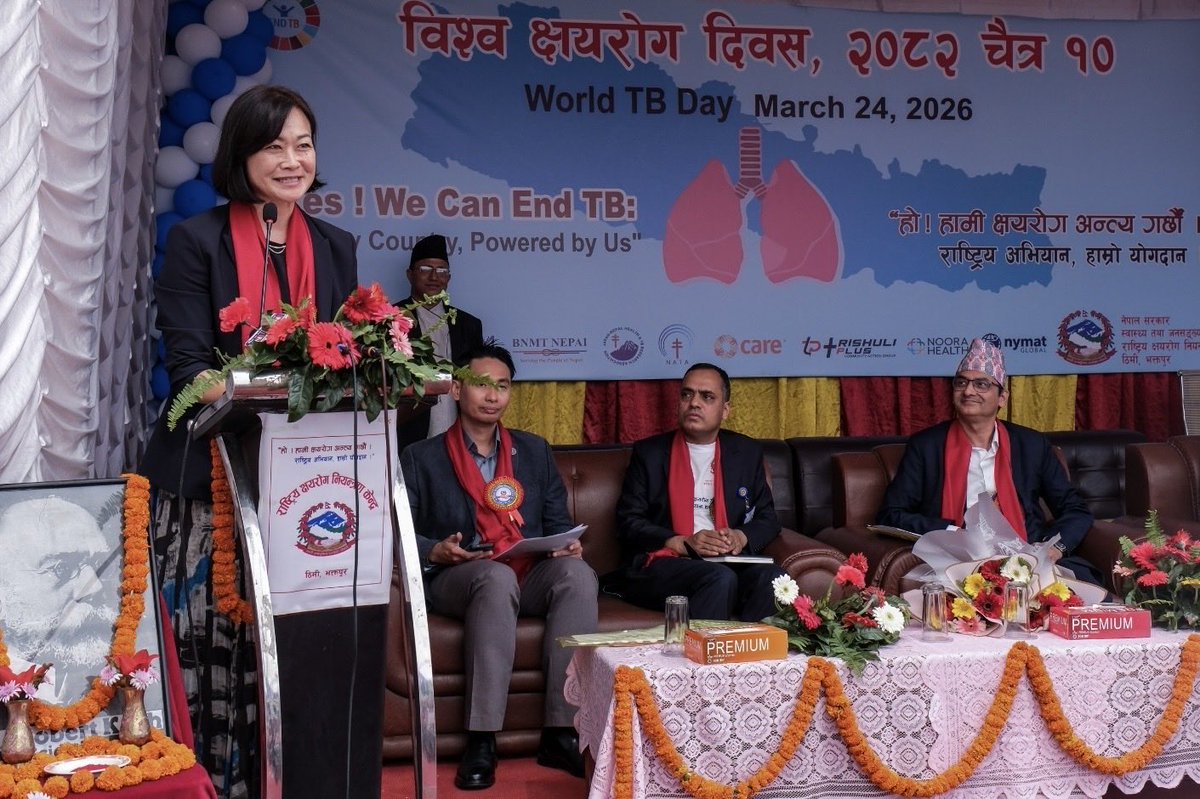
On #WorldTBDay, @UNDPNepal stands with the Government of Nepal (@mohpnep), the National Tuberculosis Control Center, and partners in reaffirming our shared commitment to end tuberculosis.
At today’s event, UNDP Resident Representative @KyokoYokosuka highlighted the country’s progress in expanding TB diagnosis and treatment—while underscoring the urgent need to close remaining gaps, especially among hard-to-reach and vulnerable populations.
As part of the Global Fund project, UNDP supports Nepal’s National TB Program through active case finding in remote areas, strengthening treatment adherence, addressing stigma, engaging private providers, and ensuring access to essential medicines and supplies.
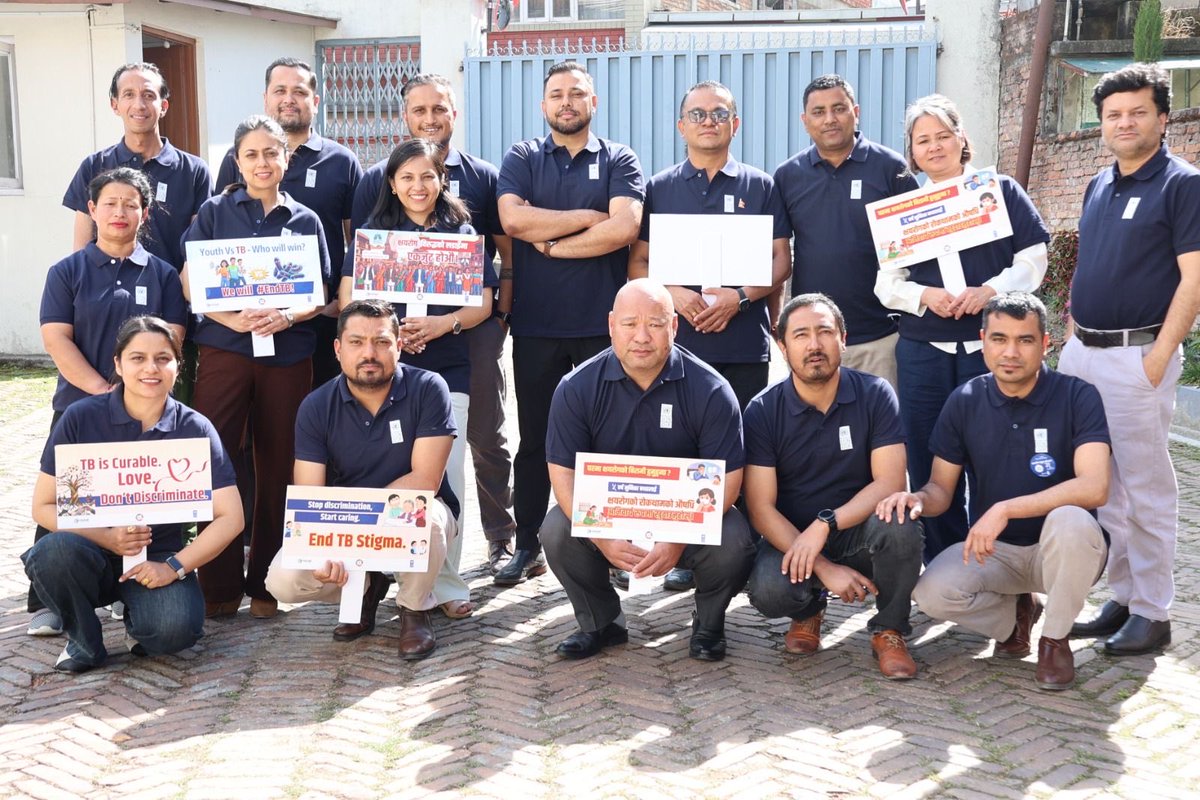
At the UN House, @UNDP staff also came together to share awareness messages and express solidarity with those affected by TB—reinforcing our collective commitment to ending the disease.
Ending TB requires sustained investment, innovation, and strong collaboration across all levels of government and communities. Together, we can ensure no one is left behind in the fight against TB.
⚡Powering livelihoods in Karnali
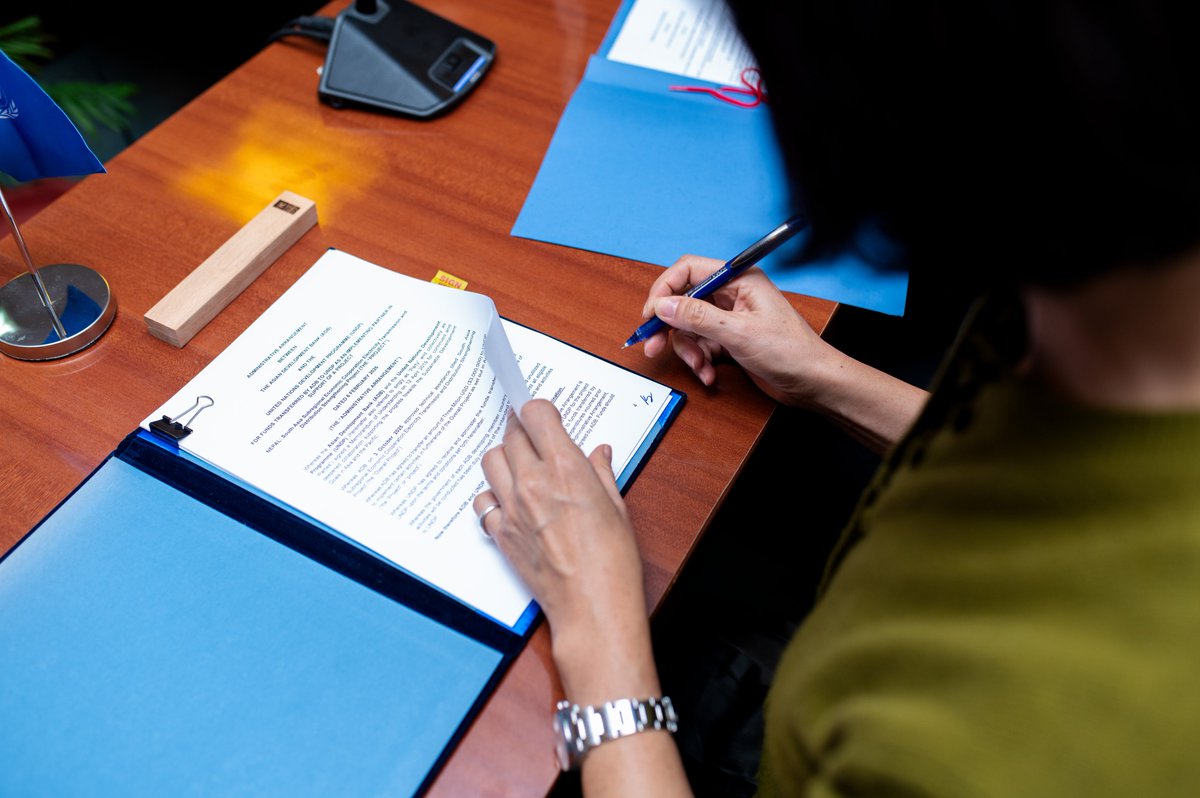
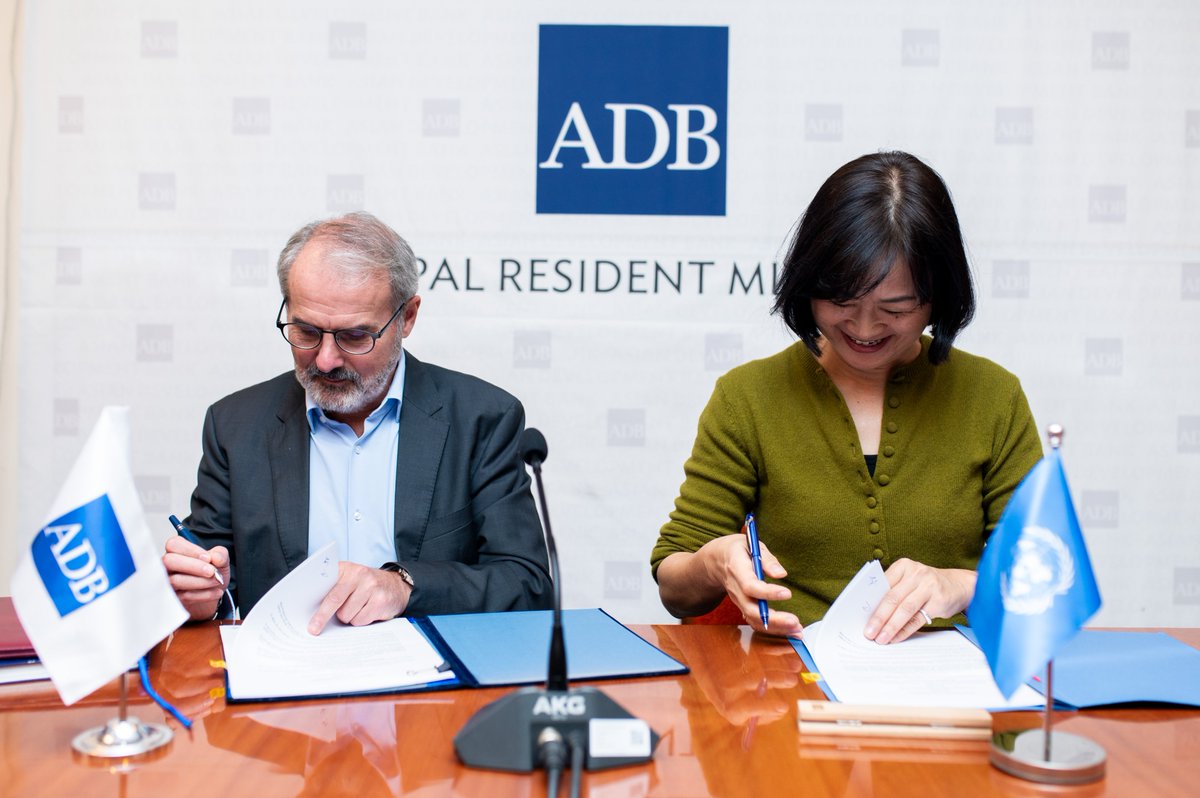
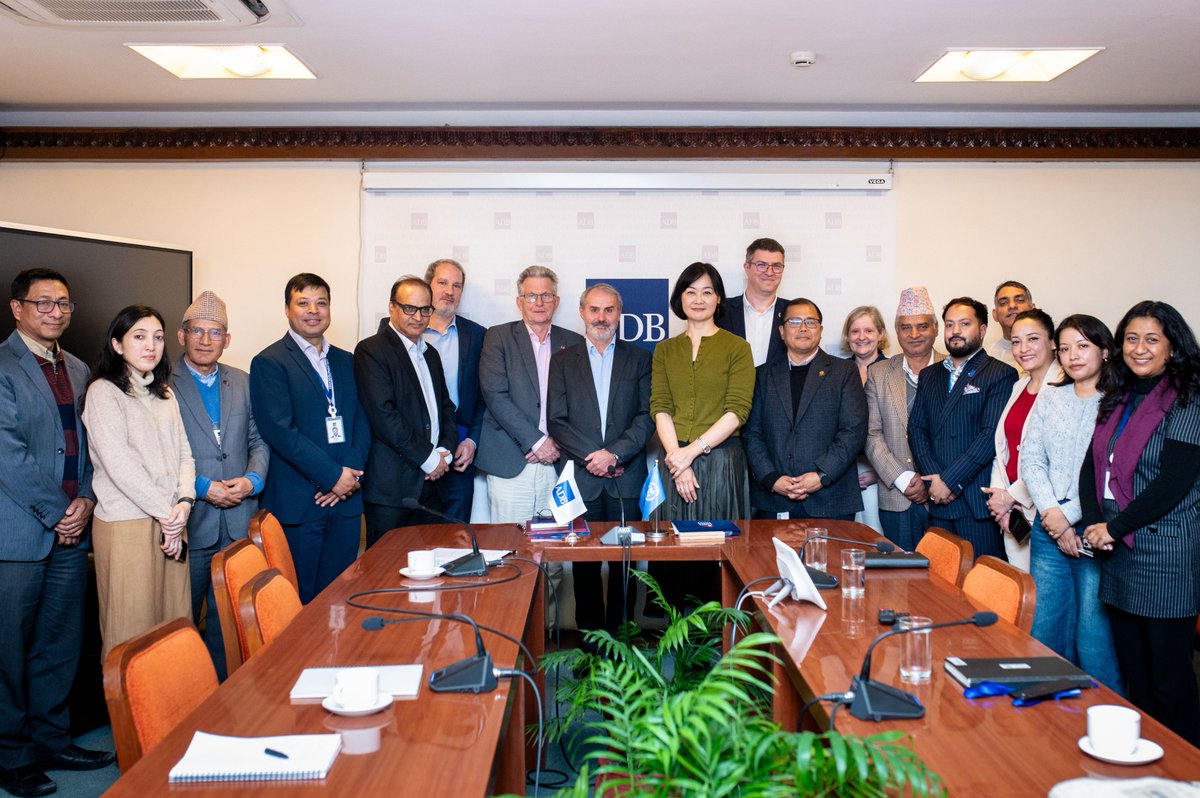
@UNDPNepal and the Asian Development Bank (@ADB_HQ) signed an agreement, with funding support from the Government of Norway, to expand inclusive and sustainable energy access in Karnali Province, complementing the National Electricity Authority’s efforts and ADB’s investments under the South Asia Subregional Economic Corridor program.
From improving micro-hydro grid connections to promoting gender equality, last-mile connectivity, and energy-efficient technologies, this initiative will support communities in Dailekh, Kalikot, and Jumla districts.
Together with ADB and Norway, UNDP is driving energy solutions that power livelihoods, inclusion, and climate resilience.
From prisons to urban slums, from AI-powered diagnostics to community outreach, Nepal’s TB response is evolving.
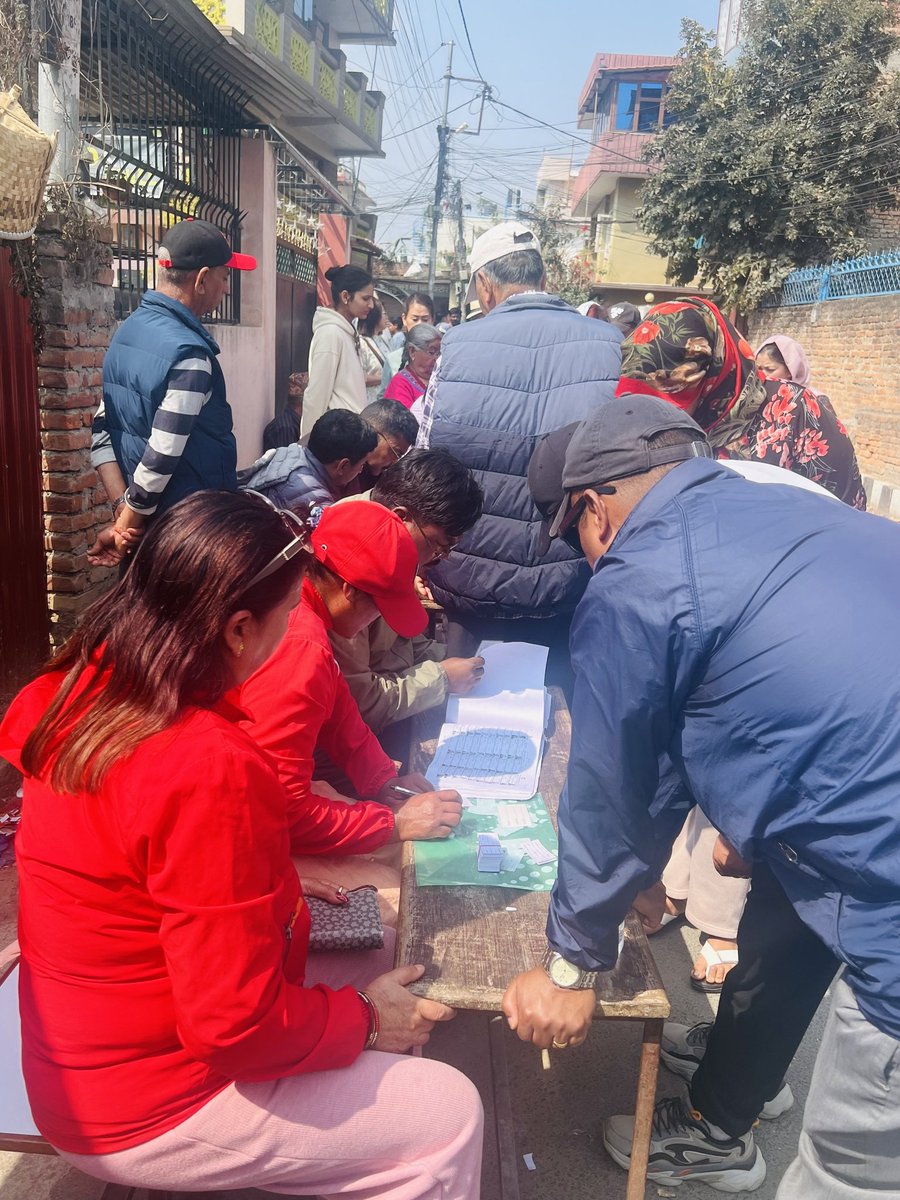
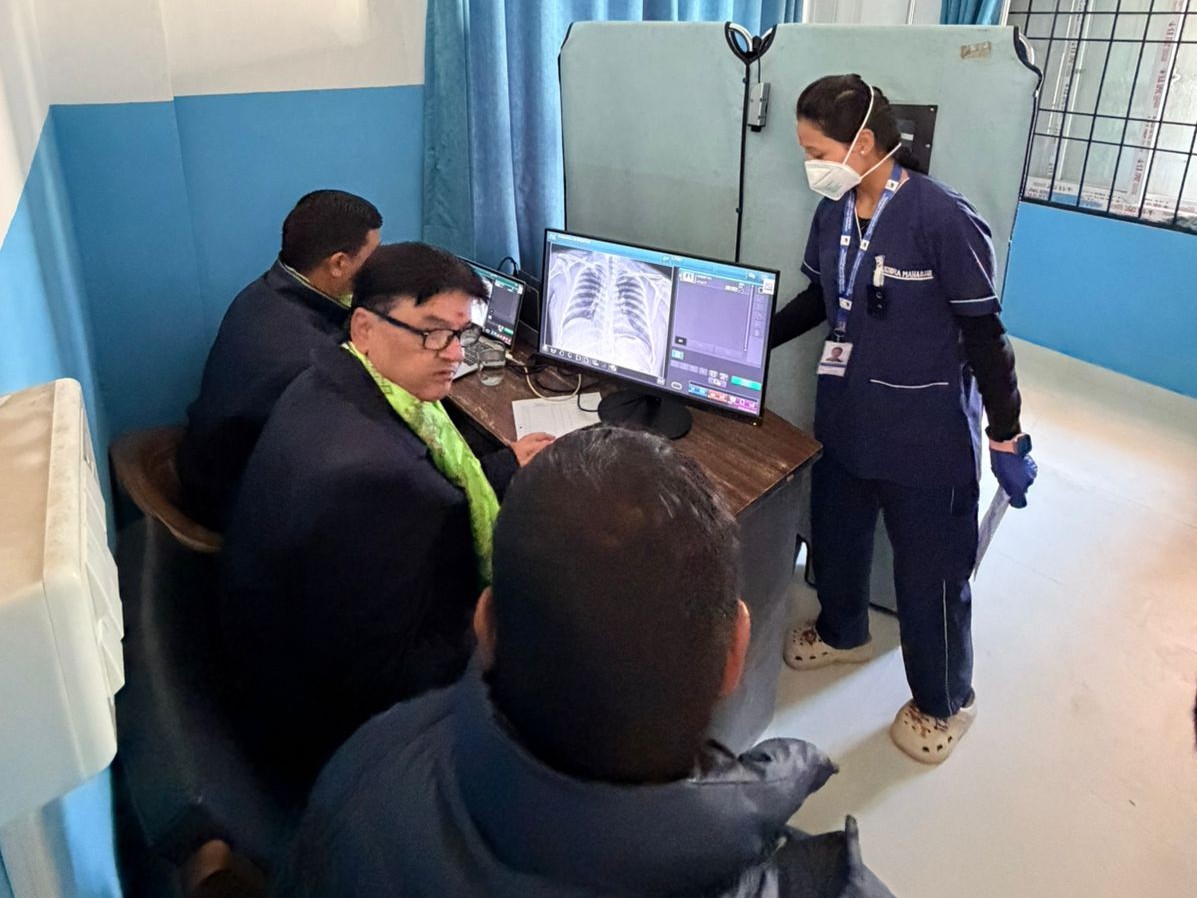
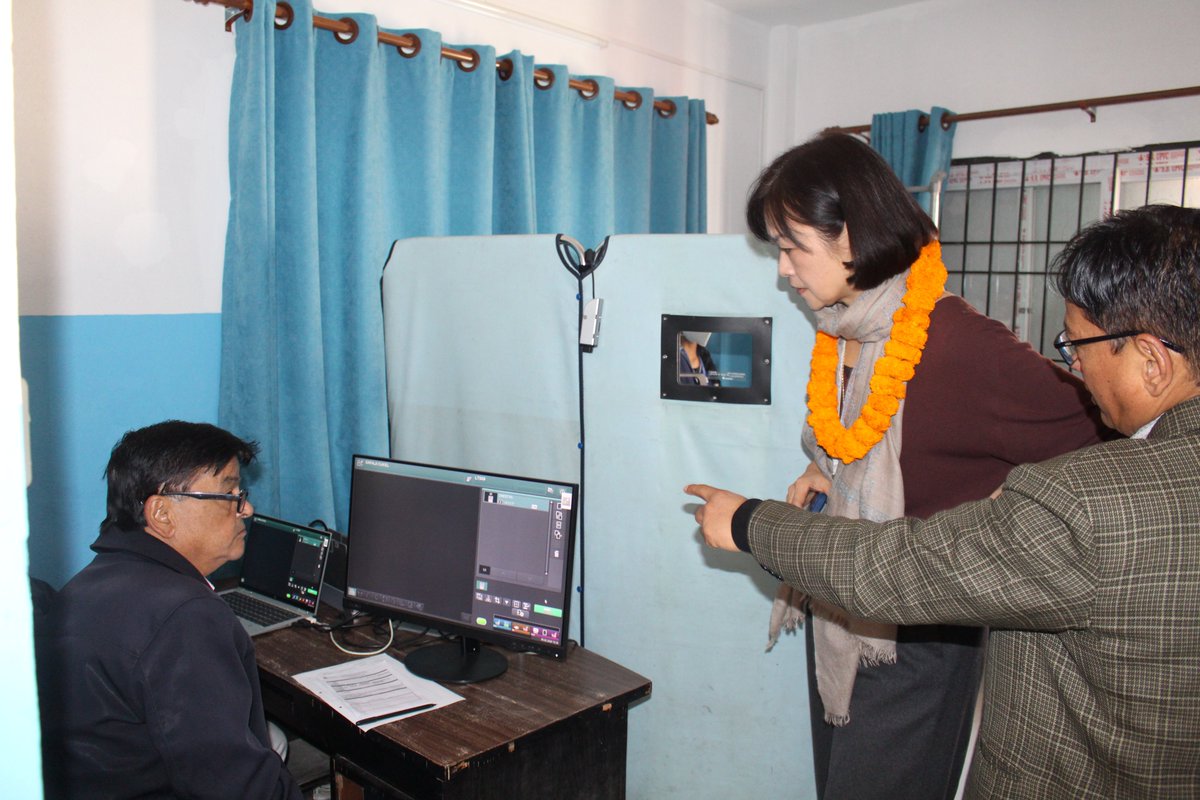
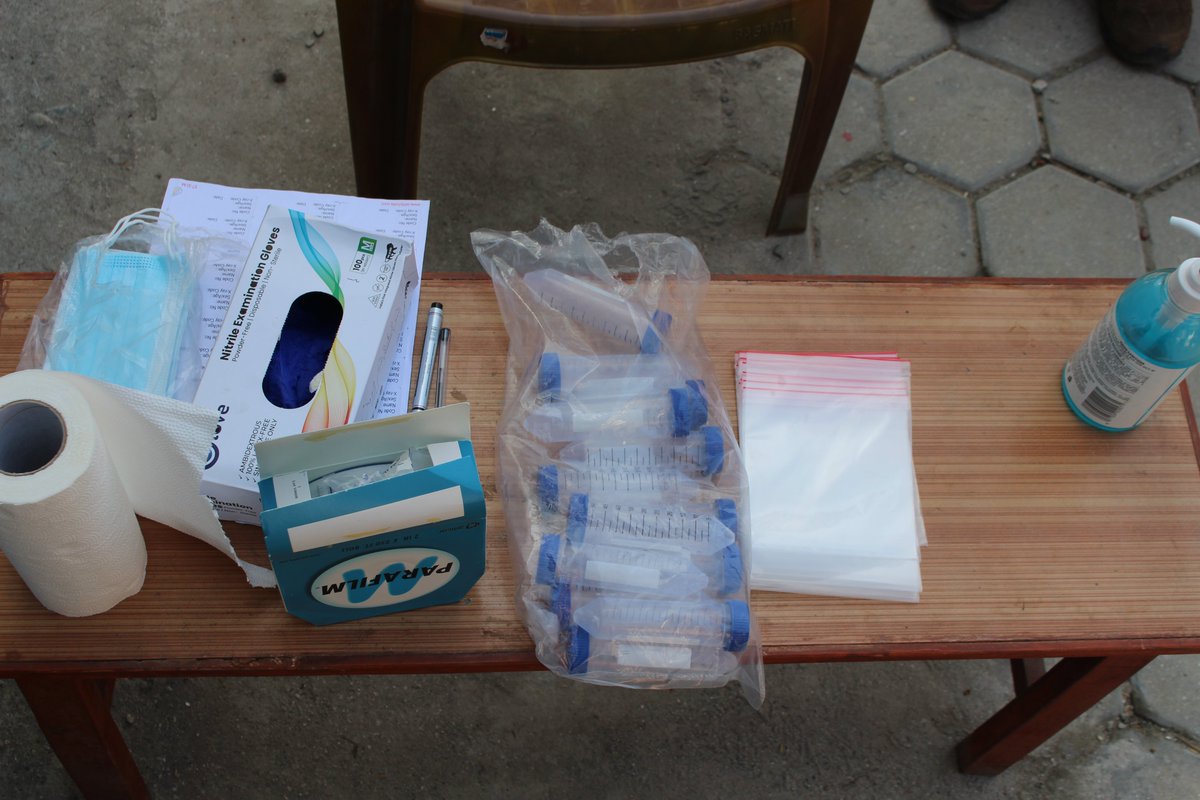
@UNDP Resident Representative @KyokoYokosuka visited an Active Case Finding (ACF) camp organized by TB sub-recipent, JANTRA Nepal reaching high-risk and hard-to-reach communities, and engaged in meaningful dialogue on progress, challenges, and opportunities. The ACF camp organized at Tarkeshowre municipality, Urban Health Clinic, Ward no. 4,Lolang height was conducted by hotspot mapping based on the TB prevalence in coordination with district and local health authority and with support of Female Community Health Volunteers (FCHVs) and other stakeholders.
JANTRA Nepal, an implementing partner of UNDP’s @GlobalFund project are conducting TB Active Case Finding across 11 districts in Bagmati and Gandaki Provinces, using innovative tools like AI-supported chest X-rays, GeneXpert testing, and strong community outreach.
Together, we remain committed to accelerating Nepal’s journey towards ending TB by 2035, ensuring no one is left behind.
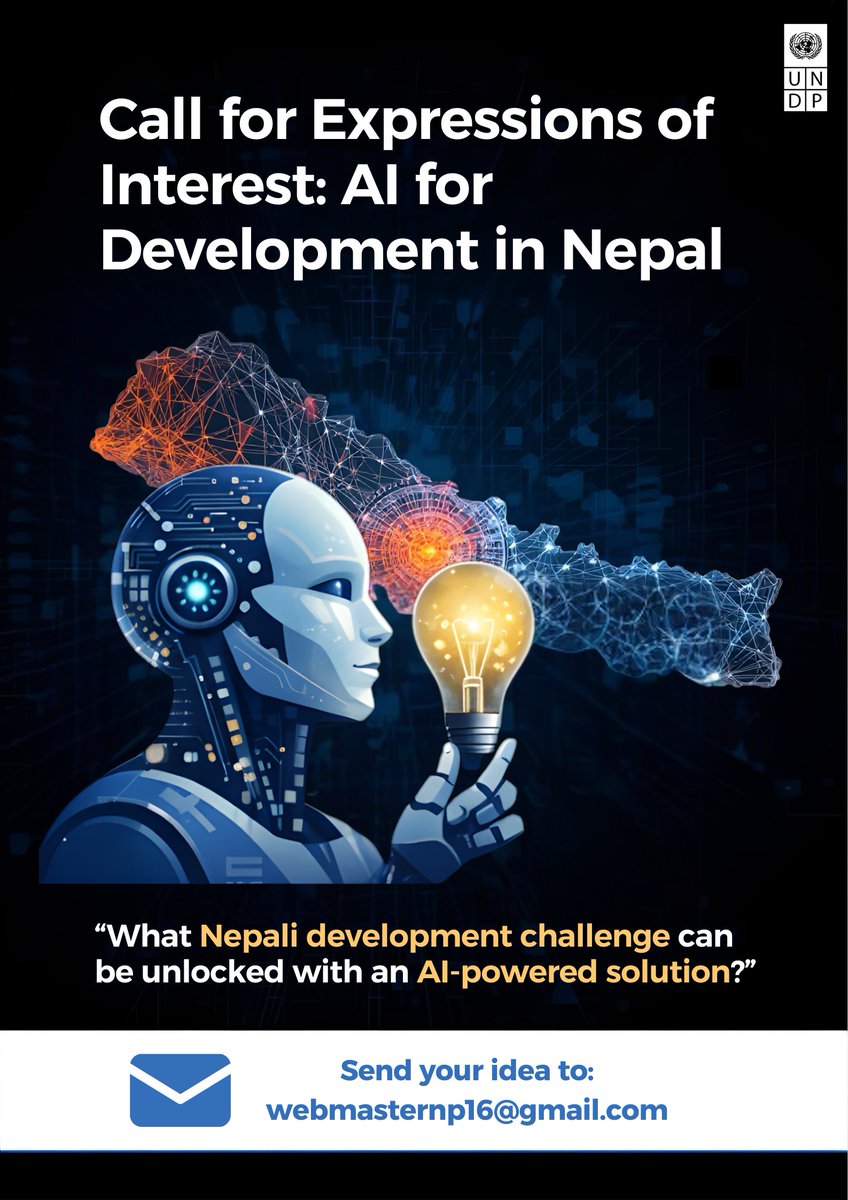
🔔 Call for Expressions of Interest: AI for Development in Nepal
As part of the event launching the @UNDP Regional AI Report in Nepal, we’re inviting innovators and changemakers to pitch on:
“What Nepali development challenge can be unlocked with an AI-powered solution?”
Selected applicants will get the opportunity to pitch their ideas at the national launch event, engaging with policymakers, development partners, and industry leaders.
Let’s explore how AI can accelerate inclusive and sustainable development in #Nepal. 🇳🇵🤖
📩 Send your idea to (max 500 words): [email protected]
🗓️ Deadline: 22 January 2026
Strong local governance depends on credible systems that turn performance data into actionable insight. A 2-day Training of Trainers on the Local Government Performance Assessment System (LGPAS) led by @MoFAGA and facilitated by #PLGSP
Thank you Christophe for your leadership and guidance. Will cherish your word of encouragement and challenging to perform better to improve larger populations live. 🙏🏿
If data collected are used for planning and programming, it can accelerate the progress. Great #BeniMunicipality for this great effort.
#LNOB#Digitalization
📍 Beni Municipality in Myagdi district is using data to deliver dignity.
Through the Socio-Economic Vulnerability Information Management System (SEVIMS) under UNDP’s Sambodhan Initiative, the local government is identifying real needs, preventing duplication of support, and reaching the most vulnerable fairly and transparently. Similarly, for the first time in Nepal, a software-based household information system has been integrated with QR-coded electronic house numbering, enabling real-time access to verified household and location details.
From livelihood grants to housing assistance, data-driven planning is helping ensure no one is left behind.
SEVIMS is now being used in multiple municipalities across Nepal.
🔗 Read more: https://t.co/2sJ9IE5BUb
“Decisions made now will determine whether AI becomes a tool for health equity or a driver of deeper disparities.”
In an op-ed for @bmj_latest, @Mandeep_dh sets out how to maximize AI’s positive potential for health progress.
#DigitalHealth
https://t.co/RS9YPpeE97
2025: A year of action, partnership, and progress.
Across mountains, cities, and communities, UNDP Nepal worked with people and institutions to advance inclusive growth, strengthen democratic governance, and build climate and disaster resilience.
UNDP is deeply grateful to our core donors for their longstanding and vital contributions at the global level. We are especially appreciative to those donors who extend their support directly to UNDP Nepal, turning shared commitments into real impact for people of Nepal.
As we step into 2026, our commitment continues, to deepen partnerships, scale solutions, and support a #Nepal that is more inclusive, resilient, and sustainable.
Because development doesn’t pause and neither do we.
For people. For the planet. For the future.
@NorwayinNepal | @SwissAmbNepal | @EUinNepal | @ECHO_Asia | @KOICA_ICC | @MofaJapan_en | @GerAmbKTM | @UKinNepal | @GlobalFund | @theGEF | @theGCF | @Sida
🎥 Watch our Year in Review 👇