AI 코딩 에이전트의 기억을 Obsidian에 심는 obsidian-mind
세션이 끝나도 컨텍스트가 볼트에 남아 다음 날 그대로 이어서 대화. star 5,000·fork 500 돌파 중임
Claude Code·Codex·Gemini CLI 지원, MIT 라이선스
링크: https://t.co/L62aMzf71G
We'll be spending a lot more time trying to understand the outputs of language models. A few thoughts, tips & tricks:
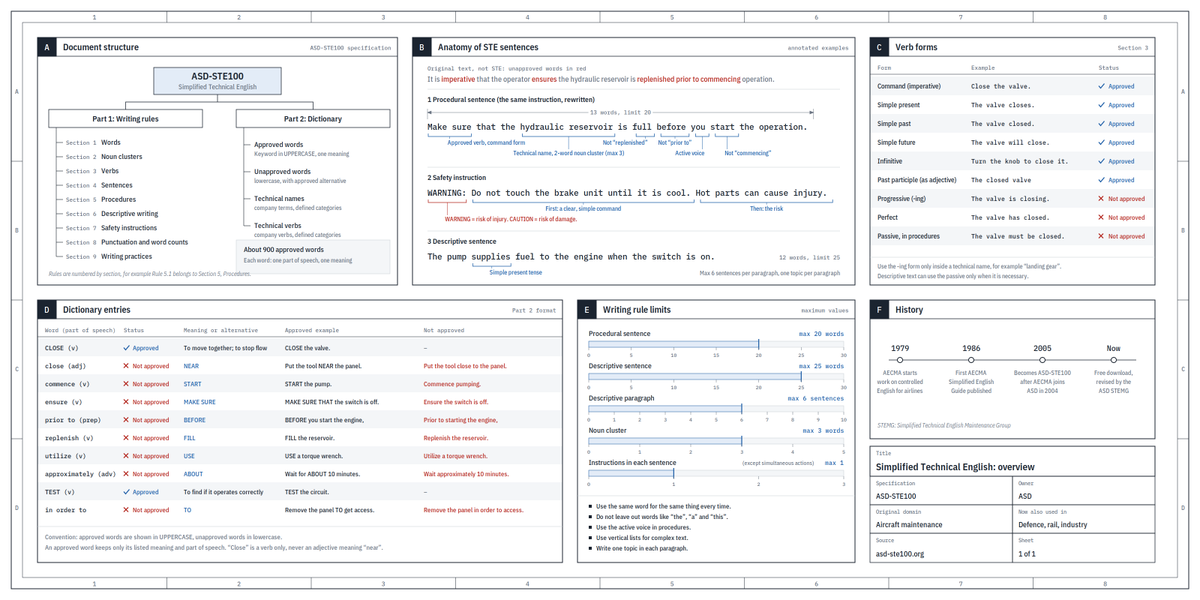
Writing. Something I've had success with: Ask your LLM to explain something in ASD-STE100, it's a controlled language specification originally developed for aerospace maintenance documentation. LLMs well-versed in this language and it comes with heavy constraints on clean writing style that I often find a lot more readable. Sometimes I've tried to soften it a bit e.g. ask for "80% of the way to ASD-STE100" because the spec is quite stringent. But even better:
Diagrams / images. Instead of writing, ask your LLM to create a diagram. These can be a lot easier to process, parse, and understand. But even better:
Web pages. Ask for output "in HTML" to get a beautiful, interactive webpage. LLMs are getting really good at frontend and can create beautiful experiences, animations, etc. But even better:
Explainer videos. The output format I am most bullish on is fully custom / bespoke explainer videos generated on any arbitrary topic. Experiment with things like "Create a 3b1b style video explainer on X. Use my ElevenLabs API key for audio narration". (you'd need an API key for the latter or you can ask your LLM to find you decent free alternatives that use your local compute). This is actually starting to work!
In summary:
- As LLMs get better, they will do more and more of the legwork autonomously, and a lot more of our work will rise up the abstractions into oversight and understanding.
- Luckily, LLMs can help here too because as intelligence and code are increasingly abundant, you can ask for large, custom, discardable software artifacts (e.g. web apps, video explainers) that would have never made sense to create before. Push the boundaries here and you'll be surprised.
경제신문 무료로 보는 법.
이거 모르는 사람 은근 많을것 같은 꿀팁이라 공유함.
국립중앙도서관에서 ‘정기이용증’을 발급받으면 PressReader를 무료로 이용할 수 있음.
1.국립중앙도서관 홈페이지 회원가입
2.신분증 들고 국립중앙도서관 한 번 방문
3.정기이용증 발급
4.이후에는 집에서 홈페이지 로그인
5.자료검색 → Web DB → 국외DB → PressReader
끝.
PressReader에서 국내외 신문,잡지를 볼 수 있고, 국립중앙도서관 기준 최근 90일 발행분까지 제공됨.
단점은 처음 정기이용증 만들 때 국립중앙도서관을 한 번 가야 한다는 것.
한 번 만들어두면 마지막 이용일 기준 5년간 유효함.
경제신문 매달 돈 내고 보는 사람이라면 서울 갈 일 있을 때 하나 만들어두는 것도 괜찮을 듯.
어차피 세금 냈으면 이런 건 야무지게 뽑아드시길.
EL GANADOR DEL HACKATHON DE ANTHROPIC HA PUBLICADO SU “EQUIPO DE INGENIERÍA” COMPLETO
68 subagentes. 286 skills. 94 comandos. Licencia MIT.
ECC convierte Claude Code de un simple asistente en un equipo completo de ingeniería.
Primero planifica, después construye.
Escribe el test que falla antes de implementar y luego revisa su propio trabajo desde un contexto completamente nuevo.
Los agentes, por función:
→ Planificación: convierte una petición de una sola línea en un plan detallado que puedes aprobar antes de escribir código
→ Revisión: analiza tus cambios desde un contexto limpio, con revisores específicos para Go, Python, TypeScript, Rust, Java y más
→ Reparación: solucionadores específicos para cada stack, incluso para errores de PyTorch y CUDA
→ Seguridad: revisión basada en OWASP y un scanner que analiza la configuración de tus agentes en busca de riesgos de inyección
→ Arquitectura: diseña el sistema antes de convertir las decisiones en migraciones
→ Trabajo especializado: bases de datos, pipelines de ML, tests end-to-end, documentación y mucho más
Las skills también están organizadas por categorías:
→ Testing: tdd-workflow, eval-harness y verification-loop
→ Lenguajes: Python, Go, Rust, C++, Django, Laravel, Spring Boot, Next.js y más
→ Contexto: search-first consulta la documentación antes de escribir y iterative-retrieval evita meter todo tu repositorio en el contexto
→ Deploy: Docker, CI/CD, health checks, rollbacks y migraciones para Prisma, Drizzle y Django
→ No-code: escritura adaptada a tu estilo, investigación de mercado con fuentes, pitch decks y presentaciones
Y un consejo importante:
No instales las 286 skills de golpe.
Empieza con un plan y un único pack de reglas. Tener más skills no significa necesariamente obtener mejores resultados.
Este setup demuestra hasta dónde puede llegar Claude Code cuando dejas de tratarlo como un simple chatbot y empiezas a construir alrededor de él.
💌필수 한국어 스킬 정리
“한국어 스킬 좋다는 건 많은데... 그래서 뭐 깔아?🤔”
딱 3개로 정리해드립니다.
<참고 자료>
-국어국문학(출력부터 자연스럽게)
-한국 번역학(AI 티 삭제)
-국립국어원(맞춤법)
공신력 있는 데이터를 기반으로 만들어진 클로드 스킬들입니다.
필수 스킬과 별개로, 마케팅/번역/기술서 전용 한국어 스킬도 파일 안에 첨부했습니다☺️
🔗 https://t.co/E1CIM8hamq
Flexible Authentication - 수백만 사용자를 위한 Airbnb의 인증 재설계
계정을 먼저 식별한 뒤 이력/지역/플랫폼에 따라 서버가 성공 가능성 높은 인증 수단을 선택하고, 막히면 다른 수단으로 전환
인증 성공률 2.6% 상승, 중복 계정 27% 감소, SMS OTP 비용 11% 절감
https://t.co/UUBLiue7oN
Dos economistas demostraron matemáticamente que la IA destruirá la economía.
Investigadores de Wharton y la Universidad de Boston publicaron un artículo aterrador titulado "The AI Layoff Trap".
Mapearon el fin del juego económico de la transición a la IA, y expone un defecto fatal en el capitalismo competitivo.
Cuando una empresa reemplaza a un trabajador con IA, captura el 100% de los ahorros salariales.
Pero ese trabajador desplazado también es un consumidor. Cuando pierden su empleo, dejan de comprar cosas.
La empresa obtiene todos los ahorros, pero la pérdida de la demanda del consumidor se distribuye por toda la economía.
Si hay 20 competidores en un mercado, un CEO solo absorbe 1/20 de los daños económicos que sus despidos acaban de crear.
Por lo tanto, cada CEO racional tiene un incentivo matemático para automatizar lo más rápido posible.
Pueden ver literalmente el precipicio acercándose, y aun así pisan el acelerador.
Desata un Dilema del Prisionero inevitable. Si no automatizas, tus competidores lo harán, y te aplastarán en precio.
No solo daña a los trabajadores. Destruye las empresas también.
La economía queda atrapada en una carrera armamentística de automatización. Las empresas despiden a su fuerza laboral para mantenerse competitivas, hasta que toda la base de consumidores queda completamente vaciada.
En el límite, el artículo concluye: “Firms automate their way to boundless productivity and zero demand.”
¿Y la parte más aterradora?
Los investigadores probaron matemáticamente cada solución popular.
¿Ingreso Básico Universal? Falla. Eleva el nivel de vida pero no cambia el incentivo corporativo para recortar empleos. ¿Reconversión? Falla. ¿Equidad para trabajadores? Falla.
El artículo demuestra que más competencia hace que el colapso ocurra más rápido. Y una IA "mejor" hace que el daño sea peor.
Lo único que matemáticamente detiene el colapso es un impuesto a la automatización dirigido, obligando a las empresas a pagar por el poder adquisitivo que destruyen antes de automatizar el empleo.
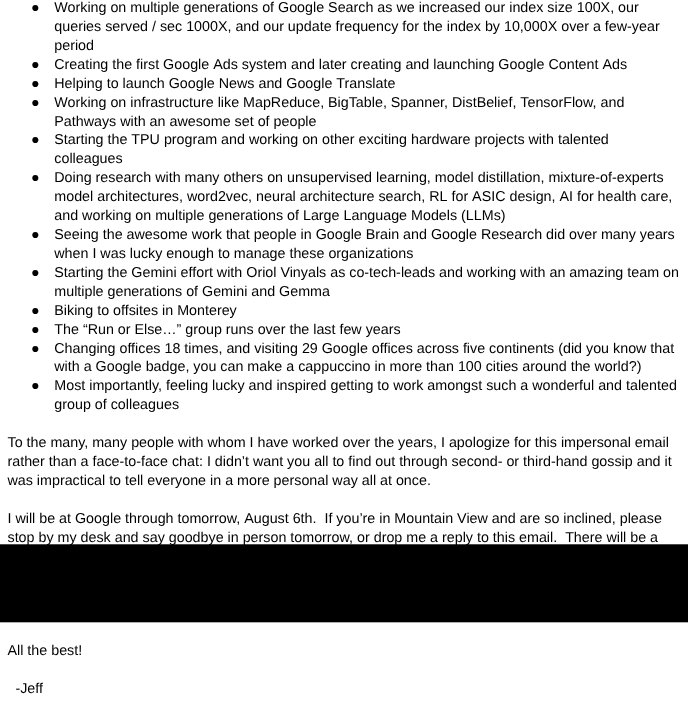
Tomorrow will be my last day at Google after 27 years, and watching it grow from 25 people to 190,000+ has been an amazing journey. Below is a note I shared with many people internally at Google today. An excerpt is:
It has been an absolute pleasure to work with you and to help build some of the most widely used and impactful products of all time. As a kid, I dreamed of helping build software that would be used by many people, and Google now has thirteen products used by more than a billion people (amazing!). Our work has had a tremendous impact in the world, and I have been lucky enough to collaborate and form friendships with many colleagues that I deeply admire, respect, and enjoy. It still brings me joy every time I see people out in the world using our products to find information, handle email, translate documents, watch videos, learn new things, navigate and understand the physical world, browse the web, use their phone, run large-scale computations on our infrastructure, ride in an autonomous vehicle, or perform complex tasks with the help of our AI systems. I hope you all share this sense of joy, because it is a shared accomplishment! Thank you to all of my colleagues at Google over many years!
Now I'm excited to go start @DiscoLoopAI with my longtime friends and colleagues @Sanjay_Ghemawat, @OriolVinyalsML, and @quocleix.
(Updated post: slightly redacted to not have some personal info)
Google just released free 2-hour course on full agent engineering: 1 prompt → agent teams → loops → graphs from 0% to 100%:
10% → 38:46 - build your first agent
30% → 54:46 - connect MCP tools
55% → 1:12:43 - Loop engineering: 4 ways to run agents
70% → 1:20:57 - Graph engineering
100% → 2:22:31 - the full system that works while you sleep
most people build one agent and stop there - this is the full path to a system that runs without you from scratch
watch it today - then read the full graph engineering playbook below ↓
제 X 계정이 해킹되어 오늘 새벽 코인 CA가 포함된 글이 무단 게시됐습니다. 제가 쓴 글이 아닙니다.
OpenMMO는 토큰을 발행한 적도, 계획도 없습니다. 제 이름이나 OpenMMO를 내세운 모든 코인·CA는 사기입니다.
피해 입으신 분들께 죄송합니다. 계정은 복구했습니다.
"소프트웨어 엔지니어를 전부 자동화하면 우리는 얼마나 부유해질까요? 답은 2%입니다."
스탠퍼드 성장이론 대가 채드 존스(Chad Jones)의 5월 강연임. 이 사람은 지금 Anthropic에 합류해 있음.
논리가 깔끔함. 트랜지스터는 1억 배 늘었는데 우리는 1억 배 부유해지지 않았음. 어떤 작업이 무한해져도 GDP는 그 작업의 비중만큼만 오름. 소프트웨어는 GDP의 2%임. 그래서 무한 소프트웨어 = +2%.
이유는 약한 고리임. 하나만 잘 자동화하면 나머지 전부가 병목이 됨. 폭발 성장이 오려면 한 분야가 아니라 약한 고리를 계속 자동화해야 한다는 것.
AI 낙관론과 비관론이 이 한 계산에 다 들어 있음.
앤트로픽이 "전 세계 클로드 사용자 데이터"를 무료로 풀었습니다
Economic Index 커넥터
클로드 채팅창에서 곧바로 공식 클로드 사용자 데이터를 조회하는 미친 기능입니다.
질문할 수 있는 것들:
· "AI를 가장 많이 쓰는 직업은?"
· "사람들이 AI로 제일 많이 자동화하는 업무는 뭐야?"
· "개발자들은 클로드로 어떤 업무를 처리하나?"
· "우리 도메인에 대해 이 데이터가 말해주는 건?"
세팅법:
1. https://t.co/Qe1S7HBccv에서 + 버튼 > 커넥터 > connector 추가 > 커넥터 둘러보기
2. anthropic economic index 검색 > 커넥터 연결
3. 커넥터 활성화 > 질문 던지기
📌 마이크로소프트가 조용히 온톨로지 배우는 놀이터를 열었다 (깃허브 뜯어보니 진심이었음)
•온톨로지: 어떤 분야의 사물 종류와 관계를 정의하는 설계도, 데이터가 아니라 데이터의 틀
•RDF/OWL: 온톨로지를 표현하는 표준 규격, XML 기반이라 사람이 직접 안 짜도 됨
•Fabric IQ: 마이크로소프트 데이터 플랫폼과 연결되는 포맷 지원
•코드 없이: 마우스로 엔티티, 속성, 관계 그리면 실시간으로 그래프가 그려짐
1) 이게 왜 재밌냐면. 온톨로지는 원래 진입장벽이 은근 높은 개념이다. XML 스펙 붙잡고 씨름해야 했는데, 이 툴은 그걸 그냥 도형 그리기로 바꿔놨다. 왜냐하면 라이브 그래프 미리보기가 있어서, 만드는 동시에 결과물이 눈에 보이기 때문.
2) 학습 커브도 신경 썼다. 기초 개념 6개 아티클 & 도메인별 실습 경로(커피숍, 이커머스, 금융, 의료 등) 7종까지 단계별로 구성돼 있다. 반면 그냥 툴만 던져놓은 게 아니라 “여기서 배우고 바로 만들어봐라”는 학습 설계가 촘촘한 편.
3) 제일 흥미로운 부분은 커뮤니티 기여 구조. 깃허브 로그인하면 앱이 알아서 저장소를 포크하고, 브랜치 만들고, PR까지 자동으로 올려준다. 어쩌면 이게 진짜 노림수일 수도. 온톨로지를 배우게 만드는 동시에, 마이크로소프트 생태계로 커뮤니티 기여자를 끌어들이는 구조일 수 있다.
💬 데이터 스키마 짤 일 있는 사람이면 한 번 만져볼 가치 있음. 아직 Preview 단계라 기능은 계속 바뀔 듯. 🕸️
#온톨로지 #MicrosoftFabric #메타인지팩트체크
🔗 참고한 정보:
•Ontology Playground 기능 개요, RDF/OWL 임포트/익스포트, 커뮤니티 카탈로그 PR 자동화 — https://t.co/tkek3R5sYC
•온톨로지 기초 개념 및 RDF/OWL 표준 설명 — https://t.co/Iecz0Lk3jK
UN PROGRAMADOR ACABA DE LOGRAR LO QUE GOOGLE LLEVA AÑOS PASANDO POR ALTO
Desarrolló un navegador en rust creado específicamente para automatizar procesos, hacer scraping web y potenciar agentes de IA
> Solo consume 30MB de RAM
> Las páginas cargan en apenas 85ms
> Bloquea automáticamente más de 3.500 trackers
> Elimina anuncios, analíticas y scripts de rastreo
Se llama Obscura
Y tiene algo que Chrome nunca va a poder ofrecer
Cada sesión genera una huella completamente distinta. GPU, canvas, audio, batería… todo se randomiza
Ningún detector lo identifica porque se comporta exactamente igual que un Chrome real
Es el reemplazo directo de Puppeteer y Playwright
Sin Node.js. Sin dependencias. Un solo binario
Ya supera las 16k estrellas en GitHub. 100% open source. Totalmente gratis
Guárdalo antes de que se te olvide, es una joya 📄
재미삼아 쓴 '갹출'에 대한 글이 예기치 못하게 흥행하면서 이 흥행을 끝내기 위해 한 번 더 비슷한 글을 써 봅니다. 지금까지 제 경험 상 비슷한 글을 또 쓰면 결국 관심에서 잊혀졌던 바..
새로 들고 온 단어는 '강퍅(剛愎)' 입니다!
사람 성격을 이야기할 때, '괴팍하다'는 나름 흔한 단어입니다. 그런데 '강퍅하다'라는 단어를 보면 잠깐 멈칫하게 되죠. 팍이 아니라 '퍅' 이라니!
퍅(愎)의 훈은 '강퍅할' 인데, 이를 풀어쓰면 '성격이 까다롭고 고집이 세다'는 뜻을 가지고 있습니다. 그런데 한자로 강퍅은 '剛愎', 괴팍은 '乖愎'을 씁니다. 뒷 글자는 愎로 같은데 발음은 살짝 다르죠.
퍅(愎)은 마음 심(忄)에 돌아올 복(复)을 붙인 글자입니다. '남이 무슨 말을 하든 튕겨내고 제 고집으로 되돌아가는 마음' 같이 느껴지죠?
강퍅 VS 괴팍
剛愎(강퍅) : 굳셀 강 + 퍅. 힘이 세서 안 듣는 고집.
乖愎(괴팍) : 어그러질 괴 + 팍. 결이 비틀려서 안 맞는 고집.
참고로 본래 괴팍하다 역시 '괴퍅하다'였는데, 다수가 '괴팍'으로 발음하자 어느새 '괴팍하다'가 표준어로 인정되기에 이릅니다. 이제는 '괴퍅하다' 라고 쓰면 오히려 틀린 게 됩니다.
반면 강퍅(剛愎)은 '괴팍' 대비 일상에서 거의 쓰이지 않았습니다. 그래서 원래 음인 '강퍅' 그대로 사전에 남아 있습니다. 자주 불린 단어(괴퍅)는 닳아서 '팍'이 되고, 그렇지 않은 단어(강퍅)는 '퍅'이 그대로 보존된 것입니다.
<춘추좌씨전>의 진(晉)나라의 장수 선곡(先縠)에 대한 평을 보면 '강퍅하다'는 단어가 등장합니다.
剛愎不仁, 未肯用命.
강퍅하고 어질지 못하여, 명을 따르려 하지 않는다.
선곡은 총사령관의 방침을 무시하고 독단으로 군을 움직였다가 초의 장왕에게 대패합니다. '강퍅'이 생각보다 오래된 단어임을 알 수 있습니다.
이상 알아봐야 쓸모없는 한자 '퍅!'이었습니다.
'갹출(醵出)'을 아십니까?
술자리의 술값은 '각출'할까요, '갹출'할까요?
술자리의 술값 중 자기가 먹은 것을 각자 따로 계산하면 '각출'이고, 술값 총액을 지불하기 위해 나누어 내면 '갹출'입니다.
1. 각출(各出) : 각자 내놓다
= 各(각각 각) + 出(날 출)
글자 그대로 '각자 내놓음, 각자 나옴'의 의미입니다. 초점은 '각자'에 있지요. 각자의 비용을 각자 지불하는 것입니다.
※ 예시 : 수해가 발생하자 재벌 그룹들이 성금을 각출했다.
여러 주체가 저마다 따로 내놓는 그림으로, 하나의 목적을 위해 모은다는 의미는 다소 약합니다.
2. 갹출(醵出) : 한 목적을 위해 나눠 내다
= 醵(추렴할 갹) + 出(날 출)
하나의 목적, 공동의 비용을 위해 여러 사람이 돈을 나누어 내는 것입니다.
※ 예시1 : 술값을 갹출하다.
※ 예시2 : 경조사비를 갹출해 전달했다.
아무래도 갹(醵, 추렴할 갹)자가 낯설다 보니 많은 사람들이 대부분 익숙한 각(各, 각각 각)으로 대체해 사용하는 편이지요.
참고로 갹(醵)의 뜻인 '추렴하다'는 그 자체로 '모임/놀이/잔치 같은 일을 위해 여러 사람이 돈을 조금씩 내어 비용을 모으다' 라는 뜻입니다.
그래서 아래와 같이 '추렴하다'라는 단어를 쓸 수 있어요. 근데 이 단어를 알아듣는 분들이 얼마나 있을까요..
※ 예시1 : 밥값을 여럿이 추렴하여 지불했다.
※ 예시2 : 넷이서 돈을 조금씩 추렴해서 선물을 해 줄까?
그럼 어떻게 쓰면 좋을까요? 오늘 '갹출'을 알았다 하더라도 어차피 주변은 변화하지 않습니다. 고로 '각출' 이야기가 나오거든 편하게 관성대로 쓰셔도 무방합니다.
역시 긴 글을 읽었지만 아무 의미 없었지요? 이상으로 '알아봐야 쓸모없는 한자 시리즈' 였습니다.