@Yozsefu Ask me who is tours and safaris , the rate at which we are refunding tourists is alarming after the United states put Uganda at level 4 travel Advisory.
US INTELLIGENCE NETWORKS INFILTRATED by HACKERS — NYT
CIA and ODNI uncover ‘CYBERSECURITY BREACH’ — insist only ‘UNCLASSIFIED INFO’ was exposed
OPEN-SOURCE INTELLIGENCE ANALYSIS SYSTEM COMPROMISED
Eh. Wow.. but the sycophants will never see this. They will say @AloikinOpoloje deserves to be abducted and jailed for making a reference to cabbage or all the young people that have said the truth on TikTok should spend months and years in prison because they are “abusing” and not civil.. we get the “leaders” we deserve indeed.
Shortly, i will post here other pieces of a leaked INTERNATIONAL INTELLIGENCE REPORT dosssier, also quoted in a CIA report of "COMPROMISED meds&vaccines.... which have been sent to Africa, Latin America and the Caribbean between 1997 and 2915.......You will be shocked!
But the most tragic thing of all this is that MOST OF OUR AFRICAN GOVERNMENTS KNOW THIS, but they choose to keep silent for the MONEY AND POWER-😪
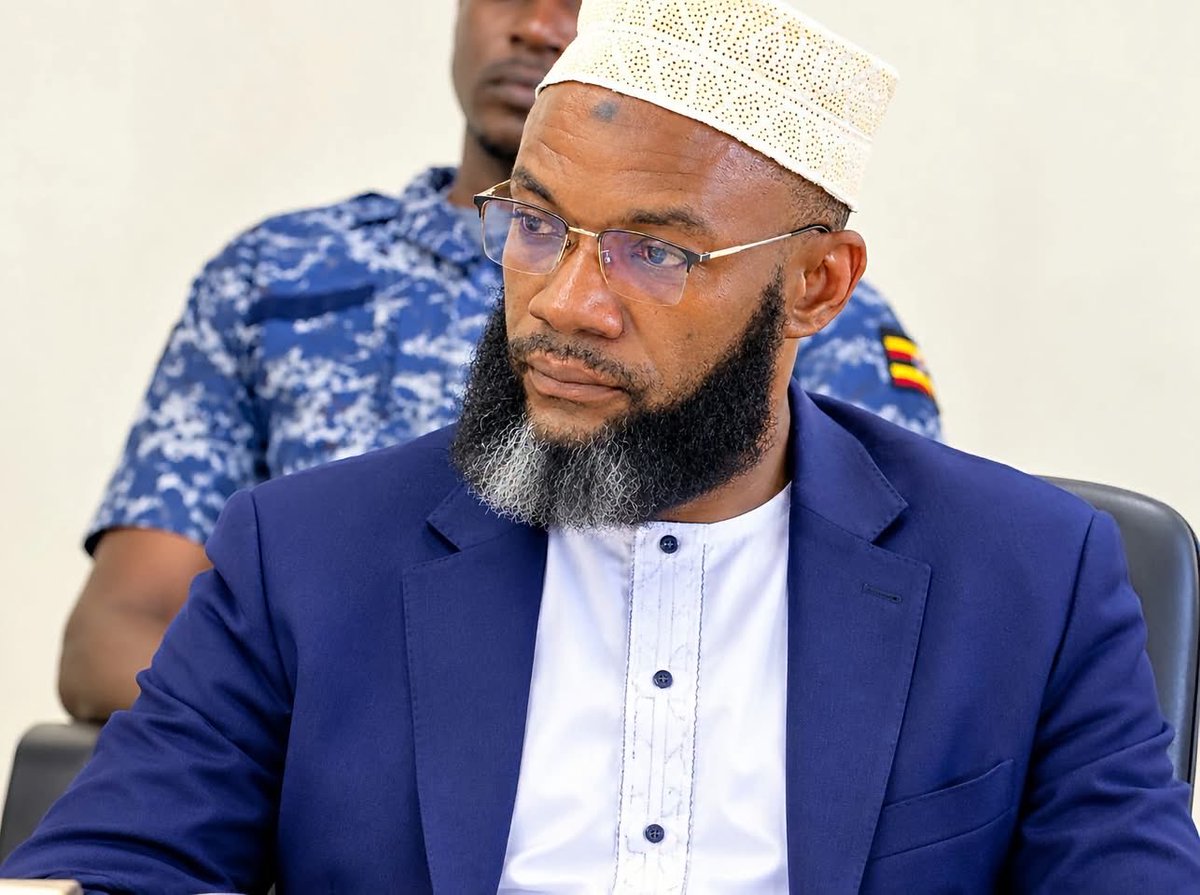
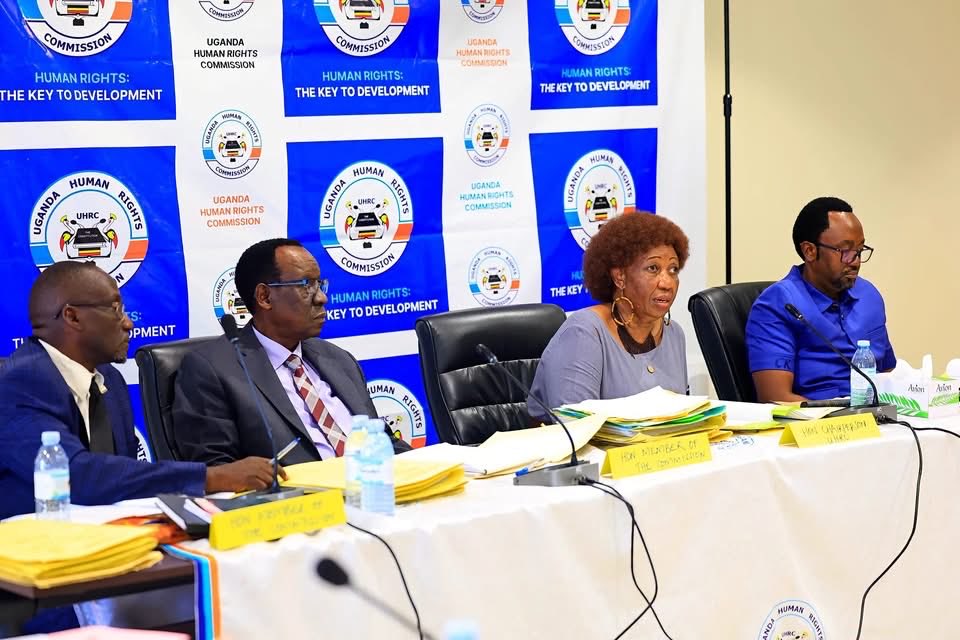
HEART BREAKING: Meanwhile, the Uganda Human Rights Commission (UHRC) tribunal awards UgShs 100M to compensate the family of a renowned muslim cleric, Mustafa Sajjabi, who was tortured and buried by unidentified state operatives without the family's consent amid the popular 2002 Wembley Operation.
According to the reliable reports, Sheikh Mustafa Sajjabi, was beaten to death following his abduction over allegations of possessing firearms which was discovered by the family after the tragedy before exhuming his body remains over 20 years ago for a decent send off at their ancestral home.
In the the judgement issued by the Uganda Human Rights Commission (UHRC) Chairperson, Mariam Wangadya, rules that the security operatives who executed the orders violated the right to life of Mustafa, thus ending his life following his arrest and also cautioned that the compensation should be shared among the three (3) widows and thirteen (13) orphans the residents of Mayuge District, inclusive of the person who filed the complaint to pursue justice on behalf of the disgruntled family.
@slamdunkkbac They will sell out , the regime will pick a few of your so called leaders bribe them and things will go normal as usual unless we Ugandans stand up to put an end this regime trust me nothing will change. the system needs an overhaul.
William Baliza, 17, has been missing for 275 days since he was abducted from his home on February 10, 2026, by armed men in military uniform.
The men searched his father's phone before taking William, accusing him of planning to protest against police brutality and Uganda's education system following the January elections. They said they were taking him to the Special Investigations Unit but provided no arrest reference number.
More than eight months later, William's whereabouts remain unknown.
His father, Emmanuel Baliza, 59, later received information that William could be held at a military detention facility in Kasenyi, near Entebbe. Authorities denied holding him.
William’s abduction and incommunicado detention violate Uganda’s Constitution, the Prevention and Prohibition of Torture Act (2012) and the Children Act. They also breach Uganda’s obligations under the @UN Convention on the Rights of the Child, the ICCPR and the African Charter on Human and Peoples’ Rights, which protect against arbitrary detention, torture, unlawful searches and enforced disappearance, with particular safeguards for children.
#FreeWilliamBaliza
@PhillyjonesP@Currentreport1 You are one of the people who trust western media companies such as the BBC or CNN as your reliable source of information , i see you are still a boy the moment you started abusing , you can give out your opinions without abusing , you are a brian washed idiot little boy read.
Teso’s Ghosts Stir Again As Uganda’s Succession Battle Heats Up
Several African peoples have a proverb that says: “He who has been bitten by a snake once should run at the sight of a lizard; but he who forgets is swallowed by the python.” It comes to mind because the Teso region of north-eastern Uganda could well be plunged into a catastrophic conflict again, 33 years after the last one ended.
What became known as the Teso insurgency lasted from 1987 to 1993. It was a rebellion against President Yoweri Museveni’s National Resistance Movement (NRM) government by the Uganda People’s Army (UPA), led by Peter Otai, a former Minister of State for Defence in Milton Obote’s second Uganda People’s Congress (UPC) government. Other armed groups later joined in.
Tens of thousands of people were killed. One of the most horrific incidents, which still chills people today, happened on July 11, 1989. Soldiers rounded up about 300 men suspected of being “rebel collaborators”, locked many of them inside a steel railway wagon at Mukura railway station and reportedly lit a fire near it. By the time the wagon was opened, 69 of the unarmed men had suffocated to death.
Human rights organisations reported that up to 350,000 people in Teso, roughly half the sub-region’s population at the time, were forced into camps for internally displaced people (IDPs).
Estimates suggest that about 500,000 head of cattle, the backbone of the region’s economy, were stolen or lost during the conflict.
The insurgency finally ended in 1993, six years after it began, through a mix of military pressure and peace efforts led by the Teso Commission, which was set up in 1990.
Teso was one of the places where the NRM went through its baptism of fire as a governing regime and where its transformation into a security state began. Now, with a proxy fight over the Museveni succession and competition for ground resources in a country bursting at the seams with a fast-growing population, the region could slide back into the hellfire it once knew.
If, in the end, Uganda fails to outrun its bloody past, it will not be because that past was not traumatic enough to learn from.