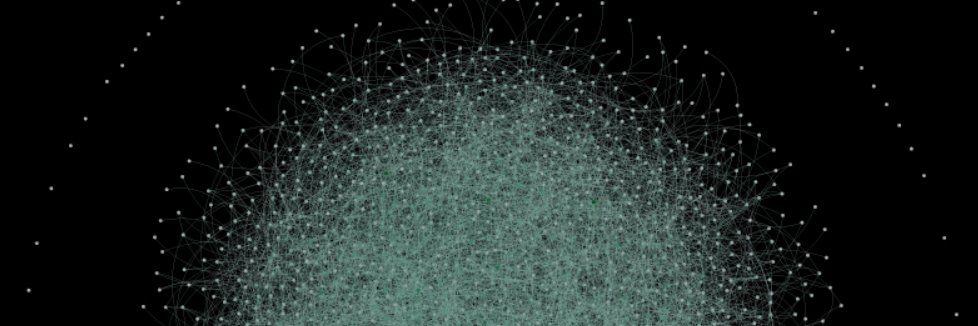
“I like to think of category theory as Mad Libs for mathematics. In Mad Libs, you have one story, but you get different versions of the story based on the different words you fill in. It turns out that there are certain stories or constructions that are shared across the mathematical landscape. Different branches of math might use different words for things — like ‘group’ instead of ‘vector space’ — but when you swap out words in the right way, you can see that the underlying framework or story is really the same.” — Tai-Danae Bradley https://t.co/0qx06TsfmA
After two months of work, the second part of the #complexitycat trilogy on machine metaphors is almost ready, and I promise you the wait will have been worth it! 💪😼
In the meantime, take a look at the first part, where we explore the historical roots of those metaphors. 🤖👇
Wonderful! I've heard of Searle's "Chinese Room" thought experiment in philosophy (which aims to show that AI doesn't "understand" anything) -- but it's a treat to see Searle explain it.
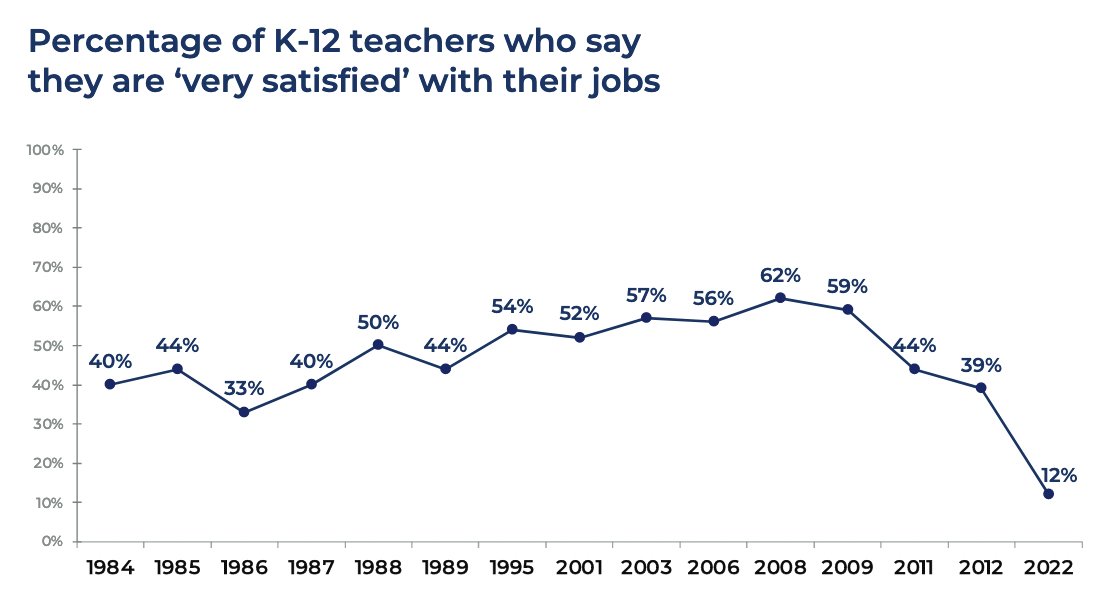
In 2008, 62% of teachers said they were very satisfied with their job.
In 2022, that dropped to 12%.
We've got a serious problem brewing in education...
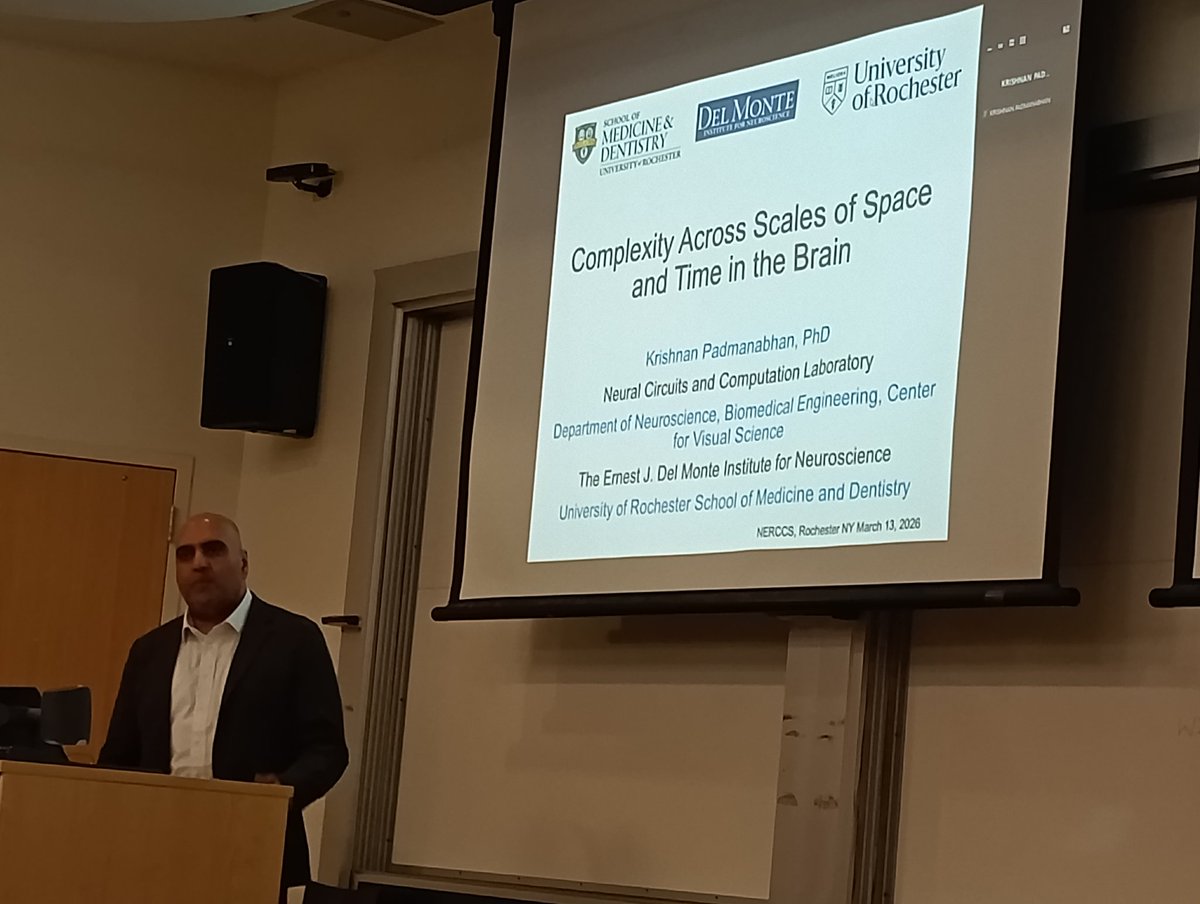
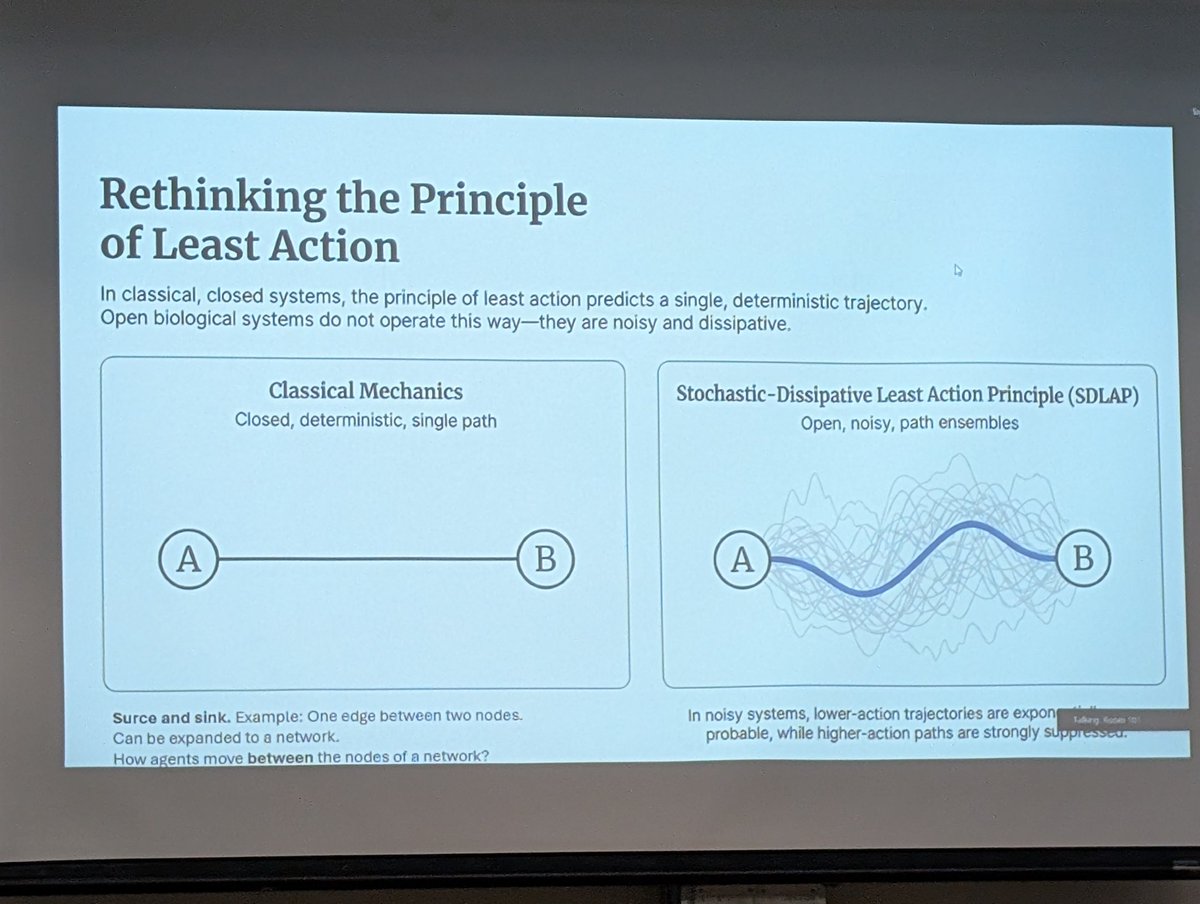
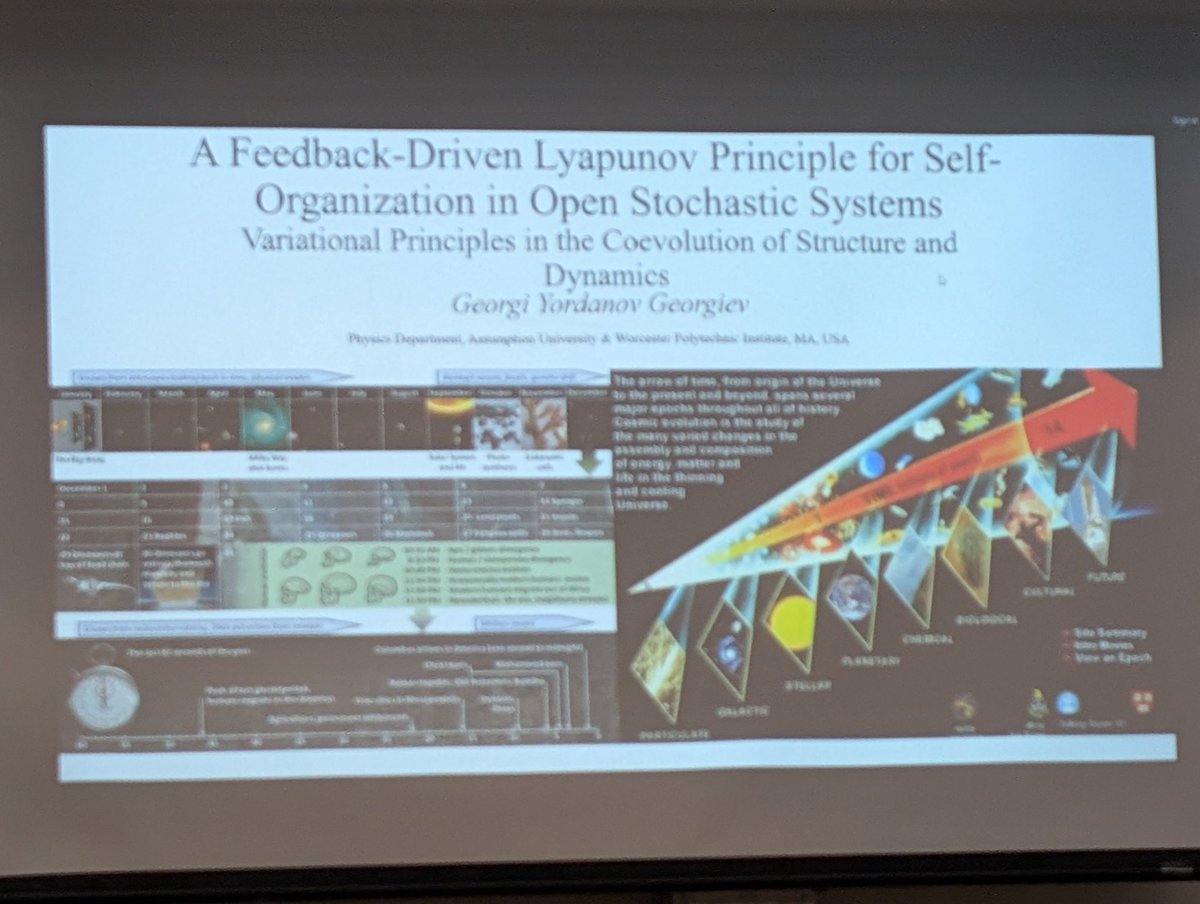
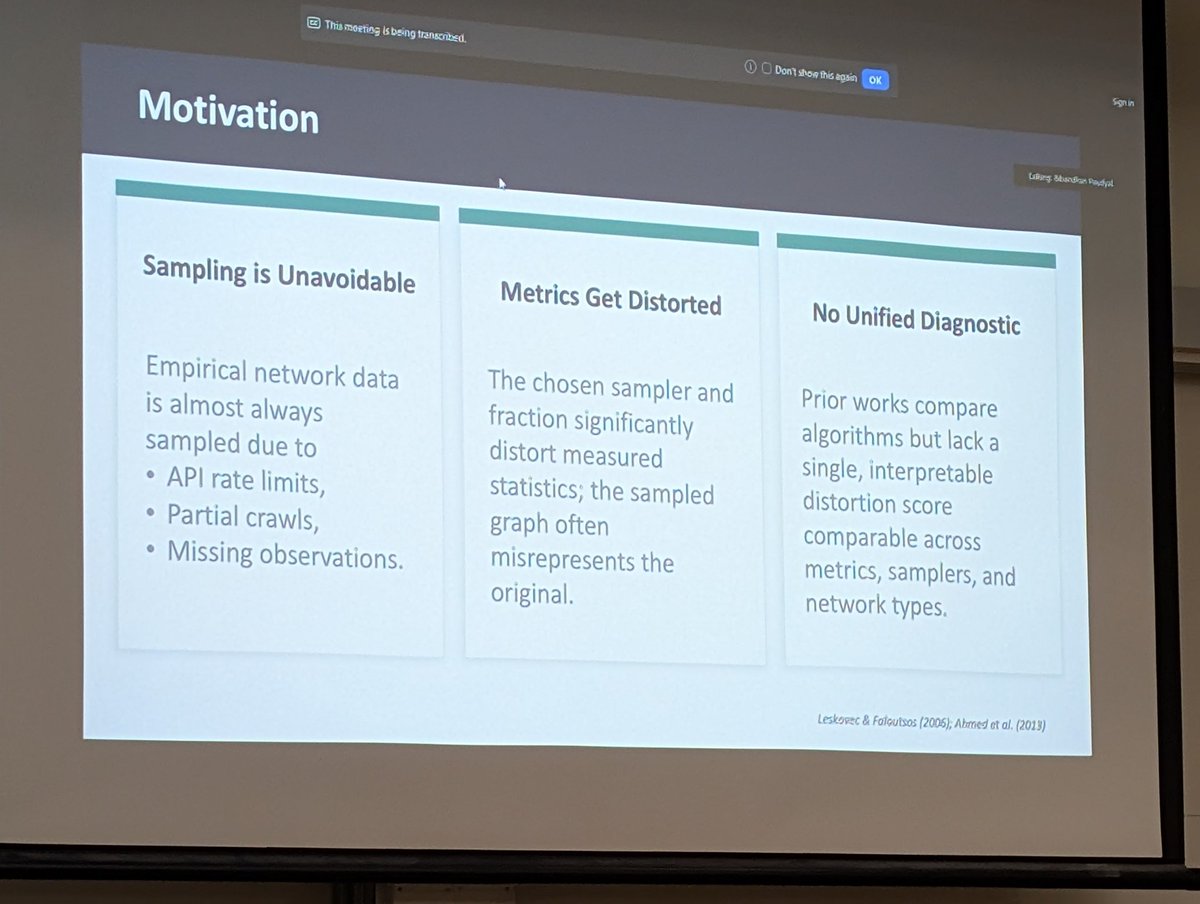
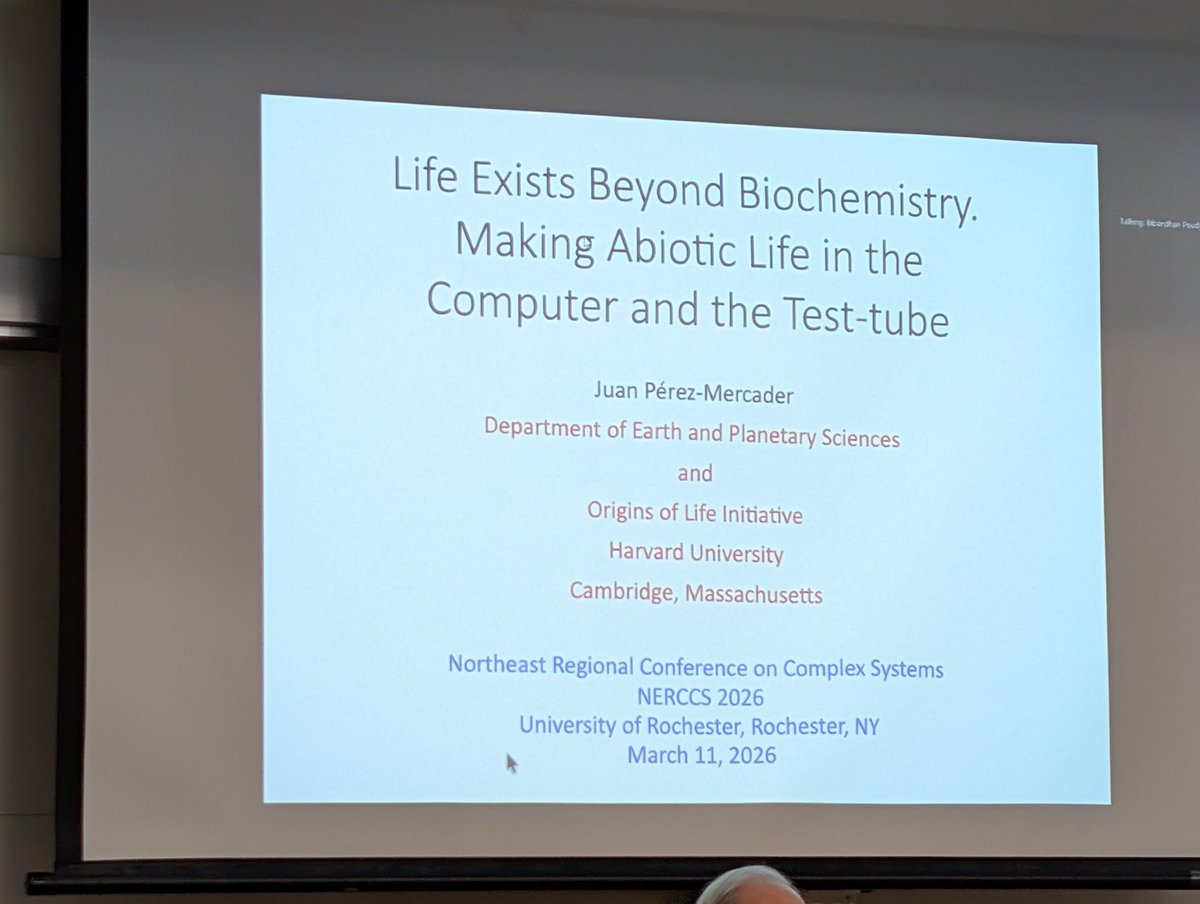
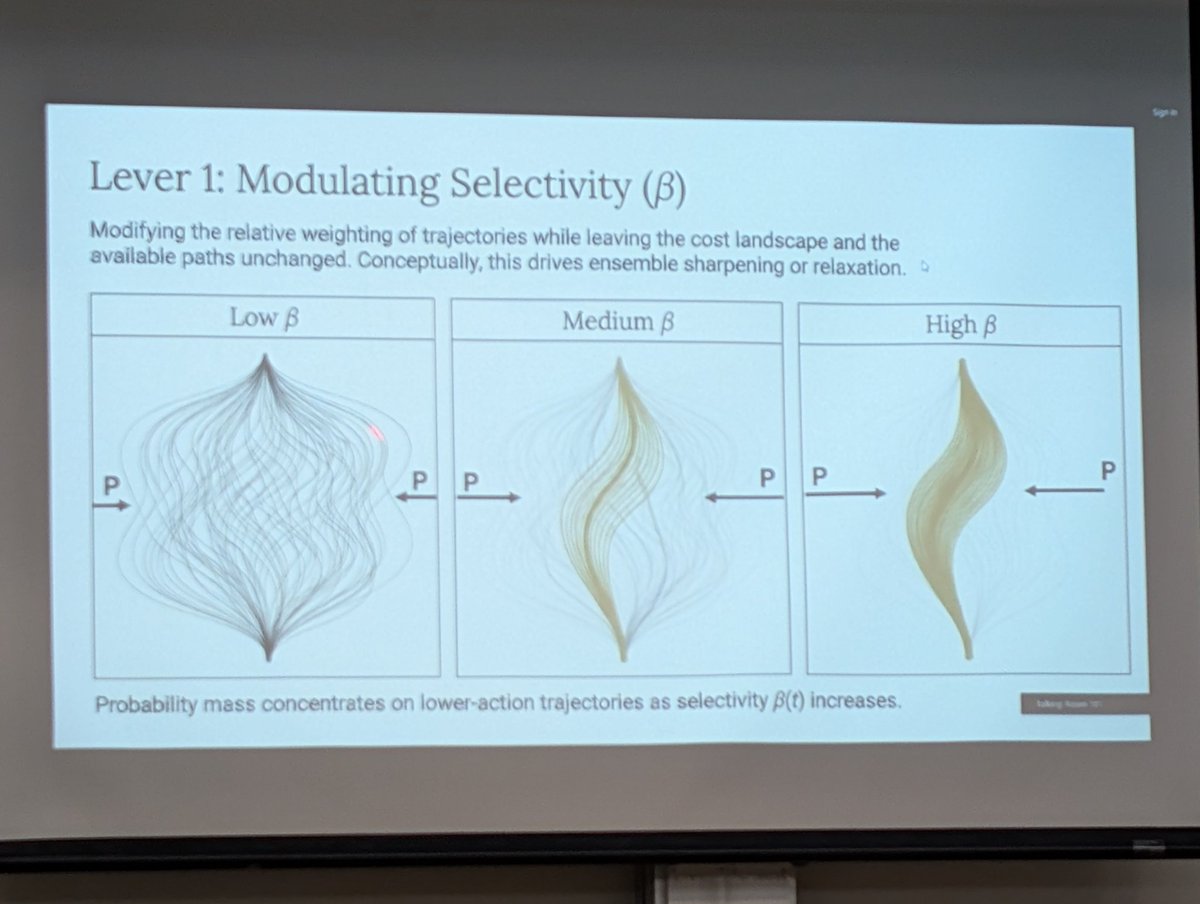
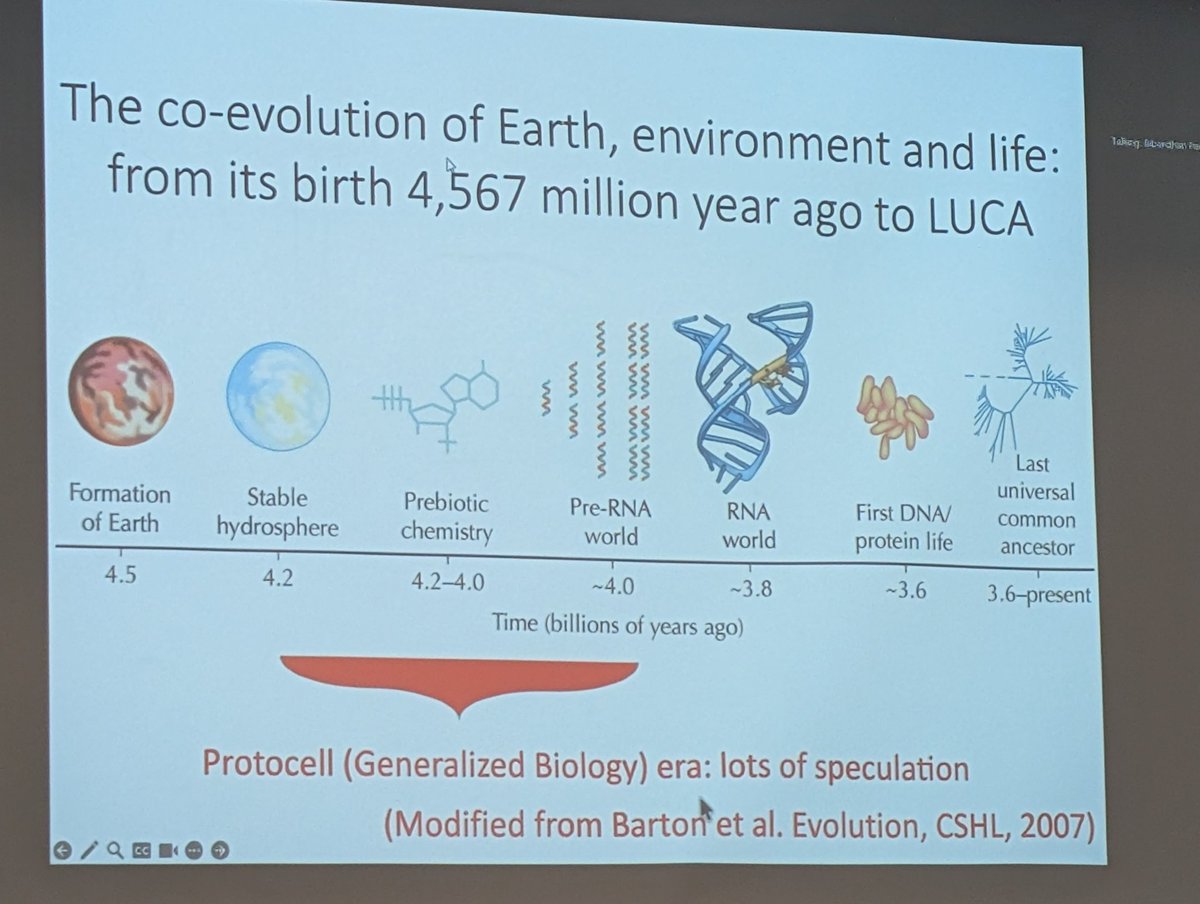
Krishnan Padmanabhan, our last keynote speaker at #NERCCS2026, gives us an overview of his research on experimental neuroscience and mathematical modeling of the brain.
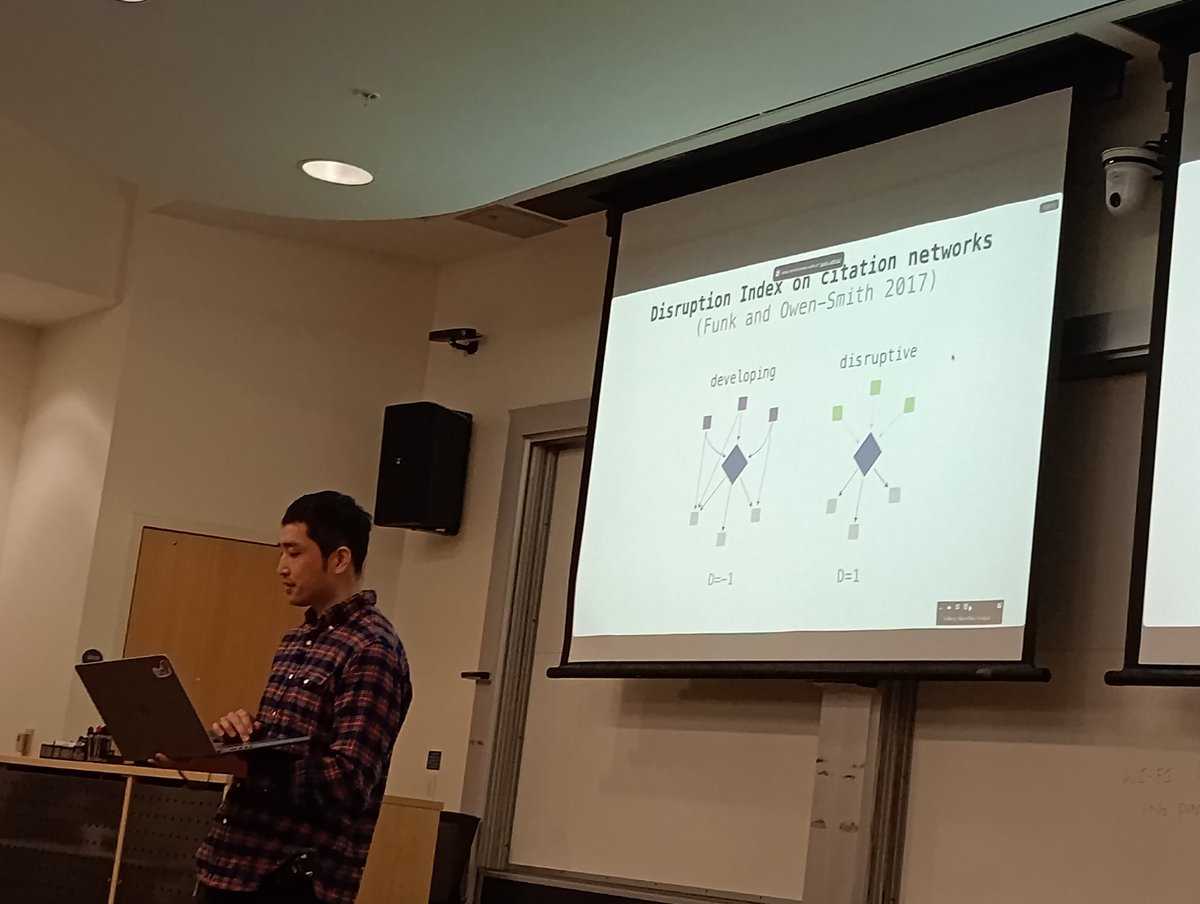
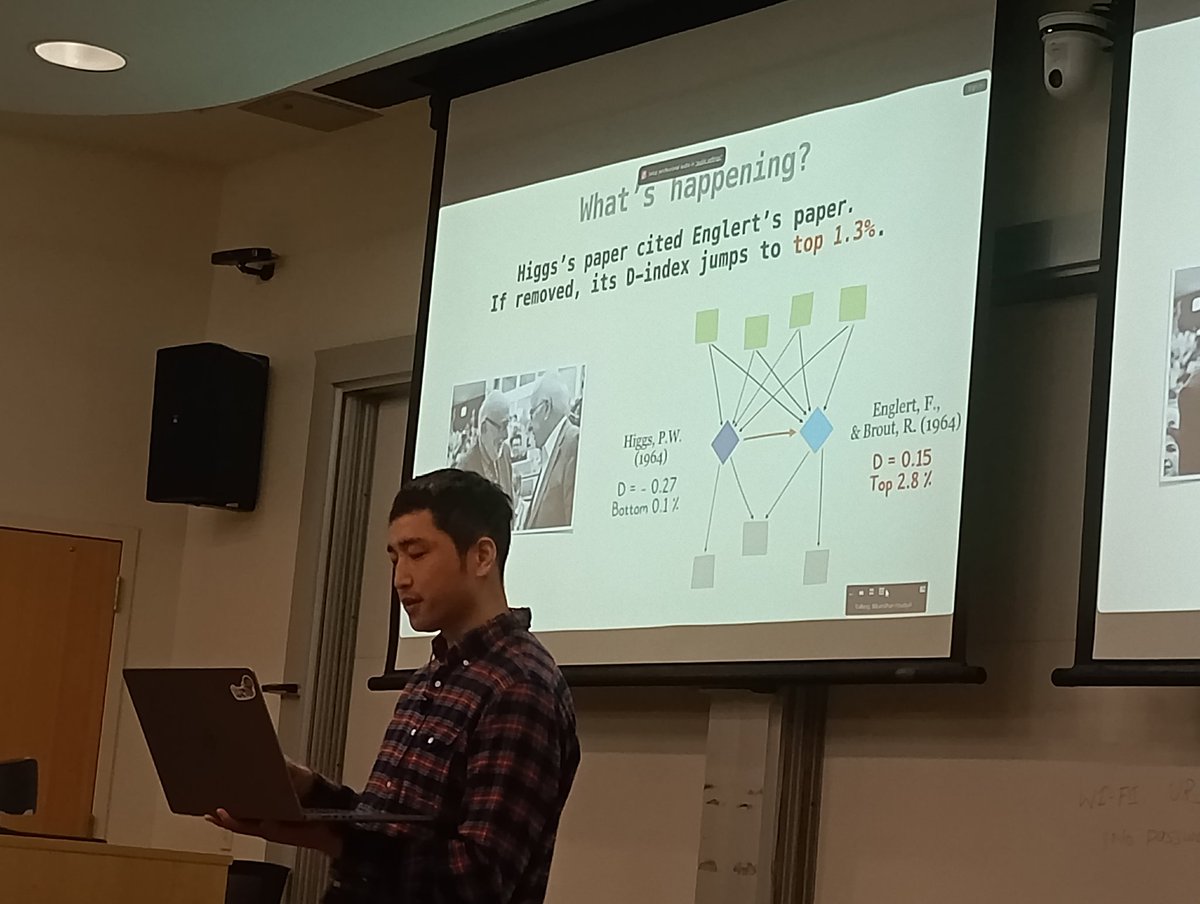
Finishing the first parallel session at #NERCCS2026, @skojaku gave us a great talk on how an extension of disruption index can be useful for uncovering simultaneous breakthroughs robustly. Great great talk!
🚨Groundbreaking ACT Research Alert! The largest meta-analysis ever on Acceptance and Commitment Therapy (#ACT) for depression is here—covering 263 controlled trials with 21,830 participants worldwide.
Key takeaways:
- ACT helps with depression overall (g = .88 )
- When analyzing just studies that targeted depression (k = 156)
depression was significantly reduced by: g = 1.18,
- A statistically significant effect was was also observed for studies that did not target
depression (k = 171): g = 0.67. (yes, ACT helps even when depression isn’t the primary focus!)
This milestone relied on the ACBS research database, a global resource built over years by dedicated researchers and staff—including the amazing work of Laura Purcell—to capture studies in multiple languages and contexts.
Why it matters: This is proof that ACT’s evidence base is not only growing—it’s mainstream and global.
Read the full report: https://t.co/0mPcY5zlEJ
#ACBS #ACT #mentalhealth #depression #psychology
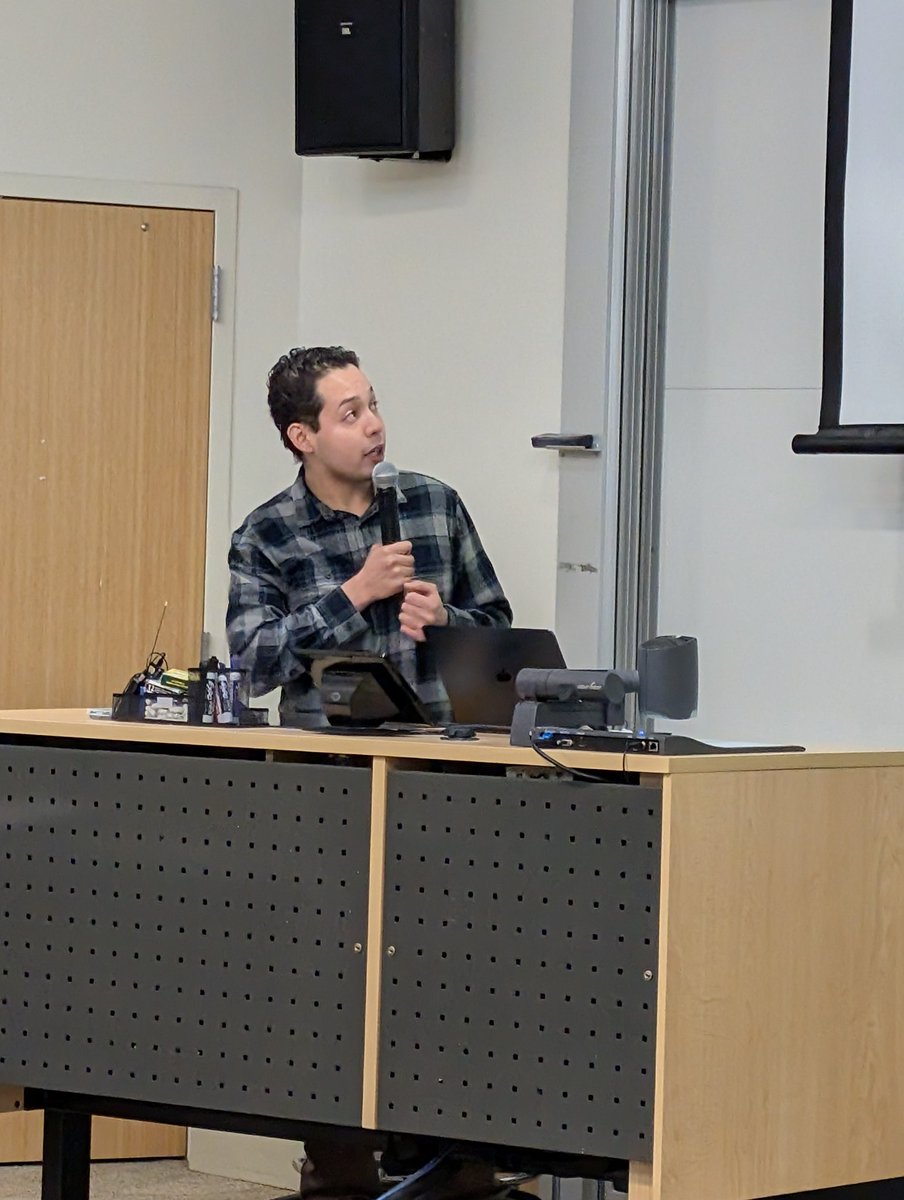
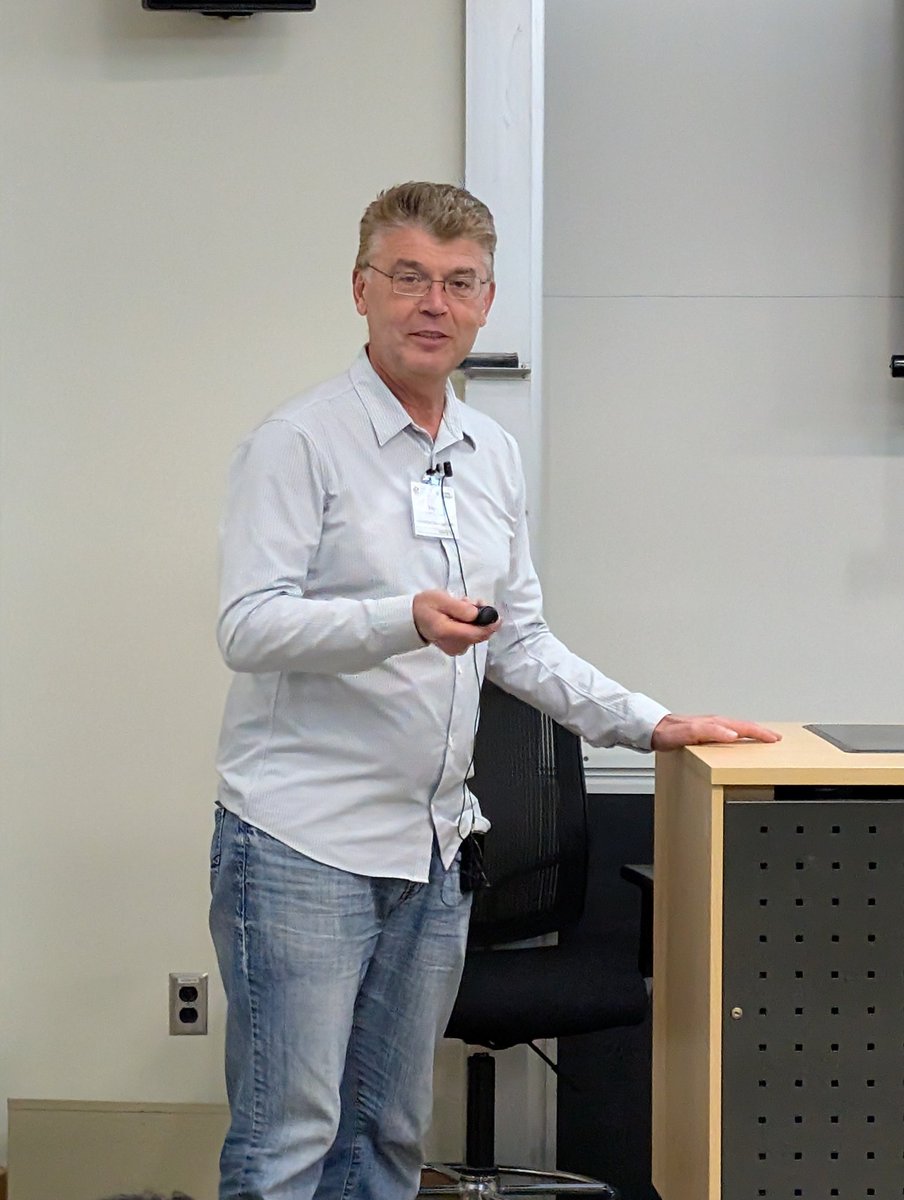
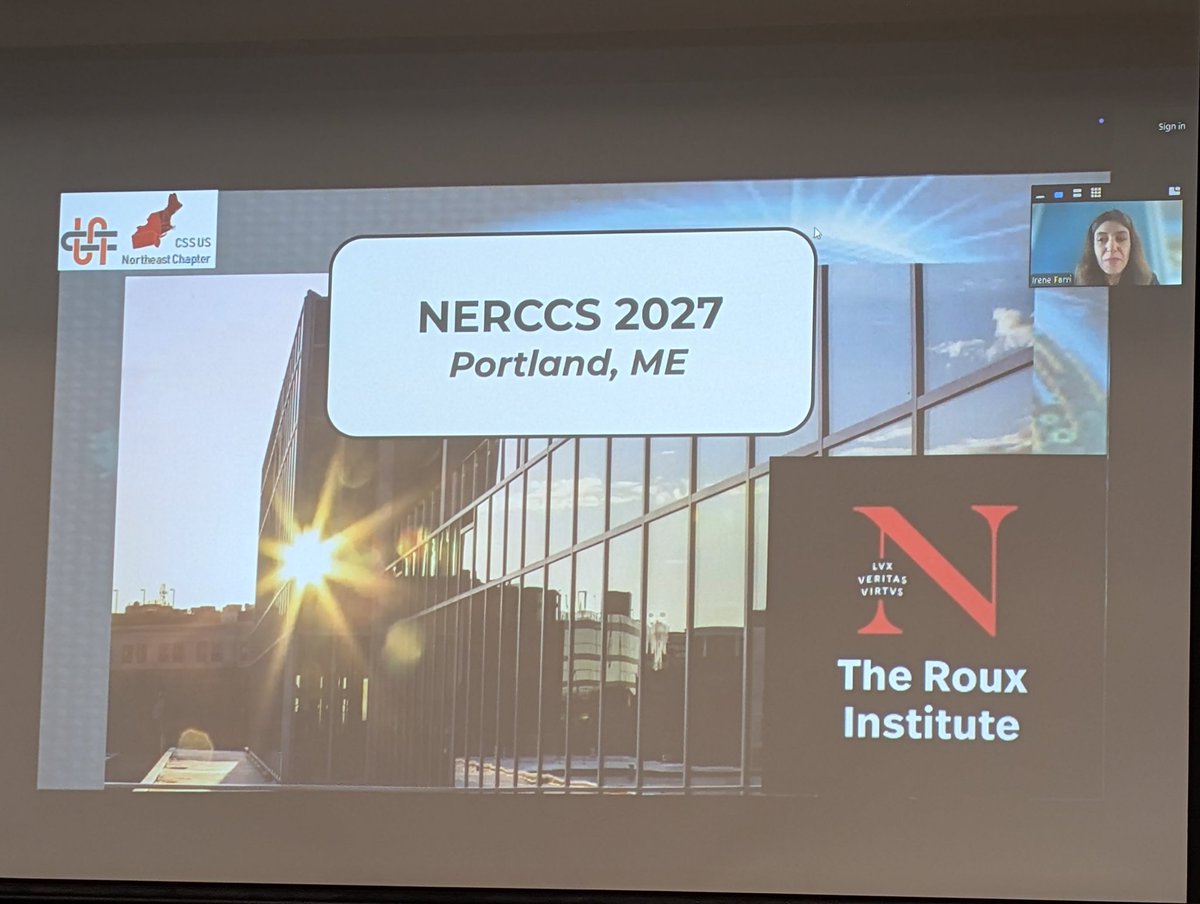
#NERCCS2026 Day 2 keynote speaker Filippo Radicchi (who unfortunately got stranded in a NYC airport due to flight cancellation) delivering an online keynote talk in optimal transportation networks
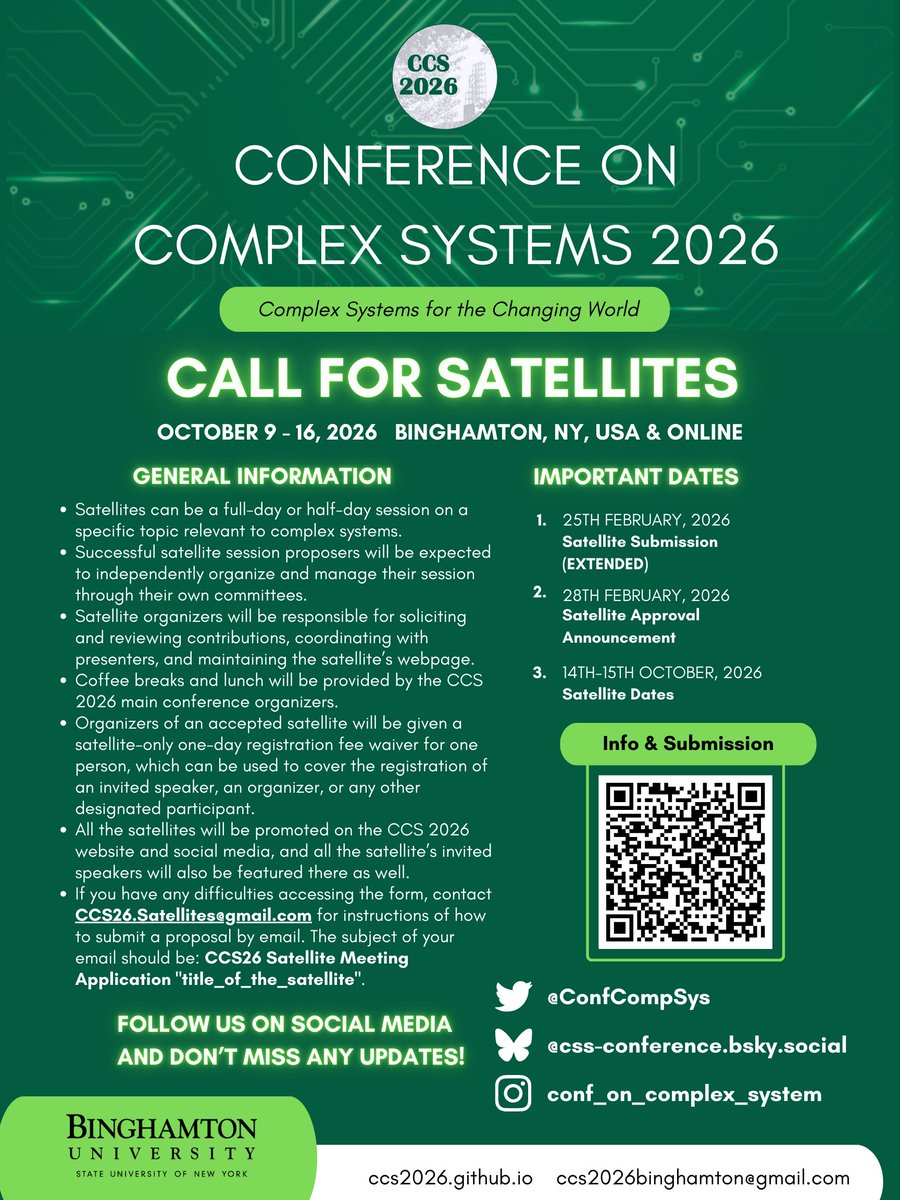
📢You asked for it!📢
Our call for satellites has been extended until Feb 25th, so you still have time to draft and bring your special session (workshops, tutorials, thematic debates, etc.) to #CCS2026!
Don't hesitate and submit your contribution now!
📝 https://t.co/kuI3wEhFX3