What a great question!
*clears throat... arranges notes on podium*
There's a food-based analogy coming at the end of this, don't worry...
In traditional Medicare, physicians are reimbursed through a system that converts procedures to dollars, known as "professional fees."
To calculate a professional fee, doctors assign a code for each service they provide, from a standard office visit to a complex brain tumor resection. These codes (called CPT codes) have a value in units called RVUs (Relative Value Units).
For example, a 15-minute office visit generates about 1 RVU, while a complex brain tumor resection can be 30-40 RVUs (depending on the specific codes used). These RVUs are then converted to dollars using the conversion factor. This amount is set by the government.
Multiply the conversion factor by the RVU, and you get the professional fee. The RVU conversion factor was $31 in 1992 and is around $32 now (it should be over $65 to keep up with inflation).
If the doctor runs an independent practice, the entire practice must be sustained using these RVUs and the conversion factor (which includes a practice expense component).
Confused yet?
Hope not, because here's where it massively favors hospitals.
Hospitals are paid either using the OPPS (for outpatient services) or DRG (for inpatient services).
For example, if an independent practice gets bought by a large hospital system, the physician typically agrees to let the hospital bill on their behalf, so the hospital keeps the professional fees. These might be passed directly to the doctor, or the doctor may have a production-based contract or a straight salary.
However, the hospital now bills under OPPS instead of the physician-based CPT/RVU system. That procedure code is converted using another scale called Ambulatory Payment Classification (APC, for those keeping track of the alphabet soup).
This scale yields higher reimbursement!
These are the so-called "facility fees" that make the exact same service cost more at a hospital than in an independent physician's office.
The government keeps INCREASING the OPPS (to keep pace with inflation) while DECREASING the RVU conversion.
For the exact same services, hospital reimbursement keeps going up while independent physician reimbursement keeps going down.
OK, now the food-based analogy you've all been waiting for:
It's like if you had government insurance that pays for your food. If you get a burrito at an independent food truck, it uses the "deliciousness scale" and has a dollar-to-deliciousness conversion. Meanwhile, if you get that same burrito at a chain restaurant, it uses the "scrumptious scale," with a completely different conversion, including extra fees to support the large multi-state organization.
Over time, the dollars per deliciousness unit decrease, not even keeping pace with inflation. Meanwhile, the dollars per scrumptious unit keep increasing.
Would the independent food truck have any chance of competing with the chain restaurant? The chefs have few options. Get bought out by the chain or stop taking government insurance.
How would this affect access to burritos for those with government insurance?
Not needing to compete, since they are guaranteed to get paid more than the independent establishment, the large chain restaurants have no incentive to improve quality.
The chefs making the burritos at the large chain restaurant have no control over their workplace anymore. Gone is the art of their craft, replaced with orders from a corporate overlord. They bring in a ton of money for their corporations, but the accountants still use the devalued deliciousness-units to determine their reimbursement. They demand they make more and more burritos. The chefs are burned out. They are undervalued. They look for a way out of their beloved careers. There are fewer options for those with government-sponsored food insurance. The cycle continues...
That's how the government devalues physicians while increasing healthcare consolidation. It's been a long, targeted destruction of independent practice. There are many other factors (340B, quality metrics, EHR), with this lack of site neutrality being just one nail in the coffin.
But it's a big nail.
@anish_koka@cscla@JPGK_MD@VPrasadMDMPH@RealJoeGrogan@realdocspeaks@DutchRojas
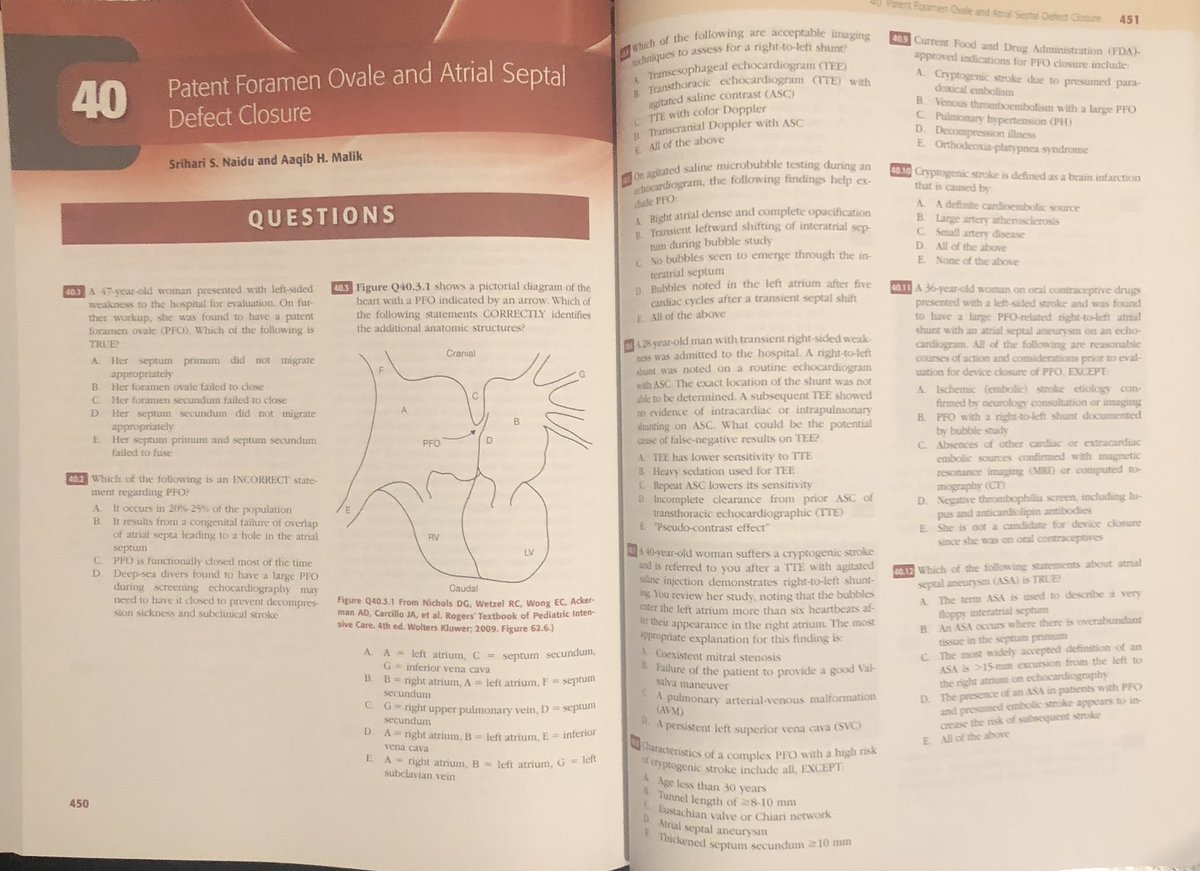
Congrats to outgoing IC fellow @MalikMD10 on this fantastic chapter update on PFO/ASD for Deb’s board review Q&A book - the best for IC boards IMO as it gets you back in shape for reading & answering questions. Get your copy! @WMCCardsFellows@TanyaSh112@mirvatalasnag
Hate to rain on Sixers parade a little, but Maxey traveled on the 3pt shot where he got fouled and hit it. Refs cold missed it. Right foot established as pivot. Then be slides it a lot
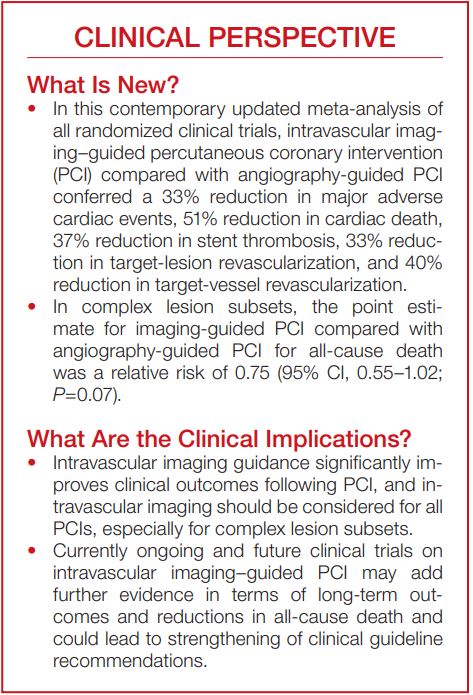
If we reframe angina as a diagnostic issue rather than a therapeutic one, we'd stop saying things like "PCI is modestly effective." It's really effective, in the right patient.
We'd instead say, "we are modestly good at knowing the etiology of your angina."
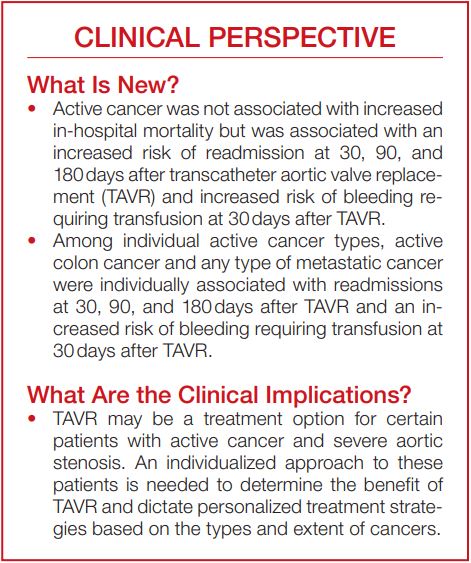
Patients with and without active cancer had similar in-hospital mortality after TAVR, but those with cancer had ⬆️ risk of readmission + bleed.
Results suggest TAVR can be a treatment option for certain patients with cancer. #AHAJournals@ToshikiKuno https://t.co/NER4AfkeCz